











There is a reason wholesome content hits differently than regular content, and it is not just sentimentality. Research on positive emotion, particularly the work of psychologist Barbara Fredrickson and her broaden-and-build theory, suggests that positive emotions like warmth, awe, and joy don't just feel good in the moment.
They actively expand our capacity for thought, creativity, and connection and linger long after the feeling itself has passed. A genuinely wholesome image might just look like a distraction from real life at first glance. But it is, neurologically speaking, an investment in your ability to handle it.


#6 I'm Glad I Kept My First Attempts. Sometimes It's Nice To See How Far You've Come

The specific flavour of wholesome that tends to hit hardest is the unplanned kind. We are inundated with curated and carefully captioned content designed to perform warmth for an algorithm, and that has its place too. But the accidental moment caught on someone's phone camera that was never meant to be seen by anyone beyond the person who took it, that is the one that lingers longest.
The elderly man dancing alone at a bus stop. The child leaving a note for the binmen. The dog who has clearly just done something very good and knows it. These images work because they weren't trying to. Authenticity is not something that can be manufactured, and the internet knows the difference even when it can't articulate why.

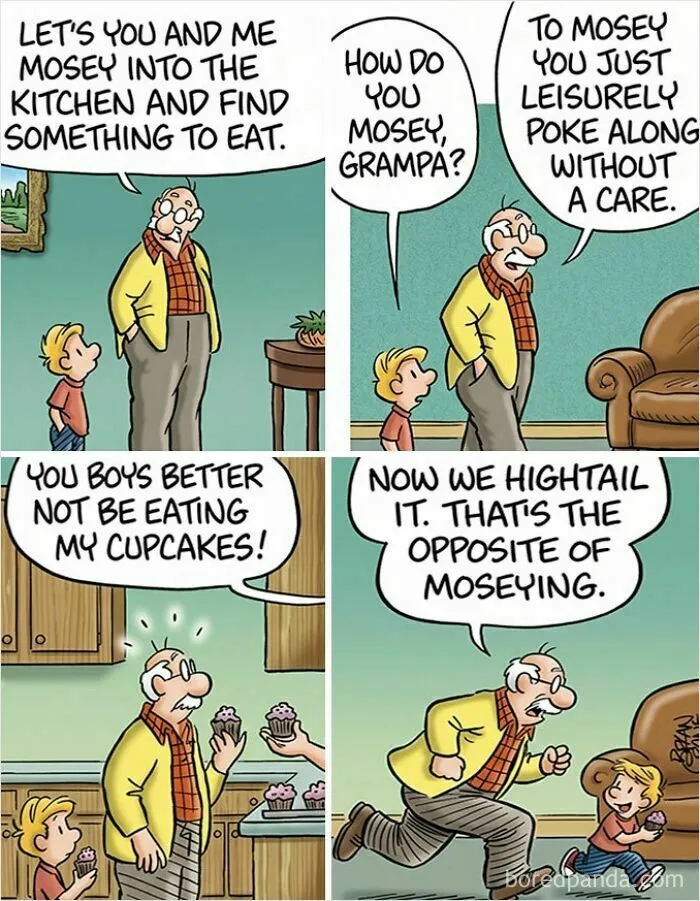
#9 I Accidentally Shattered A Moonstone While Wire Wrapping. Instead Of Throwing It Away, I Turned The Broken Pieces Into Two Pendants

There are even studies on the science of awe, an emotion closely related to the wholesome feeling these images produce. They have found that even brief exposure to awe-inducing content reduces self-reported stress, increases feelings of connection to others, and makes people more likely to engage in generous behaviour afterward.
Dacher Keltner, a professor of psychology at UC Berkeley who has spent decades studying awe, describes it as the emotion that most consistently gets people out of their own heads, which is, on most days, exactly where most of us need to go.


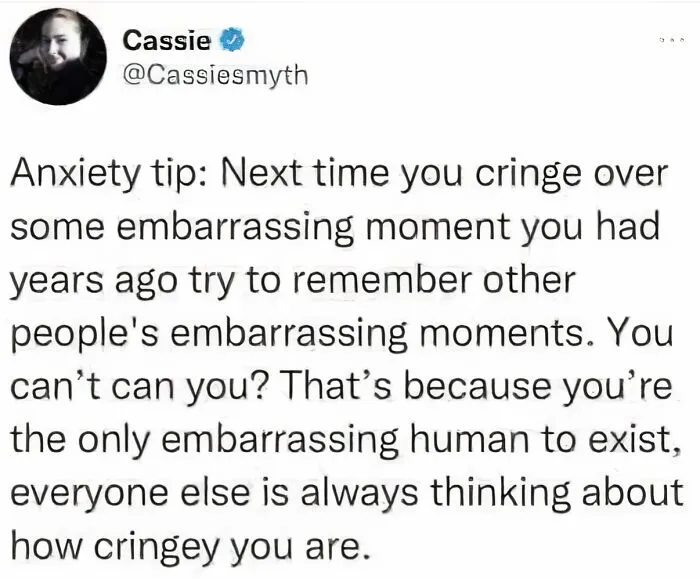
The Japanese have a concept called mono no aware, and it roughly translates as the bittersweet awareness of life’s fleeting moments. It captures something essential about why certain wholesome images produce a feeling that is equal parts joy and something quieter and harder to name.
The old man dancing is wholesome, but there is a bittersweet afterthought that it will soon end. The friendship between a child and a dog gives you all the warm and fuzzies, but especially because you know the kid will outgrow it. The wholesomeness isn't despite the impermanence. It's because of it. The moment is precious precisely because it won't last, and the camera caught it anyway.



There is significant research on the health benefits of positive social connection. Even though the viewer isn’t part of the interaction, they can still feel the warmth that images of human kindness tend to evoke. A landmark Harvard study that tracked participants for over eighty years found that the quality of relationships is the single strongest predictor of health and happiness across a lifetime, more significant than wealth, fame, or professional success.
Wholesome images work, in part, because they remind us of this. They show connection in its simplest form. A hand held. A kindness given. Something in the brain responds to it as though it were our own, and this might just be the key to a long and happy life.



Cute aggression is a real neurological phenomenon. It was documented by researchers at Yale University, so you know you can trust it. The brain responds to something overwhelmingly adorable by producing an urge that mimics aggression. You know, the urge to squeeze, bite, and smother something unbearably cute.
It sounds alarming, but it isn't. Researchers believe it functions as a regulatory mechanism, preventing the brain from becoming so overwhelmed by positive emotion that it stops functioning. Your brain is protecting itself from an excess of joy, because it turns out, you CAN get too much of a good thing. Stay humble, folks!

#20 A Leopard Gecko Shedding It's Skin And It Looks Like He Is Getting Eaten
