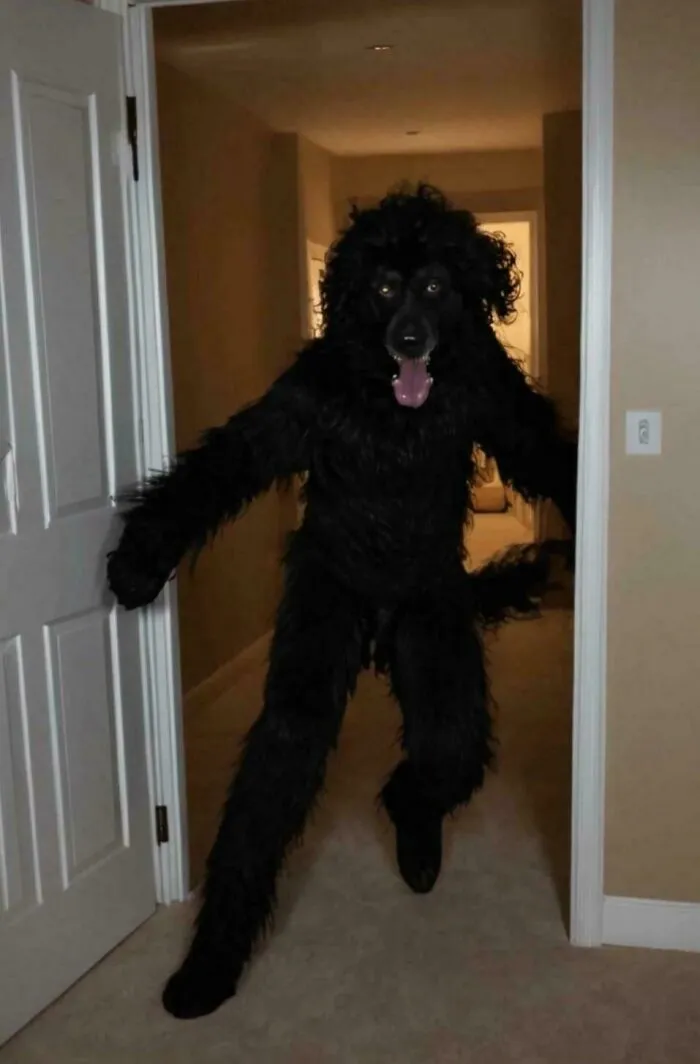
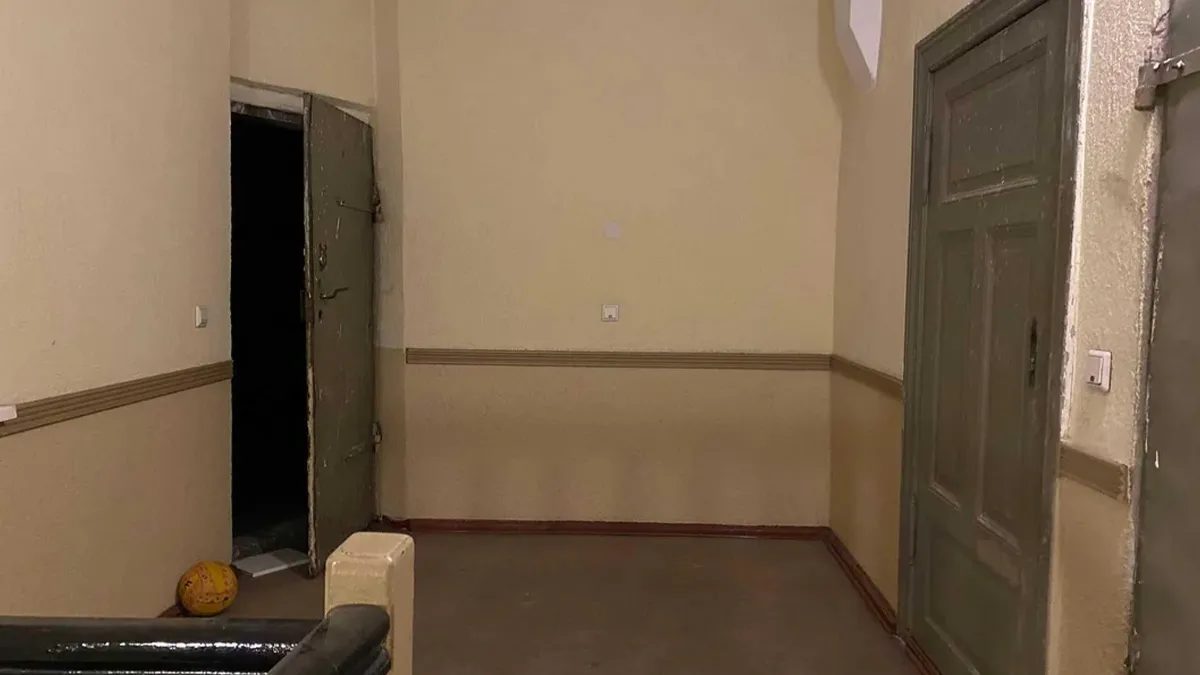



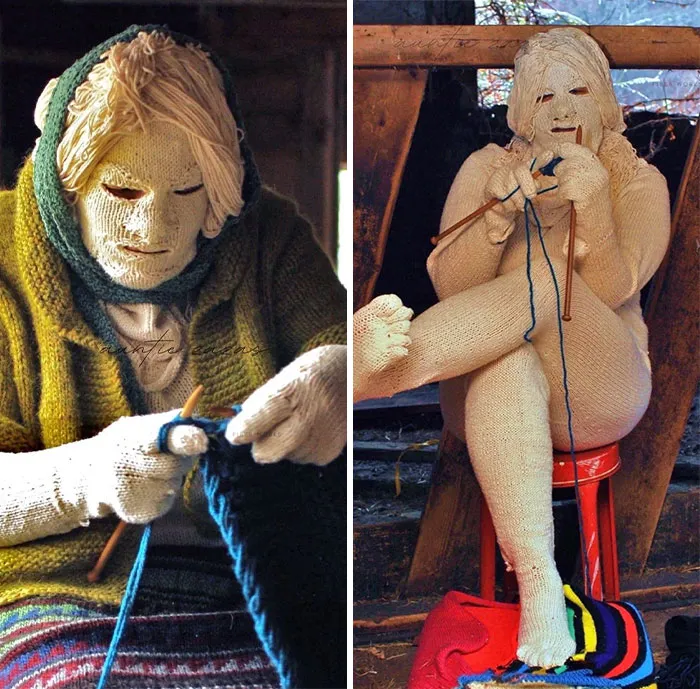
Professor Jackson also says fear can be healthy because there’s an evolutionary benefit to fear. "It keeps one safe from a range of hazards - be that fear of animals with sharp teeth or dangerous parts of a city at night - and helps people live longer," he told Bored Panda. "But a life avoiding all fears is perhaps too boring, hence why we have developed access to 'controlled fear' such as scary movies, roller coasters or blind dates - all are sociably acceptable things we willingly pay for."
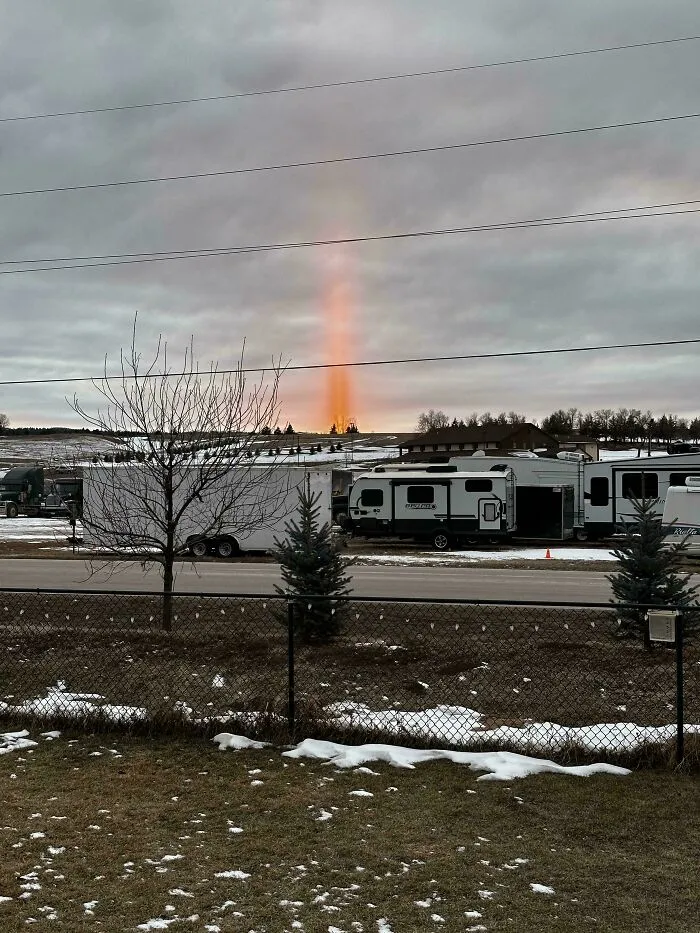

"There is a large growth recently in the 'fear transformation' movement that works in two ways," the expert continued. "First, the idea is that by facing things we may be fearful of, it will make us view things differently and change our perceptions and therefore our abilities too. It's about embracing change, knowing we can’t be good at everything, but also demonstrating that we can learn new things. It's a way of taking everyday experiences and turning them into self-help exercises."
"Second, by exposing ourselves to the fear (of doing something we are fearful of), we will get used to the feelings of fear and after enough exposure this fear will dissipate," he continued. "Facing failure, rejection or the fear of failure for long enough removes its sting."

While it’s important for some people to face their fears and feel "alive," Professor Jackson says this isn't the case for everyone. "Those who may need constant stimulation or the need to grow (the 'experientials') may feel the benefits, but for many people, their comfort zone is just the right place for them to be. This obviously changes with age as we have more to lose as we get older, so the idea is to challenge the comfortable drift towards becoming 'stale'. As Milos Forman put it, 'a little humility is good for the soul.'"
"Being masterful of everything also leads to arrogance and over-confidence, and in such a state, we tend not to learn anything new or novel," the professor continued. "A reduction in confidence from fear means an increased need to listen to and learn from others, and approach things in a new way. Losing confidence is necessary as part of gaining more confidence in the long run."

Finally, Professor Jackson added, "The current TikTok trend of filming oneself doing 'failure tasks' and things that scare us is a modern twist on those behavioral principles from the 1950s. It goes back to what Franklin D Roosevelt said in 1933 - 'We have nothing to fear but fear itself' - or at least our fear of the fear. Losing fear can be quite liberating. See Fearless (1993 Directed by Peter Weir)."

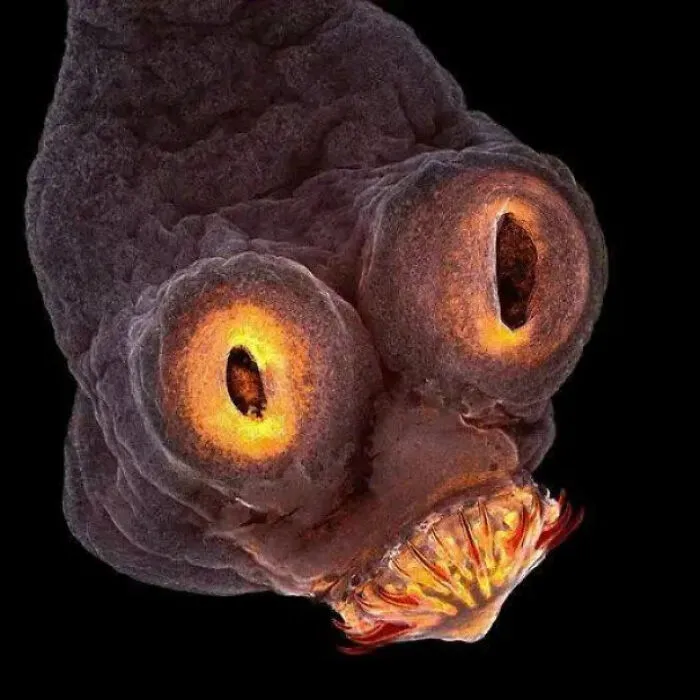
Are the photos on this list making you nervous, pandas? Keep upvoting all of your favorites, and let us know in the comments below if you’ve seen anything recently that gave you the heebie-jeebies. Then, if you’re looking for another Bored Panda list featuring unsettling images, look no further than right here!


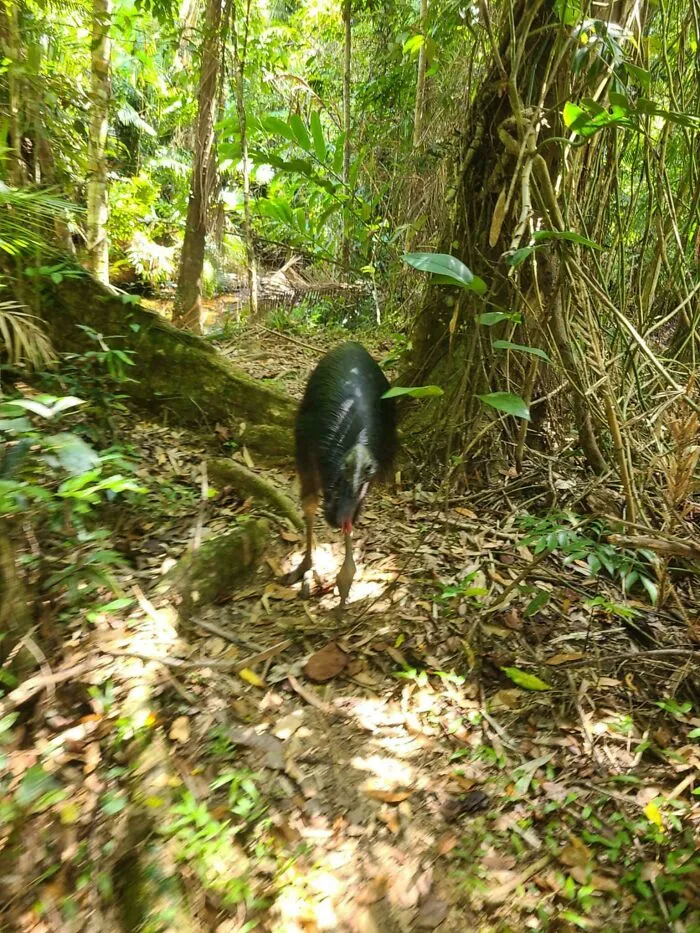
#33 Being Chased By A Southern Cassowary For 15 Minutes On A Rainforest Trail
#34 A Two Milligram Dose Of Fentanyl Powder Is Enough To K**l Most People