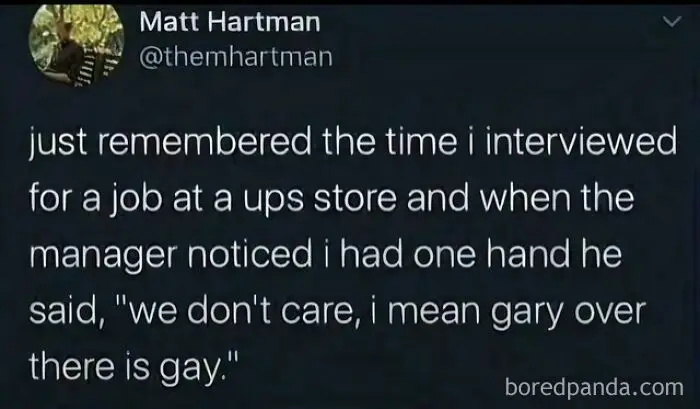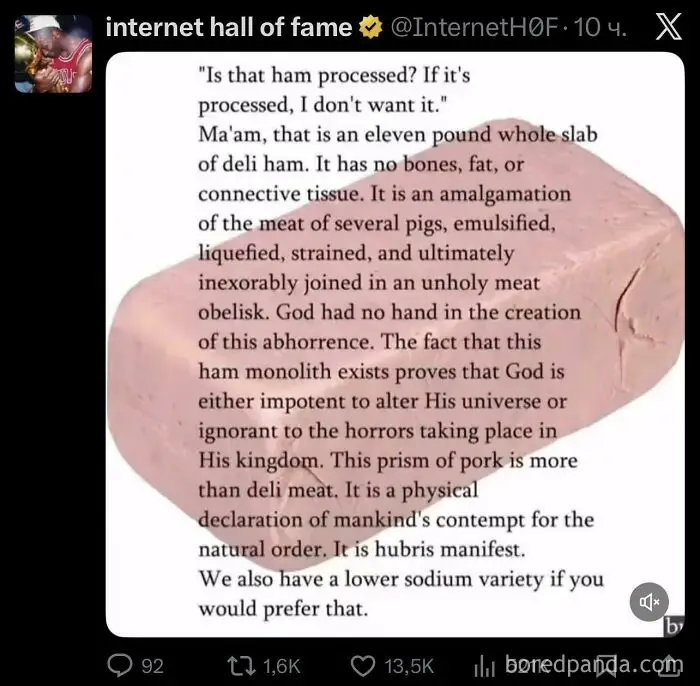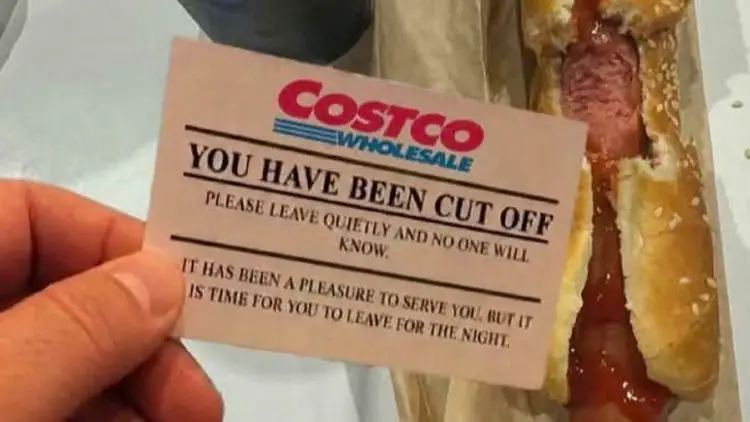





I don’t know about you, but some of these comments really made me go, “huh?” When I read them, my heart told me they were really weird and untrue. But my brain put on its detective gloves and concluded that the randomness just can’t be faked.
So what exactly makes us believe these comments? Researchers claim that a statement, when presented with additional related (but irrelevant) information, enhances people’s feelings of “truthiness,” even when they don’t provide any evidence that the statement is true.



It turns out that when our brain considers new information, it tries to connect it to related things it already knows. If the brain can retrieve this information easily, we likely tag it as true.
Researchers explain that this ease of recall is known as fluency, and we judge fluent information as more true.



When you think carefully, it almost seems similar to “the pratfall effect.” It suggests that people find individuals and brands more relatable and trustworthy when they show their flaws, rather than pretending to be perfect. Similarly, the randomly messy bits in these oddly specific comments build trust.
Also, real events are pretty weird and include useless details. Perfection, on the other hand, can make them sound doubtful. Besides, it takes a lot of effort to invent a “clean lie.” So random comments that are oddly specific are simply hard to fake.



Now, while we believe these comments to be true, there’s a totally different reason why we share them or why they go viral in general. Kristin Tynski, co-founder of Fractl, a top-ranked content marketing and digital PR agency, explains that how content makes us feel often prompts us to hit the share button. And that’s why it’s such an important element of viral content.
“People like to share emotional experiences. When we feel something, we want others to experience it too. So content that triggers an emotional response is more likely to get shared online,” she adds.
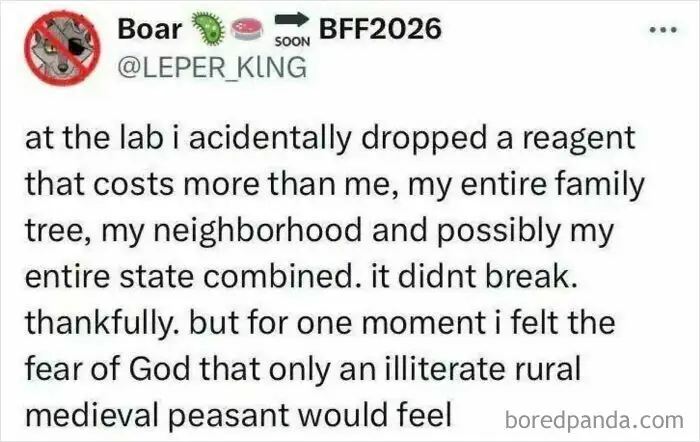


The absurd humor of these comments is also something that we enjoy. According to Tim Fergusson, a widely acclaimed comedian, film director, screenwriter, author, and screenwriting teacher, “Absurd or nonsense humor highlights the ridiculousness of life, pushing normally accepted realities to nonsense extremes, giving the audience a fresh perspective.”
He emphasizes that randomness is a typical element of absurd humor. After all, an irrelevant punchline sounds funnier than something we already expect.
#16 Tried This On My Parents..is There Any Adoption Centre Nearby By Any Chance?



Having considered everything, let’s not forget that not all oddly specific comments people make online are real. In fact, some cross a line and sound so unreasonable they have to be fake.
Simply put, most of the real ones have a familiar setup, a bizarre twist, and emotional weight. Meanwhile, the not-so-real ones seem too polished and use unnatural language or phrasing that gives them away.