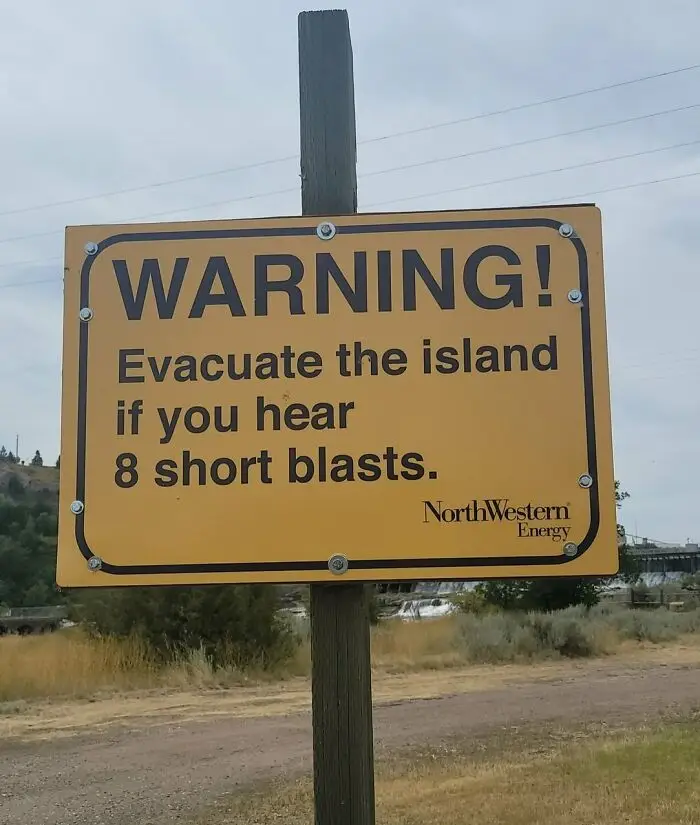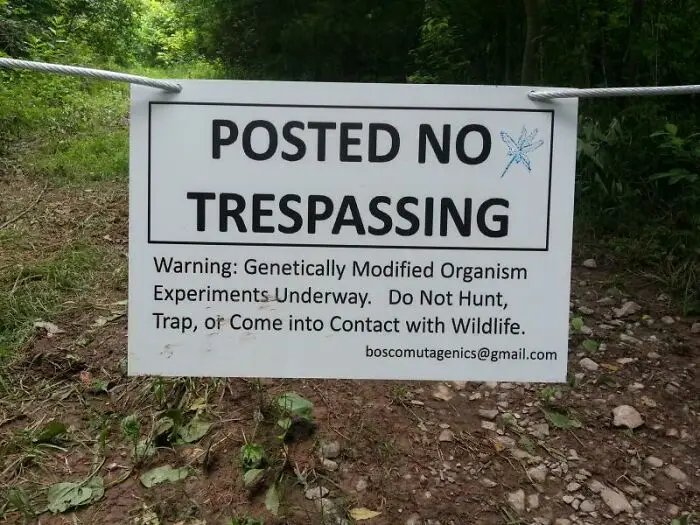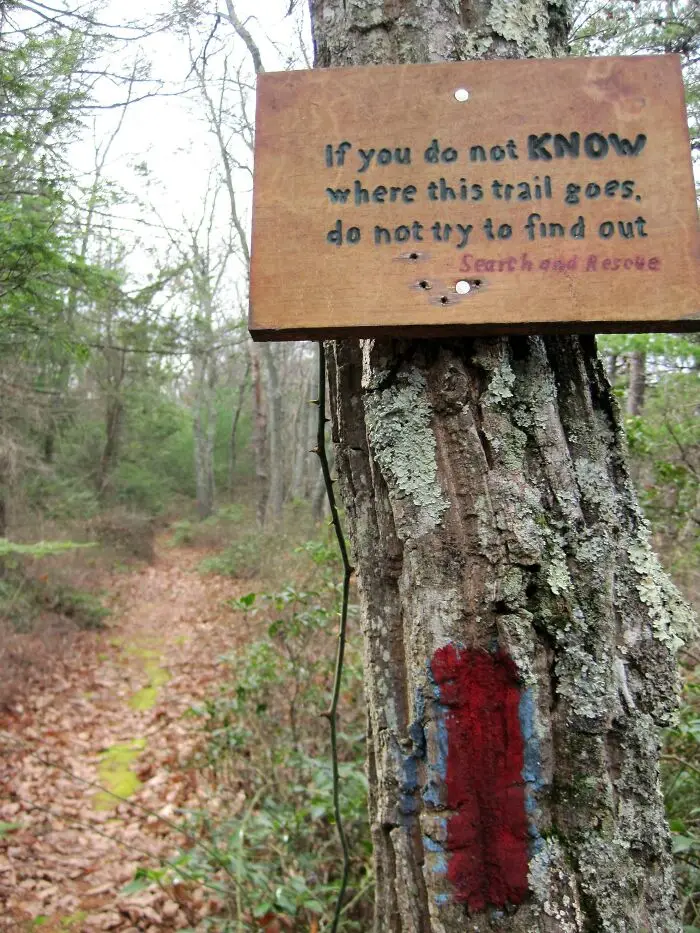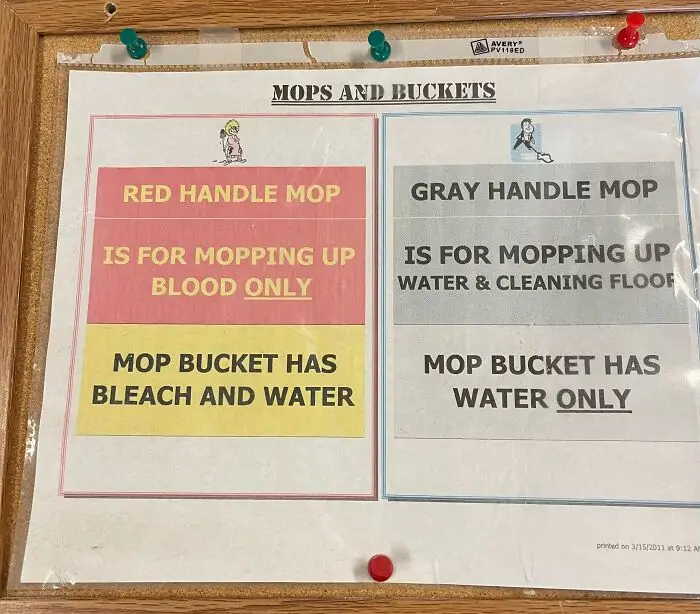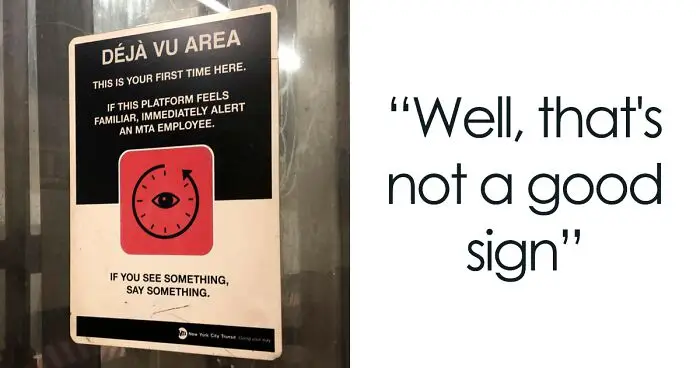
When people stumble upon alarming messages, they have to decide whether or not to comply. "First, the viewer has general knowledge about the world and how it works. Second, s/he has a set of beliefs and expectations based on experience with the same or similar environment, product or technology."
"Lastly, the viewer enters the situation with a goal and strategy for achieving that goal," Green continued. "The goal can be specific ('I want to arrive at my destination as soon as possible') or more diffuse ('I want to feel good about myself')." So an effective warning sign requires the designer to understand what the observer "brings to the table".
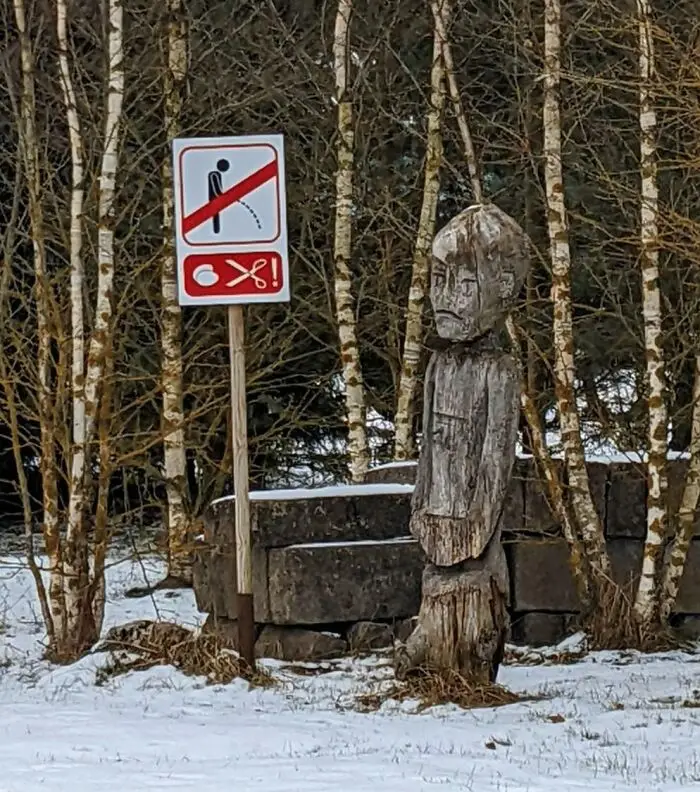
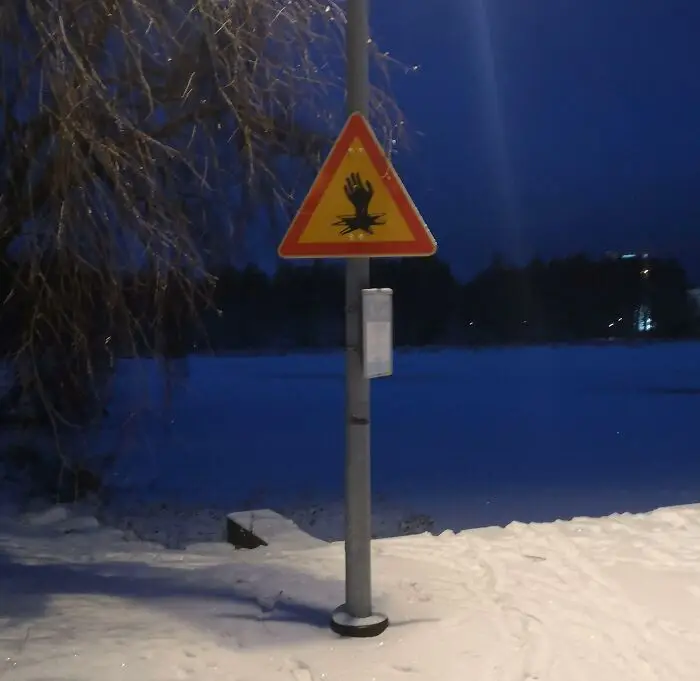
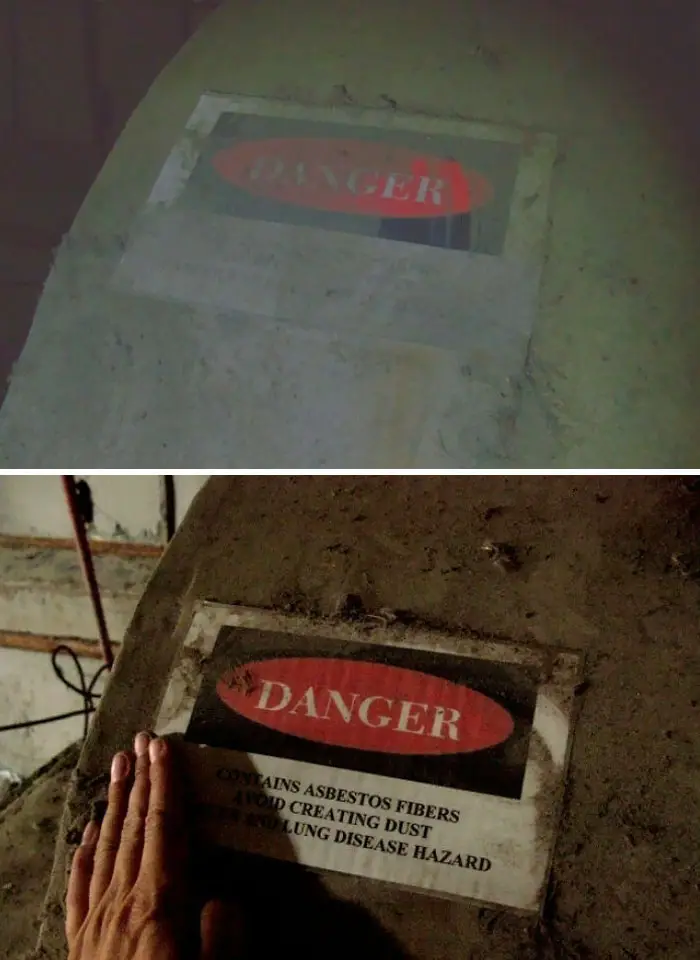
In a previous Bored Panda interview, Frank T. McAndrew, Ph.D., the Cornelia H. Dudley Professor of Psychology at Knox College, mentioned that cursed and threatening messages we encounter in our daily lives make us take notice, whether we like it or not.
"We are programmed by evolution to intently focus on unexpected or unusual things in our environment. It is essential to determine if such things pose some sort of threat to us or not, and cursed images hijack the part of our brain that is responsible for protecting us," McAndrew noted.
The same goes for unusual things in our environment. "Novelty in our environment (i.e., new or mysterious things) automatically grab our attention," he said. In an evolutionary sense, "people who paid attention to new things did a lot better over time than people who ignored them, and we are the descendants of the people who were curious."
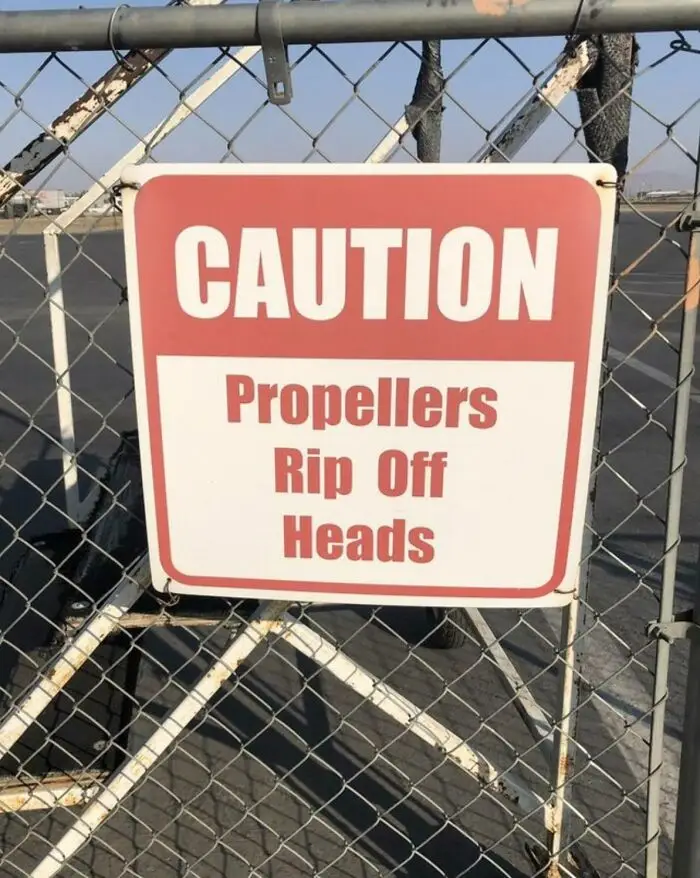
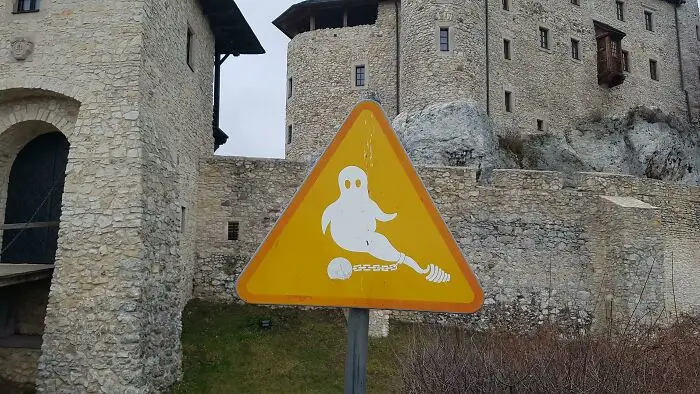
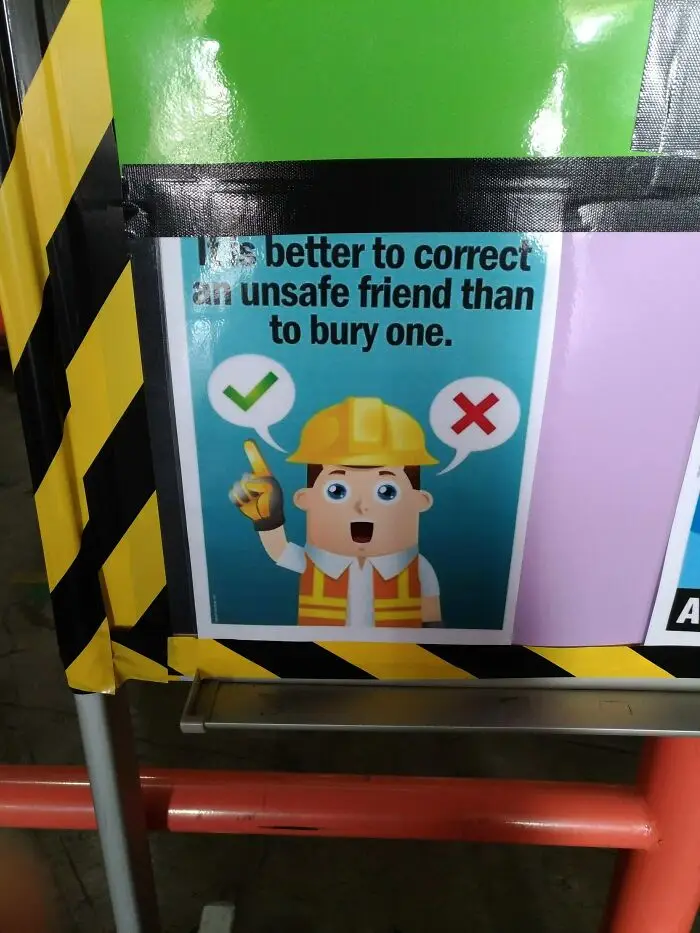
According to the professor, when we can’t determine if something is good, bad, or neutral, we feel uncomfortable. "Our inability to categorize it will eat at us because we do not know how to deal with it, and this can be paralyzing if it is something that we cannot easily avoid," he explained.
"Being uncomfortable with uncertainty is a very adaptive thing, and it helps us remain vigilant in situations where we need to do so," the professor said. "People differ from each other in how comfortable they are with uncertainty, and someone who is not at all tolerant of uncertainty will be more stressed out than they should be over even moderate levels of uncertainty. I am not sure that there is too much that can be done about this, as it is a personality thing and personalities are very hard to change."
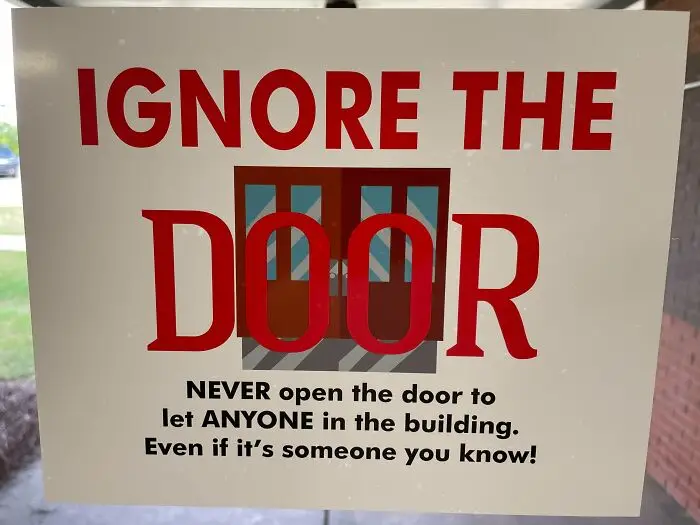
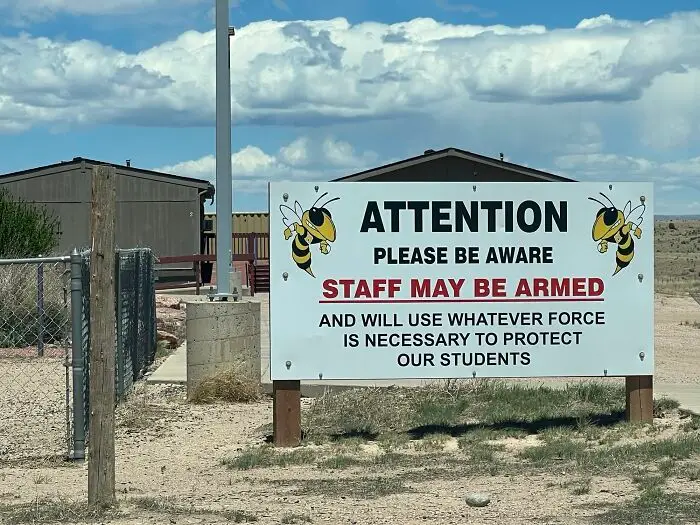

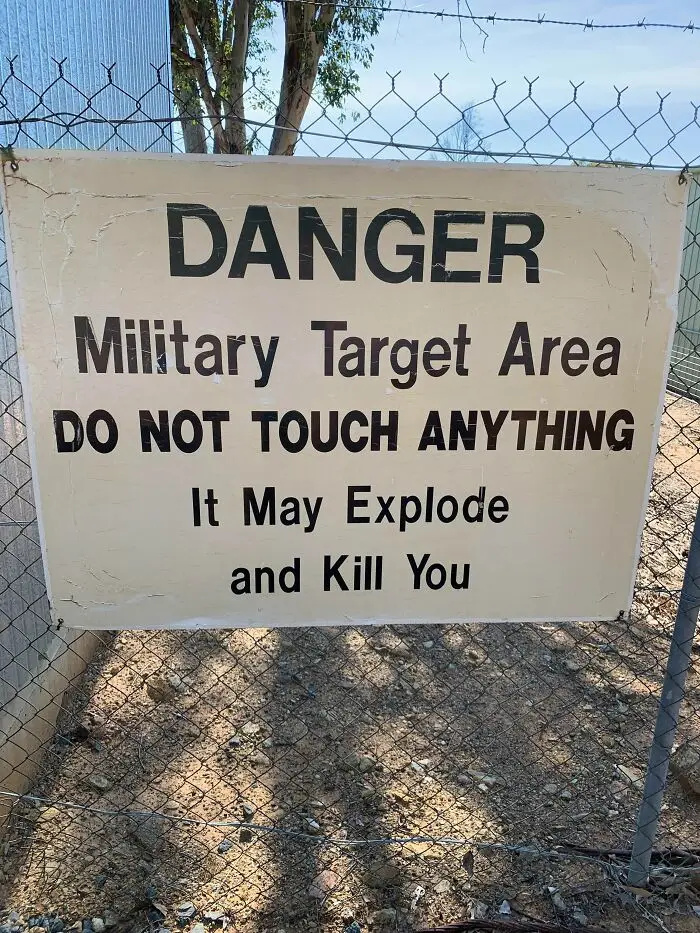
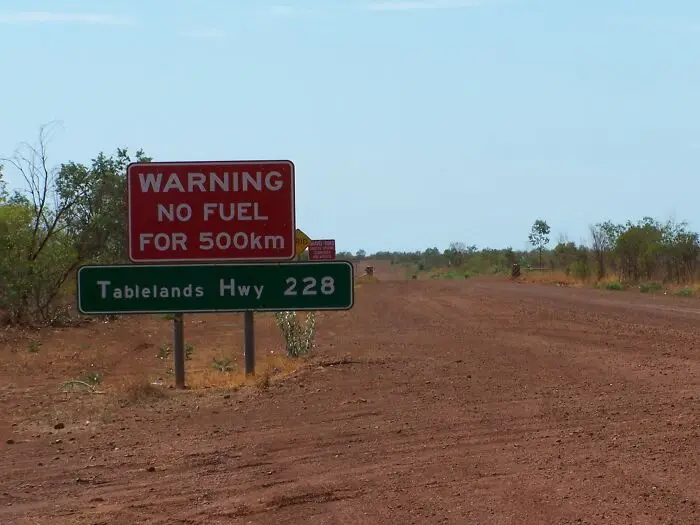
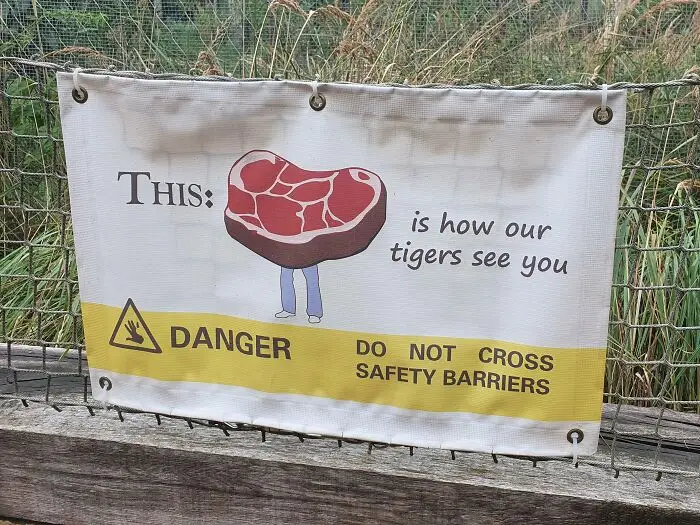
#32 You Know When You’re In The Australian Outback When You See A Sign Like This