


#1

#2

#3
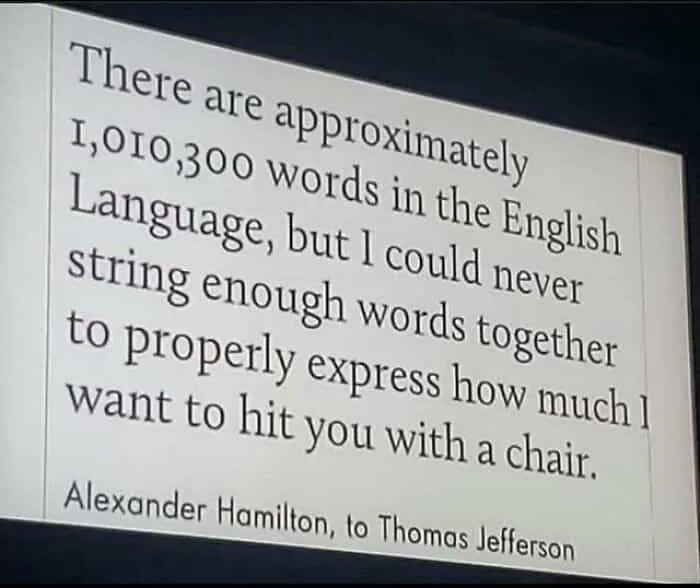
Irony and sarcasm have always been a source of what we call dark humor, but that doesn’t necessarily mean these unique insults stem from them alone. Apparently, we can trace absurdly specific insults back to none other than the father of the English language, William Shakespeare.
In many of his works, you can find examples of this kind of humor, as profanity itself often felt too weak for what he was trying to convey. Lines like “Thou art a boil, a plague sore, an embossed carbuncle in my corrupted blood” are just one of many insulting examples found throughout his extensive body of work.
#4
#5

#6

But funnily enough, a back-and-forth of insults, more akin to an argument, is also reported to have existed in medieval Europe, namely through flyting, or well... Viking rap battles. Yes, you heard that right: flyting was a formal public exchange of poetic and ridiculous insults that Vikings would often throw at each other.
Many describe it as a “ritualistic game of wits” that occurred during the 5th and 6th centuries, and it even appears in Norse mythology and poems. Most insults targeted cowardice, a lack of intelligence, appearance, and even a man’s manhood and his axes. Literally and figuratively.
#8

#9

#10
#11
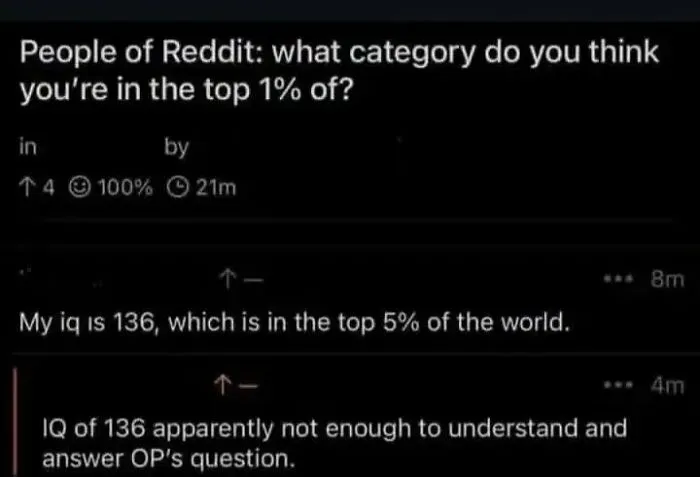
But to reach this level of witty humor through insults, researchers say it’s not just the work of your average Joe. Neuroscientists, linguists, and psychologists generally agree that understanding and constructing sarcasm and irony actually requires a lot of brain power and a high level of cognitive function.
Sarcasm essentially forces the brain to bridge the gap between literal meaning and actual intent, turning it into a mental gymnastics game. It requires rapid dual-path processing, meaning both sides of the brain work to process words, definitions, and context and put them together in milliseconds.
#12

#13
#14

#15
#16
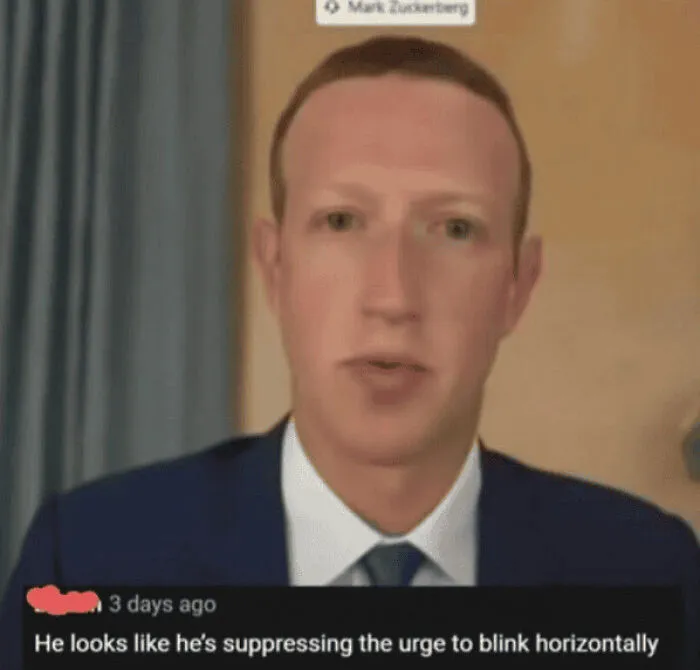
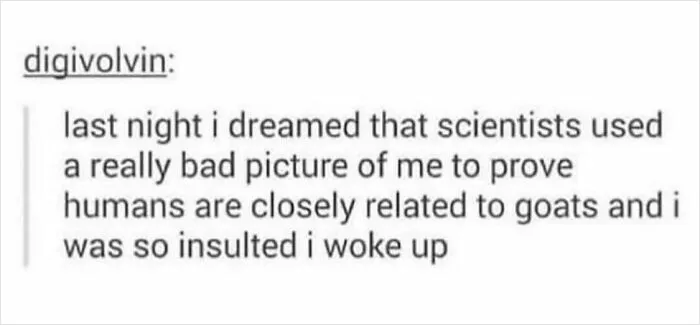
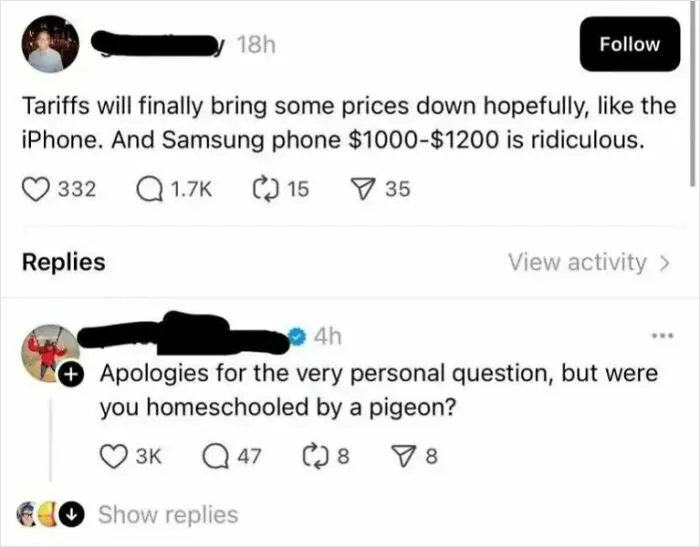
And how are some of these insults created? Well, plenty of studies show that comedy often comes from combining two completely different and unrelated concepts, like homeschooling and a pigeon, and putting them together to create a punchline so absurd that it makes someone laugh.
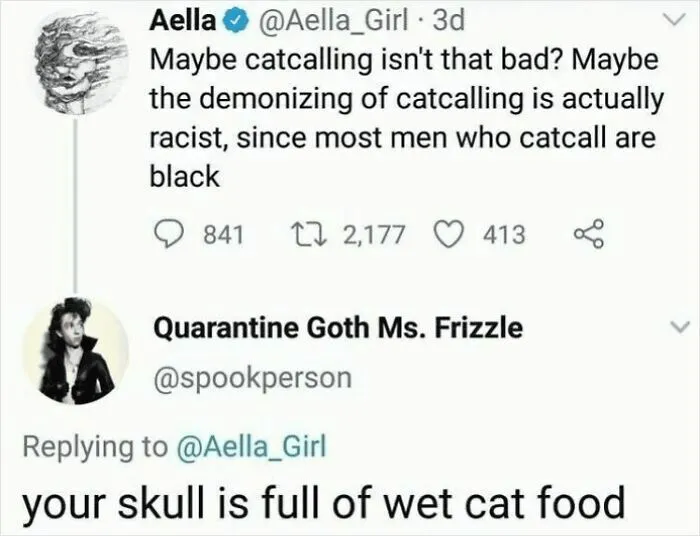
It also helps that this creates a vivid image. Picturing wet cat food, crazy evil cartoon characters, or other gross, absurd, or weird things naturally makes the reader visualize them, helping them absorb the joke.
#18

#19
#20