


Obsessive-compulsive disorder (OCD) can make people have intense fears or thoughts that don’t always seem rational to others. It’s tough on the person going through it, but it can also make things difficult for those close to them.
One woman learned that the hard way when a friend with OCD suddenly decided she was “contaminated” and started treating her like a genuine health risk in front of everyone. After a while, the whole friend group reached their limit and told her she was no longer welcome at their hangouts.
Needless to say, it didn’t go over well. Read the full story below.
OCD can make people have irrational thoughts and behave in ways that can be difficult to control

But one woman’s behavior eventually pushed her entire friend group to its limit
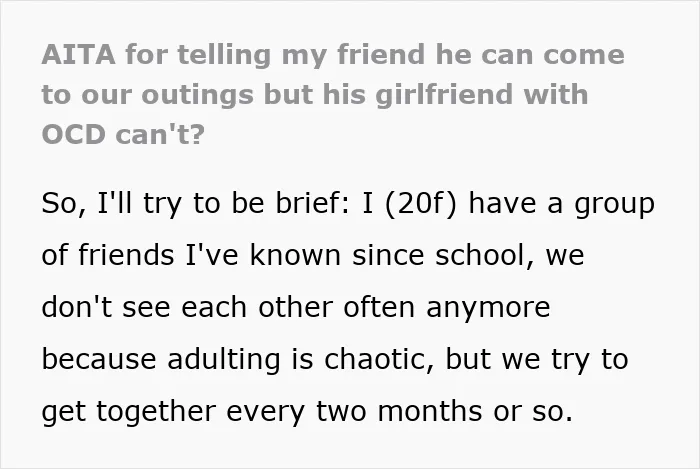

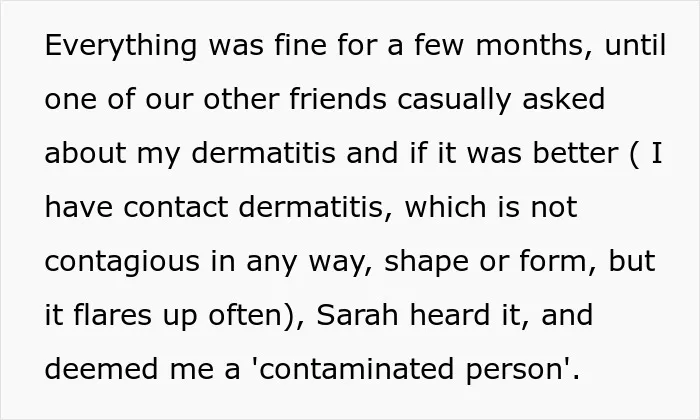
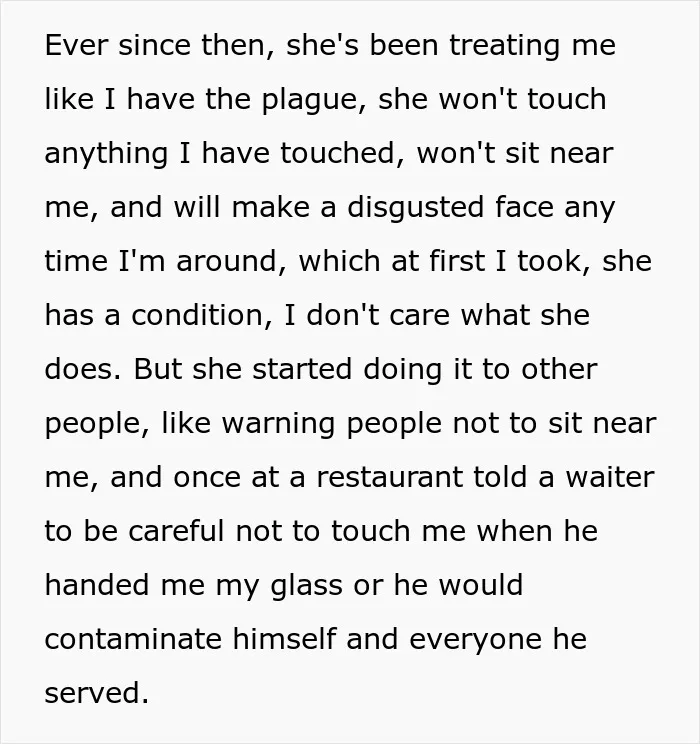






Unfortunately, OCD is often misunderstood, and simply telling someone to stop their behavior usually doesn’t work

OCD can be an overwhelming condition, and it’s also one that people often misunderstand. Many live with symptoms for years before getting a diagnosis. In fact, estimates suggest it can take around 14 to 17 years from the first signs of OCD for someone to finally get diagnosed. That’s a long time to deal with behaviors that can be difficult to explain.
According to the Mayo Clinic, OCD involves unwanted thoughts or fears, known as obsessions, that can lead to repetitive behaviors called compulsions. Those behaviors are usually done to ease the anxiety caused by the obsession.
The relief may only last for a short time, so the fear comes back and the person feels driven to repeat the behavior. The Mayo Clinic calls this the “vicious cycle of OCD.”
Contamination is one common obsession. Someone may become extremely worried about germs, dirt, or touching something they believe is unsafe. OCD can also show up through repeated checking or strict routines.
The experience varies from person to person, and someone may or may not recognize that their fears or behaviors are unreasonable.
Of course, watching someone you care about struggle with OCD can be difficult as well. Friends and family might want to be understanding while also feeling uncomfortable when the condition starts affecting them directly.
In this story, the woman was upset by being called “contaminated” because of a harmless skin condition. Having people warned against touching her understandably made things even worse, and eventually the friends decided they’d had enough.
So how should loved ones support someone with OCD? Experts say it can take a lot of patience, and simply telling someone to stop thinking a certain way or quit a compulsion usually doesn’t work.
Therapist Alexandra McNulty, who specializes in the condition, told Time that “OCD is not about a lack of willpower.” Someone may want to stop a compulsion and still find it incredibly difficult.
Instead of getting frustrated, McNulty suggests acknowledging that struggle and asking what would actually help in that moment. Something as simple as saying, “I get that it’s hard right now,” can be a much kinder place to start.
As a general rule, mental health charity Mind recommends supporting someone with OCD by helping them gradually reduce their compulsions. That can be tricky, because some things you say or do to help them feel better may actually keep the OCD cycle going.
For example, if someone repeatedly asks whether something is contaminated or dangerous, reassuring them every time may calm them for a moment.
Over time, though, they may start depending on that reassurance whenever the same fear comes back. Checking things for them or helping them avoid what makes them anxious can have a similar effect.
In this case, readers couldn’t agree on whether the friends took the right approach. Some thought they were completely justified in drawing a line once the behavior became hurtful. Others felt they should have communicated with the woman about the problem before making their decision.
What do you think they should have done? Share your thoughts in the comments below.
The author shared a few more details in the comments
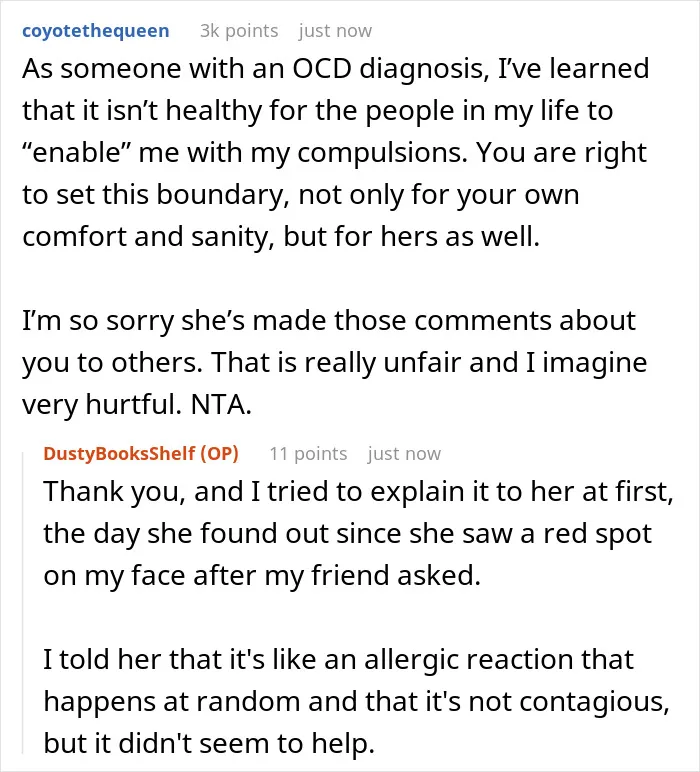
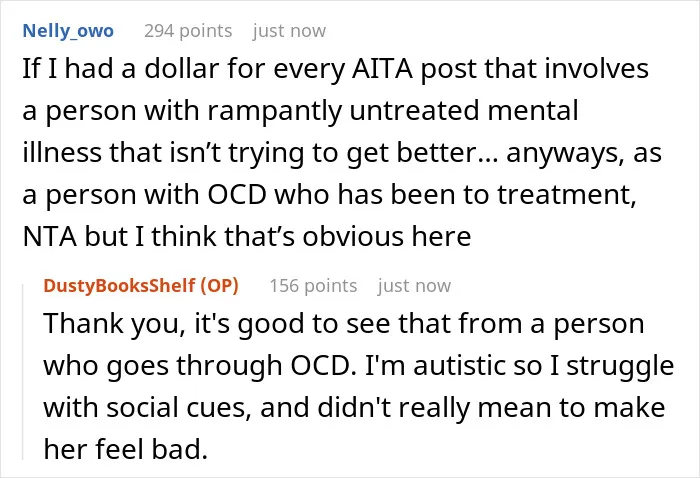
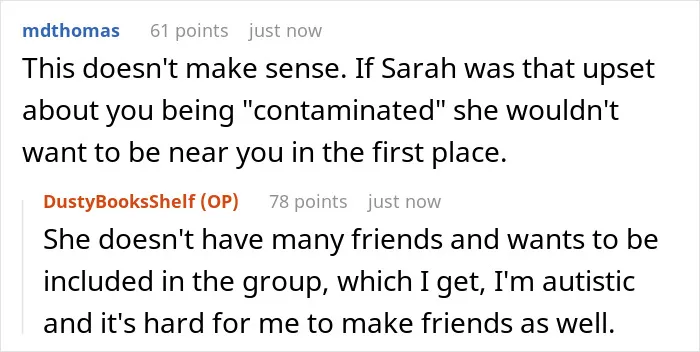
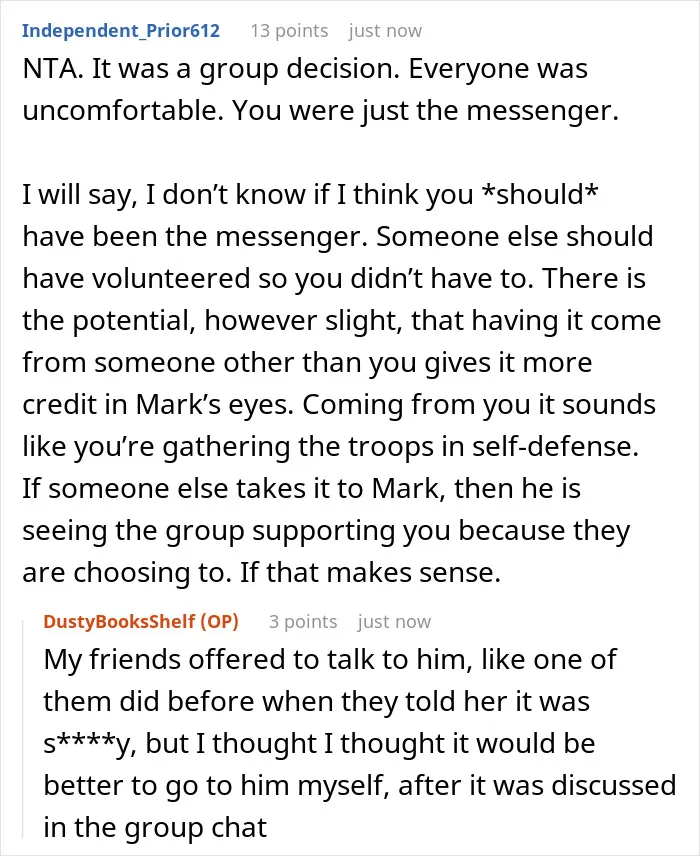
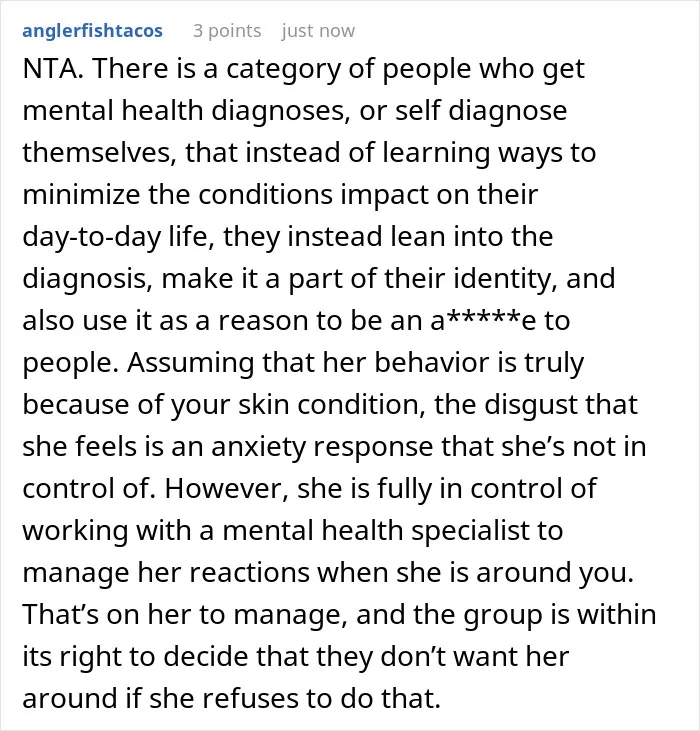
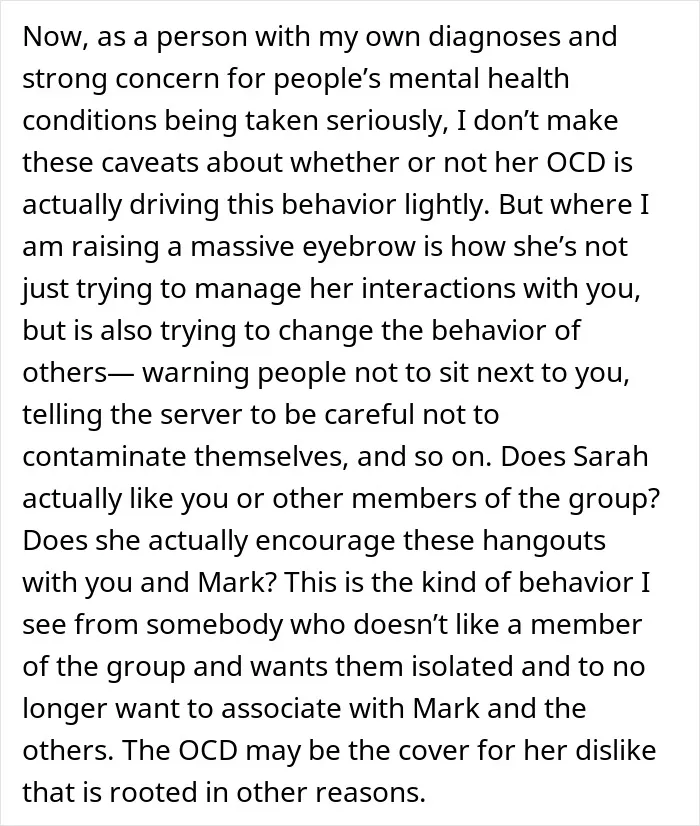

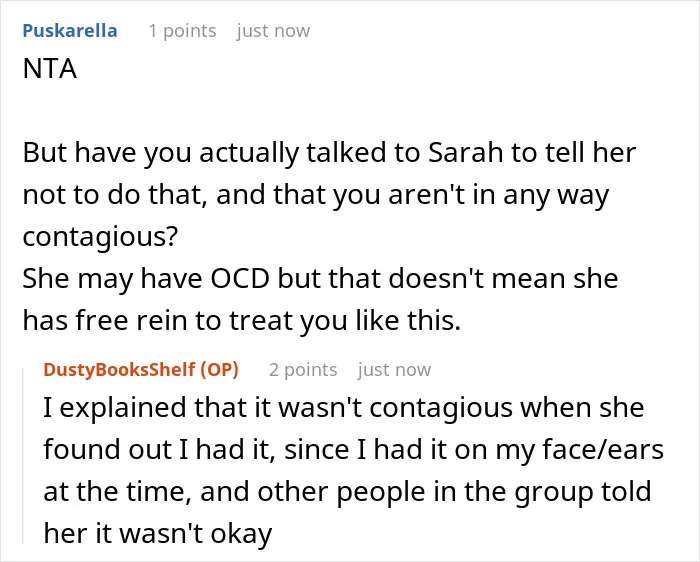


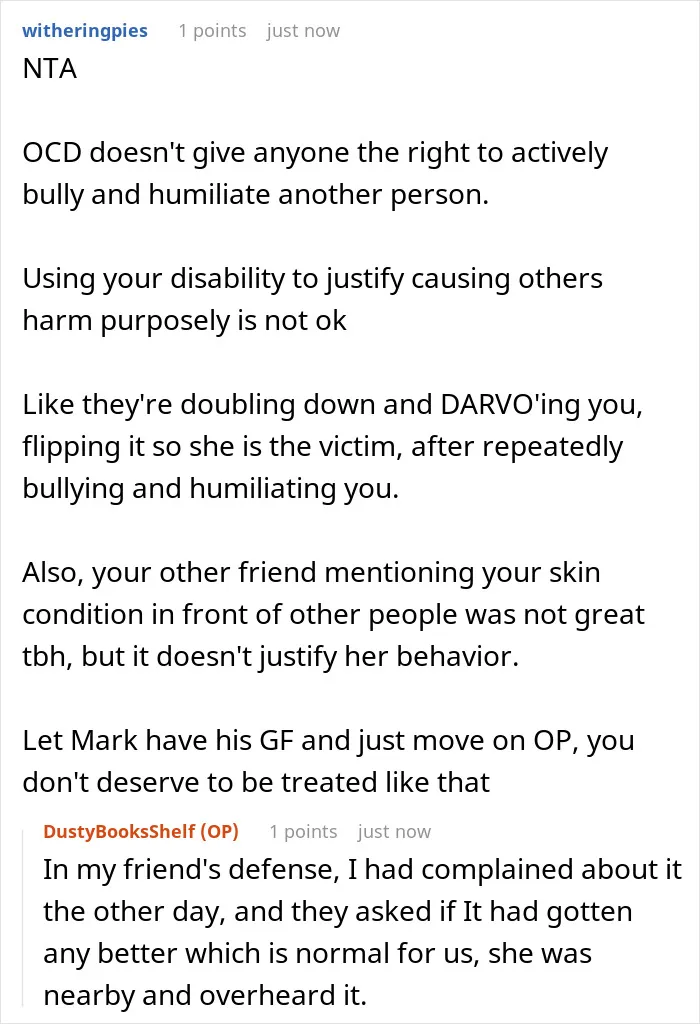

Some readers thought the friends were completely justified in setting that boundary
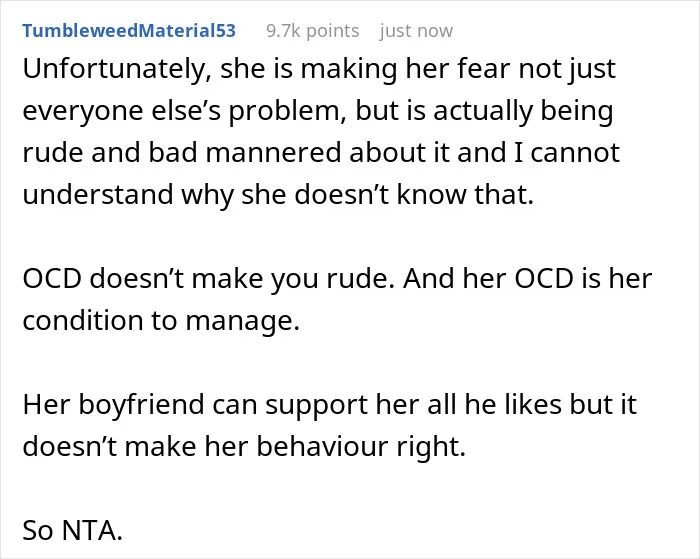

While others felt they could have communicated with the woman more carefully

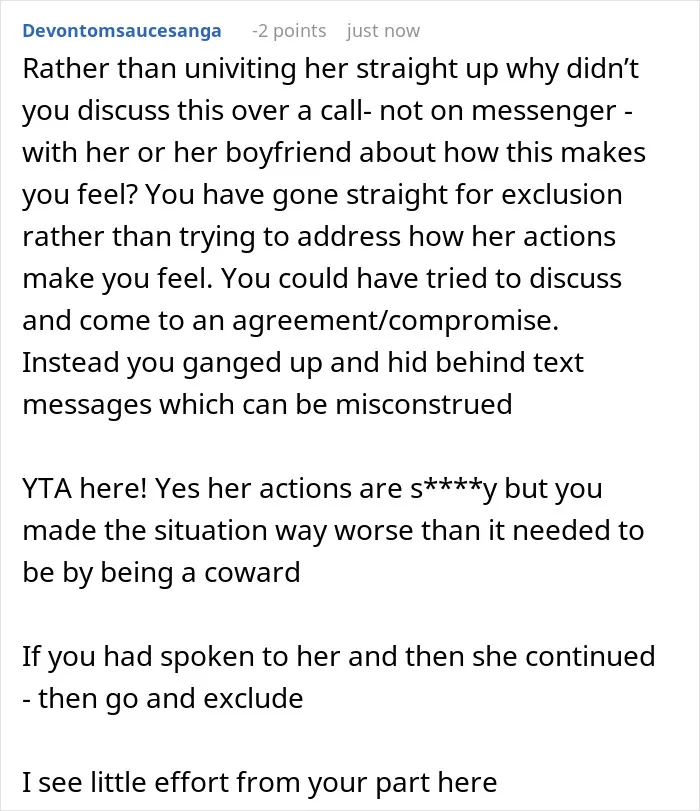
One person, meanwhile, thought everyone involved could have handled things better