





I don’t know if you have noticed or not, but there has been a recent tendency to show off how unusual, rare, or downright weird the music you listen to is. Spotify even has an entire service called Obscurify, a mainstream meter if you will, that determines the level of obscurity of your playlist. I personally think that whether you listen to the most mainstream music possible or to something that probably only you and the artist themselves know about, this says nothing about the quality of your music taste (tell me in the comments if you agree with this).
Moreover, my music taste has been developing throughout my life, expanding, adding new artists and genres, but also sometimes stopping listening to some music. I am sure everyone who has ever listened to music can relate to this. Besides, very often, what we label as weird music genres are just not well-known in our part of the world but pretty popular and common somewhere else.
So, if you are looking for some new music genres to add to your playlist, check out the rare or even obscure music genres we collected for this article. Have you ever listened to any of these? I’d really recommend giving a try to all of them and seeing which ones happen to be to your liking. Of course, share this article with your music-loving friends, and if you know other lesser-known music genres, recommend them in the comments.
#21 Nintendocore
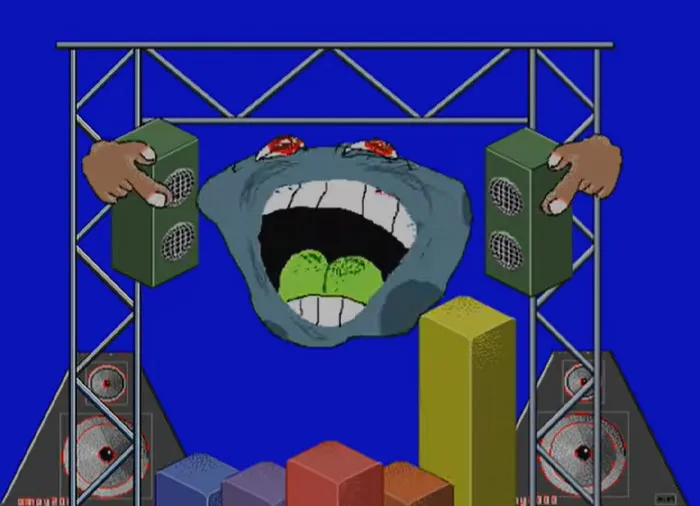
If you have ever played Nintendo, you will recognize its very specific music and sound effects wherever you go. Yet, Nintendocore is more than that. Combining retro video game music with chiptune, adding hardcore punk and heavy metal, it first appeared in the early 2000s.
Report
8points
#22 Zouk
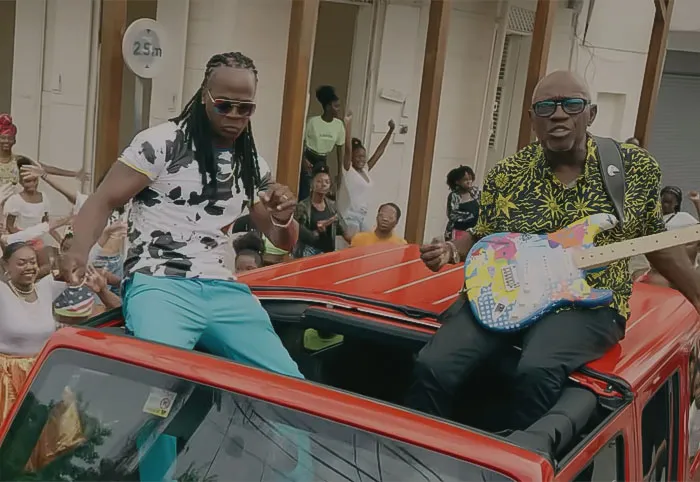
Born in the street carnivals of Guadeloupe and Martinique in the early 1980s, zouk is full of tropical vibes and upbeat tempo. The most prominent names of the genre include Pierre-Edouard Decimus, George Decimus, Jacob Desvarieux, and the band Kassav’.
Report
8points
#23 Soca
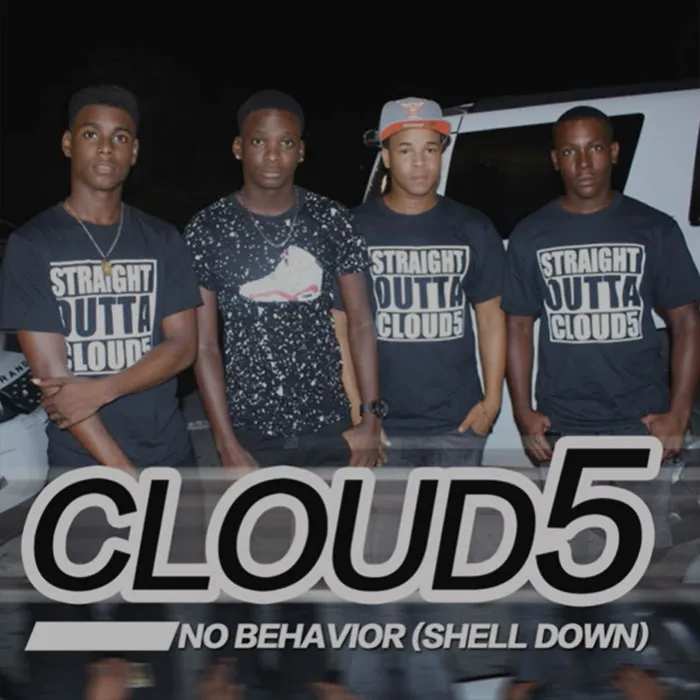
Taking its influences from soul, cadence, and funk, soca became exceedingly popular in Trinidad and Tobago, Saint Lucia, Guyana, and Barbados in the 1970s. If you listen to it, it will become very clear why this genre is often referred to as “the soul of calypso.”
Report
8points
#24 Chap Hop
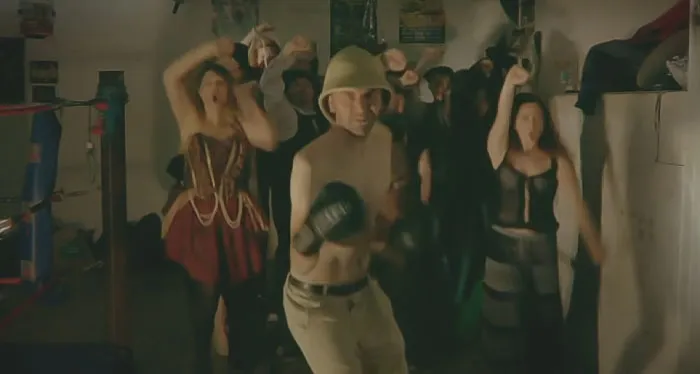
Chap Hop is a mixture of hip-hop, Chappism (a style established by the British humorous magazine The Chap), steampunk, and all things British (think tea, weather, and cricket). If this sounds like your cuppa, check out Professor Elemental and Mr. B The Gentleman Rhymer.
Report
7points
#25 Impossible Music — black Midi
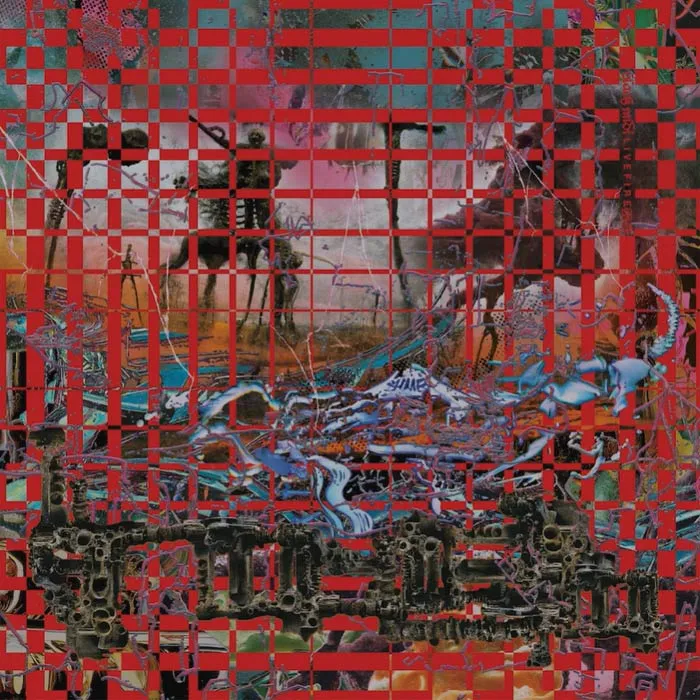
When playing music with electronic instruments or recording it through computers and other devices, musicians use MIDI files. A group of musicians took these files to create compositions that are said to be impossible to play by humans. A similar type of music emerged in 1947 when composer Conlon Nancarrow would punch holes in player piano rolls, thus creating complex musical pieces.
Report
7points
#26 Freakbeat
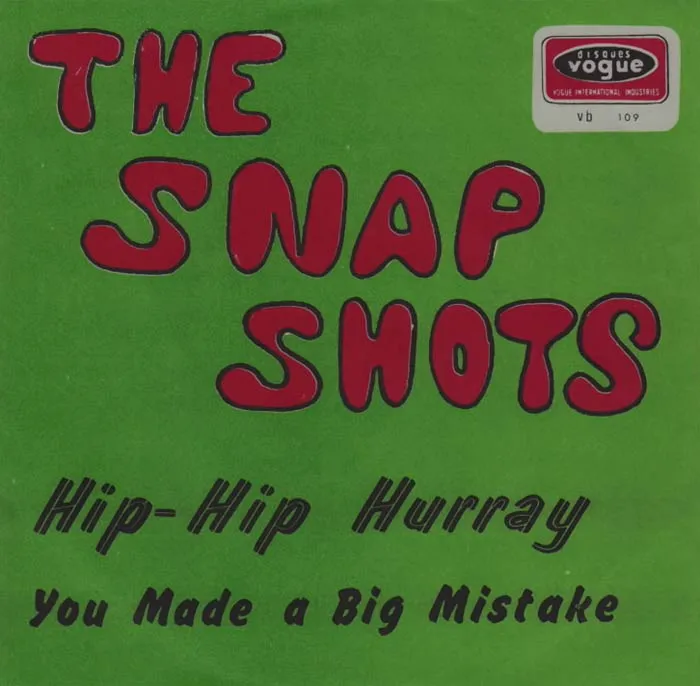
A lot of new genres and elements emerged in the 1960s, and freakbeat was one of them. Combining British rhythm & blues, pop rock, beat music, and psychedelia, freakbeat is often considered the British version of American garage and psychedelic rock.
Report
7points
#27 Lowercase
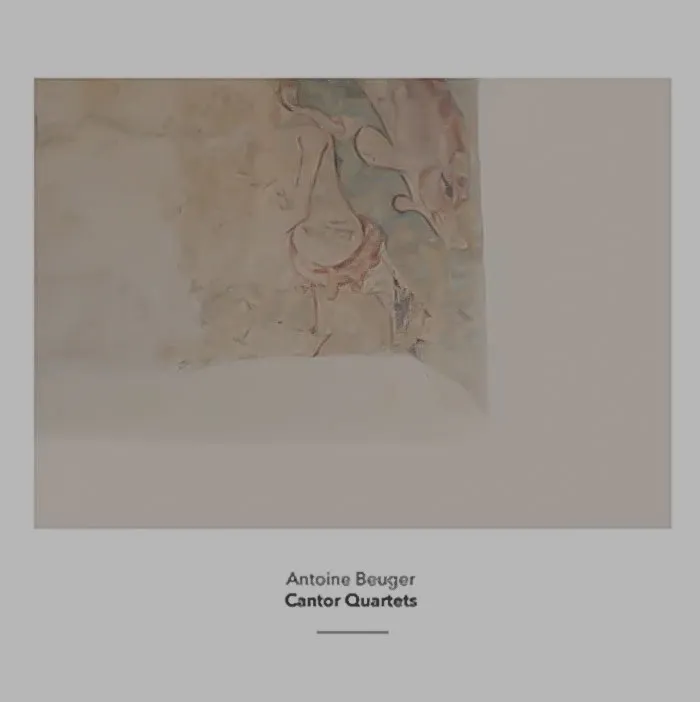
We’re not discussing typography here. In 2001, Steven Roden created a new style of ambient music that he called lowercase. One of the prominent examples is his album Forms of Paper, where he recorded various types of paper being handled, and then modified the sound in various ways.
Report
7points
#28 Folktronica
With electronic music being around since the late 1960s and folk music much longer, it was inevitable that one day someone would try to merge them. They may sound mutually exclusive, but folktronica often employs acoustic instruments.
Report
7points
#29 Hypnagogic Pop
In science, the term hypnagogic defines a state you are in just before you fall asleep. That said, hypnagogic pop doesn’t mean you have to listen to it before bed. This name was created by UK journalist David Keenan for bands who slowed down, looped and heavily affected sounds from the 1980s, creating a dreamlike psychedelia.
Report
7points
#30 Skweee
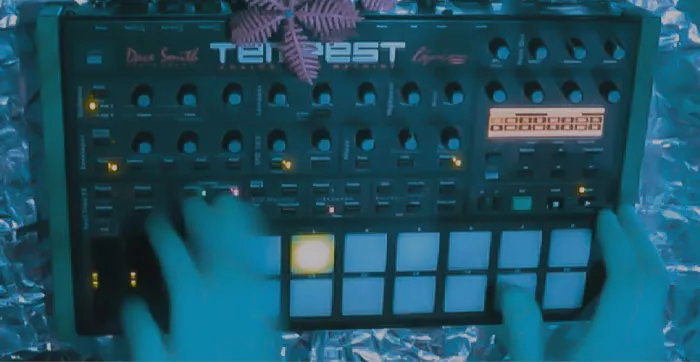
Originating from Sweden and Finland, skweee is mostly instrumental and combines synth leads and funk and soul-sounding rhythms. The name implies that when you play skweee, you try to “squeeze out” the grooviest sound possible. It is also believed to have had a huge influence on the birth of dubstep.
Report
7points
#31 Gabber
![Image from 3 Steps Ahead - It's Delicious [Gabber][NL][1997] music video - three young man dancing outside](https://img.boredpanda.com/unsafe/rs:fit:3840:0/q:80/aHR0cHM6Ly9zdGF0aWMuYm9yZWRwYW5kYS5jb20vYmxvZy93cC1jb250ZW50L3VwbG9hZHMvMjAyMy8wNS9vYnNjdXJlLW11c2ljLWdlbnJlcy0yNy02NDViNjMyOTQ1YzZlX183MDAuanBn.webp)
If you thought hardcore techno was heavy, welcome to gabber. It was created in the Netherlands in the 1990s in protest against overly pop-based techno music. Starting out as an underground, anti-establishment genre, gabber continuously works to stay as non-mainstream as possible.
Report
7points
#32 Straight Edge Punk
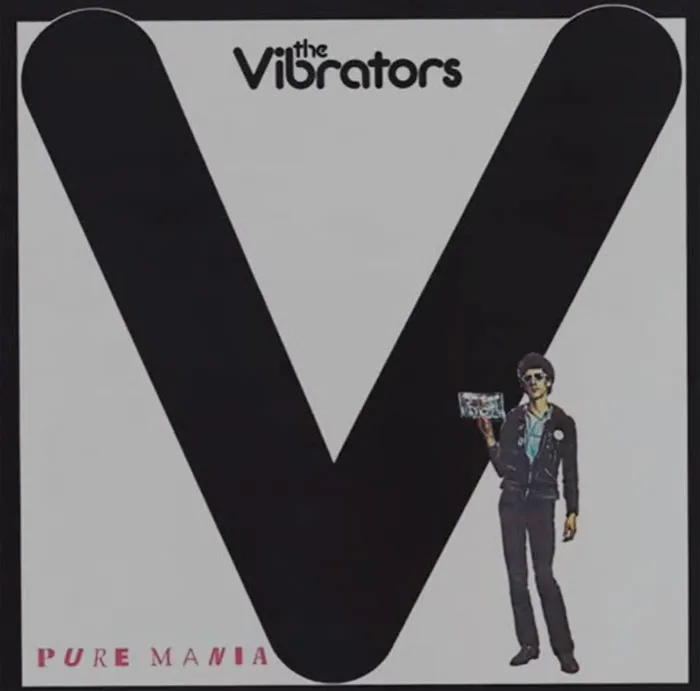
Hardcore punk was well known for its excesses back in the ’80s. Opposing this, straight edge punk, taking its name from a punk song, came to exist. Fans and followers would abstain from alcohol and recreational drugs, and some even would maintain a strict vegan diet and refrain from caffeine. However, they were often seen as pretentious by traditional punks.
Report
7points
#33 Solipsynthm
Even Spotify labels this genre as “solo laptop experimentalists,” and it doesn’t get more hipster than that. Those who have tried this genre single out an artist named Mystery Skulls.
Report
7points
#34 Neurofunk
The easiest way to describe neurofunk is drum and bass. Emerging in London in the late ’90s, this genre is, in fact, much more than that. Breakbeats to backbeats, influences that include house, techno, and jazz, but also a hard funk foundation, it is a pretty complex and inexplicable genre.
Report
7points
#35 Screamo
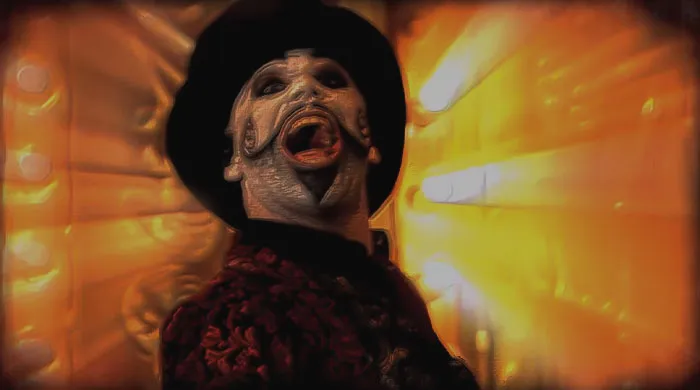
Screamo, or skramz, might be a subgenre of emo, but unlike the former’s expressive lyrics, it goes deeper into emotional pain and human rights. Sound-wise, screamo is heavily inspired by hardcore punk.
Report
7points
#36 Qawwali
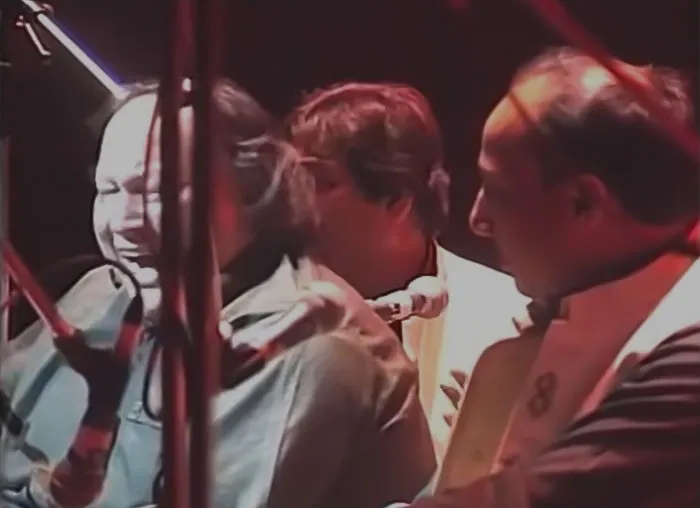
Qawwali is largely popular in India, Pakistan, and some other South Asian countries; however, not many have heard about it in the West. It has been around for over 700 years. With a complex lyrical component that often has layers of meaning, this devotional music is devoted to the mysticism of Islam.
Report
7points
#37 Soukous
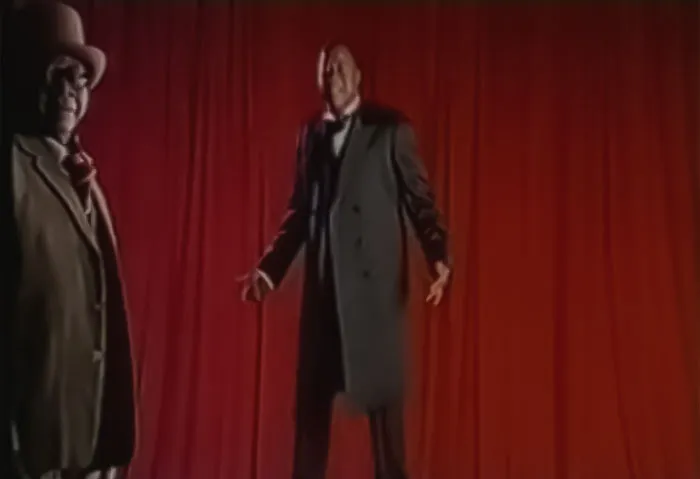
Soukous emerged in the 1960s as dance music in the Congo Basin. Its high tempo, somewhat resembling rumba, helped it grow in popularity. During the 1980s, soukous reached France where it also became very popular.
Report
7points
#38 Drone
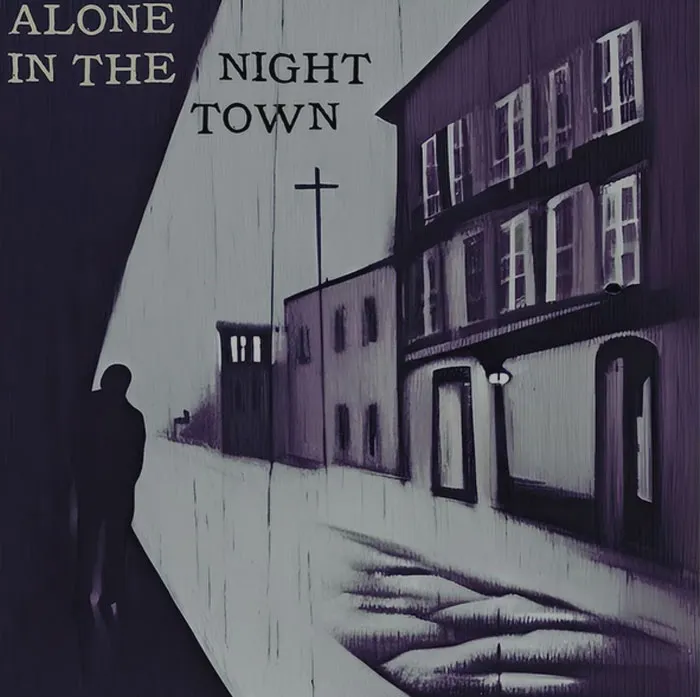
No, not the filming device. Drone is best described as a harmonic or monophonic effect or accompaniment, with one note or chord sounding constantly. Drone also claims to let dopamine flow through you when you listen to it. This style comes with multiple subgenres such as drone ambient, drone techno, and drone metal.
Report
6points
#39 Glitch Hop
A lot of music genres owe their existence to hip-hop, and glitch hop is one of them. It includes beat repeats, lo-fi sound, chopping, and other glitch techniques, as well as elements of hip-hop.
Report
6points
#40 Cloud Rap
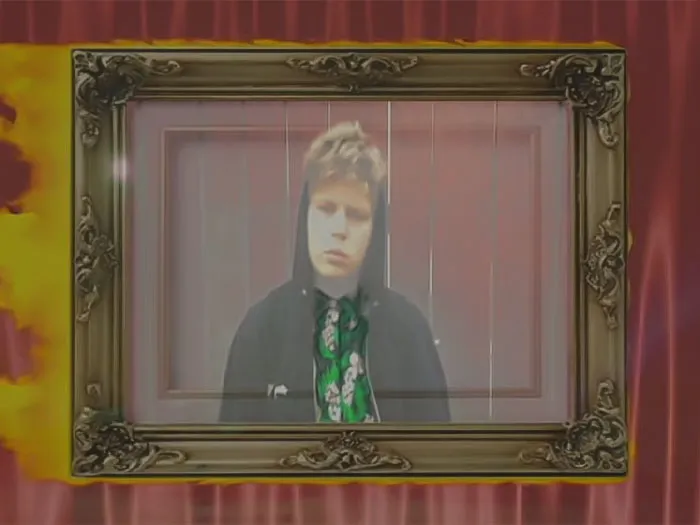
Rapper Lil B is often credited for the birth of this genre. Commonly, it includes atmospheric, ambient synthesizers with the lyrics rapped on top of it. Later, Yung Lean added a trap beat to the sound, giving it a whole new feel.
Report
6points


