




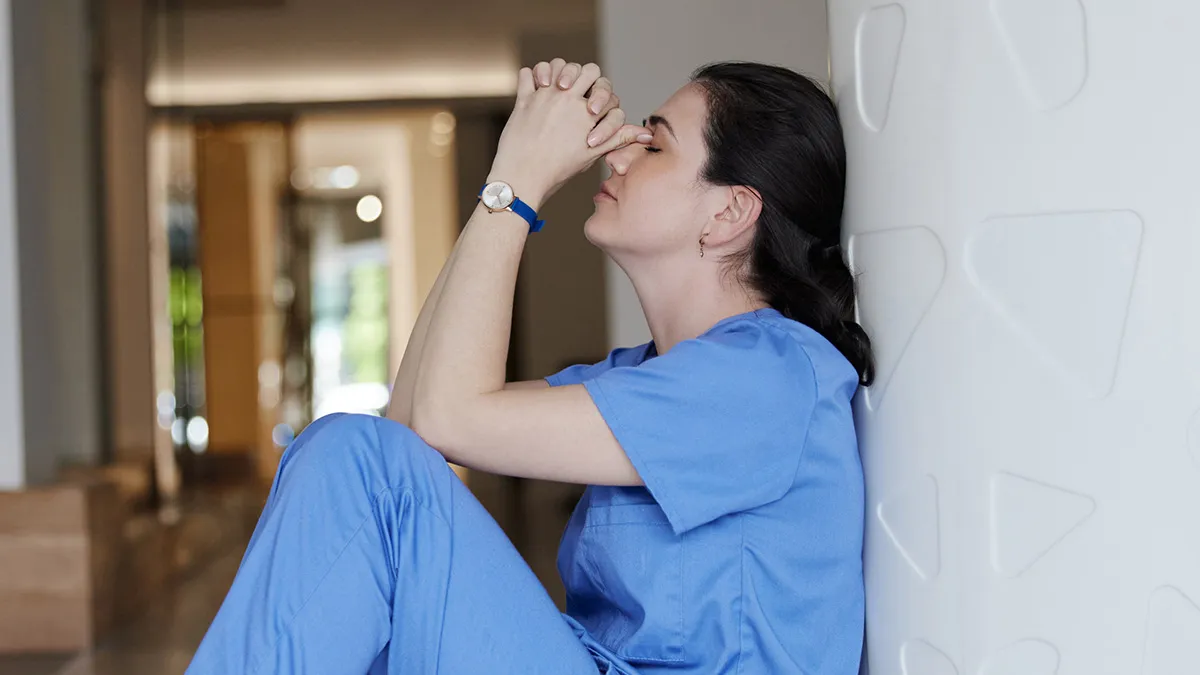


Doctors and nurses are trained to be calm under pressure and keep their cool when lives are on the line. They witness pain, suffering and lives cut short, often on a daily basis. And when the shift is done, many are expected to go home to their own families with their emotions intact.
But even the most seasoned medical professionals have experienced cases that cut through the clinical detachment like a hot knife through butter: haunting and heartbreaking scenes and stories that will live with them for the rest of their lives.
Perhaps it's a "what if?" or a diagnosis that came way too late for an innocent, little girl. Maybe it involves the emotional weight of hearing a mother's blood-curdling screams after being told that both her twins didn't make it. It could be the sadness of witnessing an elderly person passing away with no one at their side. The helplessness that lingers long after the room is empty. Whatever the reason, doctors and nurses are left with emotional wounds that can't just be stitched up quickly in surgery.
Someone recently asked medical professionals, "What is the one case from your career that still haunts you to this day?" and some of the replies might leave you heartbroken. Others could send chills down your spine.
Bored Panda has put together a list of the top stories for you to scroll through while you ponder your own immortality. We also explore how nurses and doctors cope with the daily trauma that they face. You'll find that info between the images.
#41
70 something old patient had a craniotomy (removed a part of the skull to relieve pressure on the brain) from an Intracranial hemorrhage.
Sometimes they have to be left out for a long time, to let the swelling go down. Usually people have to wear helmets because the brain is essentially exposed underneath the skin (no bone) until the bone is replaced.
Well, this patient got into a disagreement with their doctor over something and decided not to return to the hospital to get the bone replaced.
For 4 years.
This stubborn "just rub some dirt on it" "I'm fine I don't need no doctor tellin me what to do" person just decided to live 4 years doing God knows what without part of their skull because they disagreed with their doctor.
By the time they came back in to the hospital, it was too late and there had been too much infection/ damage to the residual skin and bone that none of the surgeons would touch it.
TLDR; LISTEN TO YOUR NERUOSURGEONS! !
Sometimes they have to be left out for a long time, to let the swelling go down. Usually people have to wear helmets because the brain is essentially exposed underneath the skin (no bone) until the bone is replaced.
Well, this patient got into a disagreement with their doctor over something and decided not to return to the hospital to get the bone replaced.
For 4 years.
This stubborn "just rub some dirt on it" "I'm fine I don't need no doctor tellin me what to do" person just decided to live 4 years doing God knows what without part of their skull because they disagreed with their doctor.
By the time they came back in to the hospital, it was too late and there had been too much infection/ damage to the residual skin and bone that none of the surgeons would touch it.
TLDR; LISTEN TO YOUR NERUOSURGEONS! !
Report
32points
#42
I'm a psychologist so I don't know if I count for what you're looking for but I actually have a Psy D so I'm definitely a doctor.
During my residency we had a frequent flyer on the ward. It seemed like she came in every few weeks on average. She had pretty bad paranoid delusions and the medication would help but then she'd stop taking it. It was a pretty vicious cycle TBH. She needed full-time hospitalization in my opinion but it wasn't my call. I realized that I hadn't seen her on the ward in a few months towards the end of my residency and I asked the nurses about her. It turns out her delusions had gotten the better of her and she'd st*bbed her mom and little sister before harming herself. Both survived but she didn't survive her self inflicted injuries.
I've always felt like if I'd pushed harder for her to be committed a little harder than I did that she might still be alive and we could've avoided the whole st*bbing her mom and sister situation. I know that I wasn't in a position of power here, I was just a resident, but I feel like I should've pushed harder.
***Edit*** I'm humbled by the traction this has gotten and fascinated by where the discussion in the comments is going to go.
During my residency we had a frequent flyer on the ward. It seemed like she came in every few weeks on average. She had pretty bad paranoid delusions and the medication would help but then she'd stop taking it. It was a pretty vicious cycle TBH. She needed full-time hospitalization in my opinion but it wasn't my call. I realized that I hadn't seen her on the ward in a few months towards the end of my residency and I asked the nurses about her. It turns out her delusions had gotten the better of her and she'd st*bbed her mom and little sister before harming herself. Both survived but she didn't survive her self inflicted injuries.
I've always felt like if I'd pushed harder for her to be committed a little harder than I did that she might still be alive and we could've avoided the whole st*bbing her mom and sister situation. I know that I wasn't in a position of power here, I was just a resident, but I feel like I should've pushed harder.
***Edit*** I'm humbled by the traction this has gotten and fascinated by where the discussion in the comments is going to go.
Report
32points
#43
I’m a Peds Emergency Medicine doc. We see…a lot. Child a***e. Horrible accidents. Cruel diseases. Stupid decisions leading to life altering consequences. The worst are just senseless d**ths that shouldn’t have happened, but did.
I had a young teen brought in by ambulance in full cardiac arrest. She was in gym class, and had some trouble breathing. She had wheezed once as a child, but hadn’t used an inhaler in well over a decade. She was an athlete, in amazing physical shape. The school called an ambulance and she was struggling to breath when they arrived. Lights and sirens en route to the ED, but before they arrived, she vomited and then aspirated (breathed the vomit back in) and her heart stopped. CPR in progress on arrival. My resident doctor intubated her (breathing tube), and the ET tube just filled up with vomit. We did everything, and her heart just never moved. I will never forget the look on the resident’s face when he asked me if there was anything else we could do. There wasn’t. She died. A completely healthy teenager with zero medical issues kissed her family goodbye one morning and they next saw her dead on a ED stretcher.
I had a young teen brought in by ambulance in full cardiac arrest. She was in gym class, and had some trouble breathing. She had wheezed once as a child, but hadn’t used an inhaler in well over a decade. She was an athlete, in amazing physical shape. The school called an ambulance and she was struggling to breath when they arrived. Lights and sirens en route to the ED, but before they arrived, she vomited and then aspirated (breathed the vomit back in) and her heart stopped. CPR in progress on arrival. My resident doctor intubated her (breathing tube), and the ET tube just filled up with vomit. We did everything, and her heart just never moved. I will never forget the look on the resident’s face when he asked me if there was anything else we could do. There wasn’t. She died. A completely healthy teenager with zero medical issues kissed her family goodbye one morning and they next saw her dead on a ED stretcher.
Report
31points
#44
Car wreck, ejected from the vehicle. I’m at the head of the bed in my trauma gear anticipating putting a tube down his throat when EMS arrives. Smells like gasoline but otherwise not a scratch on him. I’m the one talking to him.
“Hey man, tons of things going on all at once. Stay calm and answer me. What’s your name?”
“I CAN’T BREATHE”
Announce to the room that airway is intact. Listen to his lungs and they’re clear and good on both sides. Announce his breathing is intact. Other members of the team are doing the rest of the very unremarkable assessment.
“I CAN’T BREATHE! I CAN’T BREATHE!”
Ultrasound of his abdomen looking for internal bleeding looks fine. Can’t get a good look at his heart.
His eyes roll back and his heart slows down quickly. Not good. He codes, compressions start, I tube him and get him on the ventilator. Trauma surgeon slices the guy wide open and identifies the problem - the right side of his heart was ruptured open by the blunt force of the wreck. Not survivable. The ultrasound has gone on the heart first ever since. Needle decompression wouldn’t have made a difference in his case, but it might on the next one.
Wear a seatbelt.
“Hey man, tons of things going on all at once. Stay calm and answer me. What’s your name?”
“I CAN’T BREATHE”
Announce to the room that airway is intact. Listen to his lungs and they’re clear and good on both sides. Announce his breathing is intact. Other members of the team are doing the rest of the very unremarkable assessment.
“I CAN’T BREATHE! I CAN’T BREATHE!”
Ultrasound of his abdomen looking for internal bleeding looks fine. Can’t get a good look at his heart.
His eyes roll back and his heart slows down quickly. Not good. He codes, compressions start, I tube him and get him on the ventilator. Trauma surgeon slices the guy wide open and identifies the problem - the right side of his heart was ruptured open by the blunt force of the wreck. Not survivable. The ultrasound has gone on the heart first ever since. Needle decompression wouldn’t have made a difference in his case, but it might on the next one.
Wear a seatbelt.
Report
31points
#45
Pressure injury on a neglected person. The family was supposedly caring for this person at home. The pressure injury was so deep and horrible that you could see the lower spine and hardware attached to the spine from previous spinal surgeries. The wound smelled like d**th. Person d**d.
Report
28points
#46
Nurse here.
I work hospice and it can be very hard sometimes but mostly I love it. I have 2 patients that I will never forget.
1st was a 29 years old with breast cancer that had spread everywhere. She had multiple young kids and at the time I was 2 years younger than her. I got to know her well and help her prepare her kids for what is happening. I was an emotional wreck each day. Her last few days she was terrified. I ended up staying with her for 8 hours a days to help maintain her anxiety and pain. The last day she was so calm and I was able to leave the house earlier. I felt guilty because her case was really f*****g with me head so I wanted to leave to get a mental break. I had only been gone for an hour before I got a call from her mother and I will never forget the sounds I heard. The patient was screaming out that she doesn't want to go yet and her mother was begging me to come back. I sped back to her house, but she passed before I got there. And she looked so scared. This one hurt me the most because my job is to make d**th a peaceful, dignified thing. Her family watched her scream and bash around while she took her last breaths. I will never forget this.
2nd was a patient who was the absolute sweetest. He had cerebral palsy and had a lot of developmental delays. He didn't have a full time caregiver but we were working with social workers to get some more help in the house. He was thriving with the new caregivers helping him and was actually potentially going to get discharged from hospice because he was no longer declining. I remember getting the call from his new caregiver that when she got to the house that morning he was dead. It was most likely a stroke. But when I got there to start the d**th pronouncement and postmortem care, he looked off. Like his skin felt different. I went to turn his body to bathe the backside and all of his skin stayed behind on the bed. From his head down to the back of his feet. I cannot get the image out of my head of his completely skinned back. I have never seen that before or since.
I have so many more from my ICU days and my labor and delivery days but those are the two that stick with me the most.
I work hospice and it can be very hard sometimes but mostly I love it. I have 2 patients that I will never forget.
1st was a 29 years old with breast cancer that had spread everywhere. She had multiple young kids and at the time I was 2 years younger than her. I got to know her well and help her prepare her kids for what is happening. I was an emotional wreck each day. Her last few days she was terrified. I ended up staying with her for 8 hours a days to help maintain her anxiety and pain. The last day she was so calm and I was able to leave the house earlier. I felt guilty because her case was really f*****g with me head so I wanted to leave to get a mental break. I had only been gone for an hour before I got a call from her mother and I will never forget the sounds I heard. The patient was screaming out that she doesn't want to go yet and her mother was begging me to come back. I sped back to her house, but she passed before I got there. And she looked so scared. This one hurt me the most because my job is to make d**th a peaceful, dignified thing. Her family watched her scream and bash around while she took her last breaths. I will never forget this.
2nd was a patient who was the absolute sweetest. He had cerebral palsy and had a lot of developmental delays. He didn't have a full time caregiver but we were working with social workers to get some more help in the house. He was thriving with the new caregivers helping him and was actually potentially going to get discharged from hospice because he was no longer declining. I remember getting the call from his new caregiver that when she got to the house that morning he was dead. It was most likely a stroke. But when I got there to start the d**th pronouncement and postmortem care, he looked off. Like his skin felt different. I went to turn his body to bathe the backside and all of his skin stayed behind on the bed. From his head down to the back of his feet. I cannot get the image out of my head of his completely skinned back. I have never seen that before or since.
I have so many more from my ICU days and my labor and delivery days but those are the two that stick with me the most.
Report
26points
#47
I’m an ER doctor. I once took care of a 40-something year old who came in to the ED after suffering a cardiac arrest. Per EMS, he was BBQ in his backyard with his family and kids and then just collapsed. I ran that code for over an hour without success. Had to talk to his wife and young kids that we couldn’t bring him back. He had no medical history. Not sure what the original cause was.
The traumas and freak accidents don’t really haunt me. It’s the sudden unexpected tragedies that do.
The traumas and freak accidents don’t really haunt me. It’s the sudden unexpected tragedies that do.
Report
26points
#48
Obligatory not a doctor, but.
I work in mental health and before my current job I was in an inpatient unit. Once a month we had a barbecue for patients and staff, it's usually a really fun day because it's something different and breaks up the monotony. I was in the client kitchen handing out food along with a few other staff members when a patient came in to grab his juice out of the fridge. He was not a big talker, possibly due to his schizophrenia and autism diagnosis, so when he didn't say anything that wasn't a cause for concern. Suddenly he starts shuffling and it's like he got stuck in the fridge. My workmates go to help him manoeuvre out of the fridge when suddenly he turned blue and collapsed. That's when we realised he was choking. I remember making the call for the emergency team and slamming my duress. Our nurses and doctors were so wonderful and responded so quickly, but unfortunately the food was too impacted and too far down his throat for them to save him. He died on the floor of our tiny kitchen that I used to bake cookies and cupcakes with patients.
I had done so much work in supervision and therapy because I was getting a lot of intrusive thoughts about witnessing someone self-harming or trying to s*****e. I did not prepare to watch someone choke to d**th on a sausage in a bun. I think about his nana and how she would visit most days even though she was 82. She held so much hope for his recovery from his recent decline. I found out he had a daughter who had never met him. He was only a couple of years older than me, not even 40 yet. Even though I'm not medical the what ifs haunted me for a while. Not an experience I'm in a hurry to repeat.
I work in mental health and before my current job I was in an inpatient unit. Once a month we had a barbecue for patients and staff, it's usually a really fun day because it's something different and breaks up the monotony. I was in the client kitchen handing out food along with a few other staff members when a patient came in to grab his juice out of the fridge. He was not a big talker, possibly due to his schizophrenia and autism diagnosis, so when he didn't say anything that wasn't a cause for concern. Suddenly he starts shuffling and it's like he got stuck in the fridge. My workmates go to help him manoeuvre out of the fridge when suddenly he turned blue and collapsed. That's when we realised he was choking. I remember making the call for the emergency team and slamming my duress. Our nurses and doctors were so wonderful and responded so quickly, but unfortunately the food was too impacted and too far down his throat for them to save him. He died on the floor of our tiny kitchen that I used to bake cookies and cupcakes with patients.
I had done so much work in supervision and therapy because I was getting a lot of intrusive thoughts about witnessing someone self-harming or trying to s*****e. I did not prepare to watch someone choke to d**th on a sausage in a bun. I think about his nana and how she would visit most days even though she was 82. She held so much hope for his recovery from his recent decline. I found out he had a daughter who had never met him. He was only a couple of years older than me, not even 40 yet. Even though I'm not medical the what ifs haunted me for a while. Not an experience I'm in a hurry to repeat.
Report
26points
#49
This isn't a haunting, but more of a serious reality check. I am a pathologist so I routinely see the absolute worst that nature and humans can do to the human body and have been, in many cases, desensitized because I've seen so much.
Perhaps physicians aren't the best way to relate to the public on this question. I've seen virtually every single way humans can die- s***ides, burns, electrocution, plane crashes, m*rder, russian-roulette, and even bee stings.
In the hospital I routinely slice into organs that were once part of the original whole of the person. Sometimes horrifically so: eyes, jaws, genitals, etc.
I'm reminded of a forensic pathologist who was giving a press conference during Sandy Hook and was asked a question to the effect if it was the "worst" he has ever seen. His response may have seemed cold but I agreed. As I recall, he very carefully stated that he did not have the same sensibilities as most people, but having said that, yes, it's a fairly notable crime. It's not a complete psychological split, but these are people literally elbow deep in humans daily.
So none of it is the "worst" to me. They are all bad.
A couple things I can reflect about this that do psychologically trouble me though, which maybe is more idiosyncratic.
We don't often see patients face to face, we see biopsy material and make diagnoses.
I don't usually have a problem making life altering diagnoses. However, sometimes electronic medical records will have a small picture of the patient for identification purposes when the chart is pulled up.
I admit that, in certain cases I absolutely freeze and feel a great deal of sorrow when I see their picture putting a lively face the story. In that moment I know that they are forever changed and I probably know it before anyone else. It's awful enough feeling that I won't want to look at a photo if I can avoid it.
The other thing that really gets to me are any kind of amputation, particularly in young patients. Sometimes the legs come in with nail polish or tattoos and I begin to just get an awful feeling of how horribly unlucky they are and how b******t life is.
My two cents.
Perhaps physicians aren't the best way to relate to the public on this question. I've seen virtually every single way humans can die- s***ides, burns, electrocution, plane crashes, m*rder, russian-roulette, and even bee stings.
In the hospital I routinely slice into organs that were once part of the original whole of the person. Sometimes horrifically so: eyes, jaws, genitals, etc.
I'm reminded of a forensic pathologist who was giving a press conference during Sandy Hook and was asked a question to the effect if it was the "worst" he has ever seen. His response may have seemed cold but I agreed. As I recall, he very carefully stated that he did not have the same sensibilities as most people, but having said that, yes, it's a fairly notable crime. It's not a complete psychological split, but these are people literally elbow deep in humans daily.
So none of it is the "worst" to me. They are all bad.
A couple things I can reflect about this that do psychologically trouble me though, which maybe is more idiosyncratic.
We don't often see patients face to face, we see biopsy material and make diagnoses.
I don't usually have a problem making life altering diagnoses. However, sometimes electronic medical records will have a small picture of the patient for identification purposes when the chart is pulled up.
I admit that, in certain cases I absolutely freeze and feel a great deal of sorrow when I see their picture putting a lively face the story. In that moment I know that they are forever changed and I probably know it before anyone else. It's awful enough feeling that I won't want to look at a photo if I can avoid it.
The other thing that really gets to me are any kind of amputation, particularly in young patients. Sometimes the legs come in with nail polish or tattoos and I begin to just get an awful feeling of how horribly unlucky they are and how b******t life is.
My two cents.
Report
26points
#50
Nurse here. I had a patient who had fallen and landed chest down onto a fence. Multiple rib fractures, sternal fracture. Constant chest pain due to their injuries. They were supposed to discharge the next day.
They complained about the chest pain overnight, but it wasn’t anything new for them. They’ve been receiving narcotics because the pain had been ongoing and pretty severe at times. However, they mentioned feeling anxious overnight and restless, couldn’t sleep. Anxiety also wasn’t new for them though, per my report. I did my last round at 6:30am and they were finally asleep. I literally remember thinking, “look how peaceful they look”. and quietly left the room.
By 8am after I had left my shift they coded, and it was a bad one. A long code with chest tubes placed, loss of IV access during the code, multiple IOs, the whole thing. I woke up to return to work and someone had texted me. Young person with kids, gone like that. I felt the guilt of knowing I was the last one to spend 12 hours with them.
Makes me wonder if I investigated their anxiety more, questioned their chest pain harder, would it have made a difference. I don’t know.
They complained about the chest pain overnight, but it wasn’t anything new for them. They’ve been receiving narcotics because the pain had been ongoing and pretty severe at times. However, they mentioned feeling anxious overnight and restless, couldn’t sleep. Anxiety also wasn’t new for them though, per my report. I did my last round at 6:30am and they were finally asleep. I literally remember thinking, “look how peaceful they look”. and quietly left the room.
By 8am after I had left my shift they coded, and it was a bad one. A long code with chest tubes placed, loss of IV access during the code, multiple IOs, the whole thing. I woke up to return to work and someone had texted me. Young person with kids, gone like that. I felt the guilt of knowing I was the last one to spend 12 hours with them.
Makes me wonder if I investigated their anxiety more, questioned their chest pain harder, would it have made a difference. I don’t know.
Report
24points