

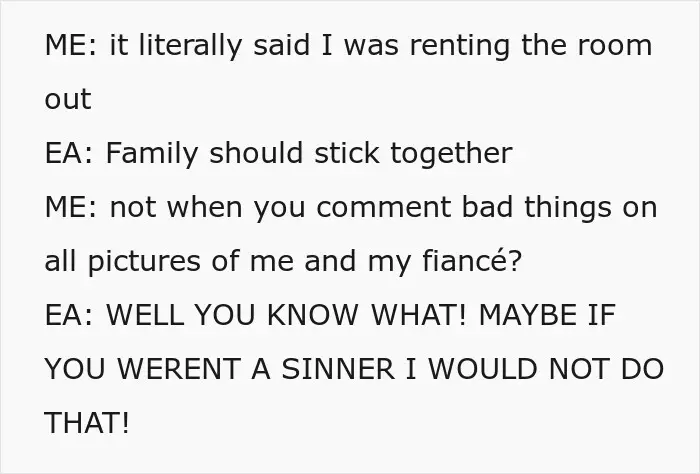
“Family should stick together.” Sound familiar, pandas? It's a lovely sentiment until a relative starts using it as an excuse to make unreasonable demands. Surely, sharing a family tree doesn't mean someone gets a free pass to disrespect you?
This post may include affiliate links.
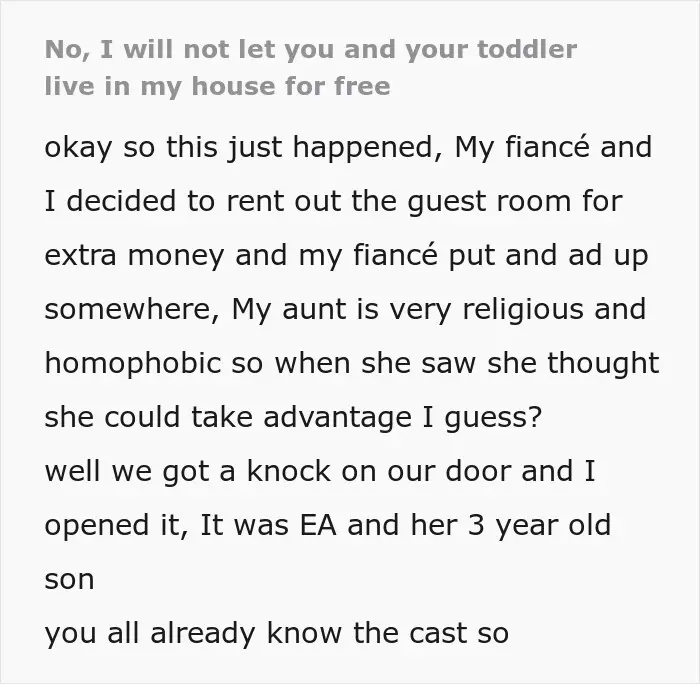
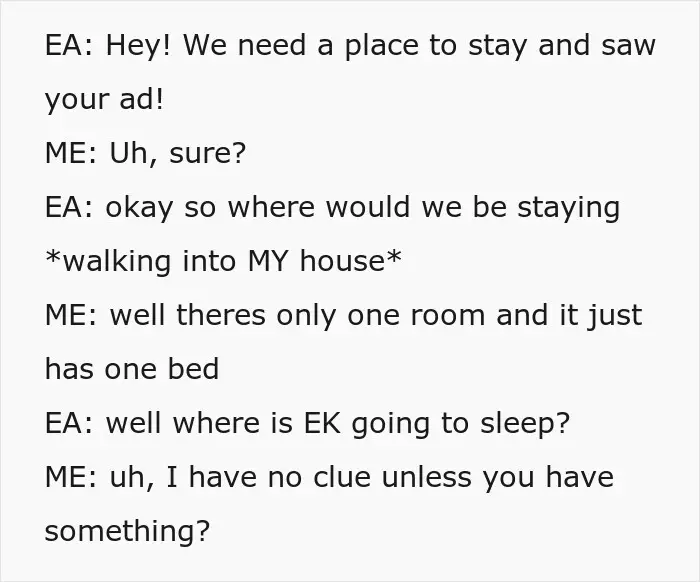
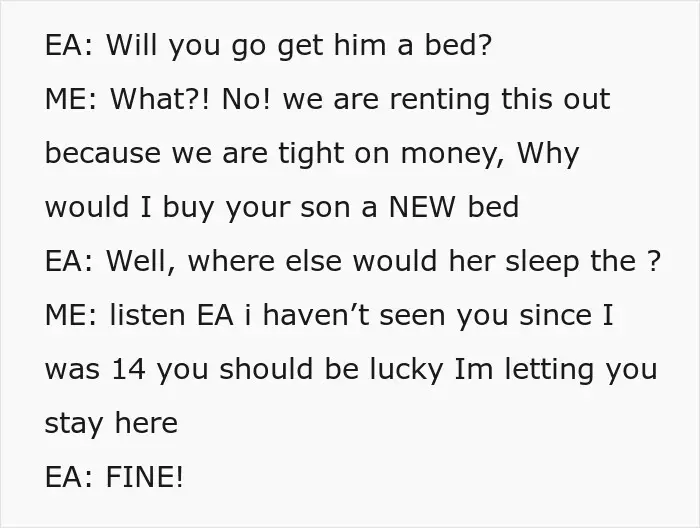
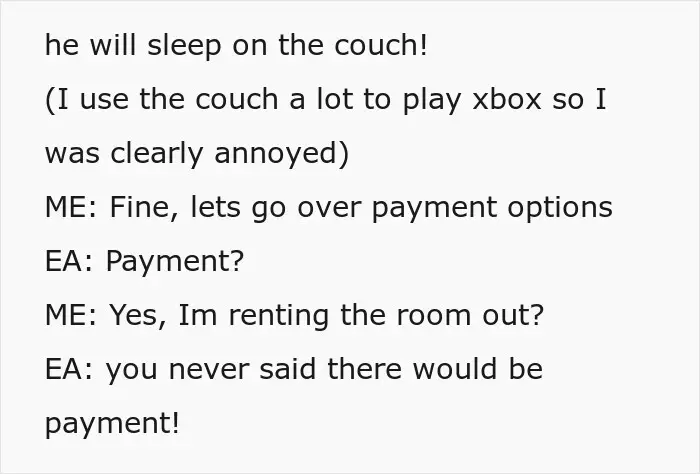
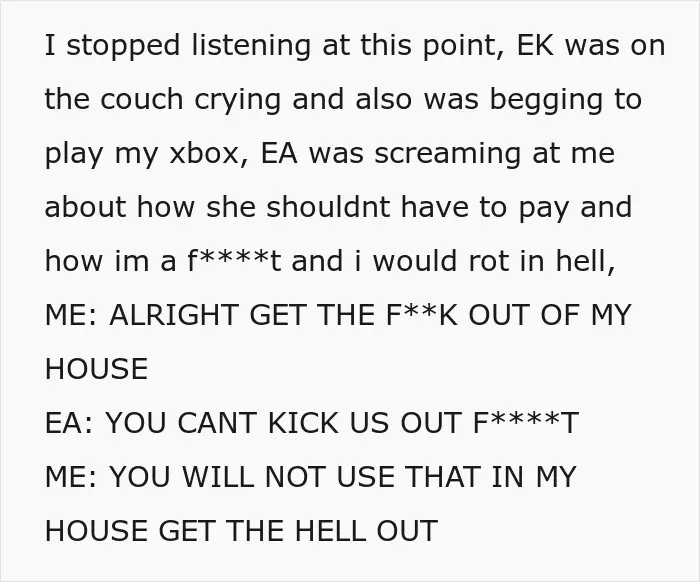
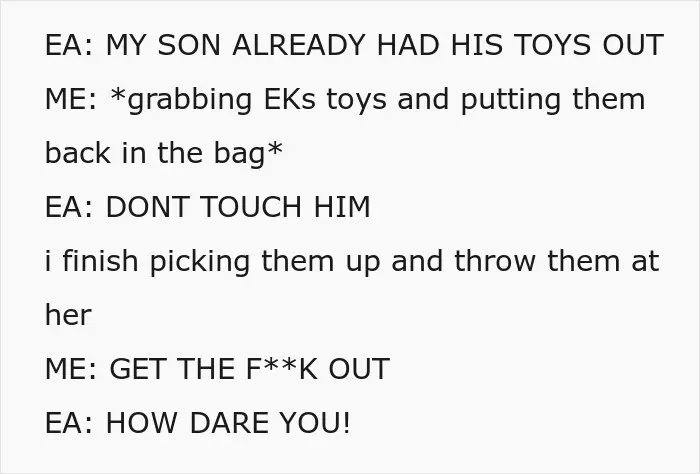
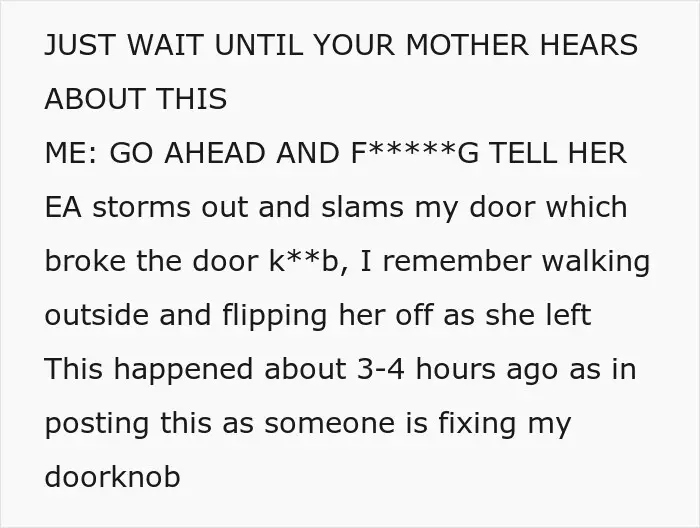
Take the case of this man, whose homophobic aunt turned up at his doorstep with her young son after learning that he and his fiancé were renting out their guest room. Apparently, she had her own ideas about what the rental arrangement should look like. Read on to find out how that conversation went!
Arguments with relatives can be particularly stressful and emotionally draining
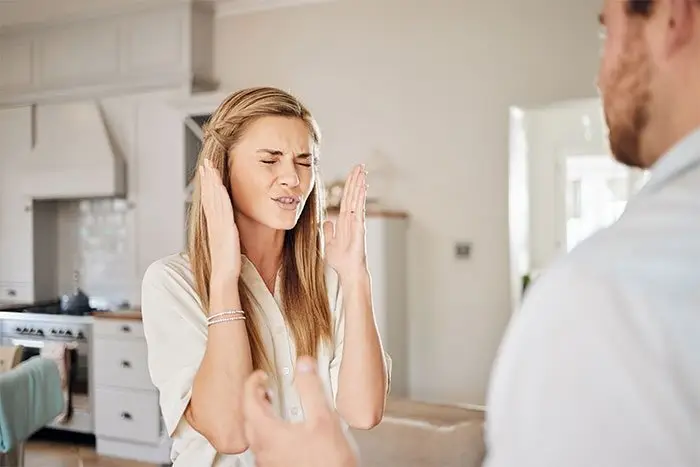
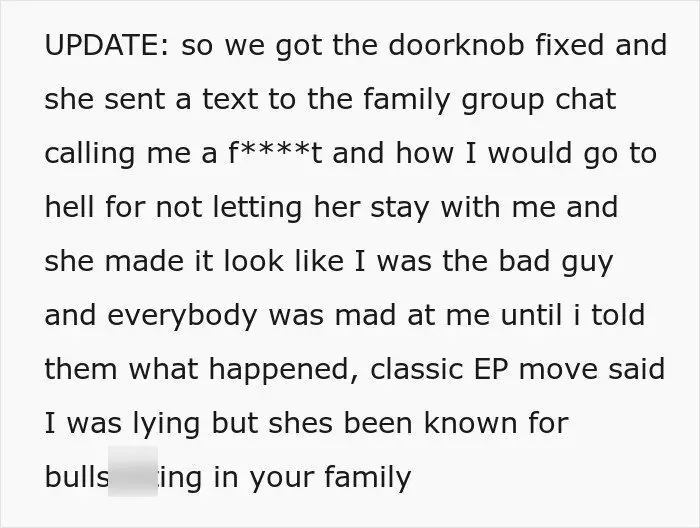
A man shared how his decision to rent out a spare room turned into a headache when his aunt showed up unannounced

Family estrangement is more common than many people might realize
“I'm never talking to you again!” How many of us have said this to a sibling after an argument, pandas? Only to walk into their room a few hours later and ask what they want for dinner. But for some people, years of unresolved family conflict eventually make those words a reality.
Karl Andrew Pillemer, a professor of human development at Cornell University, explains in a BBC piece that family estrangement differs from an ordinary disagreement. It involves significantly reducing or completely cutting off contact with a relative, often for an extended period.
And it's surprisingly common. A YouGov poll found that 38% of American adults were currently estranged from at least one family member. Meanwhile, findings from the British charity Stand Alone suggest that estrangement affects around one in five families in the UK. Yet, because of the guilt and stigma surrounding it, many people rarely discuss it openly.
But what makes someone decide they've had enough? Dr. Zena Burgess, former chief executive of the Australian Psychological Society, identifies several reasons, including longstanding conflicts, favoritism, alcohol misuse, and violence. Often, it's not one particular argument that ends the relationship. It's years of feeling criticized, dismissed, or disrespected.
Differences in beliefs and personal values can also create divisions within families
Growing up in the same household doesn't necessarily mean you'll share the same beliefs as adults. You might have different religious views, political opinions, or ideas about marriage and relationships. And while some families happily accept these differences, others struggle to do so.
Pillemer's research identifies conflicting values as an important contributor to family estrangement, particularly disagreements involving same-sex relationships, religion, and lifestyle choices.
Politics can be another sensitive subject. In the UK, an opinion poll found that around one in 10 people had fallen out with a relative over Brexit. Imagine losing a relationship with someone you've known your entire life because political disagreements became too personal.
Of course, walking away from family isn't always accompanied by a sense of relief. You might miss celebrating birthdays together, attending family dinners, or simply calling someone you once felt close to. It's possible to miss a relative while recognizing that maintaining a relationship with them is doing you more harm than good.
Ideally, our families should be the people we feel most comfortable being ourselves around. We don't have to agree on everything, but we should be able to respect one another's choices and differences. After all, feeling loved and accepted shouldn't come with conditions.
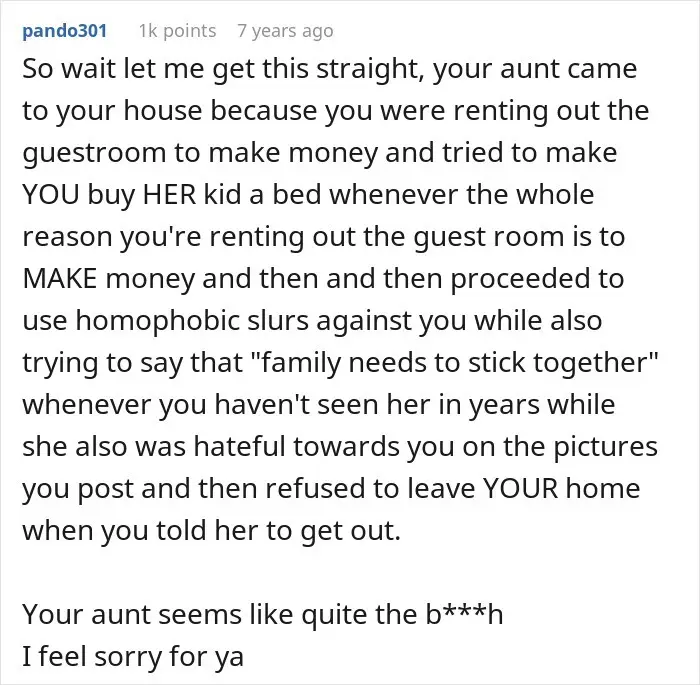
Unfortunately, that understanding seemed to be missing in today's story. The aunt expected the man and his fiancé to accommodate her for free while making homophobic remarks about their relationship. Surely, if you're asking someone for such a significant favor, treating them with basic respect isn't too much to ask?
What do you think, pandas? Was the man right to ask his aunt to leave? And have you ever had to distance yourself from a relative because of their behavior?
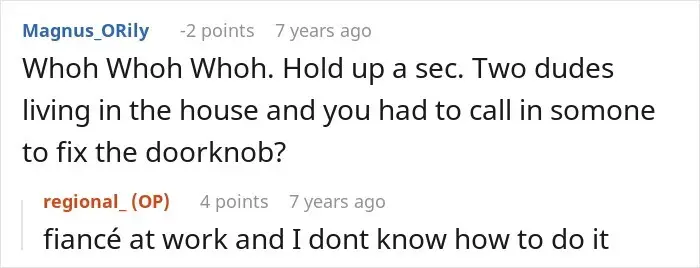
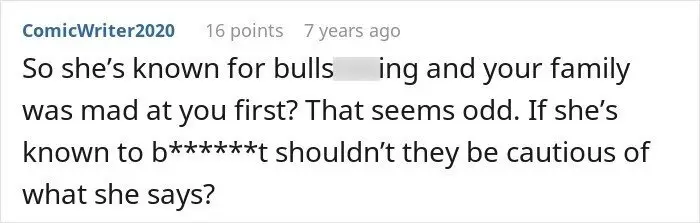
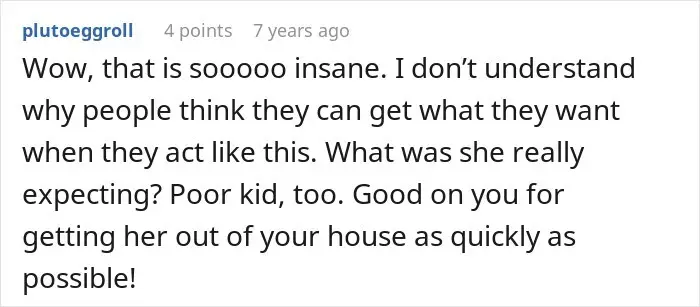
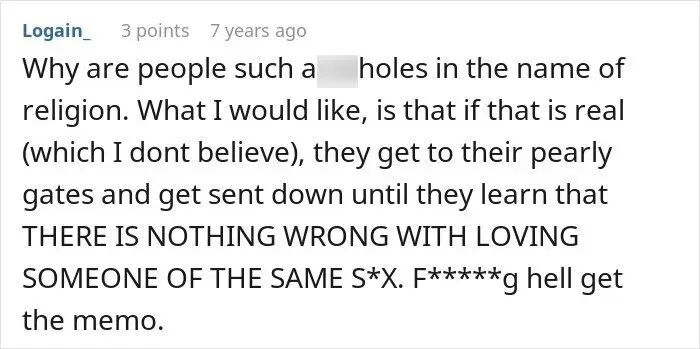
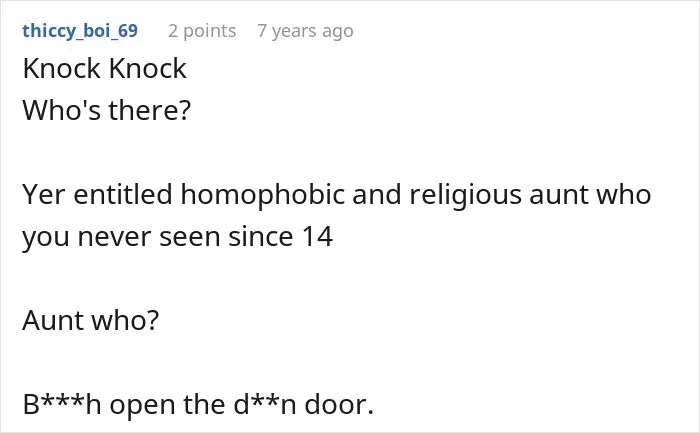
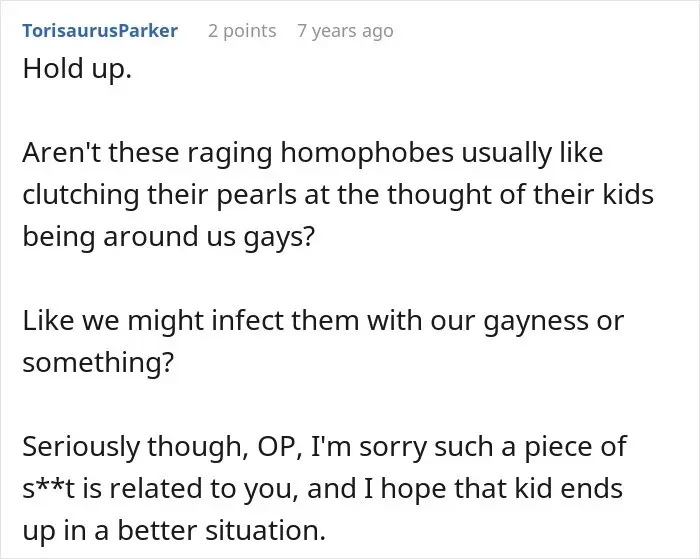
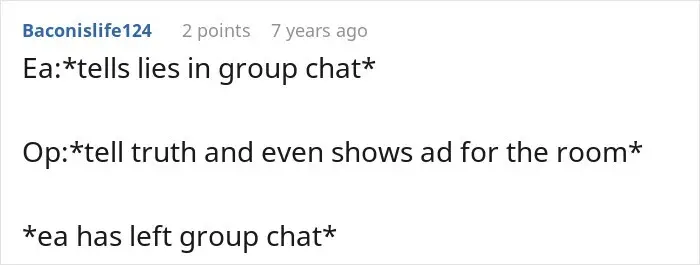
Readers were quick to call out the aunt's entitled behavior











Others shared similar experiences involving their own relatives