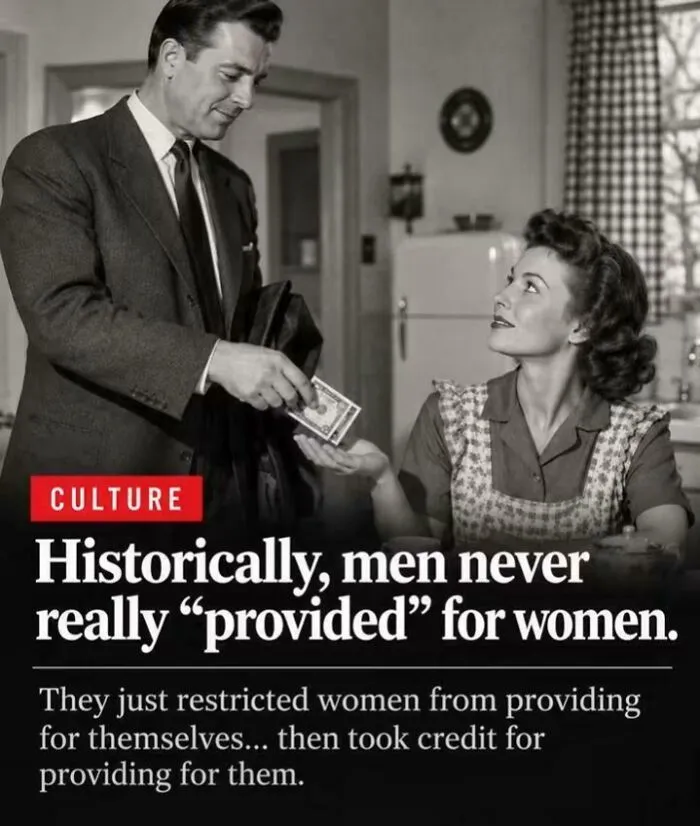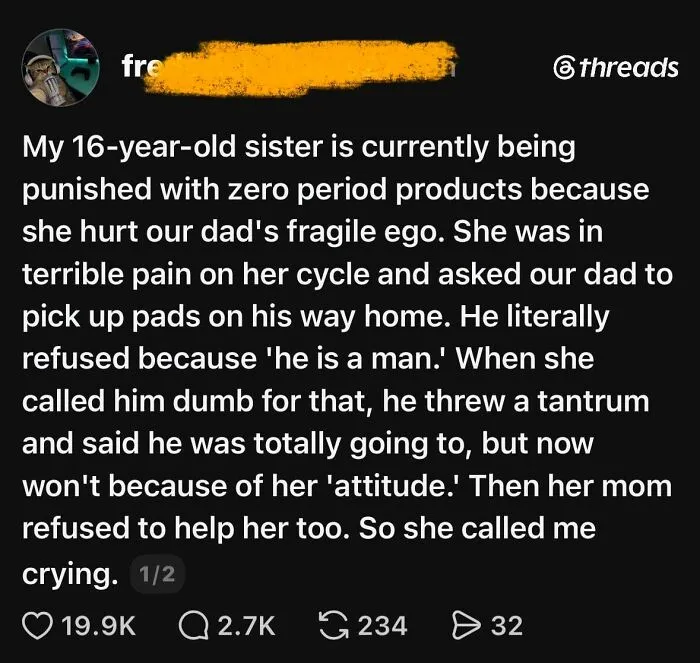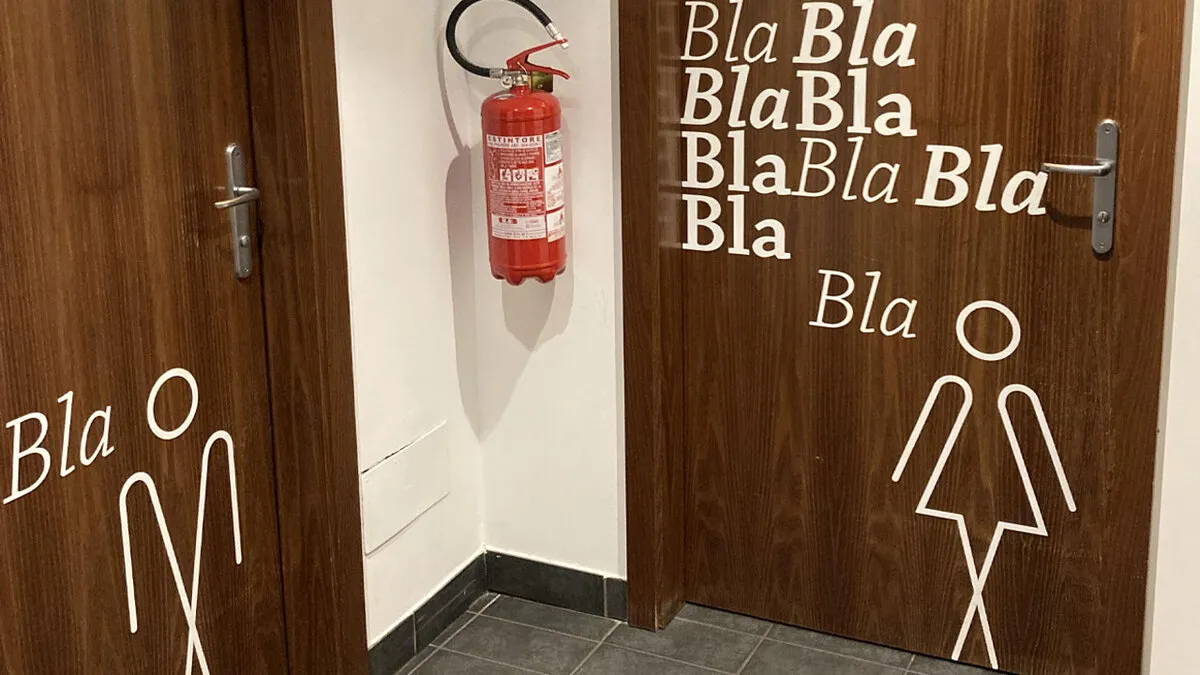


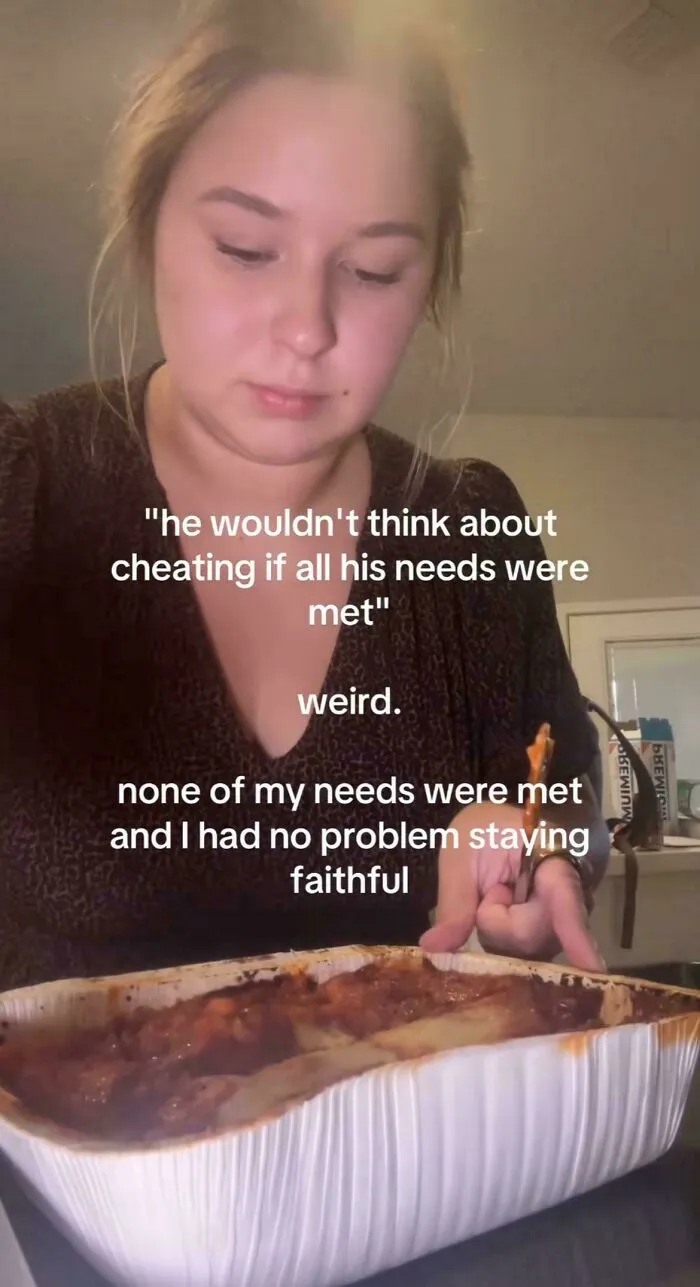
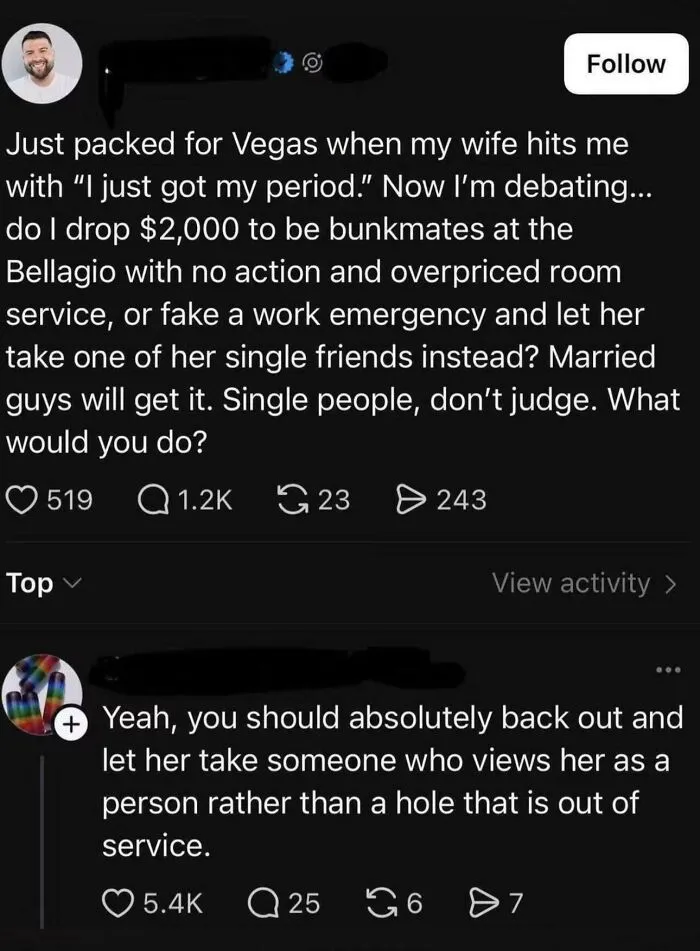
Misogyny has been around much longer than social media. For generations, women have dealt with stereotypes that challenge their intelligence, independence, sexuality, and role in society. The internet didn’t invent these attitudes; it just gave people new ways to share them and connect with others who feel the same.
Online, old prejudices appear in sexist jokes, degrading memes, and comments telling women how they should look, act, or live. Social media makes it easier to spread these views, find like-minded people, and present outdated gender ideas as if they are normal. Sometimes, these posts also push narrow ideas about masculinity, suggesting men need to control women to prove themselves.
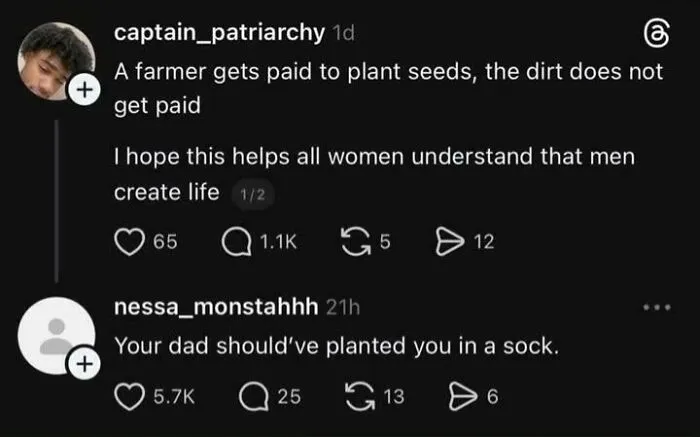
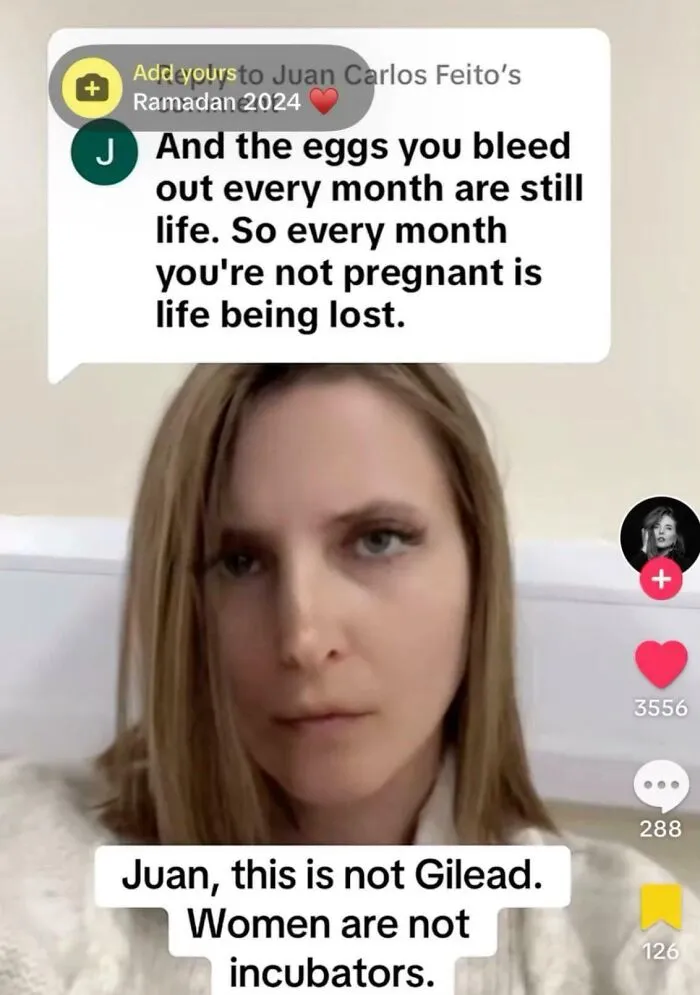
These long-standing attitudes have also appeared in online communities known as the manosphere. This term includes a wide variety of spaces, such as men's rights forums, incel groups, and influencers who give advice about dating, masculinity, and relationships. While not all of these communities have the same views, some openly encourage hostility toward women.
Some men find the manosphere when searching for dating advice, fitness tips, or ways to boost their confidence. Along with this advice, they might also come across creators who blame women for men's romantic problems, see feminism as a threat, or describe relationships as a conflict between men and women.
When these ideas are mixed in with everyday advice and self-help tips, misogyny can start to seem like just another perspective on relationships.
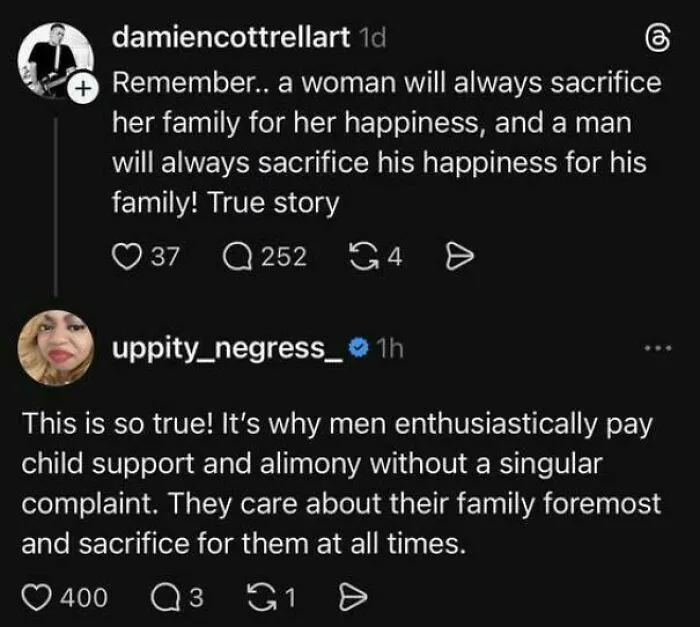
#6 No We Don't Maybe Women Complain Less Or Are Less Believed But They Do Feel The Pain!!
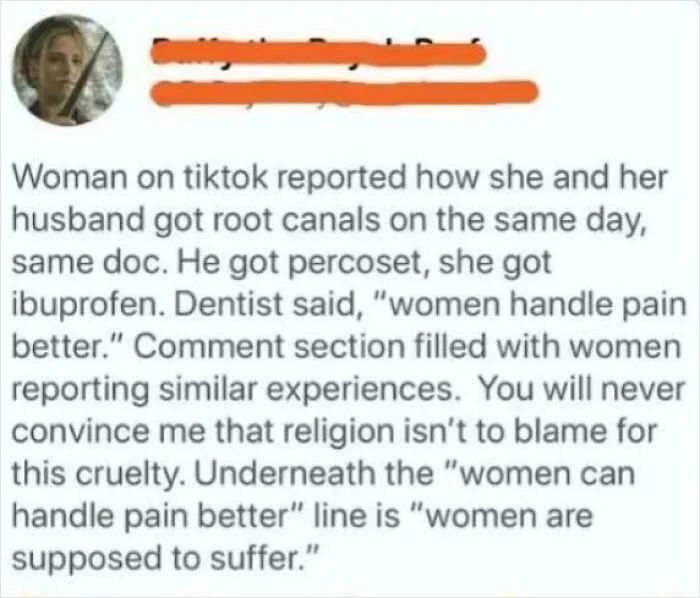
To see why these communities draw people in, it’s important to look past the hateful posts. Some young men follow online influencers for advice on dating, fitness, money, or building confidence. While these interests are not harmful on their own, some creators combine helpful tips with messages that blame women and feminism for men’s problems.
UN Women warns that these influencers may take advantage of people’s need for validation and belonging. A young man who feels rejected or unsure might find comfort in a group that offers easy answers. The problem starts when that support leads to seeing women as manipulative, threatening, or to blame for his struggles.
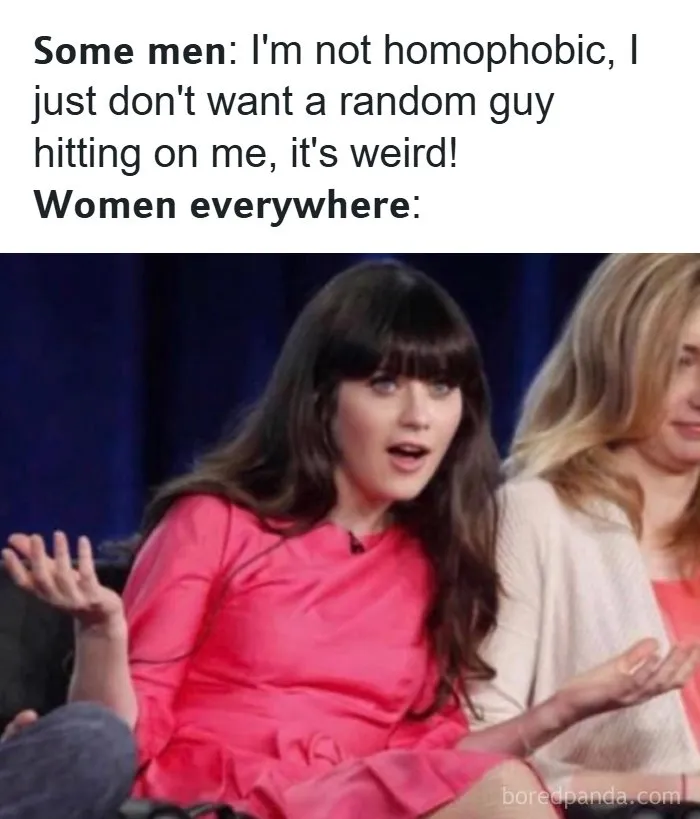
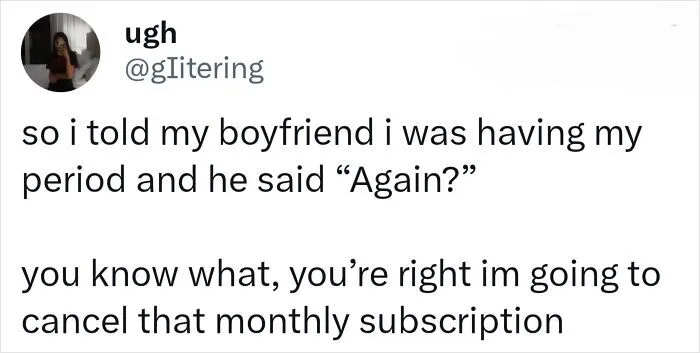
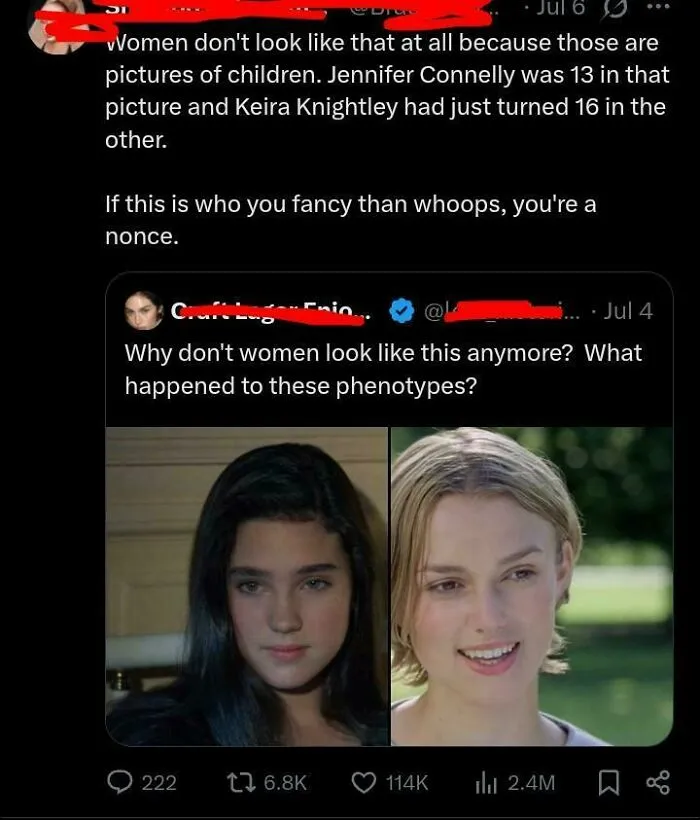
Misogynistic posts might seem like just another unpleasant part of the internet, but online hostility can shape how women live and work. For example, women journalists often face mistreatment that harms their mental health and makes speaking out feel more dangerous. This issue goes beyond mean comments, especially when harassment threatens their involvement in public life.
A 2026 global report from UN Women, UNESCO, and the International Center for Journalists found that 45% of women journalists and media workers surveyed had held back from posting on social media because of online violence. When women feel forced to stay quiet to avoid mistreatment, misogyny affects not just individuals but also shapes which voices the public hears.
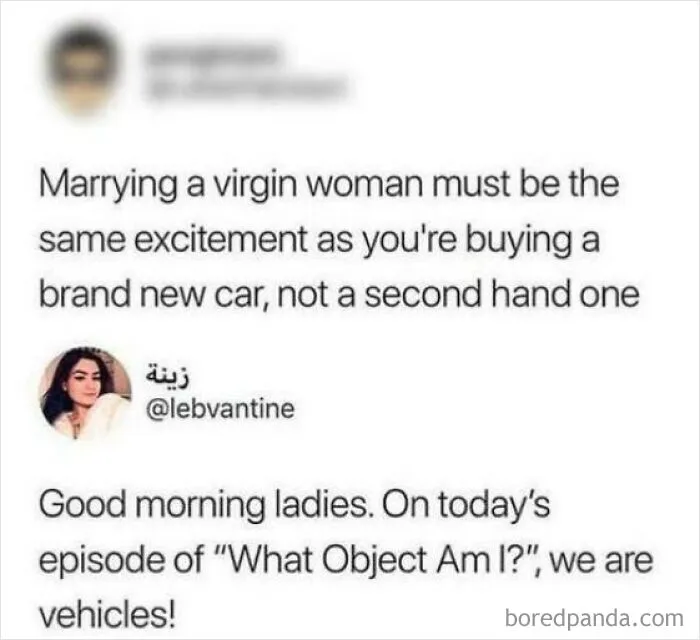
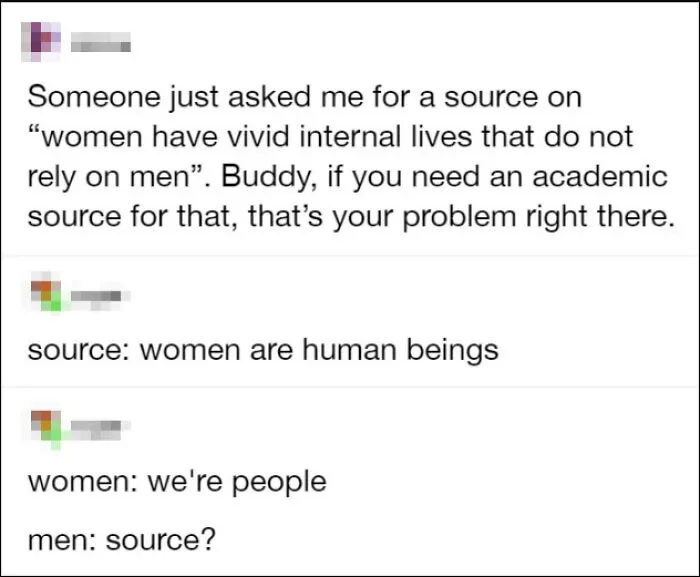
#11 Apparently, Needing An Academic Source To Prove That Women Are Complex Human Beings
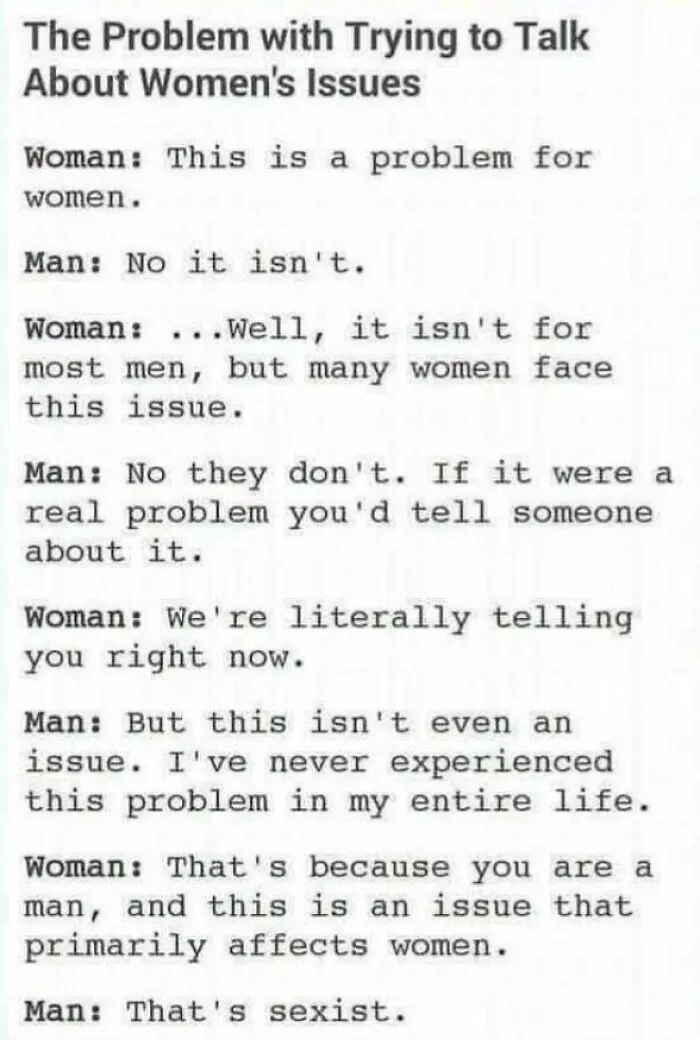
These messages can spread to even more people when recommendation systems keep showing users similar content. In 2022, the Institute for Strategic Dialogue ran an experiment using YouTube accounts for boys and young men to track what videos were recommended. The researchers found that as these accounts followed suggested videos, they saw more and more antagonistic content about women and feminism.
YouTube Shorts seemed especially fast to suggest more extreme material based on what users watched. Since the experiment used only ten accounts, it does not show how every user experiences the platform. However, it does show how someone who starts by watching regular lifestyle content can end up seeing more misogynistic ideas through repeated recommendations.
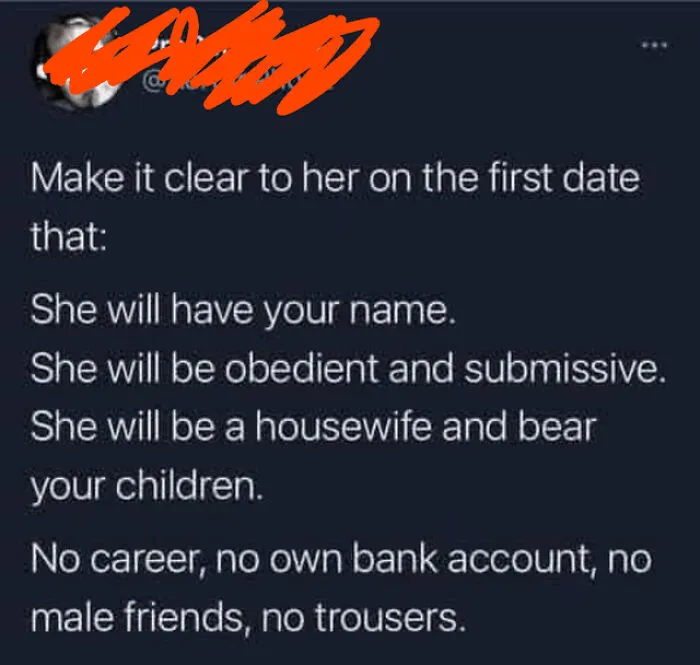
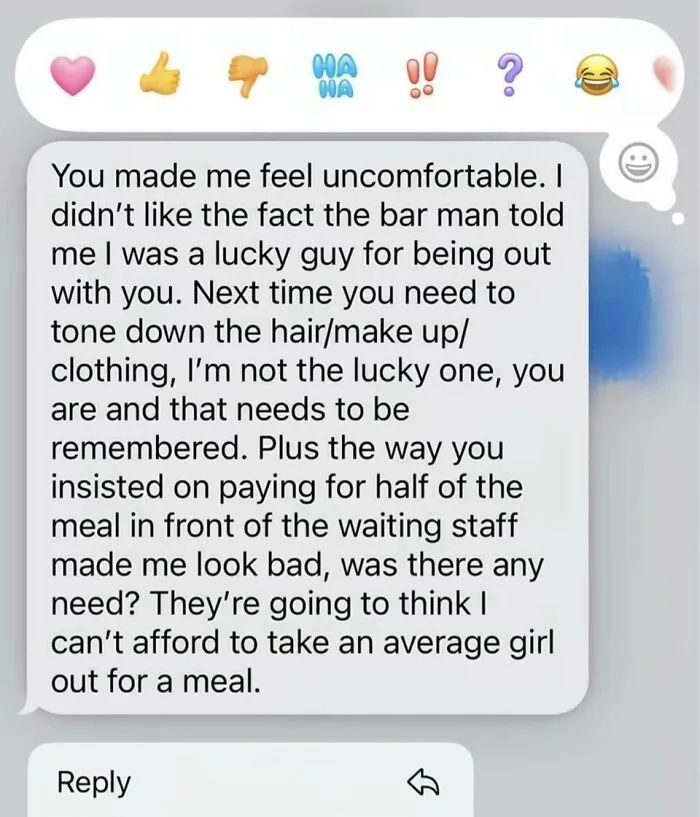
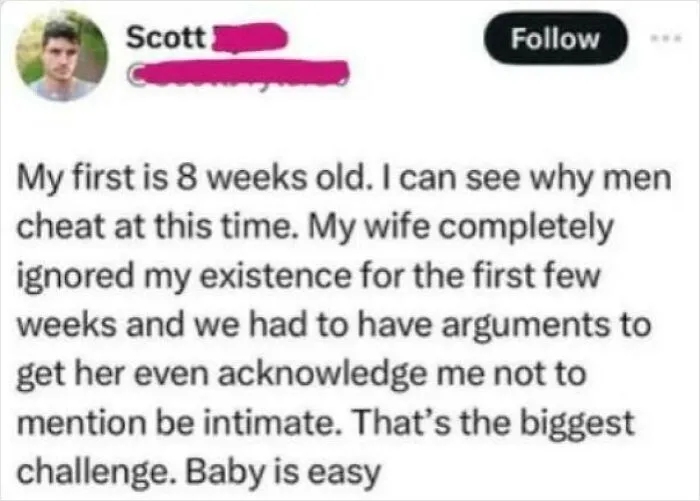
Algorithms are just one piece of the puzzle. How people present these messages is important too. A sexist meme or a joke about women's intelligence can spread because people say it shouldn't be taken seriously. While humor doesn't always make a post misogynistic, it can help harmful stereotypes slip into everyday conversations.
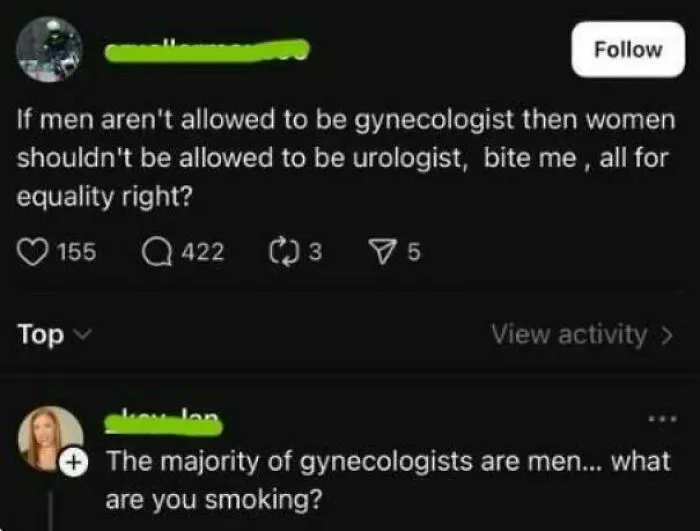
Misogyny isn't always obvious. It can hide in memes, sarcastic remarks, and jokes about how women think or act. When influencers mix these jokes with dating tips, lifestyle advice, or entertainment, sexist stereotypes can seem harmless or funny. This makes it easier for people to brush off the hostility as “just a joke.”
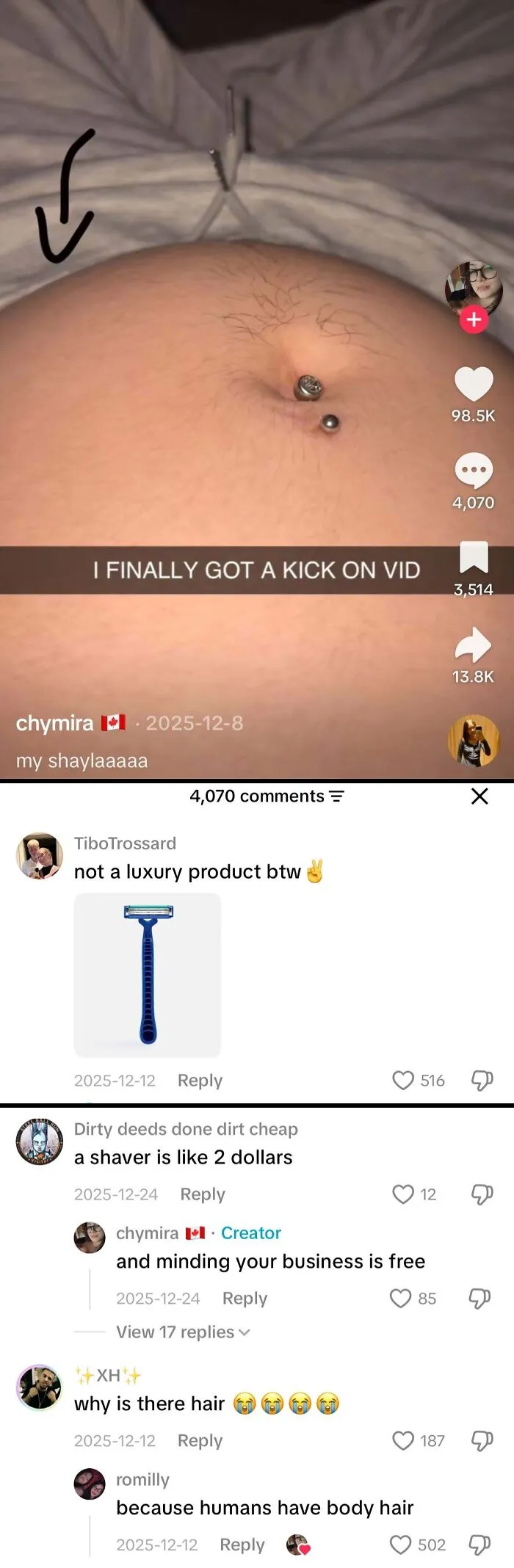
#17 The Amount Of People Who Are Hating On Her For Having This Much Hair On Her Stomach Is So Sad
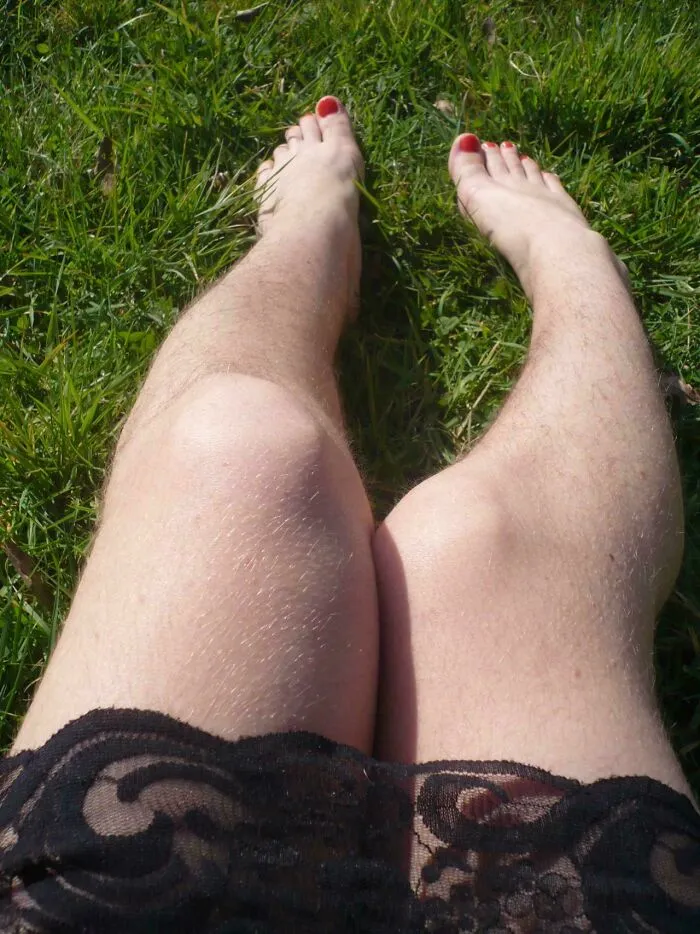
#18 Asked My Father Why He Never Goes To Parent Teacher Conferences And He Said It's Because Last Time He Went The Teacher Had Hairy Legs And It Traumatized Him
Even after years of progress toward gender equality, people are still split on women’s rights, especially among younger generations. Many women are still fighting for equal treatment, but some men believe women now have an unfair edge. This ongoing tension makes us wonder if old gender stereotypes are fading away or just showing up in new forms.
A 2025 survey by King's College London and Ipsos in 30 countries showed this divide clearly. It found that 57% of Gen Z men thought efforts to support women’s equality had gone so far that men were now being discriminated against, compared to 36% of Gen Z women.
While these numbers don’t mean society is becoming more misogynistic overall, they do show a big difference in how young men and women see the push for equality.
Behind every misogynistic post is a reminder that equality means little if women still have to fight for basic respect. Progress starts when we stop treating these attitudes as harmless jokes and start challenging them.
What do you think? Have you come across similar examples online? Share your thoughts in the comments!