



Whether you were born at the tail end of the 1990s or you were already a parent by the time that decade came around, you likely look back on that era as a special time. It was full of bold fashion, optimism, and excitement about all of the technological advancements we were starting to see.
The idea of spending every waking moment connected to the internet was absurd, and it was freeing to know that nobody had access to you at all times. And let’s not forget how amazing the media from that decade was. Some of the best films of all time came to life during the ’90s, as well as some of the best albums the world has ever heard.


When it comes to iconic movies from the 1990s, Rolling Stone has a list of the 100 greatest ones. Some of the films they’ve placed in the top ten are Goodfellas, The Silence of the Lambs, Pulp Fiction, and Malcolm X. But others included in the top 100 are Groundhog Day, The Matrix, Toy Story, Fight Club, Rushmore, Titanic, and Clueless.
As we know, there was also some incredible, timeless music that we were blessed with during the 1990s. Some of the best albums of the era include Nirvana’s Nevermind, Cocteau Twins’ Heaven or Las Vegas, Janet Jackson’s janet., Destiny’s Child’s The Writing’s on the Wall, and Alanis Morissette’s Jagged Little Pill.

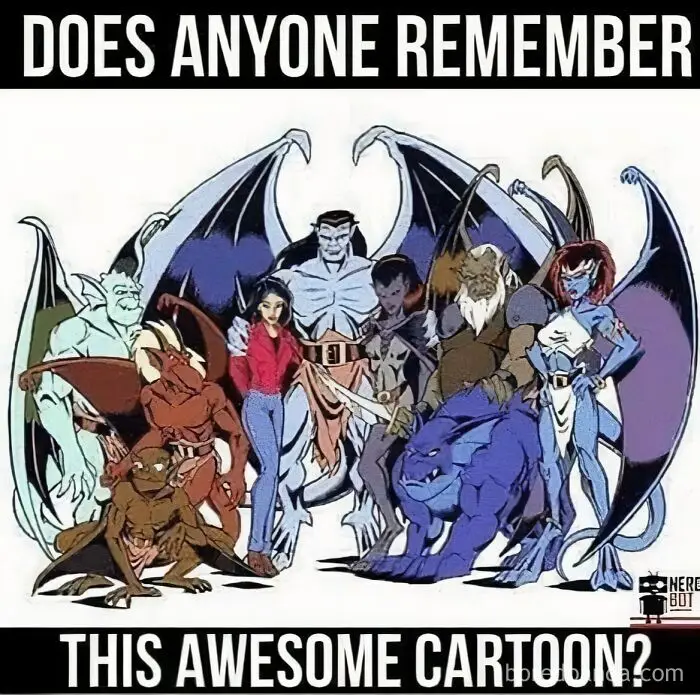
As far as why so many of us have become so nostalgic for the 1990s, even people who weren’t even born yet during that decade, The Stand notes that the internet has played a part in it. Young people who were born in the early 2000s can see the media and fashion from that time, and they’re able to romanticize it, even though they weren’t there to experience it at the time. Plus, streaming services have provided the younger generation with the opportunity to fall in love with sitcoms and cult classics from the ’90s.


Plus, the 1990s weren’t so long ago that they’re unrelatable to young audiences today.
"There are enough similarities in those shows that the younger generation can relate to even if it is not identical to their own experience,” says Dr. Renee Middlemost, a Lecturer in Global Communication and Media in the University of Wollongong's Faculty of Law, Humanities and the Arts.
“If you look at Friends, you can see why young people are interested in that - you always want to hang on to your friends. It's also a show about negotiating life in your early 20s,” Dr. Middlemost continued. “If you watched the show the first time around, you would see how it would be dated, but those common themes continue to be popular."


In general, humans love nostalgia. The University of Florida’s College of Medicine notes that nostalgia can help us build self-esteem, help us find meaning in our lives, encourage us to be authentic, and simply make us happy. A feeling of nostalgia can be triggered by many things, such as certain sensory experiences like smelling a freshly baked apple pie or the scent of a candle that’s just been blown out. Major life transitions also tend to make us feel nostalgic, as well as certain social interactions.



According to Valentina Stoycheva, PhD, indulging in nostalgia usually stems from a yearning for our past selves, rather than a particular time or place. You might miss how carefree and joyful you felt as a child or when you were a college student living in close proximity to all of your best friends. And having certain objects or pieces of media that allow you to embrace your nostalgic side can be incredibly helpful during difficult times or major life transitions.