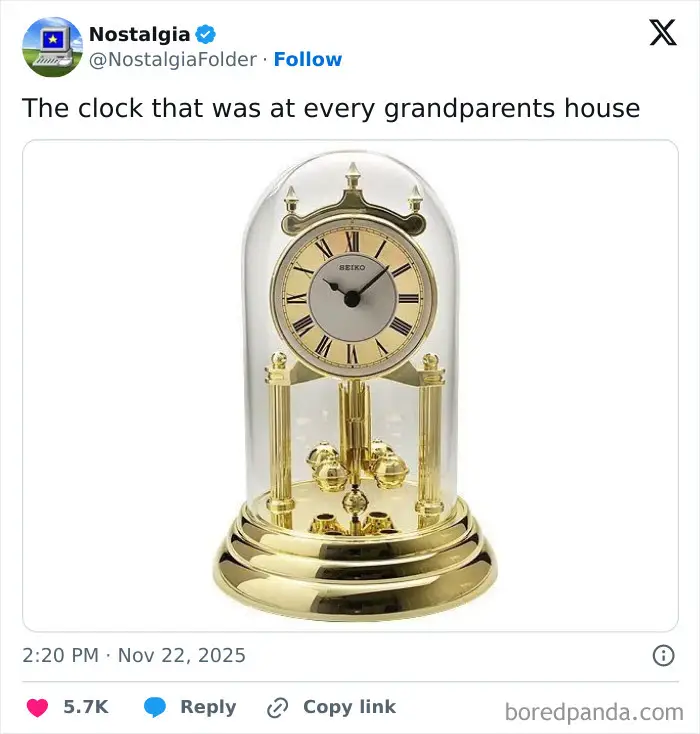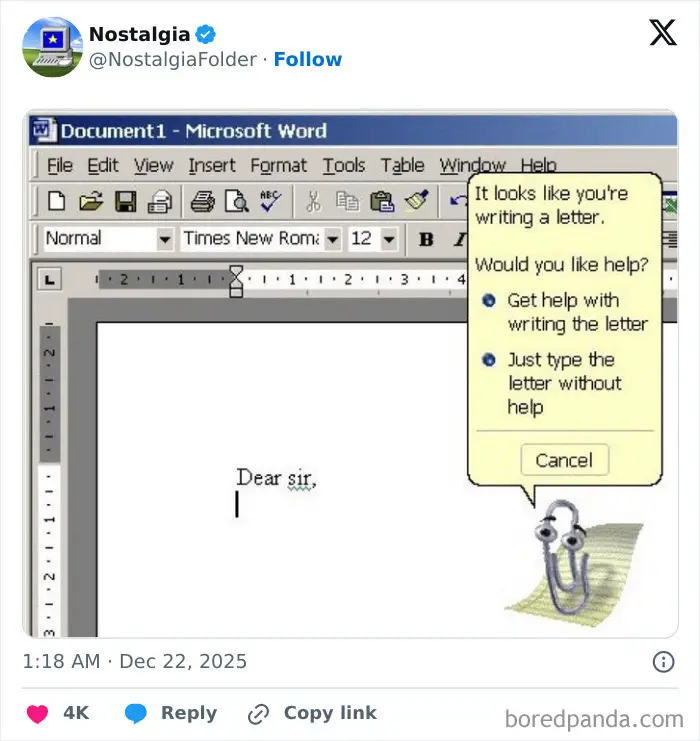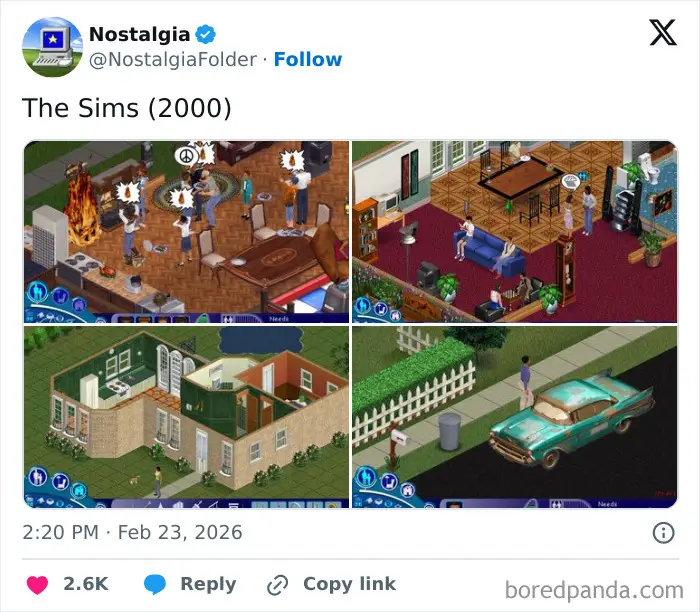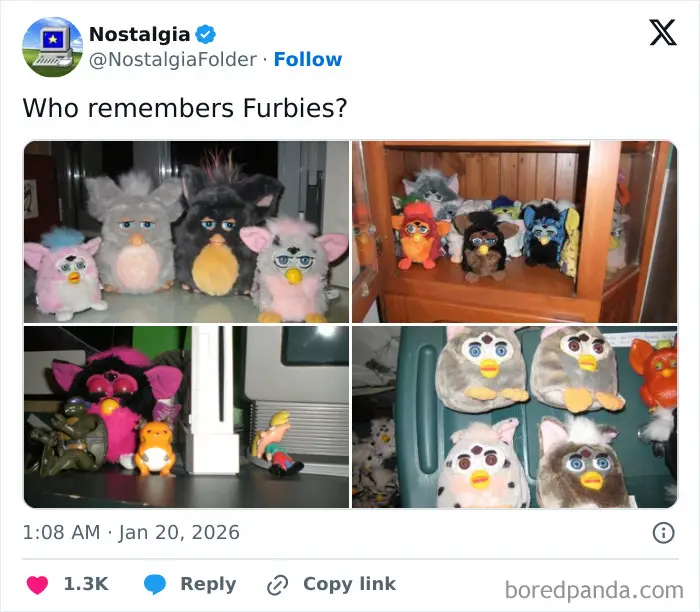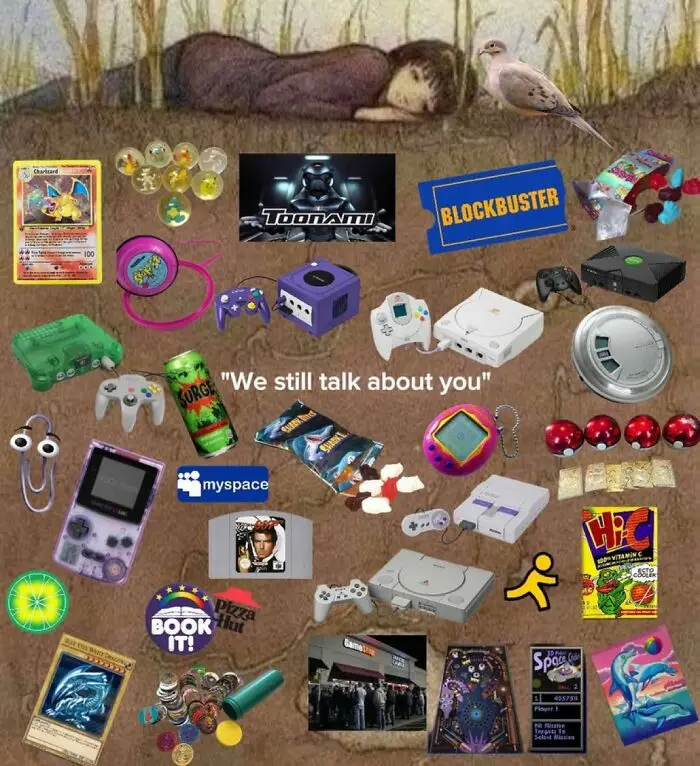



They recall the specific anxiety of keeping a digital pet alive in their pocket or the thrill of customizing a personal profile with bright colors and animated icons on social platforms. The millennial experience is defined by icons of a changing world such as the blue and yellow signage of a favorite video store or the clacking sound of a sturdy Nokia phone keypad.

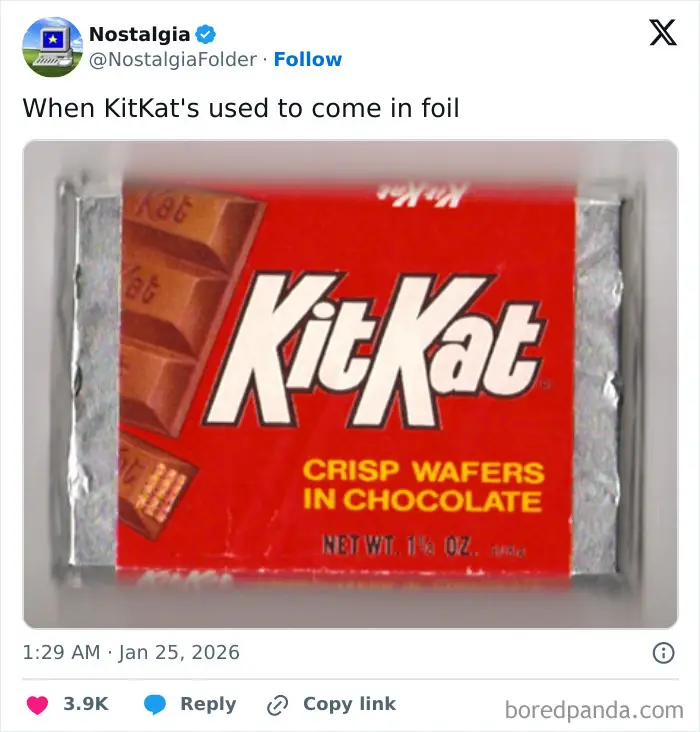

They are the first generation to experience digital community on a global scale through early chat rooms and instant messaging services which allowed for the creation of secret languages and inside jokes. For them nostalgia often looks like a low resolution video game or a pop song that dominated the radio for an entire summer during a family road trip. This group finds comfort in the remnants of the early two thousands like translucent plastic gadgets and the specific scent of a shopping mall food court.

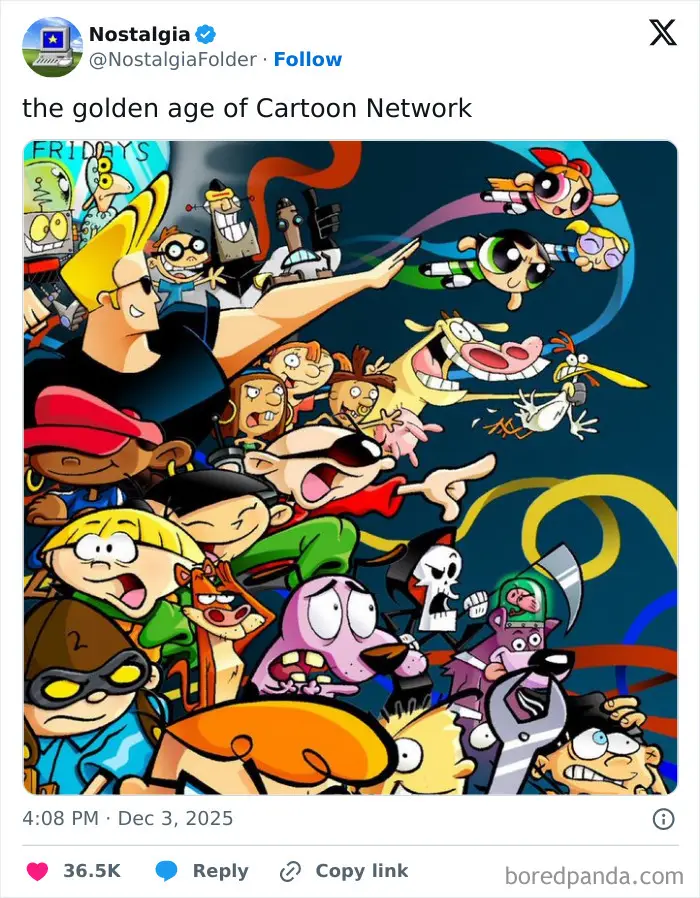

The psychological benefits of these memories go beyond mere comfort and serve as a shield against existential dread. Studies indicate that engaging with nostalgic content can actually boost self esteem and increase feelings of optimism about the future by validating one's own history. When a person looks back on a positive memory they are not just looking at a static image but are instead reenacting a narrative where they were the central protagonist.

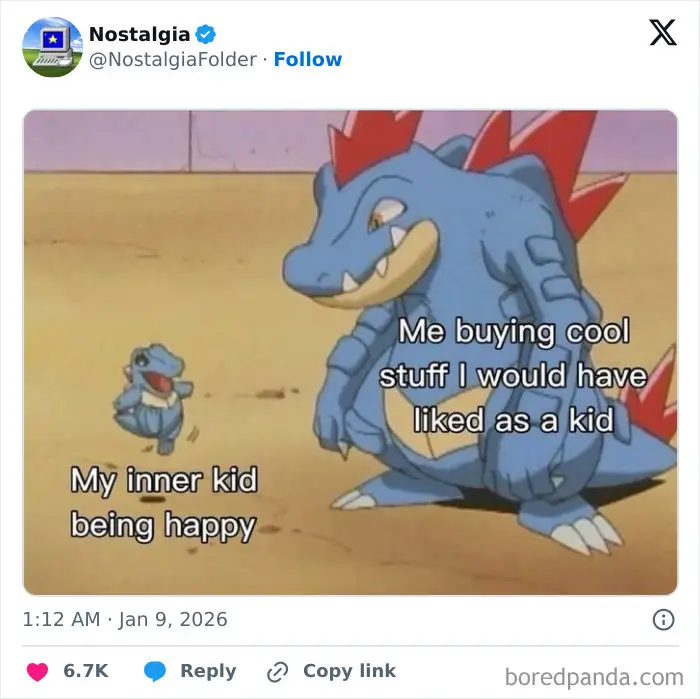
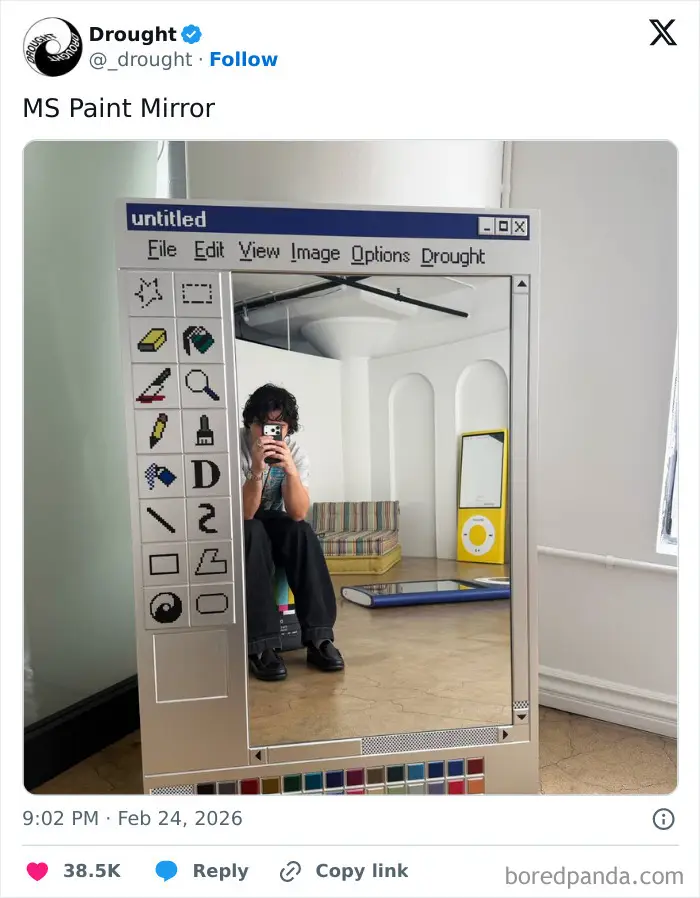
This helps individuals maintain a coherent life story despite the many changes that occur over the decades. For Gen X this narrative often involves the rugged self-reliance of the latchkey era while for Millennials it involves the pioneering spirit of the early digital age. Both generations use these memories as a tool for emotional regulation especially when they face modern challenges that feel overwhelming or disconnected.