




This post may include affiliate links.
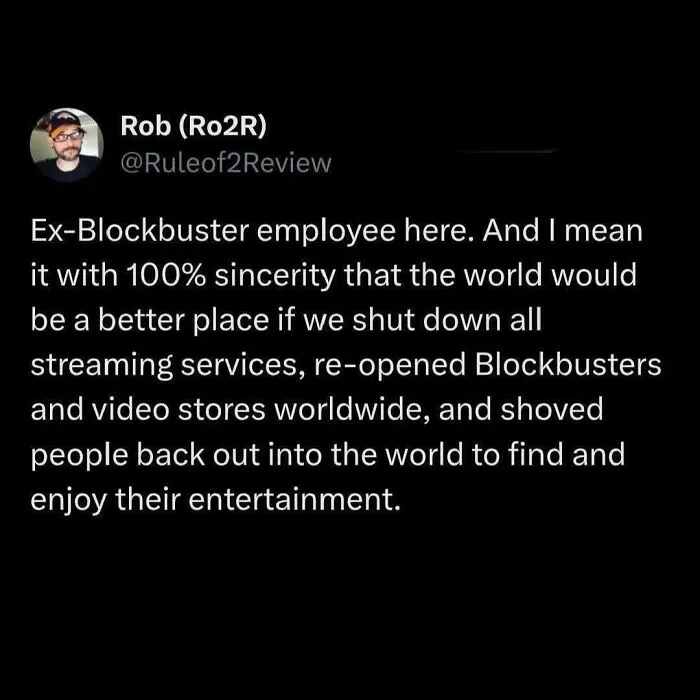


If there’s one thing that truly defines the ’90s, it’s how much the world seemed to change in such a short time. The decade sat right in the middle of a major shift from the familiar analog world to the digital one we know today. Landlines, printed newspapers, video rental stores, and physical photo albums were still part of everyday life, but the internet was beginning to quietly change everything.
In The Nineties, Chuck Klosterman explores this monumental transition and captures the early, almost innocent public perception of the World Wide Web. Back then, many people had no idea that the strange new thing called “going online” would eventually transform how we work, communicate, shop, date, and entertain ourselves. Looking back now, it’s fascinating to realize that the ’90s were essentially the bridge between two completely different worlds.



During the ’90s, cellphones began transitioning from bulky, expensive devices to something more compact and accessible to ordinary people. Phones like the Nokia 5110 became instantly recognizable symbols of the era, and suddenly, carrying a phone around no longer seemed like something out of a science-fiction movie. Of course, these phones were nothing like the tiny supercomputers sitting in our pockets today. There were no endless apps, high-quality cameras, or social media notifications constantly demanding attention. But at the time, being able to call someone while away from home felt pretty revolutionary. And let's be honest, a phone that could survive being dropped approximately a thousand times had its own kind of magic.
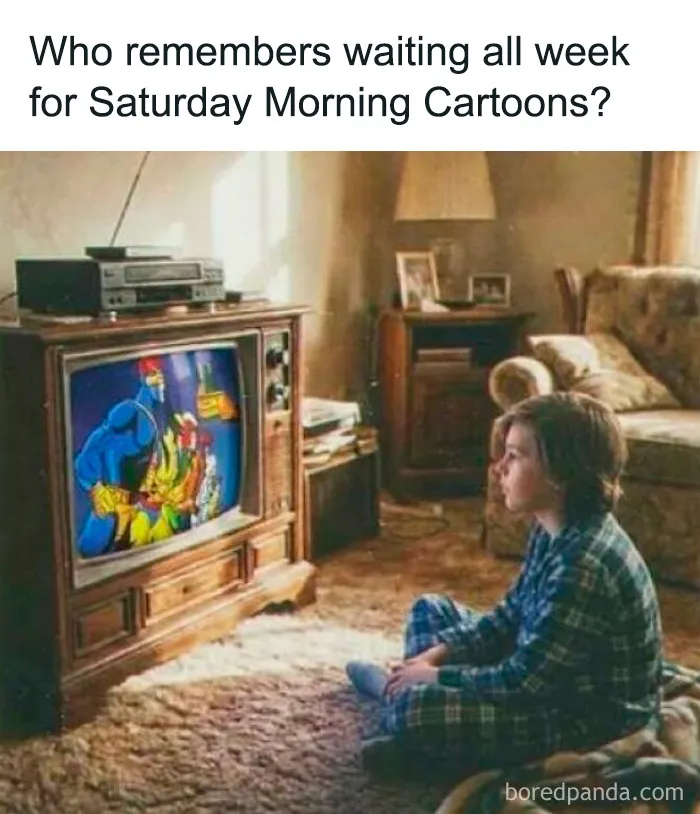
#8 Remember When You Didn't Have To Enter Your Personal Info Online To Win A Soda?

And it wasn’t just technology that saw major advancements during the decade. The medical world was making life-changing progress too. In 1995, doctors introduced Highly Active Antiretroviral Therapy which transformed HIV from what had largely been considered a guaranteed death sentence into a manageable chronic condition for many patients. That same year, the FDA approved LASIK, opening the door for millions of people to correct their vision through a relatively quick outpatient procedure. Advances in early detection, including screening methods such as mammograms, also helped improve cancer outcomes. Along with developments in treatment, including more targeted approaches to chemotherapy, cancer death rates began showing important long-term improvements.
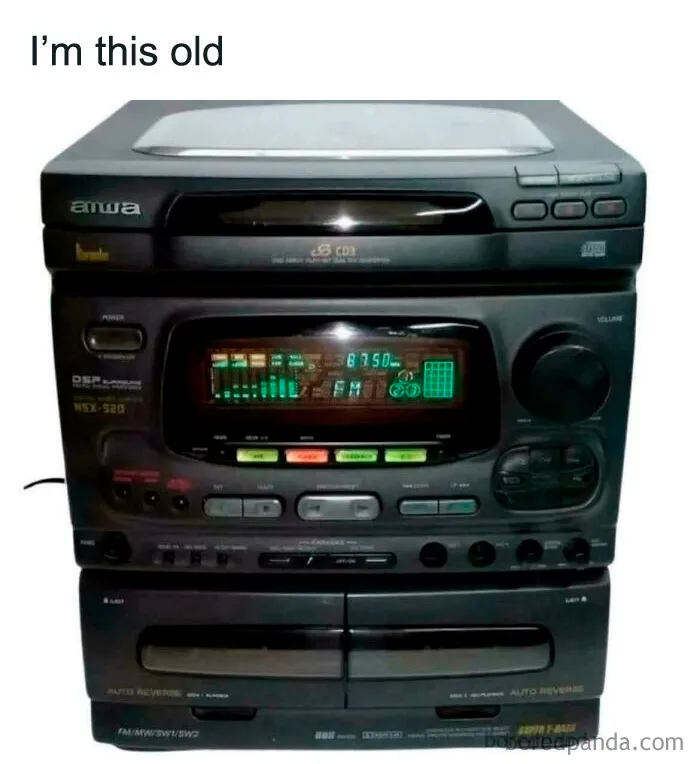
#10 I Remember Getting This Exact Stereo System As A Christmas Gift In The Late 90s. Such An Awesome Gift!!

The ’90s also helped reshape the global economy in ways that would be felt for decades. Agreements such as the North American Free Trade Agreement which came into effect in 1994, and the creation of the World Trade Organization in 1995, dramatically changed international trade. Barriers between countries were lowered, making it easier for goods, services, and businesses to move across borders.
Of course, globalization brought its own complicated debates and consequences, but it also played a major role in economic growth in many developing regions. The expansion of global trade helped create new opportunities and contributed to hundreds of millions of people rising out of extreme poverty, particularly in rapidly developing countries across Asia. So while many of us remember the ’90s for Tamagotchis and boy bands, the decade was also quietly reshaping the wider world.
On a lighter and much more entertaining note, the ’90s also gave us movies that completely changed what audiences thought was possible on the big screen. Jurassic Park in 1993 brought dinosaurs to life in a way that left viewers genuinely amazed, blending practical effects with groundbreaking computer-generated imagery. Then came Toy Story in 1995, which made history as the first fully computer-animated feature film.
It wasn't just a fun movie about toys coming to life; it marked the beginning of a major shift in animation and filmmaking. Hollywood increasingly embraced digital technology, and visual effects began opening doors to stories that would have been far more difficult to create using practical effects alone. For a decade often remembered as simpler, the ’90s were actually laying the groundwork for many of the movies and digital entertainment experiences we enjoy today.



And that’s what makes looking back at the ’90s so much fun. The decade gave us major scientific breakthroughs, changing technology, new ways of connecting with the world, and plenty of unforgettable pop culture moments. And today’s collection celebrates the smaller, everyday things that made growing up during that time so memorable—the gadgets, habits, fashion choices, and little experiences that probably seemed completely normal back then. Now, they instantly trigger a wave of nostalgia. So, Pandas, which of these memories took you straight back to the ’90s? And what’s one thing from the decade you wish you could experience again?