
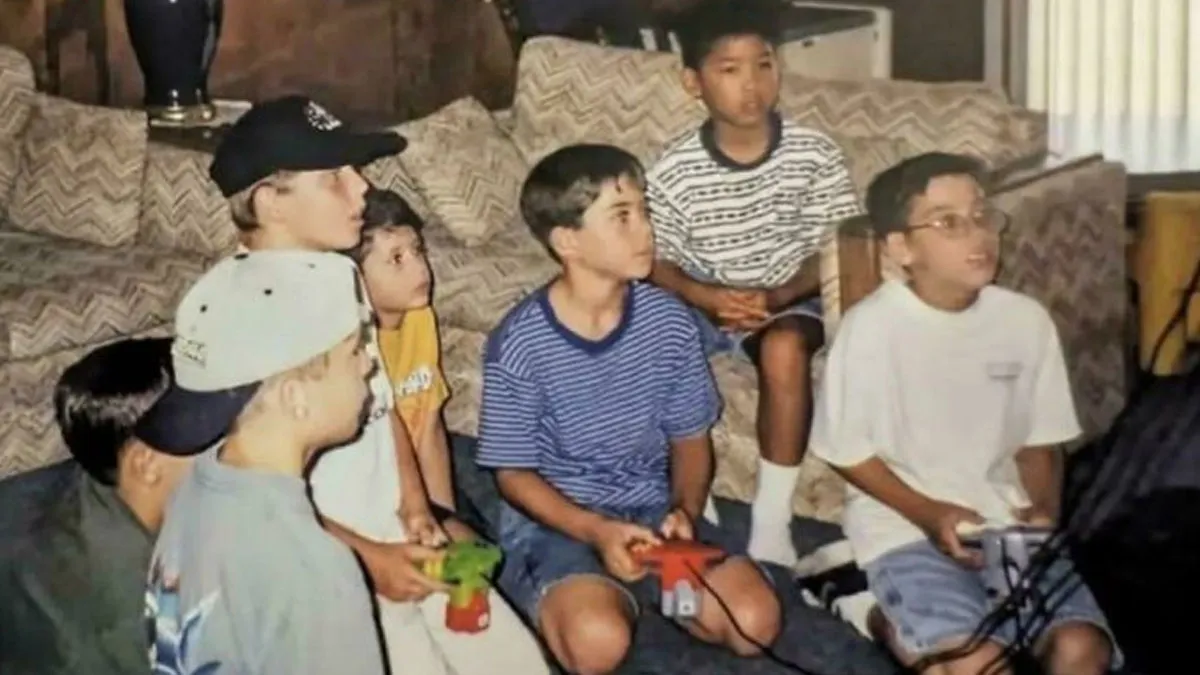






It is said that you never miss a good thing until it's gone. Ain't that the truth. Back then, we didn't quite grasp how amazing we had it. And the kids of today. Well, they will never know. Life in the 90s seemed slower, kinder, and more magical.
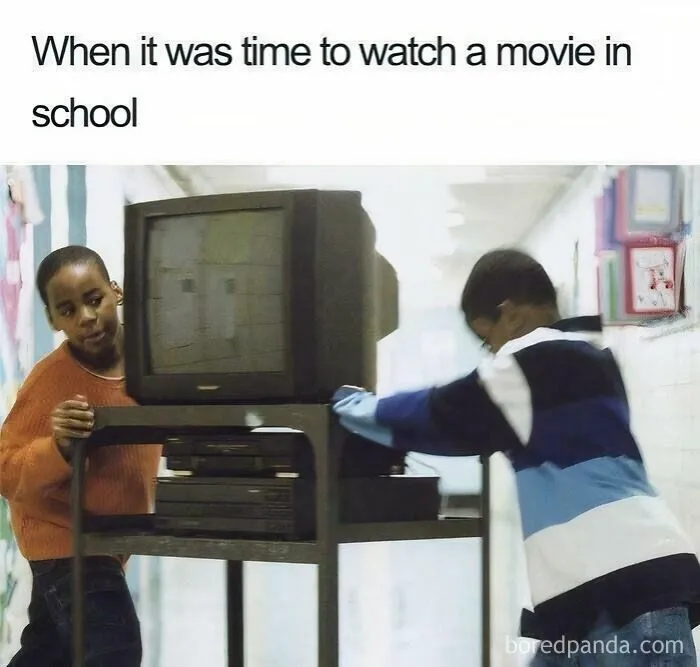
If we wanted to watch a movie, we either had to go to the cinema or hire a VHS tape at the local Blockbusters. We spent a lot more time outdoors, riding bikes, playing under the sprinklers, exploring the neighborhood or roller skating.

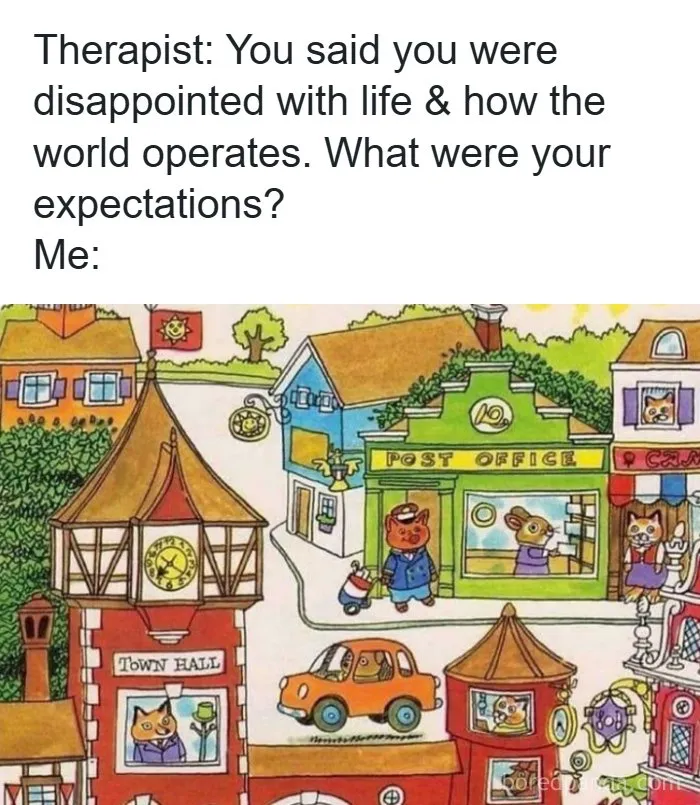
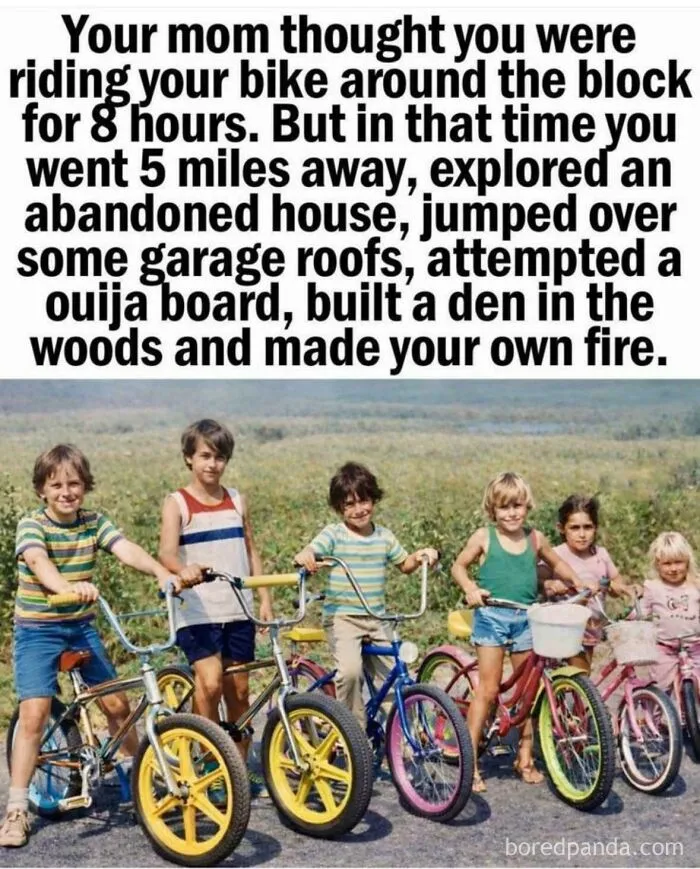
One thing today's generation can learn from the 90s is slow living. In an time of social media, high speed internet and instant gratification, it's easy to forget to savor the small, meaningful moments.
"In the ‘90s, AKA the golden age of dial-up internet, you couldn’t just scroll for hours on a WiFi network—sometimes our parents needed to use the phone," explains Kara Nesvig in a piece for Parents.com. Her advice for the kids of today is to put down the screens and see what happens when you let yourself be bored.



"Go outside and find a friend to play with, grab some colored pencils and draw, or make up a game with your siblings in the yard," she says. "For many ‘90s kids, those hours of 'nothing to do' became the most fun and rewarding times of all."
Those who were fortunate enough to grow up in the 90s spent a lot of time outdoors. We were roller skating, playing hide-and-seek, throwing a ball, running through sprinklers and building sandcastles. With this kind of living comes valuable lessons, many of which cannot be taught be simply scrolling though social media.

#11 When There Actually Were Snow Days

#12 The Early Computer Windows Era! I Can Hear The Sound In My Head From The Picture LOL

Brittany Hart says that she's been encouraging her children to grow up the way she did in the 90s. It's out with screentime and in with the great outdoors.
"One of the most inspiring aspects of their playtime is how they resolve conflicts over what to do. With five unique personalities, disagreements naturally arise," reveals Hart. "One child may want to host a frontyard fashion show, while another prefers a game of catch."


Hart adds that while personality and preference differences can sometimes lead to arguments among children, these disagreements are actually benefiting the kids. That's because by arguing or debating over who plays what, and when, the youngsters are learn to take turns, make compromises, and give everyone an opportunity to enjoy their preferred activity.
"Their ability to negotiate and collaborate without adult intervention (most of the time) is a testament to the social skills they are developing through these outdoor adventures," she writes.



While many of today's kids might freak out if they aren't occupied 24/7, those who grew up in the 90s learned to be comfortable with silence and stillness.
"Boredom was a normal part of life," writes Will Curtis for Your Tango. "We didn't question it and found ways to entertain ourselves without depending on devices. That's where daydreaming happened, where we processed our thoughts, where creativity emerged from nothing."