






This post may include affiliate links.
#1
WonderClean6418:
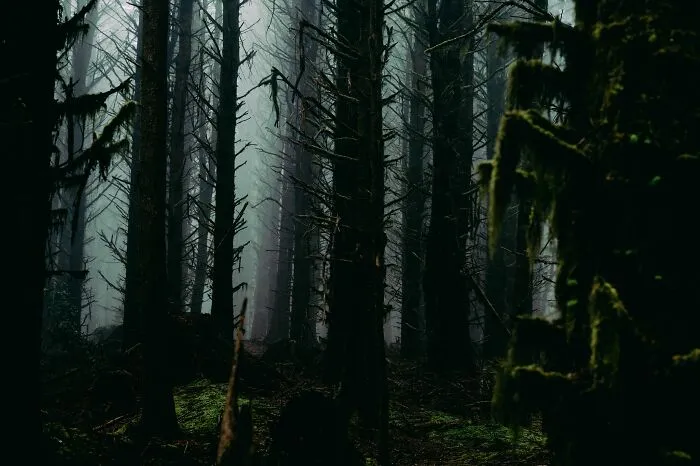
Wendigo: It gets taller and hungrier with every person it eats. And winter makes it worse.
#2
#3
Many of us probably grew up hearing stories from our grandparents, parents, or other family members—perhaps tales about ancient heroes, mysterious creatures, gods, witches, or strange things that supposedly happened long ago. These stories are often part of folklore, a broad collection of shared traditions, beliefs, customs, and tales passed down from one generation to the next, often through word of mouth and everyday practices. Some explain the world around us, while others entertain, teach lessons, preserve cultural memories, or simply give us a good reason to fear the woods after dark. And while today's post explores some of North America's most haunting folklore, let's also take a quick trip around the world and look at a few legendary figures and creatures that have captured people's imaginations for generations.
#4
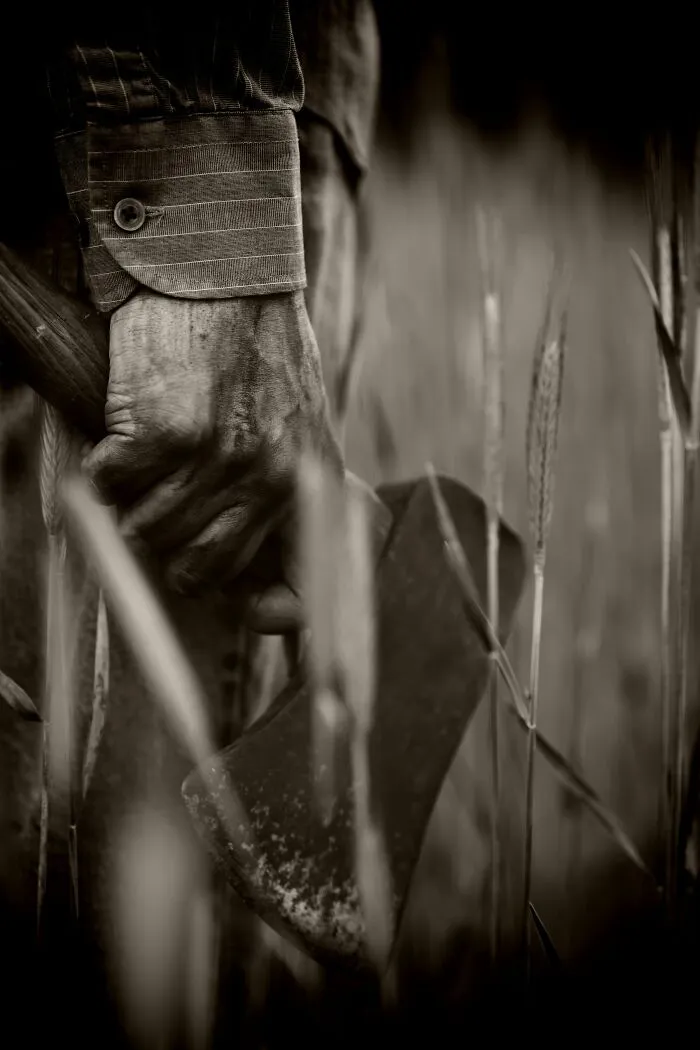
dunno if there's a specific origin but I became aware of it in the Rockies. The timeline is ambiguous but may have originated some time in the early 1900s.
A homeless woman had her camp outside of town high up on the ridge. She had built herself a nest and would frequently be seen wandering the ridge with her hatchet, cutting down saplings to add to her nest.
Occasionally, youths from town would harass her, throwing rocks, shouting, enticing her to chase them, etc.
She was by all accounts a frail old woman so this seemed like a risk-free bullying for the children.
Until one day the kids didn't come back down the ridge after running off to bother Hatchet Woman. Eventually adults went up to look for them and found each and every one passed away from a hatchet blow to the head. The adults went immediately to Hatchet Woman's nest to confront her but she was gone.
They never found her, but for years after, anyone who dared venture up the ridge would be found later, hacked.
Even to this day, NO ONE goes up that ridge after dark and it's considered proper to leave an offering of a large stick "at least as tall as a man" on the trail as an offering to Hatchet Woman for safe passage. The trail is LINED with almost a wicker wall of large sticks, and to take one away is to invite violent demise.
#5
#6
Let's start with two larger-than-life figures featured in B.A. Botkin's A Treasury of American Folklore. First published in 1944 and supported by the Federal Writers' Project, the collection brought together a remarkable range of oral traditions, tall tales, songs, jokes, and stories from diverse American communities. One of its most famous figures is Paul Bunyan, the mythical giant lumberjack whose adventures became a staple of American and Canadian folklore. Originally told as exaggerated campfire stories by loggers, Paul Bunyan's larger-than-life exploits often explained how landscapes and landmarks came to be. With his enormous strength and equally enormous companion, Babe the Blue Ox, Bunyan became a symbol of the rugged frontier spirit and proof that a good story only gets better when you make everything a little bigger.
#7
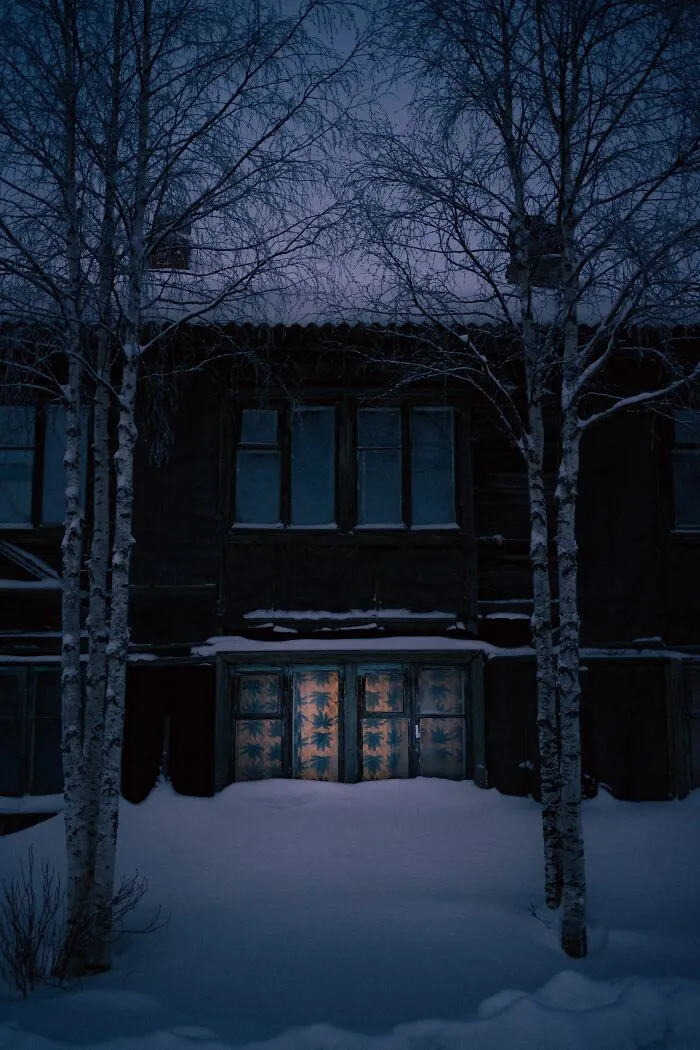
Well turns out the man in question Skiles Edward Test was something of an eccentric. He was married three times and his wives all outlived him. The man loved blue and initially found the legends cropping up about his house to be funny until he had to put up with constant teenage vandalism and several house fires.
Skiles passed from stress and when he passed wanted his house to be turned into a nature preserve or a camping spot for the Boy Scouts.
#8
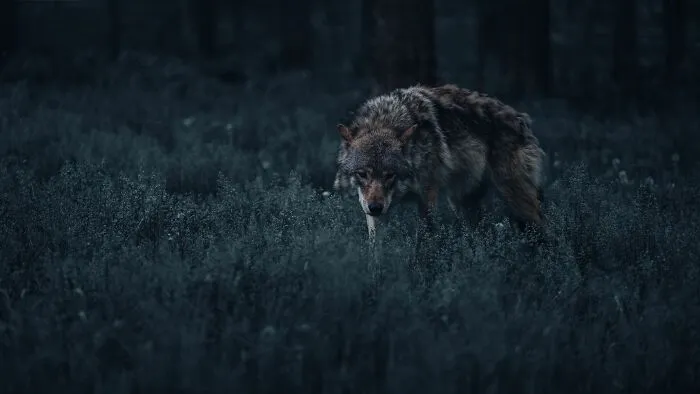
It's okay though he only shows up on the 7th year of the decade. Oh, that's next year.
Also Bigfoot and Wendigo.
#9

Imagine the hillbilly version of La Llorona. Hancock Hannah spends the nights roaming the fresh water lake, Hancock Pond, weeping for her late children. The multitude of critters out at night, seemingly mimicking the cries, did not ease my six year old little heart after my grandpa told me the story lol.
Then there's Davy Crockett, another famous figure whose story sits somewhere between history and legend. Unlike Paul Bunyan, Crockett was real: a frontiersman, soldier, politician, and folk hero who lived in the early 19th century. But as his story was retold through almanacs, books, stage productions, and later television, his real-life adventures gradually grew into the legend of the “King of the Wild Frontier.” The fictionalized version of Crockett became larger than life, complete with incredible survival skills and a famous coonskin cap. His story is a fascinating example of how a real historical figure can become part of folklore as generations add a little more adventure to the tale.
#10
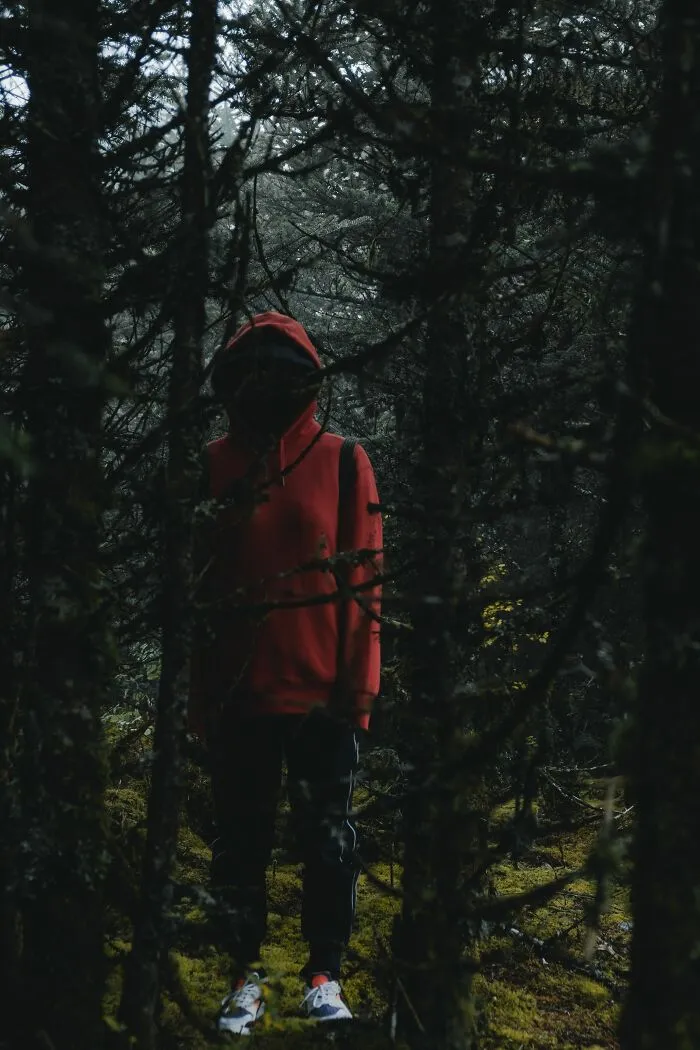
One of our cabins was at the end Whispering Pine Drive up the road from Moose Pond. He made up a story about the moose man that stalked the woods around Moose Pond. It was a monster with a moose head that walked upright with razor sharp claws. When it was near, the wind in the pines would whisper your name before the moose man got you.
Dad made the best folklore to scare us kids while spending the weekend in the dark Maine woods.
#11
prettygirlarchive:
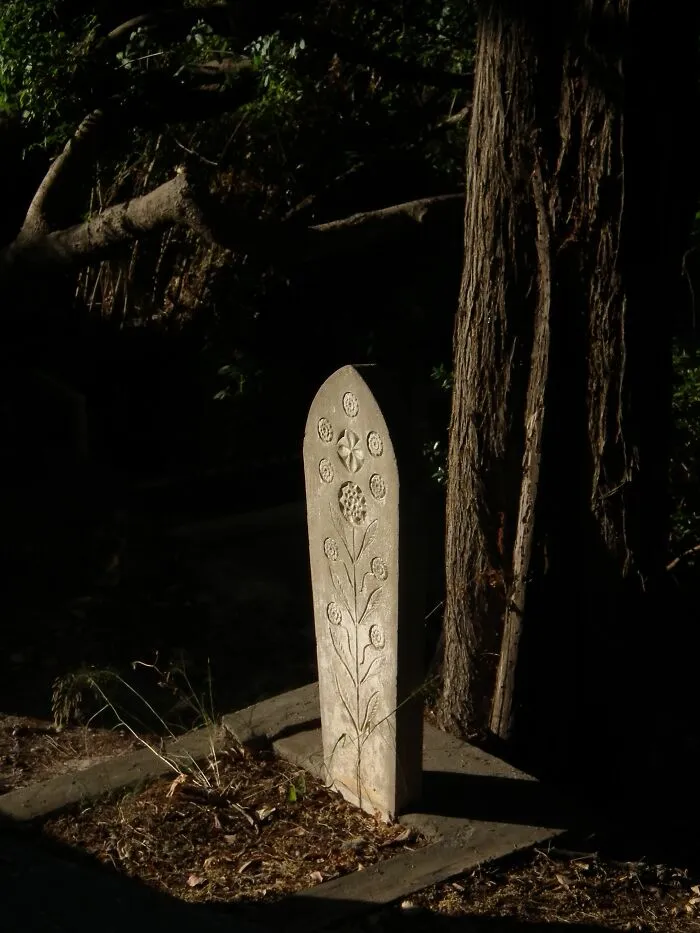
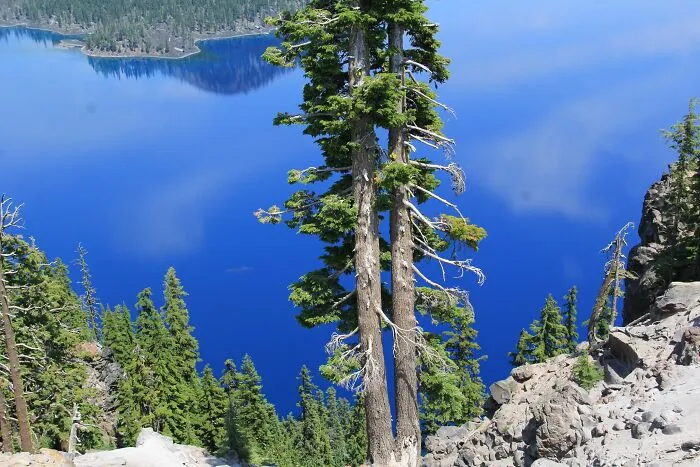
I think the most haunting part is that this isnt just some random ghost story, the landscape itself is still there as evidence of the event the story remembers
#12

Of course, not every legendary creature comes from the land. Some of the most terrifying ones are said to live beneath the waves. The Kraken, for example, comes from Scandinavian folklore and is often described as a gigantic sea monster that can drag entire ships into the ocean depths. Early stories described it as so enormous that sailors could mistake parts of its body for islands. While the real giant squid isn't exactly out there attacking ships, sightings of unusually large squids and octopuses may have helped inspire these frightening tales. For sailors facing the vast and mysterious ocean, it's easy to imagine how strange creatures appearing from the deep could eventually become stories about a monster powerful enough to swallow a ship whole.
#13
There's also the Creature of Boggy Creek, also known as the Fouke Monster. The earliest report of a sighting was in 1851 in the Memphis Enquirer. The first movie was made in 1972 (with four sequels), and since 2013 there's been a festival dedicated to it, with proceeds going to the local school district.
The White River has the White River Monster and even has the White River Monster Refuge(WRM Refuge) that was passed by the Senate in 1973 and sponsored by Senator Bob Harvey. The WRM refuge is located between two points. The southern point is known as the Old Grand Glaize, and the northern point is known as Rosie. It is illegal to hurt the White River Monster in this refuge. Sightings of the White River Monster, known as Whitey, began back in 1915 near Newport, and they are loved by the locals. People hypothesize that Whitey is anything from an alligator gar to an elephant seal.
#14
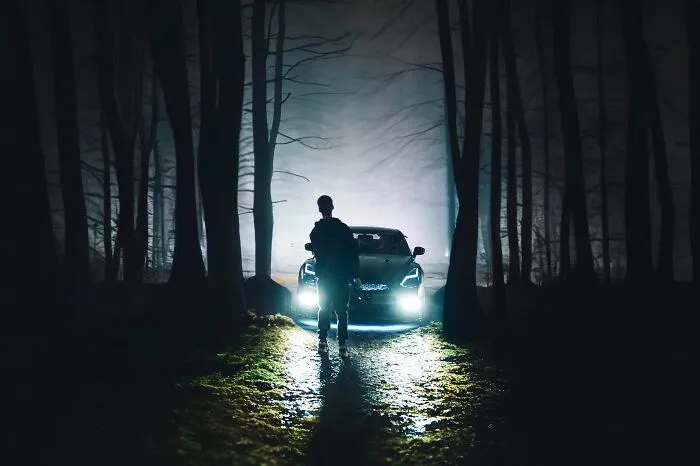
The Anson lights, just outside of Abilene, Texas
Legend has it there was a small family living out there, and the mother would tell her children that when they were out playing past dark to keep an eye out for when they saw her lantern flashing and to flash theirs back, and to come home.
One night, her children didnt come home.
Allegedly her ghost is out there. If you park your car at the edge of the trees and flash your lights, you might see her flash hers back.
#15
susaneec:
I live in the southern Appalachians. It's beautiful here, truly. The mountains appear so gentle and green. But there are hollers that will swallow you. Between the caves and the bears and the people, you almost don't need anything else to make it dangerous for the unwary. But these mountains are older than bones. If there's a place in the world where the earth stores memories, for better or for worse, it's here.
Far from the cold Scandinavian seas, South African folklore tells of another enormous creature: the Grootslang. This legendary serpent is said to live deep inside a cave and, according to some stories, is as old as the Earth itself. The creature is often described as so large that it can devour elephants, while other versions of the legend claim it guards a hidden cavern filled with treasure and precious gems. Like many myths, the Grootslang may have been inspired by something very real—large African pythons, some of which can grow to impressive lengths. Of course, a 30-foot python is frightening enough without adding treasure, giant gems, and an ancient underground cave to the story!
#16
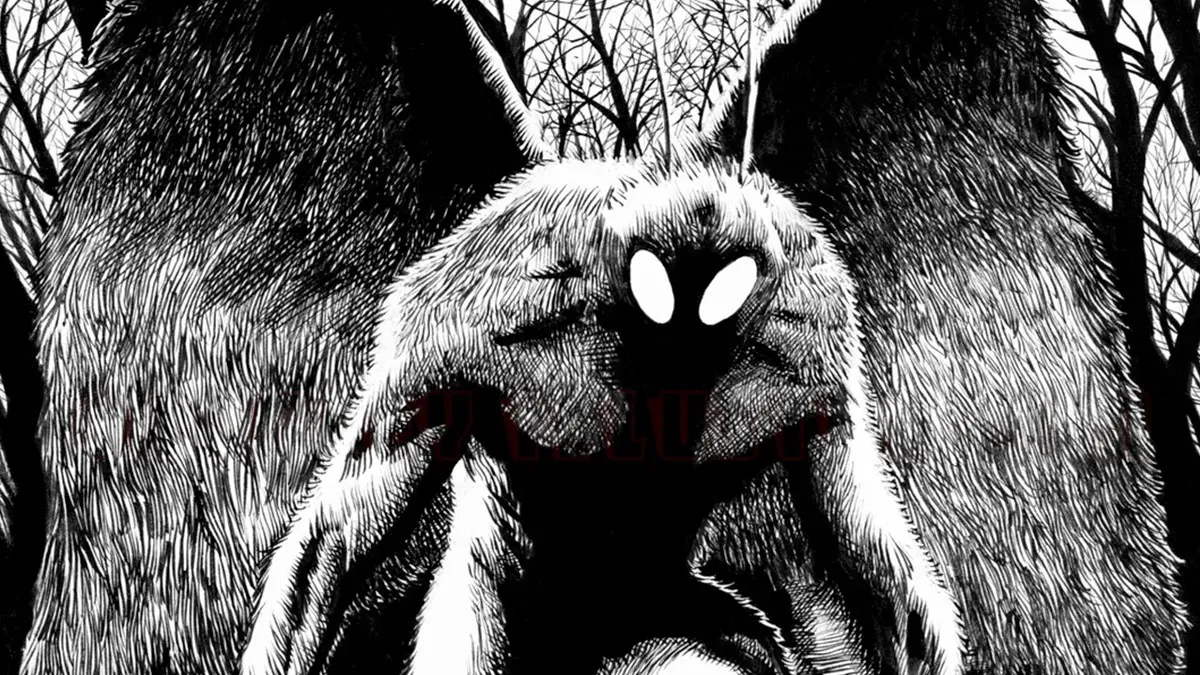
The bell witch, old green eyes, the black eyed children, and Mothman are all pretty cool!
#17

#18
Japan has its own famous water-dwelling creature: the kappa. In Japanese folklore, kappa are supernatural beings often associated with rivers, ponds, and lakes. They are usually depicted with a mix of human, monkey, reptilian, and turtle-like features, including a shell and a dish-like indentation on their heads that holds water. According to traditional stories, this water is the source of their supernatural strength. Fortunately for anyone who happens to meet one, folklore also provides a clever way to defeat a kappa: trick it into bowing. Because the creature is said to be extremely polite, it may return the bow, spilling the water from its head and losing its power. It's a wonderfully strange example of how even terrifying mythical creatures can come with surprisingly specific weaknesses.
#20
jarrettbrown:
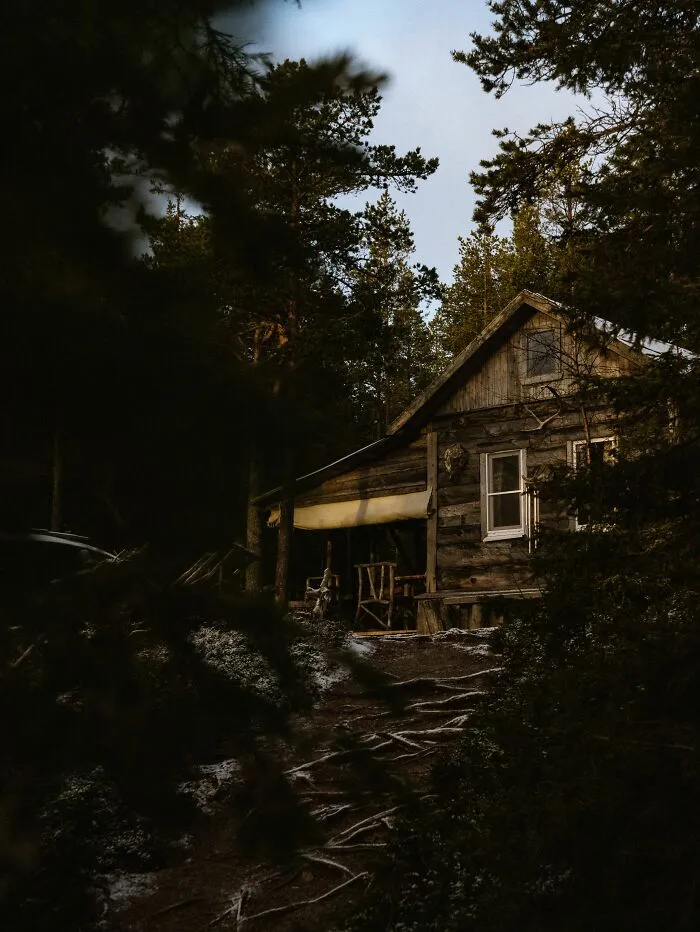
I had a buddy in college who's family had a cabin in the Pine Barrens and told me the best story. He had a sister who was five years younger than him and her Freshman year of high school, she made the varsity soccer team. The Seniors on the team wanted to do a harmless prank that would just be scary. He suggested that they bring the everyone that wasn't on varsity to the cabin and he'd act like the Jersey Devil and scare the [hell] out of them. He did this every fall four years and it was a hit with everyone.