








Julian continues: “So, a community could be based on apathy. Indeed, I would be surprised if there are not many such spaces already in existence. Maybe you just turn up, and don’t bother to comment on anything."
Julian does note a nuance in such communities, though: communities might form with a shared interest, but they can also form in opposition to things. In fact, opposition is an easier force to create (“look at politics”). So, forming a community around, say, apathy, is possible, but forming a counter community that points at the former and says it’s stupid might work out even better.
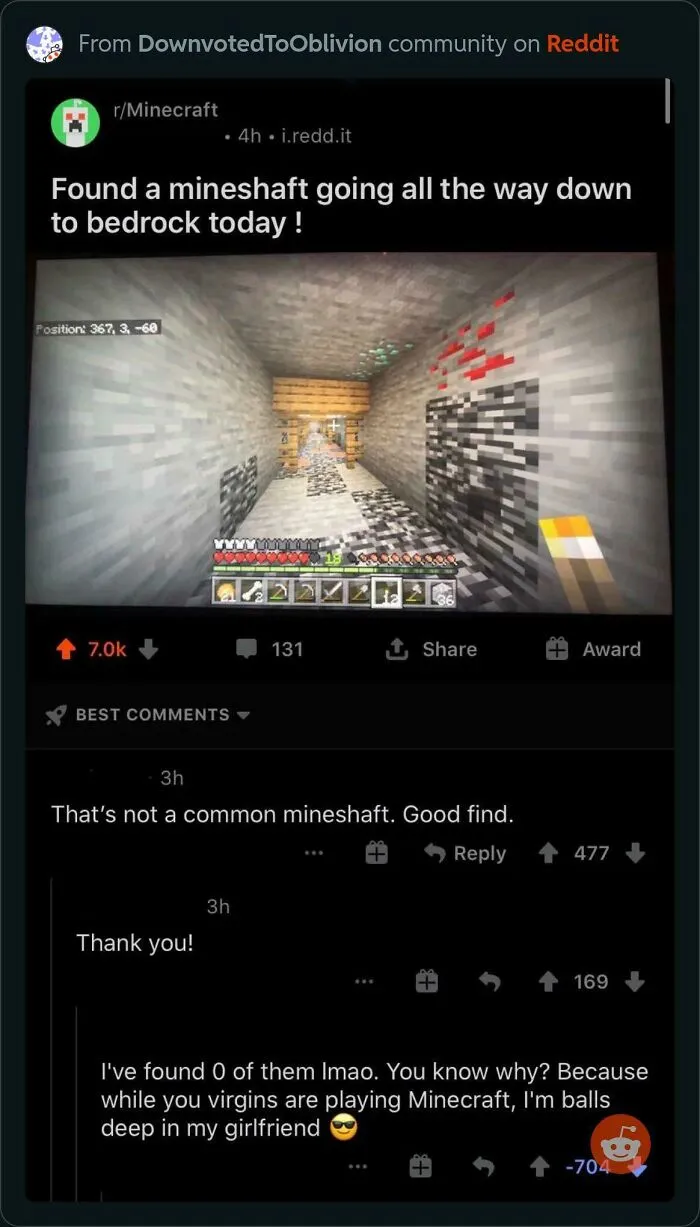
#23 They Were Talking About Overwatch Currency… This Dude Brought It To A Personal Level For No Reason

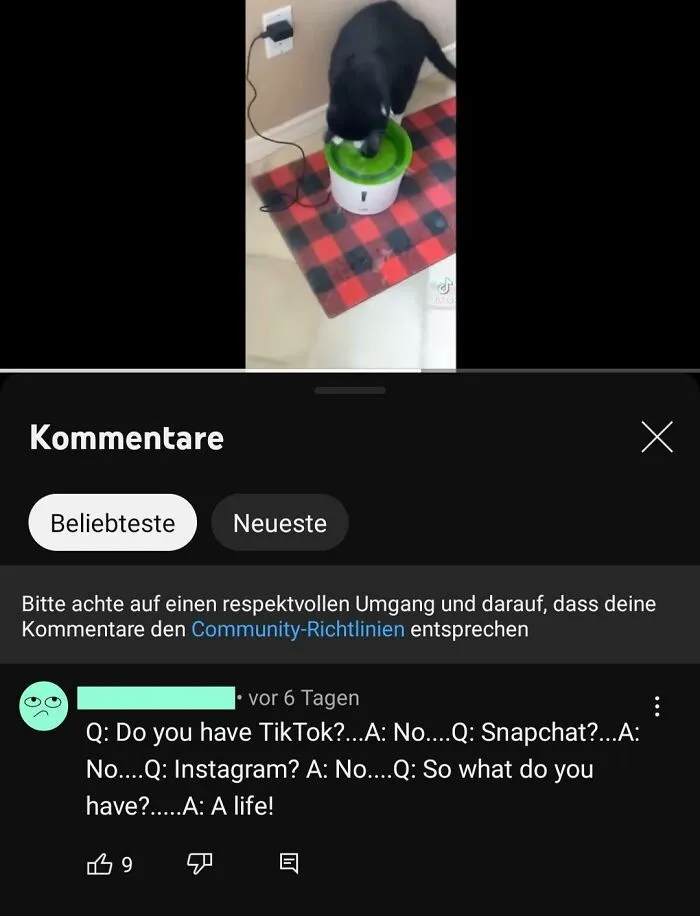
And the impact of such niche communities should not be understated. Julian explains that online communities provide a space to explore ideas, build new meaning, and create new vocabularies.
“I think that they fundamentally change our experience of what it is to be human—in many ways carrying us beyond our legacy boundaries of ‘country’, and notions of ‘citizenship’, which were largely defined by geography, transport technology, and whoever controlled the airwaves,” added Julian. “Today, you can be a member of many different—weird and wonderful—communities around the world, and find real value in them.”



He continued: “In my research on identity, we see people using these spaces to deliberately separate out and explore aspects of their ‘self’. Of course this can be both a good and a bad thing: without a breadth of opinions, without the opportunity to come up for air, people can get swept into fantasies and narrow perspectives that become toxic or tragic.”
“On the plus side, these niche communities permeate ideas into the wider society, may even form the foundations of the social movements that we need, for greater social justice and accountability—I mean, it’s a long way from a nerdy community on apathy to changing the world, but ideas have a way of spreading…”
“Or maybe there’s a more human and small-scale answer: it can be fun. If it brings a smile to your face, and to one other, then perhaps it’s worth it.”


You can explore more new ideas, the Social Age, leadership, culture, learning and many other concepts on Julian’s dedicated learning blog and by checking out Sea Salt Learning. You can also give them a follow on X, Facebook and LinkedIn.
But if you feel like scrolling, then Bored Panda has another article about this very same online group, or you can just visit the group itself.
