



Learning resources abound online and in print. YouTube channels and woodworking blogs offer video tutorials that walk you through every stage of a project, often with tips for avoiding common pitfalls. Local libraries carry illustrated guides to hand tools, joinery techniques, and finishing methods.



Community woodworking clubs or makerspaces can provide hands-on instruction and access to tools you don’t own. Many hardware stores also offer weekend classes where you can practice under the guidance of an experienced instructor.



Finally, embrace the learning curve. Woodworking is as much about problem‑solving and patience as it is about creativity. If a cut is slightly off or two boards don’t align perfectly, view it as a chance to refine your technique. Each mistake teaches you more than a flawless build ever could. Celebrate progress rather than perfection, and remember that even seasoned woodworkers constantly hone their skills.


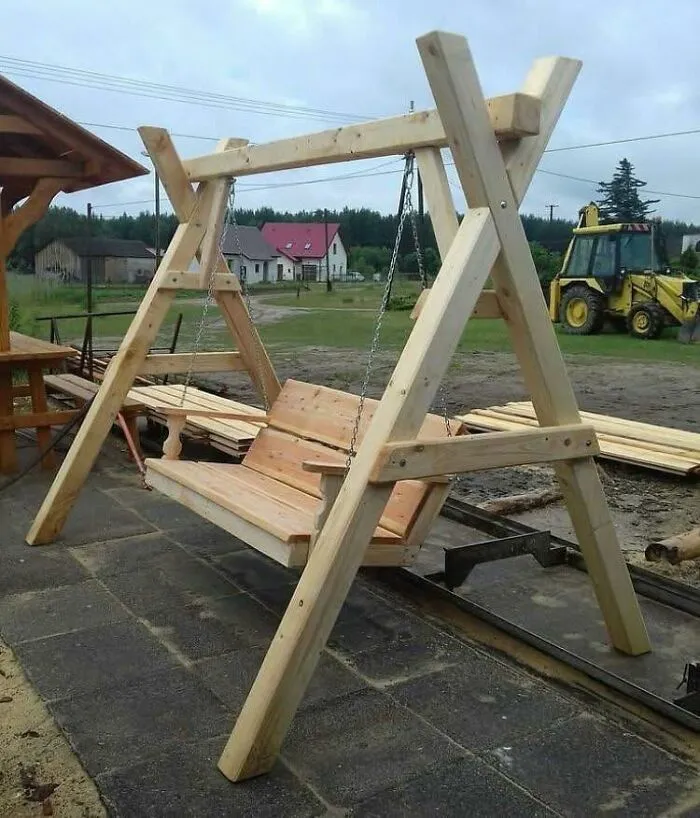
By carving out a simple workspace, gathering essential tools, prioritizing safety, choosing beginner-friendly projects, tapping into learning resources, and cultivating patience, you’ll find woodworking at home to be a deeply satisfying, and surprisingly accessible, hobby. Before long, you’ll look around your living room and see not just furniture, but a gallery of your own handiwork.