


Bored Panda
50 Times Shrinkflation Was So Obvious It Felt Like A Scam
CuriositiesMAY 24, 2025

50 Times Shrinkflation Was So Obvious It Felt Like A Scam

66
16
Have you ever noticed that the detergent you always buy somehow runs out quicker or that the cookies you love don’t even last five minutes in your household anymore?
Well, chances are that has something to do with “shrinkflation”—the process of items becoming smaller in size or lower in quality, yet maintaining the same price tag. Unsurprisingly, such changes are not usually advertised, so it might not be easy to notice when certain items have been reduced—be it in quality or quantity—but some people do notice. Not only that, they take pictures, too, and share them with the world.
On the list below, you will find a bunch of such pictures, depicting instances of shrinkflation that would make many consumers seriously annoyed. There, you will also find Bored Panda’s interview with an expert in shrinkflation, former Massachusetts assistant attorney general in consumer protection, Edgar Dworsky, who was kind enough to answer a few of our questions about the process.

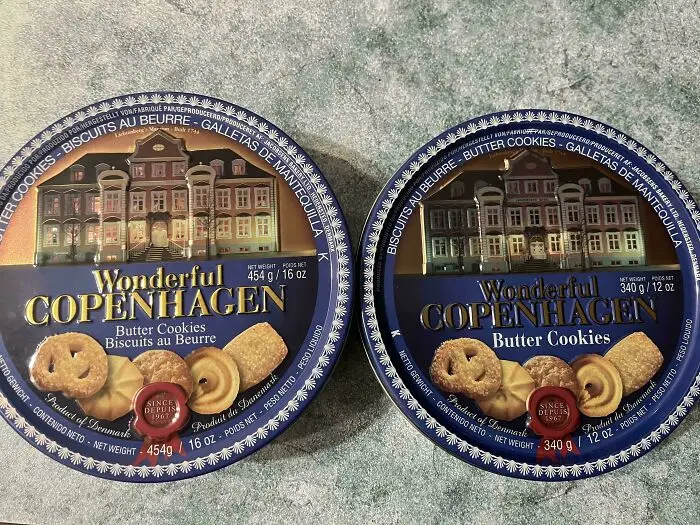
#1 Sewing Kits Are Now Affected By Shrinkflation :(

Two round tins of Wonderful Copenhagen butter cookies showing smaller product size, illustrating products getting smaller and more expensive.
Report
76points

#2 When You Make The Popsicle Smaller, But Don't Adjust The Popsicle Stick Size Or How Far The Machine Dips It In Chocolate
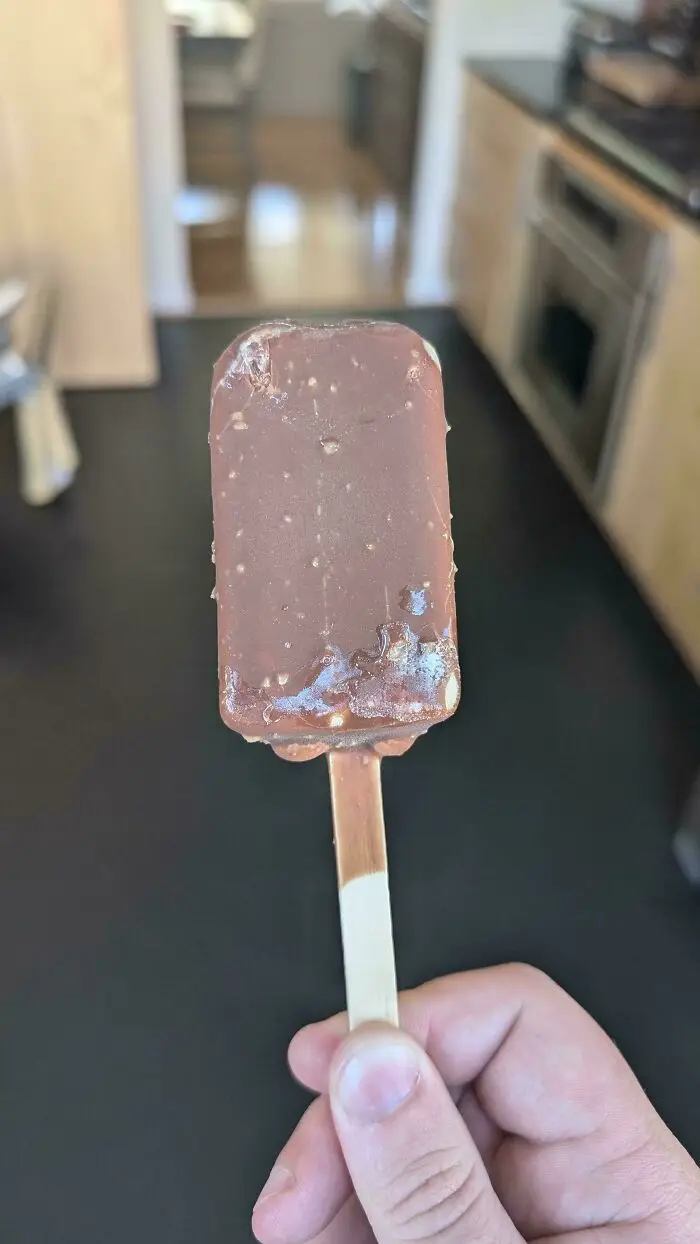
Chocolate ice cream bar held in hand, illustrating smaller and more expensive products in a modern kitchen setting.
66points

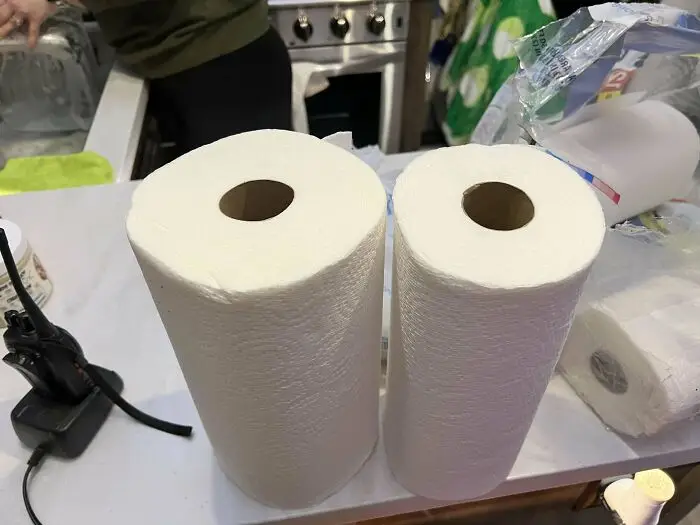
#3 Same Package, Purchased A Month Apart

Two rolls of paper towels side by side on a counter showing products getting smaller and more expensive over time
Report
61points

Seeking to learn more about shrinkflation and what that means to us as consumers, we got in touch with a shrinkflation expert, former Massachusetts assistant attorney general in consumer protection, and founder of Consumer World, Edgar Dworsky, who explained that the goal of shrinkflation is for companies to manage their costs without having to noticeably raise prices for consumers.

“When manufacturers face increased costs for raw materials, transportation, and so on, they have to decide how and if to pass on those costs to consumers. Companies know that shoppers are very price-conscious and will likely notice any significant price hike. But they also know that if they reduce the size of a product slightly, fewer consumers will notice, so they can pass on the same price increase but in a more inconspicuous way,” he explained.
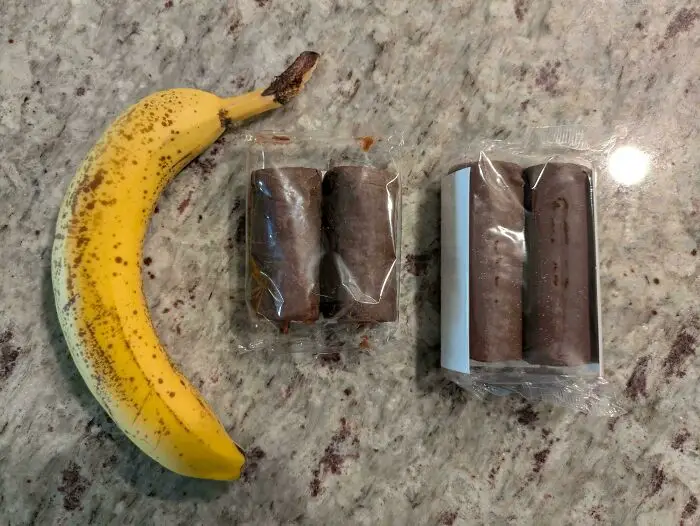
#4 New vs. Old Swiss Cake Rolls

Banana placed next to two smaller and more expensive chocolate snack packs on a granite countertop showing product size comparison.
57points

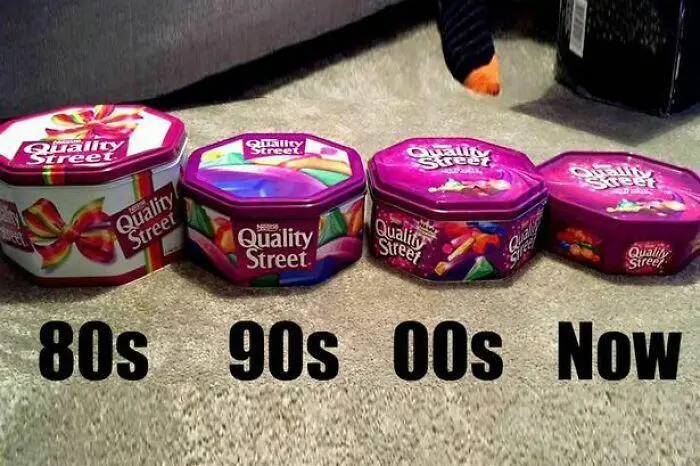
#5 Over The Years

Four Quality Street tins from the 80s to now showing products getting smaller and more expensive over time.
Report
54points

According to the expert, shrinkflation has been around at least since the 1950s. “I believe it will always exist because manufacturers would rather tinker with the net contents of a product rather than raise the price directly. Sometimes they actually do both,” he noted, adding that shrinkflation tends to come in waves, and that at times of high inflation, we are likely to see more examples of it.

#6 Pringles Can I Saved For An Art Project Roughly 10 Years Ago, vs. One I Bought Yesterday
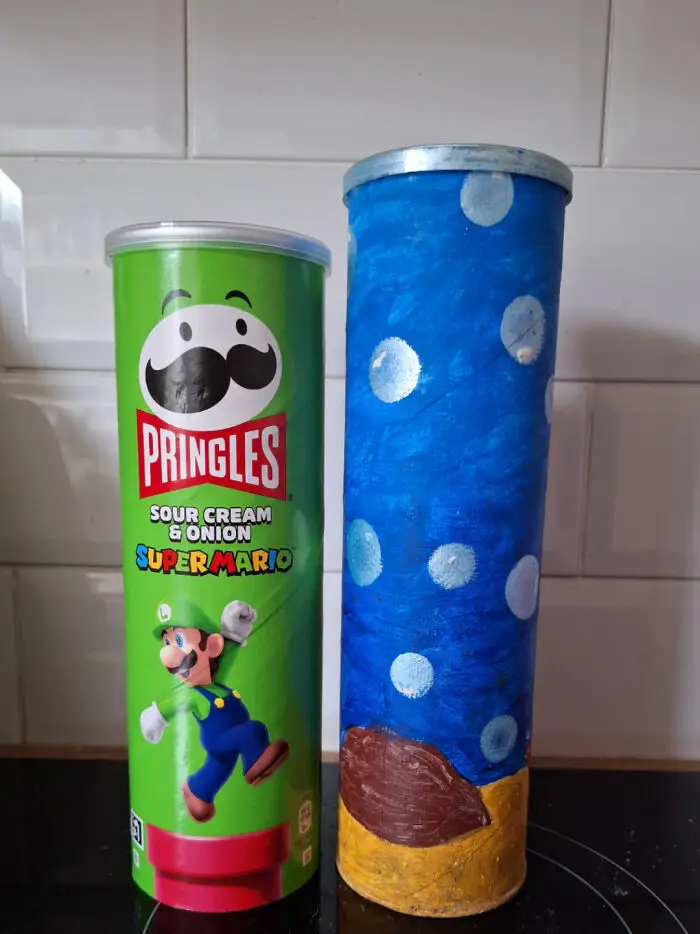
Two Pringles cans side by side showing product size difference, illustrating products getting smaller and more expensive.
Report
54points

#7 String Cheese I Get Every Week, Left Is Old And Right Is New (All The New Ones In The Bag Were Smaller)
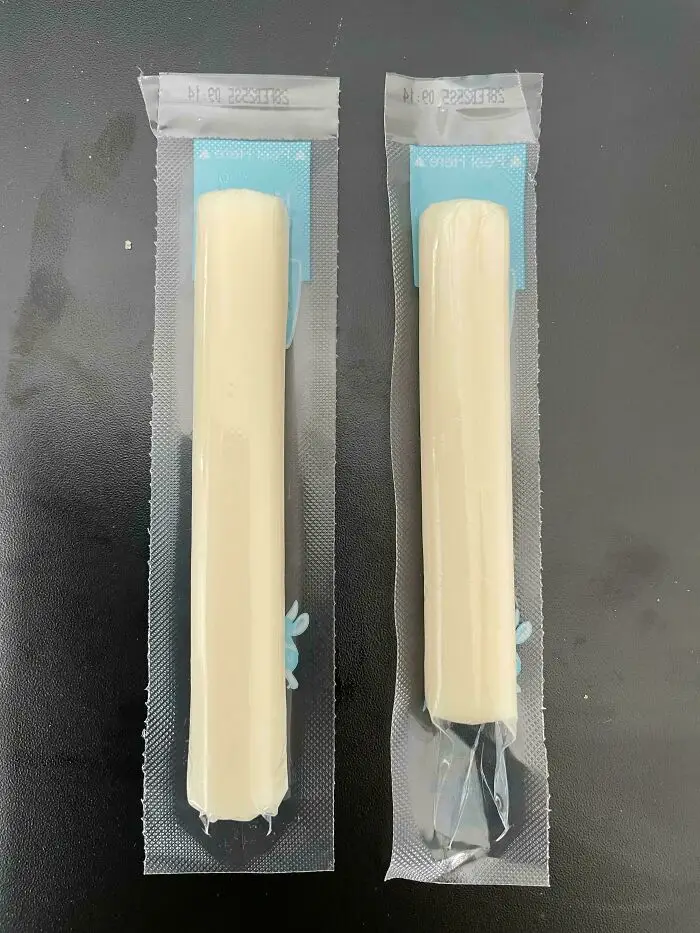
Two individually wrapped cheese sticks placed side by side showing smaller product size comparison and price trend.
53points

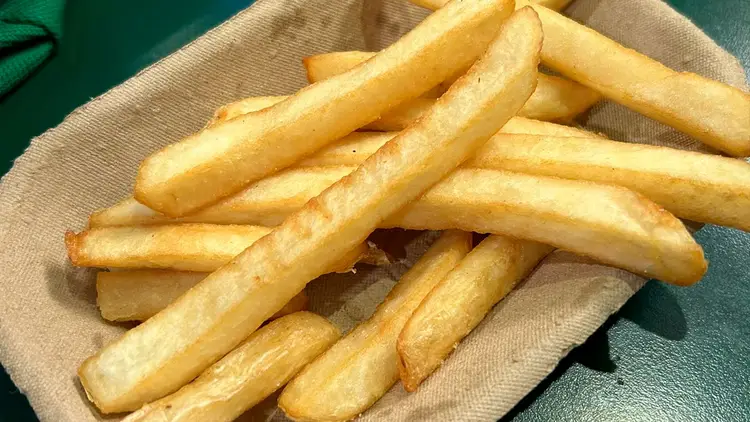
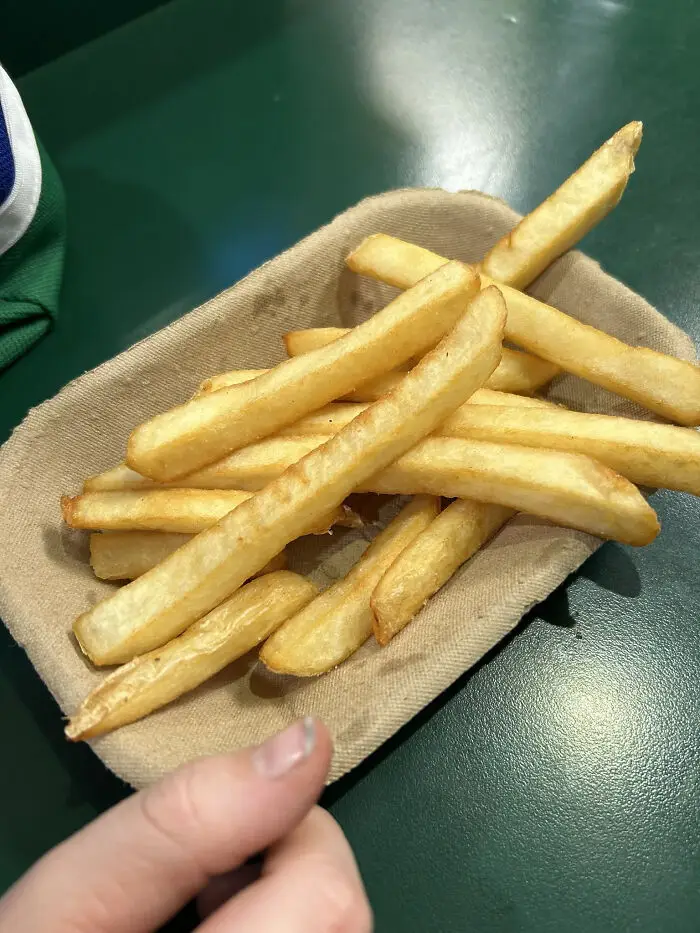
#8 "Fries". $7.99. Hockey Arena. Canada

Small portion of French fries in a tray held by a hand, illustrating products getting smaller and more expensive trend.
53points

Talking about how shrinkflation affects consumers, their spending habits, and their views of certain brands, Dworsky gave a real-life example, making it pretty clear how consumers suffer from such changes:

“If you get two ounces less in each cereal box, that’s two bowls of cereal less. [That means], you will have to buy the product more often. Simply Orange just reduced their bottles of orange juice from 52 ounces to 46 ounces—that is one less glass of orange juice. Again, you will have to shop more often for that product too.”

The expert added that some shoppers who find out that their favorite brand has downsized vow to switch to a competitive brand, which means that manufacturers downsize at their own risk. And yet, even with that in mind, many of them choose that route.
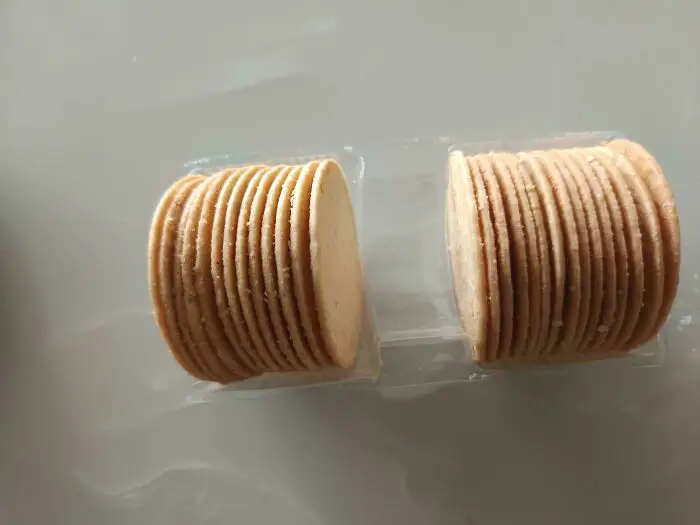
#9 Open To Package See Less Biscuits Then Expected

Stacked crackers in smaller packaging showing products getting smaller and more expensive with reduced quantity per pack.
51points

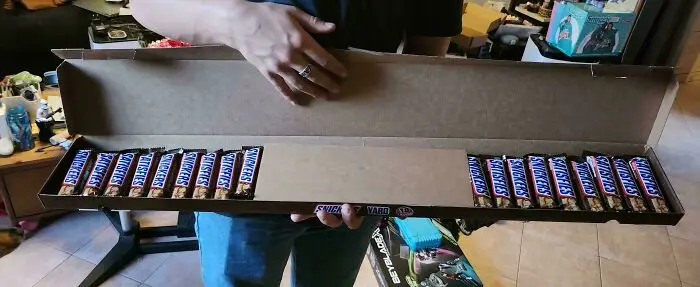
#10 Snickers "Yard" With Hollow Cardboard Center

Person holding a long box with many small Snickers bars, illustrating products getting smaller and more expensive.
51points

#11 In Hungary, There Are Disclaimers Which Warn The Customers That The Product Size Has Gotten Smaller
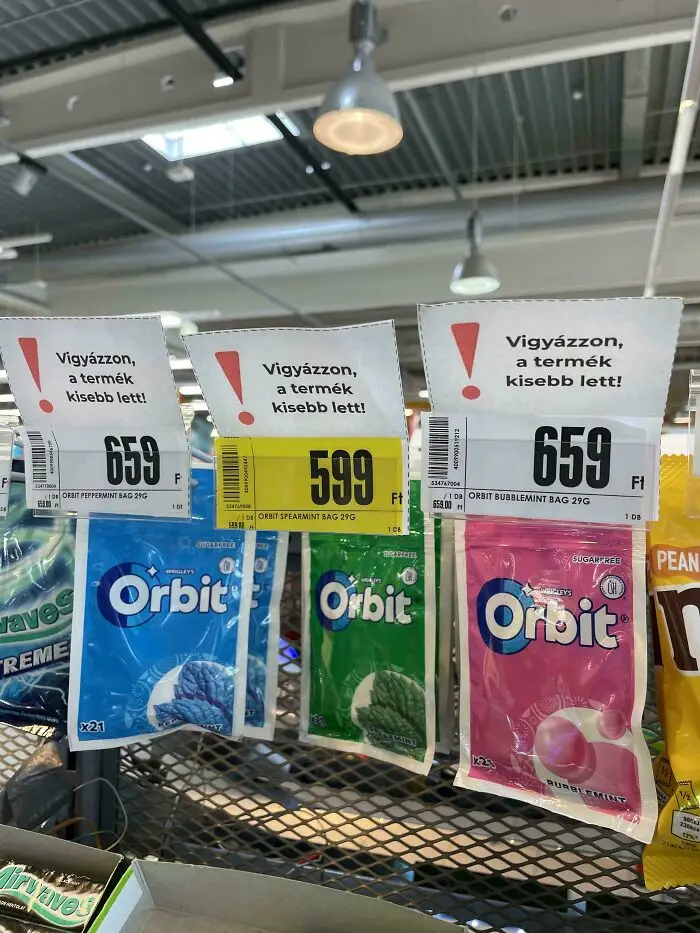
Orbit gum packs displayed with price tags warning that products are getting smaller and more expensive in a store setting.
Report
51points

“With all the attention the media has given to shrinkflation in the past couple of years, more and more shoppers notice it. But by no means is that anywhere close to the majority,” Dworsky said, delving deeper into how noticeable to consumers shrinkflation is.

“The changes can be so subtle that only those with a photographic memory will catch some of them. Some products may only be reduced by an ounce or two. Others, like detergents, may claim you get the same number of loads, but they have taken out, perhaps, 10 ounces from each jug.”
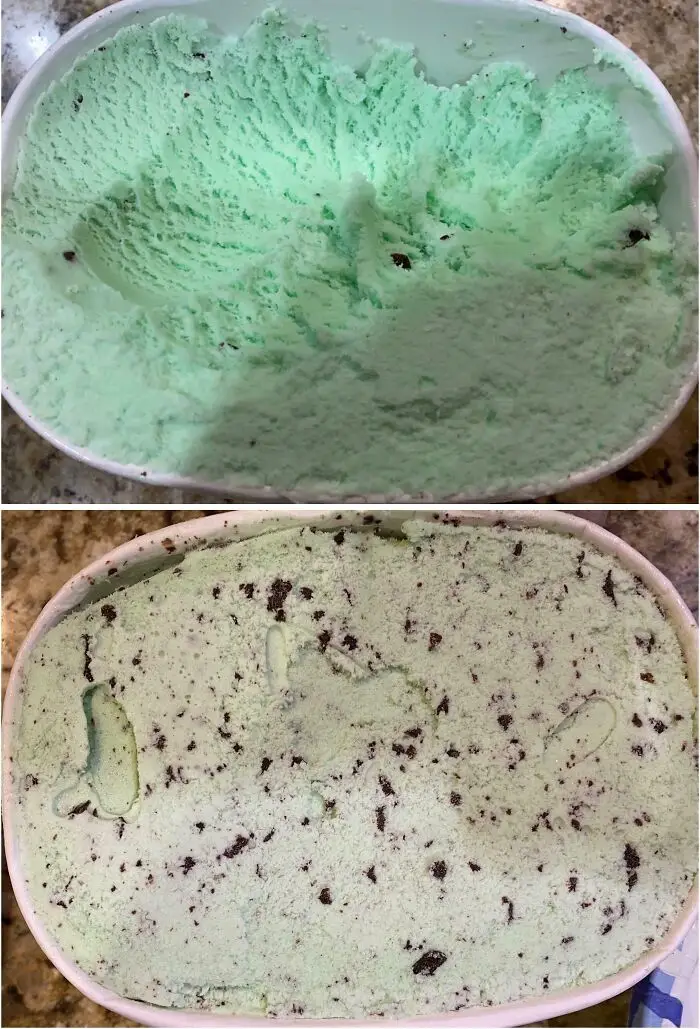
#12 What Happened To The Chocolate Chips?

Half-eaten and full mint chocolate chip ice cream tubs showing products getting smaller and more expensive comparison.
Report
45points

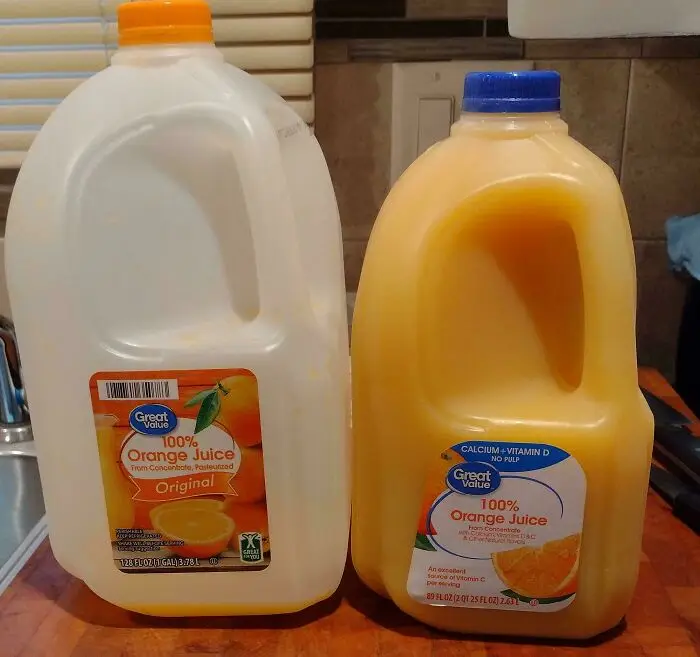
#13 I Know Its Cold In The Refrigerated Section, But Come On Walmart

Comparison of two orange juice containers showing products getting smaller and more expensive over time
Report
45points

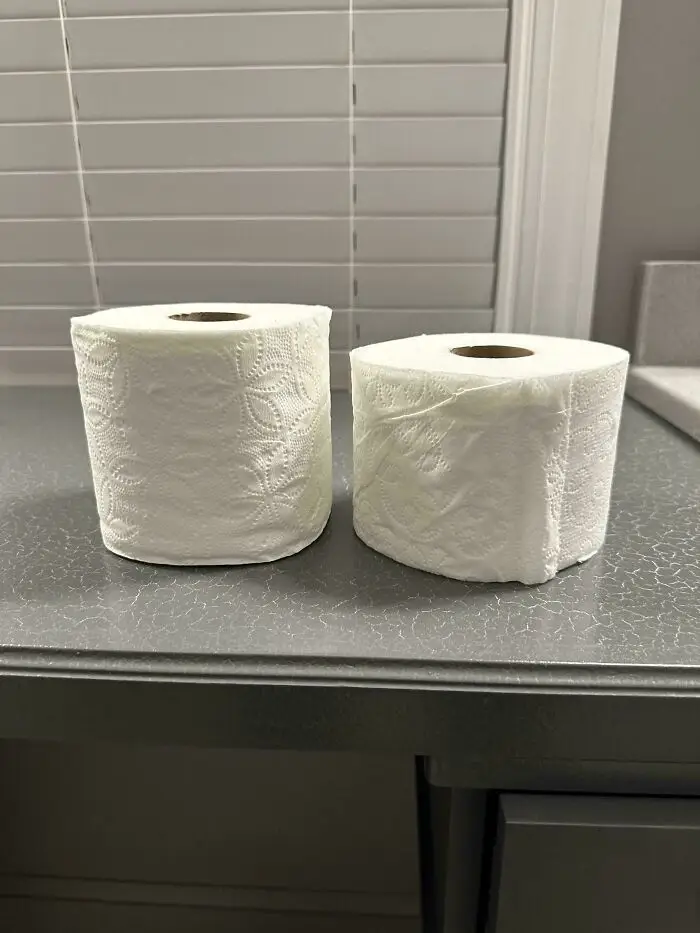
#14 So Sorry For Your Loss

Two toilet paper rolls on a counter showing smaller product size illustrating products getting smaller and more expensive trend.
44points

Summing up our conversation about shrinkflation, Dworsky suggested that shoppers need to become more “net weight conscious,” meaning that they should pay attention to the net weight or net contents of the products they buy on a regular basis. “How else are you going to spot a downsized product if you don’t know how today’s version of the product compares to yesterday’s?”
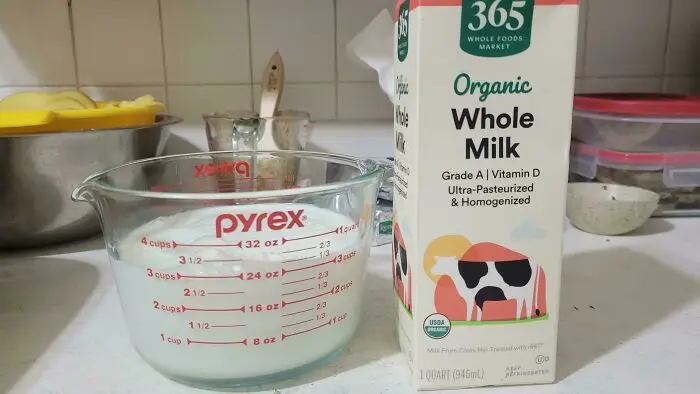
#15 My Quart Of Milk Only Had 3 Cups Of Milk In It

Measuring cup showing smaller product size next to a carton of organic whole milk illustrating product size changes.
43points

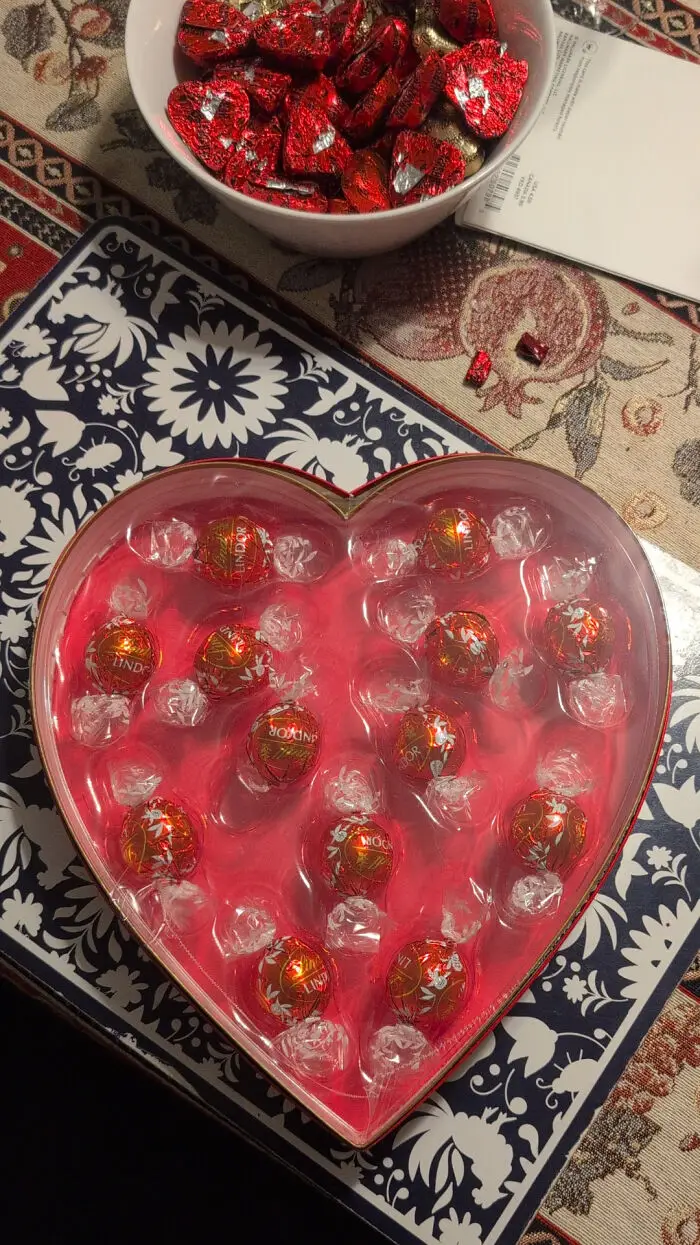
#16 This Is Probably Played Out Here, But This Is Egregious (Lindor)

Heart-shaped box with small chocolates inside next to a bowl of wrapped chocolates showing products getting smaller and more expensive.
43points

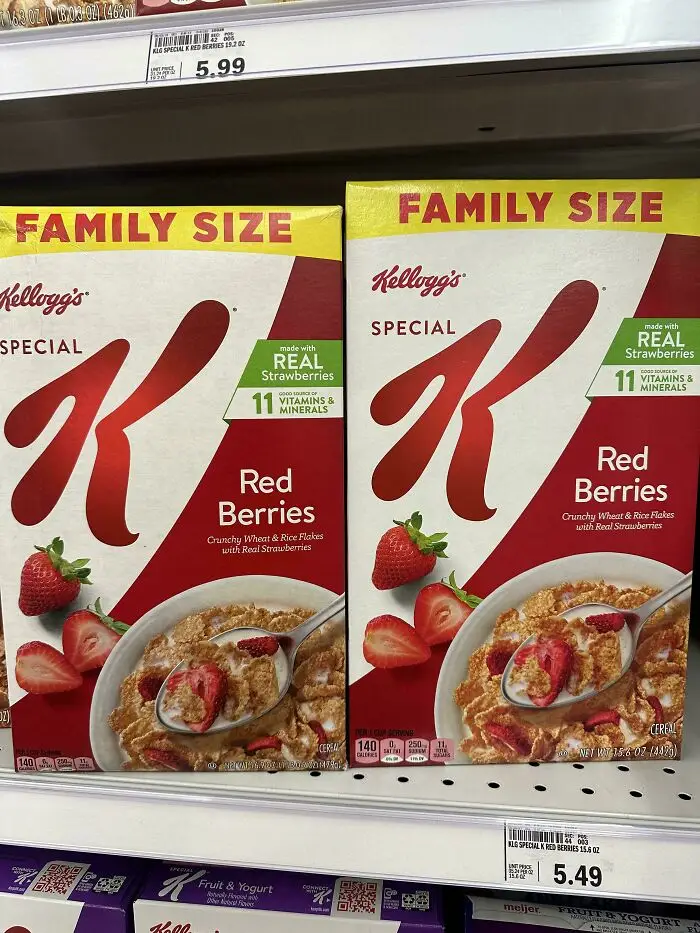
#17 Kellogg’s Increases The Height Of The Box, But Lowers Ounces

Two Kellogg's Special K Red Berries cereal boxes showing size comparison and product price highlighting smaller products.
42points

#18 Halloween Candy Shrinkflation Has Hit A New Low. These Are About 1/2 To 1/3 The Size A Fun Sized Bar Used To Be. They Can Only Fit One "S" On The Snickers Bar
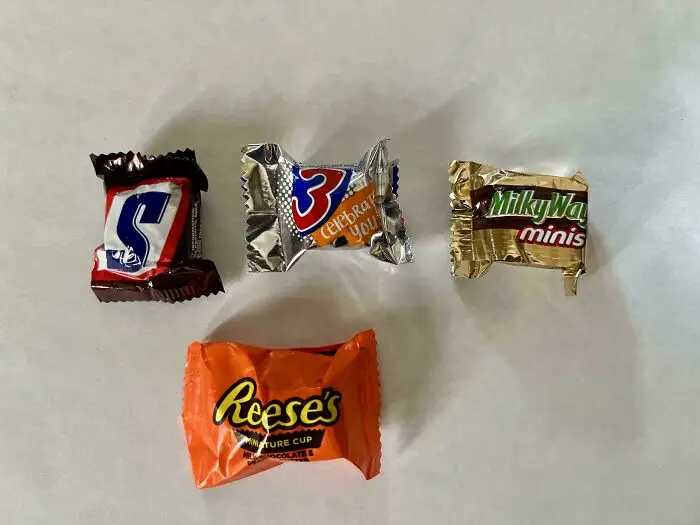
Small candy bars including Snickers, 3 Musketeers, Milky Way, and Reese's, illustrating products getting smaller and more expensive.
Report
42points

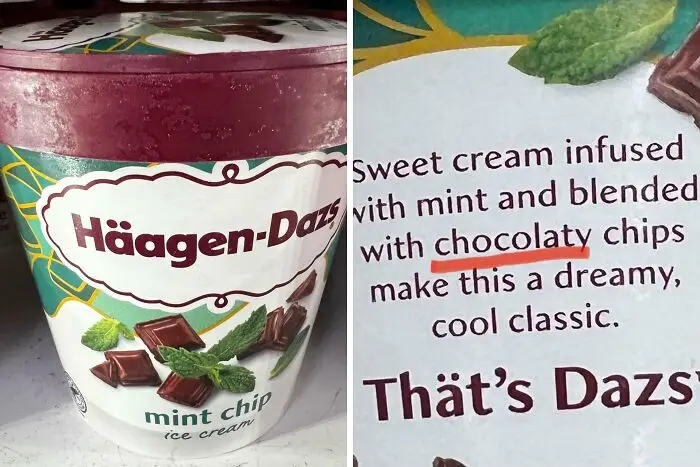
#19 This Used To Be A Premium Ice Cream

Small Häagen-Dazs mint chip ice cream container showing product size change in the trend of products getting smaller and more expensive.
Report
42points

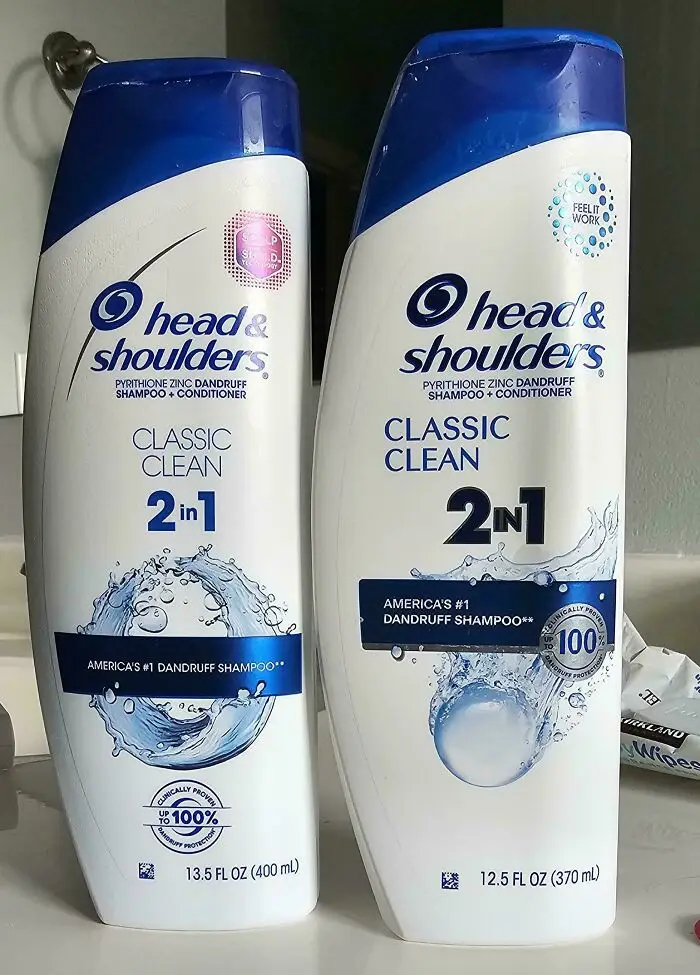
#20 Bigger Bottle. Less Shampoo

Two Head & Shoulders shampoo bottles showing smaller product size, illustrating products getting smaller and more expensive.
40points
66
16