





Buckle up, wanderlusters, because Mother Nature is about to flex her most spectacular creations! From the mind-bending depths of the Grand Canyon to the depth of the Great Barrier Reef, these natural wonders make your Instagram filters look like child's play. While the "New 7 Wonders of Nature" might get all the social media glory, we're diving deep into ALL the incredible finalists that deserve your bucket list attention.
We're talking about places where mountains pierce clouds, waterfalls create permanent rainbows, and underground rivers glow like something from Avatar. Whether carved by millions of years of patience or created in explosive moments of geological drama, these 28 extraordinary sites prove that Earth was into creating viral-worthy content long before we humans came along with our cameras. Warning: This list may cause severe wanderlust and spontaneous flight booking.
#21 Komodo
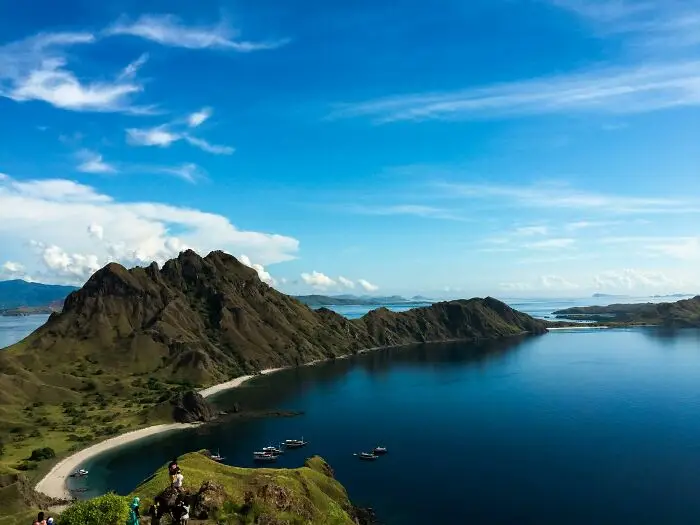
Komodo is one of Indonesia's 17,508 islands and is famous for being the habitat of the Komodo dragon, the largest lizard on Earth. The island covers an area of 390 square kilometers and has a population of over 2,000 residents, primarily descendants of former convicts and Bugis from Sulawesi. The inhabitants mostly practice Islam, with some Christian and Hindu communities. Komodo is part of the Lesser Sunda Islands and includes the Komodo National Park. It is also a popular diving destination and falls under the East Nusa Tenggara province.
8points
#22 Uluru
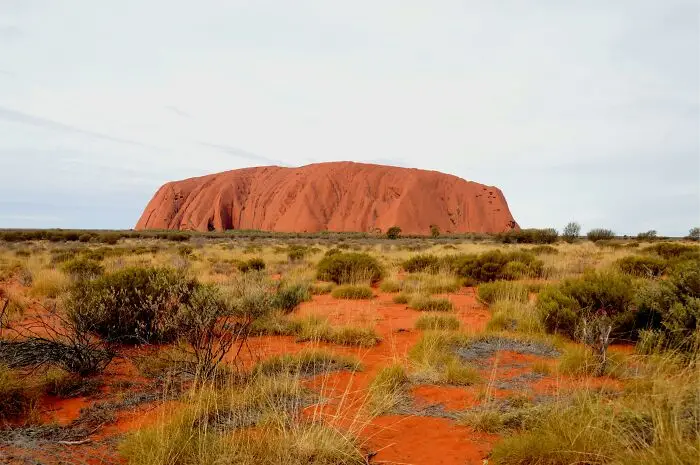
Uluru (Pitjantjatjara: Uluṟu), also known as Ayers Rock, is a large sandstone rock formation located in the southern part of the Northern Territory, Australia. It is situated 335 kilometers (208 miles) southwest of Alice Springs and 450 kilometers (280 miles) by road. Along with Kata Tjuta, Uluru is a prominent feature of Uluṟu-Kata Tjuṯa National Park. The rock is sacred to the Pitjantjatjara Anangu, the local Aboriginal people, and the surrounding area features springs, waterholes, rock caves, and ancient paintings. Uluru is recognized as a UNESCO World Heritage Site.
8points
#23 Yushan
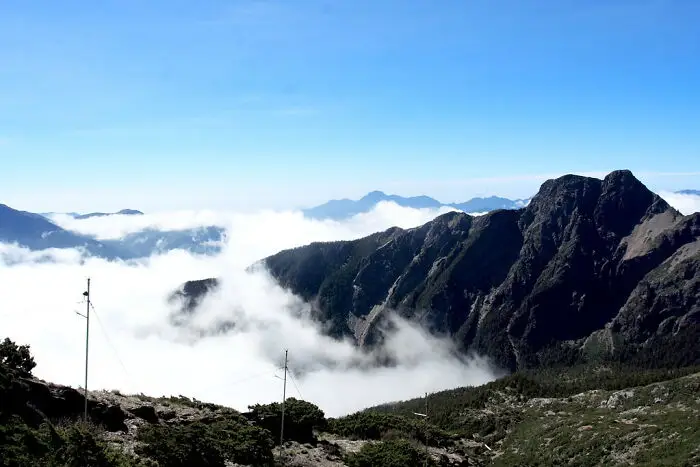
Yushan (Chinese: 玉山; pinyin: Yù Shān), or Jade Mountain, is the highest peak in Chinese Taipei at 3,952 meters (12,966 feet) and the fourth highest on an island. Previously known as Mount Morrison, it earned its name due to its snow-capped peak resembling jade. Yushan was a finalist in the New7Wonders of Nature campaign in 2009. Located in Yushan National Park, Taiwan's largest and least accessible national park, it boasts diverse endemic species. Yushan's formation resulted from the Eurasian Plate sliding over the Philippine Sea Plate, with ocean depths exceeding 4,000 meters (13,100 feet) off the east coast.
8points
#24 Sundarbans
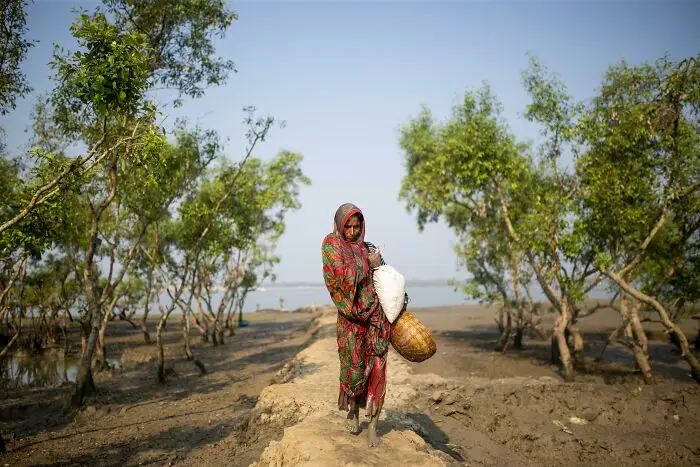
The Sundarbans (Bengali: সুন্দরবন, Shundôrbôn) is a natural region spanning southern Bangladesh and part of West Bengal, India. It is the world's largest tidal halophytic mangrove forest, covering approximately 10,000 square kilometers (3,900 sq mi), primarily in Bangladesh. The Sundarbans is a UNESCO World Heritage Site and includes three protected forests in Bangladesh: Sundarbans South, East, and West. This area is known for its dense mangrove ecosystems and serves as the largest reserve for the Bengal tiger. Additionally, the Sundarbans National Park is a Tiger Reserve and Biosphere Reserve located in the Indian delta.
8points
#25 Bu Tinah
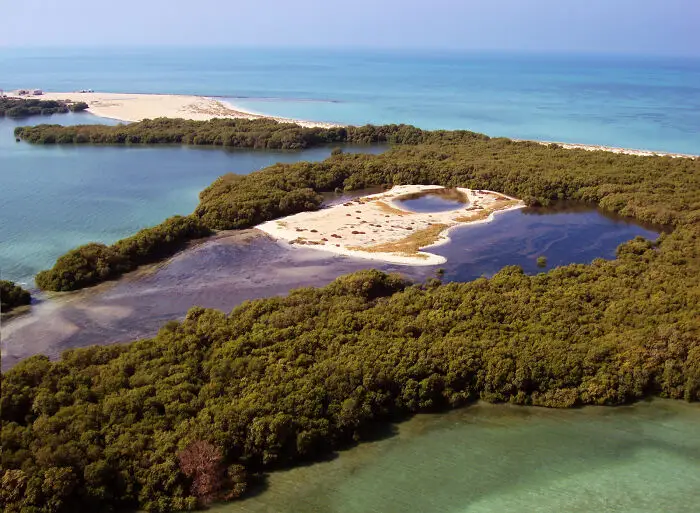
Bu Tinah (Arabic: بوطينة, Būṭīnah) is a small archipelago in the United Arab Emirates, located 25 km south of Zirku and 35 km north of Marawah. It is part of the Marawah Marine Biosphere Reserve, the region's first UNESCO-designated marine biosphere site. Closed to visitors, Bu Tinah is rich in biodiversity and supports mangroves, coral reefs, and endangered species like the hawksbill turtle and dugongs. The island's thriving marine habitat is important for climate change research, demonstrating resilience in high temperatures and salinity, and it is a designated protected area in Abu Dhabi.
8points
#26 Black Forest
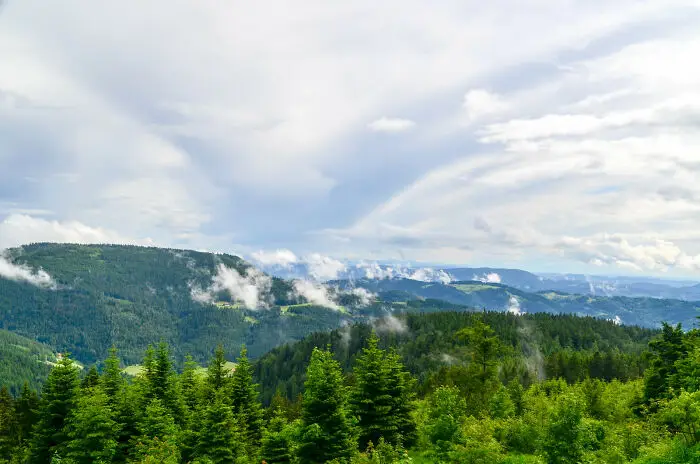
The Black Forest (German: Schwarzwald) is a mountainous forested region in Baden-Württemberg, southwestern Germany. It stretches approximately 160 kilometers (99 miles) long and up to 60 kilometers (37 miles) wide, bounded by the Rhine valley to the west and south. The highest peak is Feldberg, at 1,493 meters (4,898 feet). This region is primarily wooded and composed of crystalline basement rocks and Bunter Sandstone. Its natural boundary features a vegetation line that separates the fertile Altsiedelland from the less inhabited Black Forest, which saw permanent settlement during the High Middle Ages. Tectonically, it appears as a raised fault block, resembling a heavily forested plateau from the east.
7points
#27 Masurian Lake District
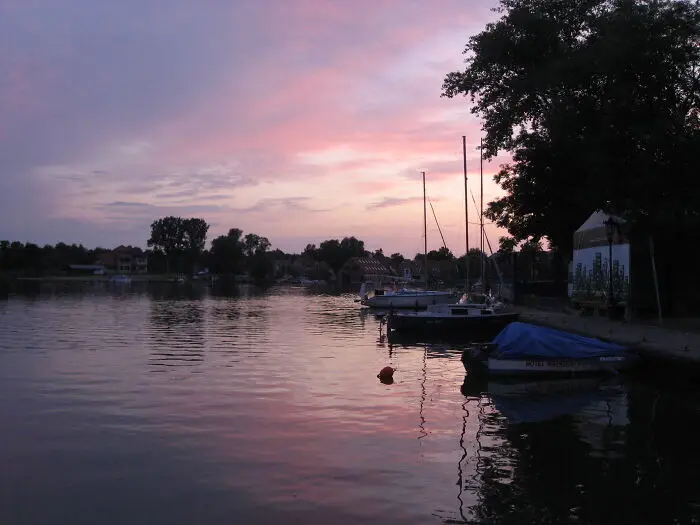
Masuria (Polish: Mazury; German: Masuren) is a picturesque region in northern Poland, renowned for its 2,000 lakes. Once part of East Prussia inhabited by Polish-speaking, Lutheran Masurians, it occupies much of the Masurian Lake District and is included in the Warmian-Masurian Voivodeship, with Ełk as its largest city. Covering about 10,000 km² and home to around 500,000 people, Masuria is known as Kraina Tysiąca Jezior in Polish and Land der Tausend Seen in German. The lakes, formed by glaciers during the Pleistocene ice age, create a hilly terrain interspersed with rivers and forests, which cover about 30% of the area.
7points
#28 Bay Of Fundy
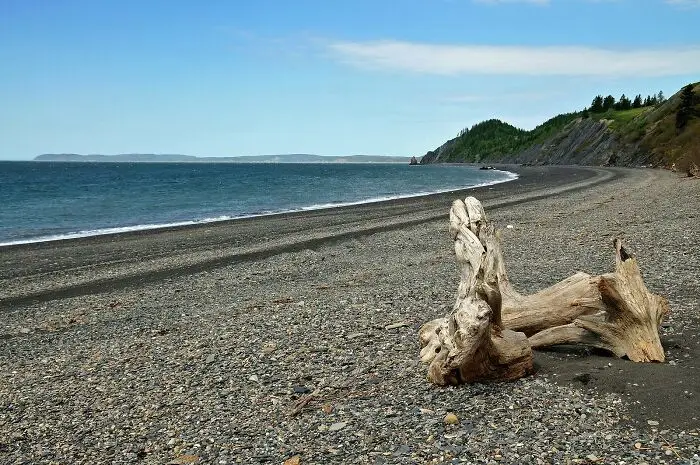
The Bay of Fundy (French: Baie de Fundy) is located on the Atlantic coast of North America, between New Brunswick and Nova Scotia in Canada, touching a small area of Maine. The name "Fundy" may derive from the French word "Fendu" (meaning “split”) or the Portuguese "funda" (meaning “deep”). Known for having the highest tides in the world, Burntcoat Head in Nova Scotia features a mean spring range of 14.5 meters (47.5 feet). The bay is part of the Western Hemisphere Shorebird Reserve Network and is managed by New Brunswick, Nova Scotia, and the Canadian Wildlife Service.
6points