



#1

#2
#3
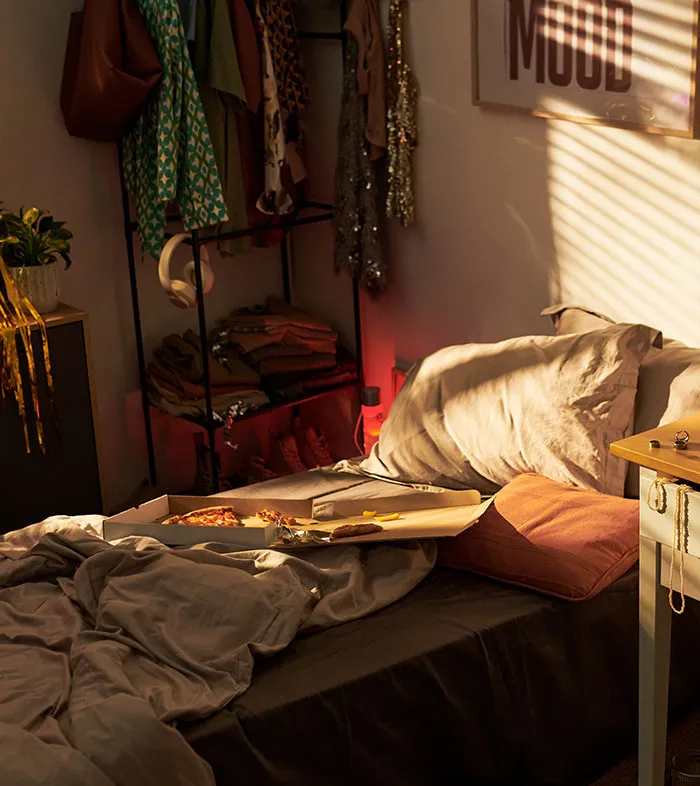
The flight response is not a metaphor or something reserved for a vulnerable antelope in the savannah. When something feels instinctively wrong, the amygdala, the brain's threat detection center, fires before the conscious mind has had a chance to process what it is reacting to. Heart rate increases, stress hormones are released, and the body begins preparing to move before you have finished forming a coherent thought about why.
This is the system that kept humans alive for thousands of years, and it has not been updated for modern social situations. It cannot distinguish between a predator in the undergrowth and a shelf filled with hundreds of porcelain dolls staring back at you. Both register as a problem. Both get the same response.
#4

#5
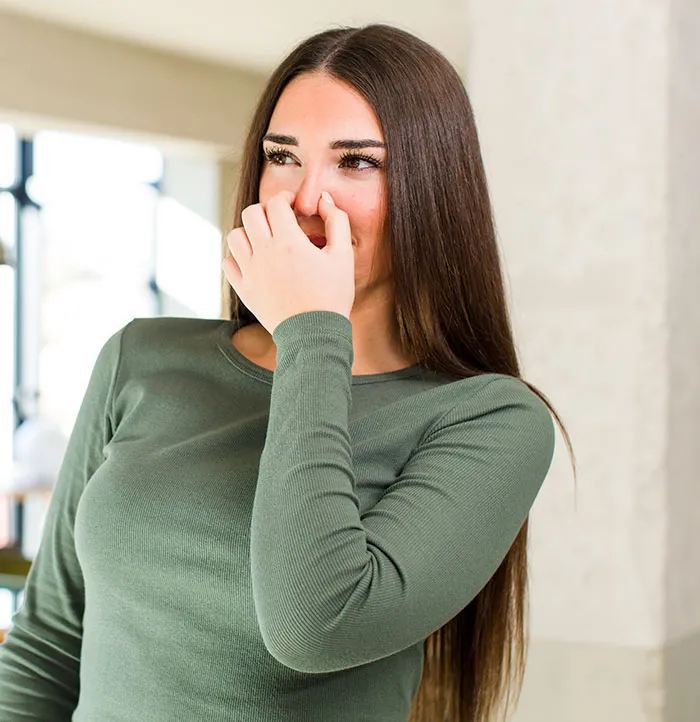
And he did not have any medical or mental conditions. He was just too lazy to get up sometimes.
#6

What a home reveals about its occupant is something psychologists have been studying for longer than most people realize. Sam Gosling, a personality psychologist at the University of Texas, spent years researching how personal spaces communicate identity and found that a person's home is one of the most accurate windows into their psychology available.
More accurate, in many cases, than a direct conversation, because people forget to curate the details they live with every day. You get to see the books they actually read rather than display, and the state of a space that no guest is supposed to see. The thing on the wall they stopped noticing years ago is still there, because the home is not a performance; it is the evidence.
#7

#8

No, nobody was in the closet. But a piece of cardboard about my height was. With labeled used c**doms pinned to it. It had to be about 30 or so on there.
I got the f**k out of there so fast.
#9

I didn’t sleep a wink or eat a bite of food in that house.
Nightmare.
The brain makes a judgment about a new environment within milliseconds, and research on environmental psychology suggests those snap assessments are more very accurate. In Gosling's paper "A Room With a Cue," he wrote that people could reliably identify personality traits from a photograph of someone's bedroom alone, with accuracy rates well above chance for traits like openness, conscientiousness, and emotional stability.
The instinct that something is off in a space is rarely random. It is pattern recognition operating faster than language can keep up with, which is why the feeling arrives before the explanation does. So trust it!
#10
#11
#12

Hoarding disorder affects an estimated 2.5% of the population and is classified as a distinct mental health condition in the DSM-5, characterized by persistent difficulty discarding possessions regardless of their actual value. It is very different from "collecting", which involves intentional curation and organization, or general untidiness, which involves not putting things away.
Hoarding produces environments where navigating a room becomes physically difficult, where surfaces have disappeared entirely, and where the accumulation has developed its own internal logic that is visible only to the person living inside it. It is also, critically, a condition rather than a character flaw, so stop self-diagnosing your mother just because she won't sell her beloved china tea set.
#13

2 or 3 AM her father burst into her bedroom, flipping on the lights and proceeded to rip her bedroom apart in a drunken rage, yelling at us to "clean up this dump".
When he left, we quietly cleaned everything up, and I snuck out and across the street back into my house. I never told anyone.
After that, I never went inside again, she always played at my house, until my family moved & went lost touch.
Years later I heard he died in a car wreck while drunk.
#14

#15
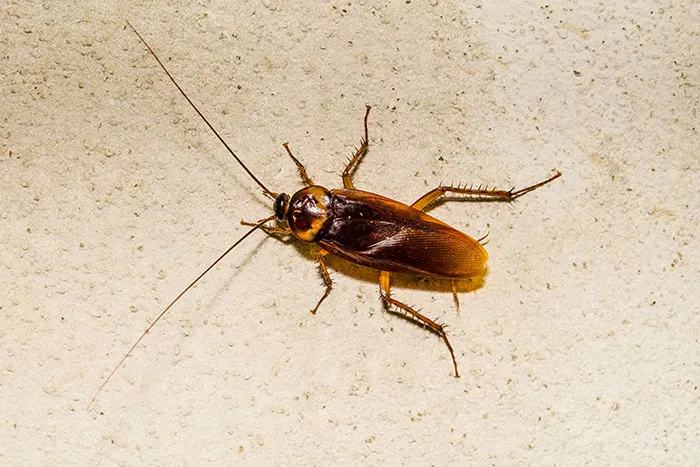
Smell deserves its own category because the olfactory system is the only sense with a direct line to the amygdala and hippocampus, the brain regions responsible for threat response and memory. Every other sense routes through the thalamus first. Smell takes the shortcut.
This means an odor that signals something wrong bypasses the rational processing stage entirely and lands directly in the part of the brain that decides whether you are safe. It also means smell-based unease is almost impossible to talk yourself out of, which is why a bad smell in a new environment produces a physical reaction before you have identified what you are smelling. The nose knows, and it does not wait for a second opinion.
#16

I practically ran from that house.
#17
Totally unrelated, did you know you can dry off using toilet paper? It’s terrible but it beats ferret towel.
#18

The important caveat in all of this is the difference between a genuine red flag and an unfair judgment. A home that is cluttered, unconventional, or simply decorated in a way that does not match your aesthetic is not automatically alarming. Financial stress, mental health struggles, disability, and different cultural norms all shape the way someone lives, and none of those things are evidence of a threat.
The gut feeling worth trusting is the one responding to something specific, an object that should not be there, a smell that suggests something is wrong, a detail that does not add up. The gut feeling worth questioning is the one that is really just discomfort with a lifestyle that is different from your own. The thread is luckily one of total rationality, and thank goodness for that.
Have you ever walked in somewhere that spelled out "nope" in big bold letters? Tell us about it in the comments!
#19
#20