
This post may include affiliate links.

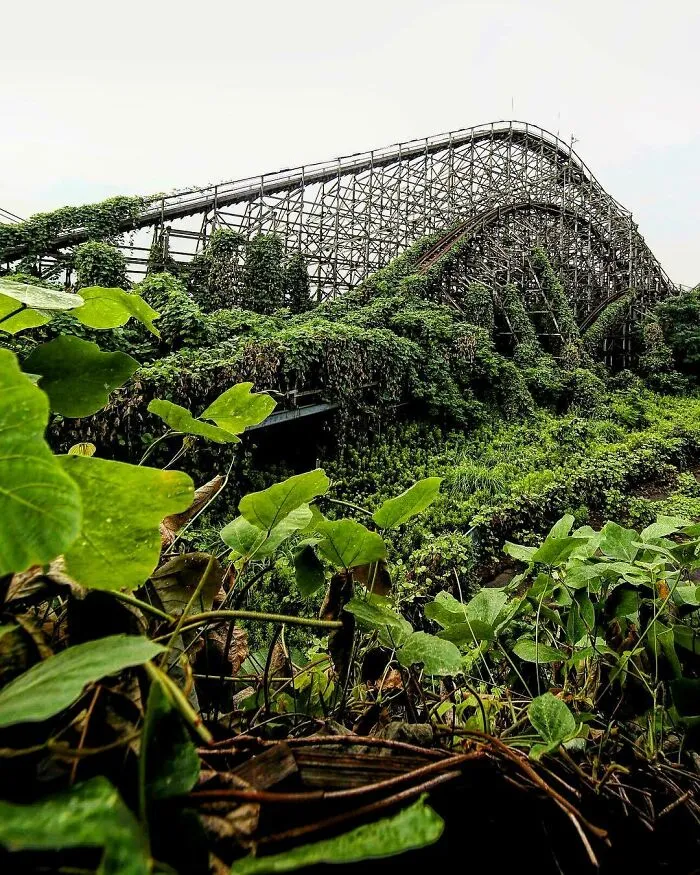
#22 Old Abandoned Tracks


Earth might eventually become lusher and more diverse — but we should also address climate change, arguably humanity's most indelible impact on the planet. Weisman said that making useful predictions about what will unfold can be tricky. For example, if there are explosions at industrial plants, or oil or gas wellheads that continue to burn long after we're all gone, huge amounts of heat-trapping carbon dioxide would continue to be discharged into the atmosphere.
But carbon dioxide doesn't stay suspended in the atmosphere forever: our oceans are essential to absorbing vast amounts of carbon dioxide from the air. Of course, there are still limits to how much of it the ocean can take up without its own waters acidifying to unhealthy levels — potentially to the detriment of thousands of marine species.
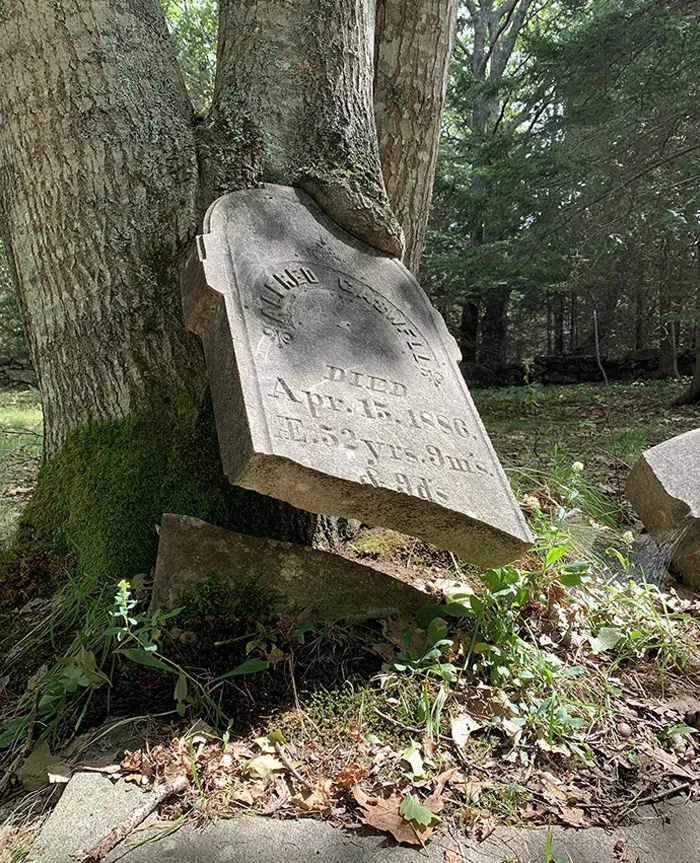
#24 Becoming One With Nature
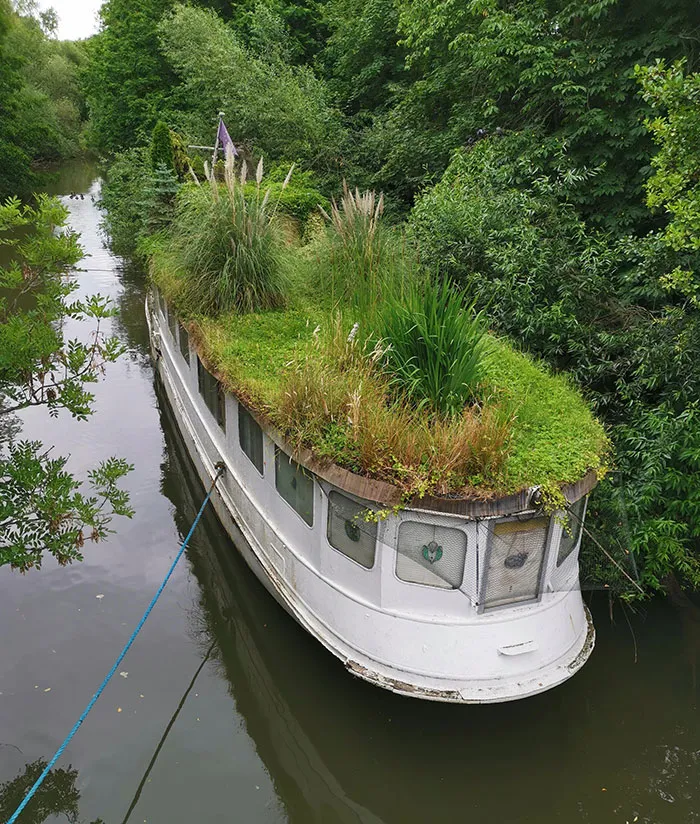

Taking a glimpse at this imagined future might inspire us to be more mindful of our actions. Weisman sees an inherent value to visualizing a world without us. That is why he decided to write his book in the first place. He explained that when he started out, he was conscious that many people avoid environmental stories because it makes them feel bad about contributing to the damage we're doing to the planet, and how in turn, that's hastening our own demise. "I found out a way to get rid of the fear factor was just to kill [humans] off first," he said.

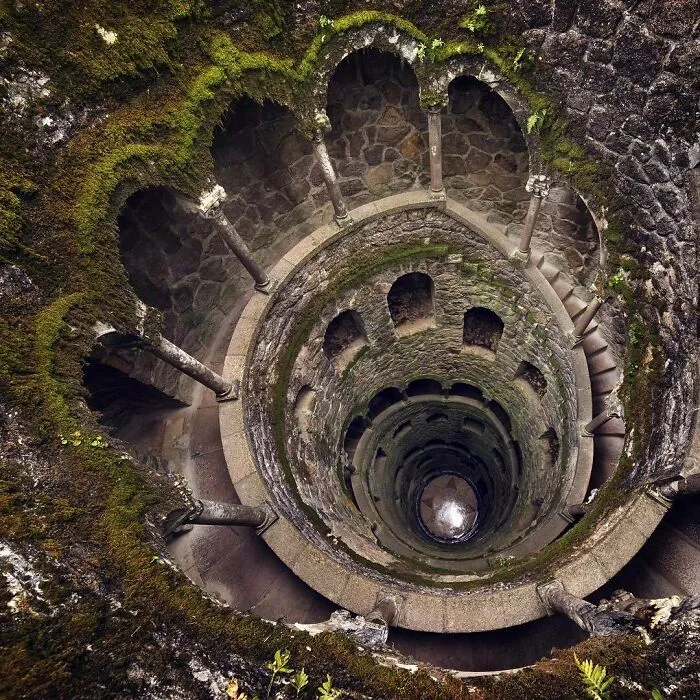
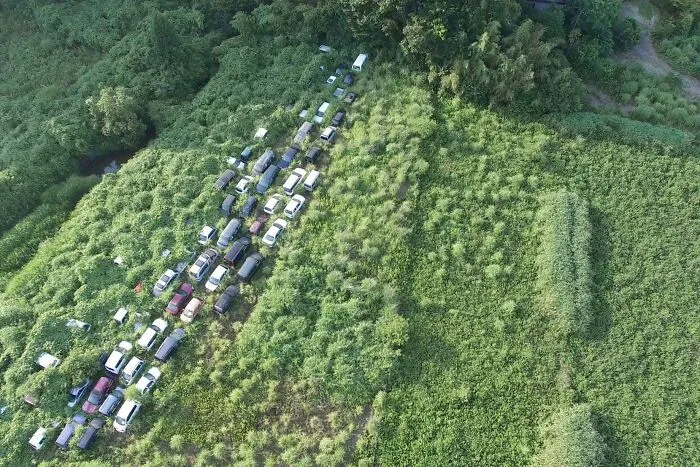
#30 Radioactive Cars From The Fukushima Disaster Slowly Being Eaten By Nature
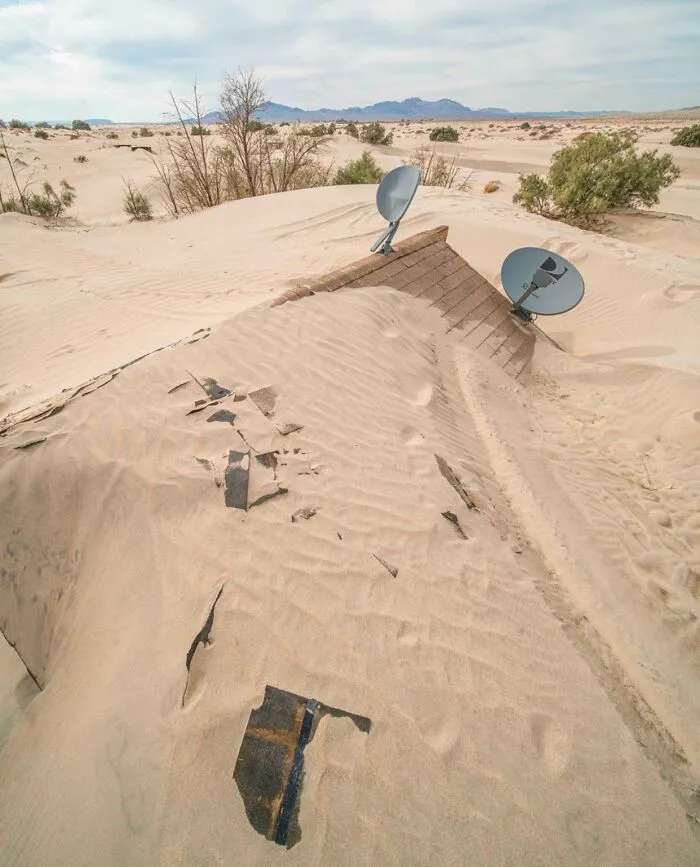


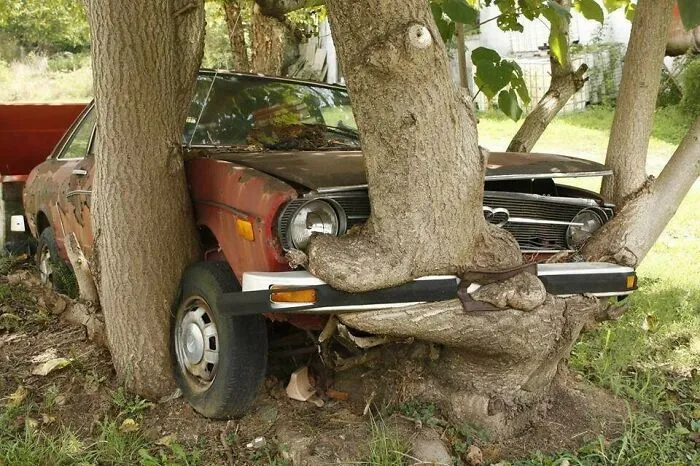
#37 Ivy Overtaking A Car


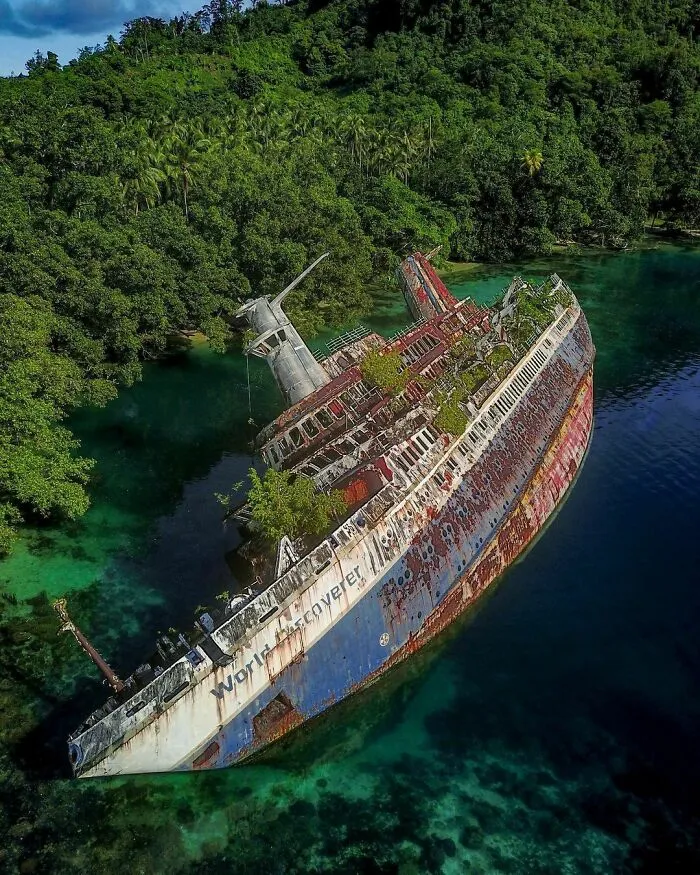
#39 MS World Discoverer Was A German Expedition Cruise Ship. It Hit A Uncharted Reef In The Sandfly Passage, Solomon Islands, 29 April, 2000