

Bored Panda
50 Of The Most Fascinating, Stunning And Dangerous Natural Phenomena
CuriositiesJAN 27, 2025

50 Of The Most Fascinating, Stunning And Dangerous Natural Phenomena

87
7
Nature is capable of the most mysterious, surreal, stunning, and powerful things. The only thing we can do as humans is to watch and admire them. However, in our short time here on Earth, it’s quite impossible to see and experience it all. 
We at Bored Panda compiled a list of the most unique, dangerous, and beautiful natural phenomena so that everyone can get a glimpse into the wonders of our world. Scroll down to find them and be sure to upvote the ones that mesmerized you the most.
While you're at it, don't forget to check out a conversation with environmental scientist and sustainability consultant, Dr. Jennifer Brandon, and climate scientist and founder of New Climate Culture, Eloisa Lewis, who kindly agreed to talk with us more about the dangerous side of natural phenomena.

#1 Eternal Flame Falls
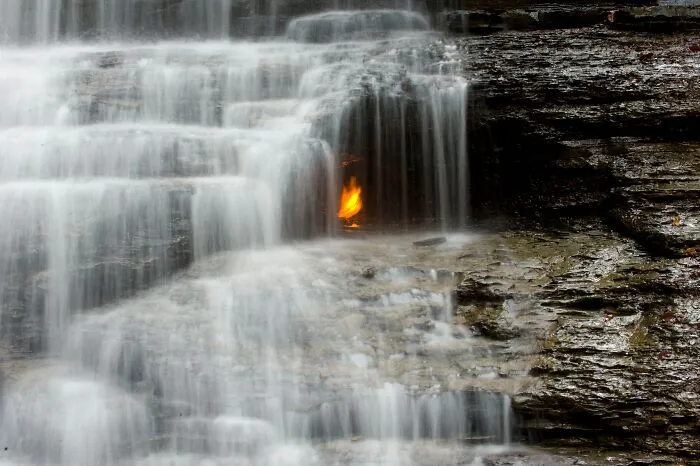
Waterfall with a natural flame burning behind it, showcasing incredible and strange natural phenomena.
Eternal Flame Falls is a small waterfall located in New York's Chestnut Ridge Park, known for its natural gas seepage that keeps a small flame burning at its base. The flame is fueled by methane gas escaping from beneath the waterfall, creating a unique, continuously burning fire amidst the flowing water. This phenomenon is a rare and fascinating combination of geology and nature.
86points

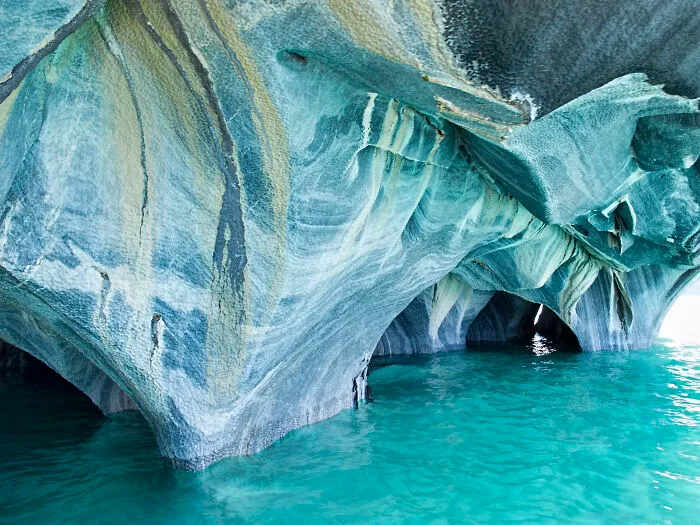
#2 Marble Caves, Chile

Stunning natural phenomena: marble caves with turquoise water.
Stunning series of caverns carved into solid marble by water over thousands of years. Located on Lake General Carrera, the caves are renowned for their striking blue and white veined marble formations, creating a surreal, otherworldly landscape.
83points

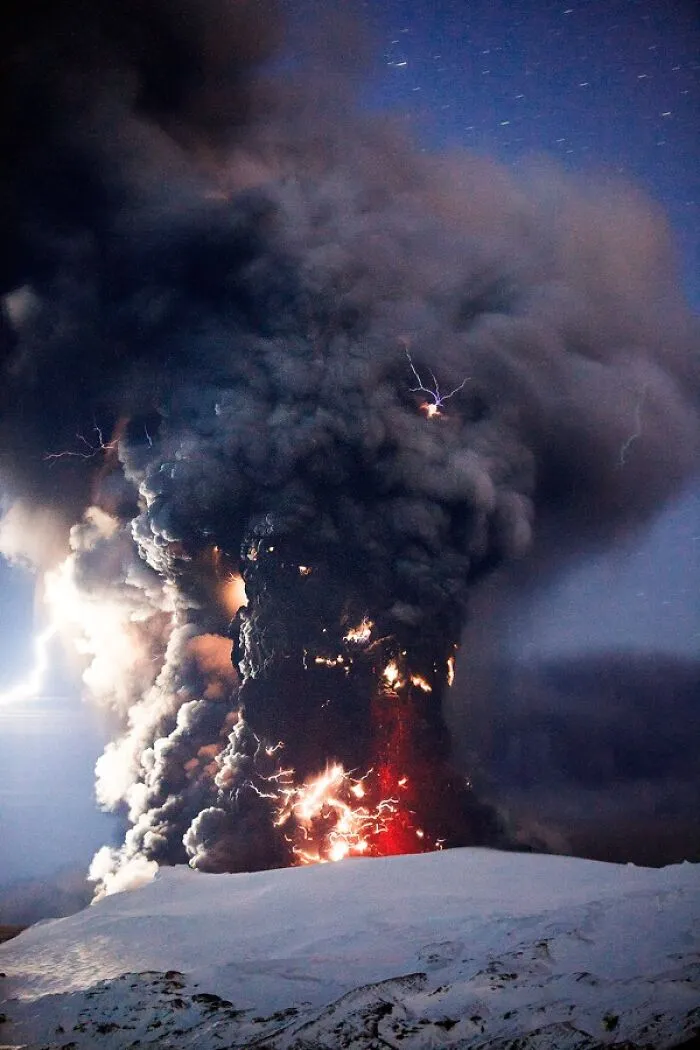
#3 Volcanic Lightning

Volcanic lightning and smoke erupting, showcasing incredible and stunning natural phenomena against a night sky.
Volcanic lightning is an electrical discharge triggered by a volcanic eruption, not a typical thunderstorm. It forms when ash particles collide and fragment, generating static electricity within the volcanic plume. Moist convection and ice formation can also contribute to the phenomenon, sometimes occurring even without ice crystals in the cloud.
79points

Before diving into more intense natural phenomena and how to stay safe from them, we asked environmental scientist and sustainability consultant, Dr. Jennifer Brandon, and climate scientist and founder of New Climate Culture, Eloisa Lewis, what, in their opinion, is the most fascinating, unbelievable, or beautiful natural phenomenon.

For Lewis, it has to be any process where nature is healing itself, regenerating, or fortifying its own biome.

#4 Dragon Tree In Socotra, Yemen
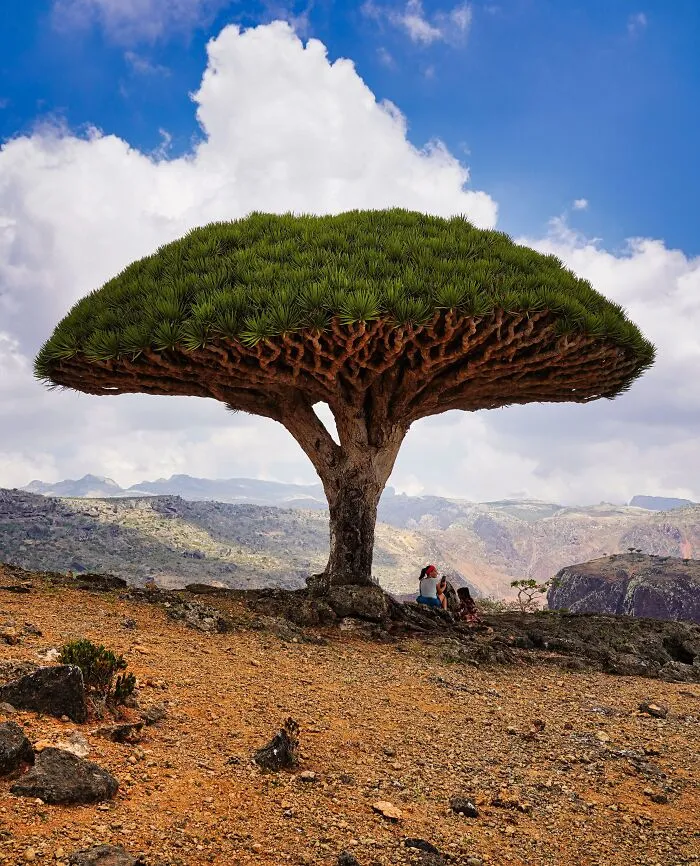
Dragon blood tree against a cloudy sky, showcasing a strange natural phenomenon.
This tree is a rare phenomenon due to its unique appearance and the red sap it produces. It can live for hundreds of years, thrives in the island’s harsh, dry climate and is part of the island's exceptional and isolated ecosystem.
Report
76points

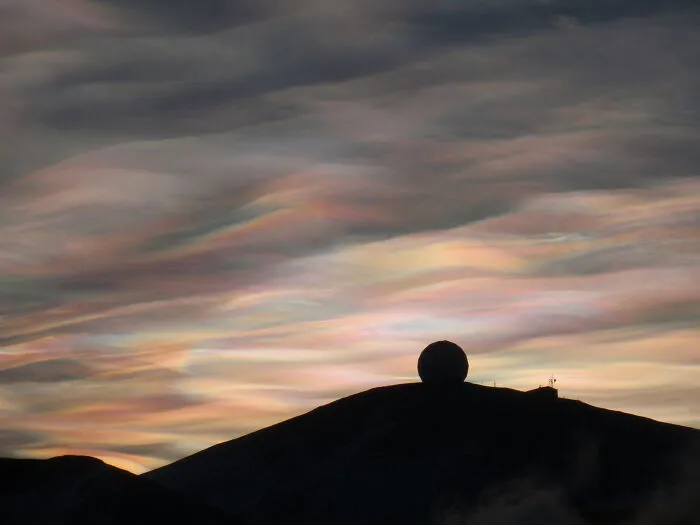
#5 Nacreous Clouds

Colorful iridescent clouds above a silhouetted hilltop, showcasing stunning natural phenomena.
Nacreous clouds, also known as "mother-of-pearl" clouds, are high-altitude clouds that form in the stratosphere, typically at altitudes of 15 to 25 kilometers, and are most commonly observed in polar regions during winter. They appear iridescent due to the diffraction of sunlight by tiny ice crystals within the clouds, creating colorful, shimmering patterns.
75points

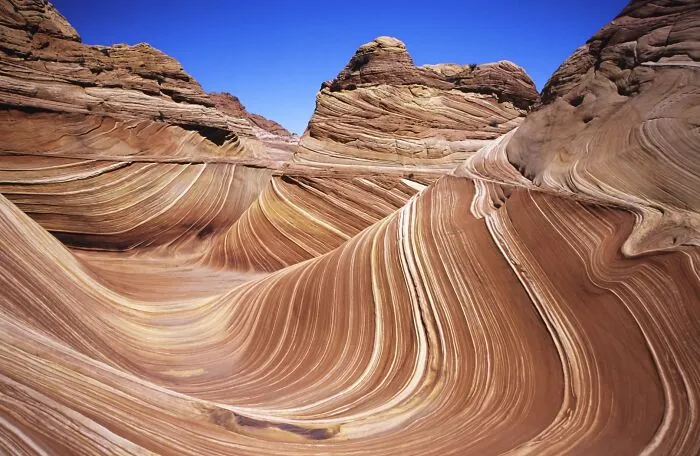
#6 Sandstone Waves, Arizona

Stunning natural phenomena of swirling rock formations under a clear blue sky.
These unique sandstone structures were shaped by erosion over millions of years, creating a visually striking landscape that attracts photographers and hikers.
Report
74points

Meanwhile, for Dr. Brandon, the most beautiful natural phenomenon is the northern lights, whereas the most fascinating is the diel vertical migration.

"It's the largest migration on the planet, and it happens every single day," she told us. "It's where millions of fish and plankton are known to migrate from the bottom of the sea to the surface, or vice versa, right at dawn and dusk. The fact that so many species are that tuned in to the moon and sunlight is really amazing to me. And it affects so many things, like the circulation of carbon and nutrients throughout the entire ocean."

#7 Giant's Causeway, Ireland
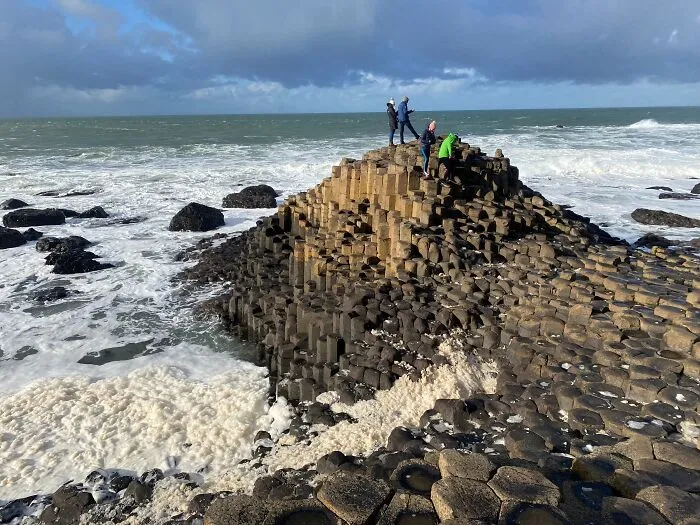
People standing on the Giant's Causeway, showcasing strange natural phenomena with hexagonal basalt columns by the sea.
Geological phenomenon formed by about 40,000 interlocking basalt columns, created from volcanic activity around 60 million years ago.
74points

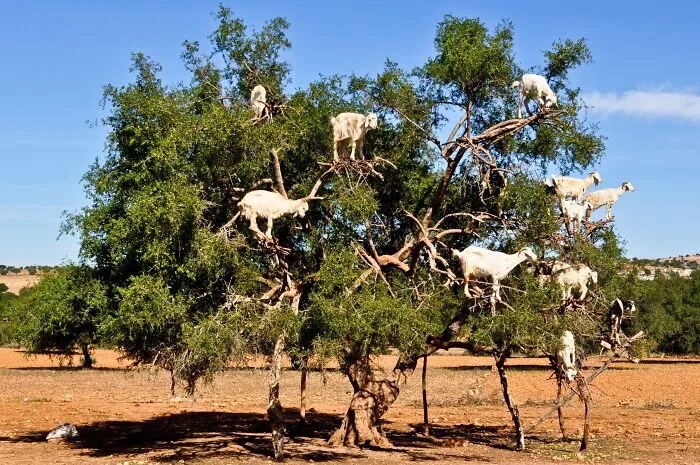
#8 Goats In An Argan Tree, Morocco

Goats perched atop a tree, illustrating strange natural phenomena in a dry landscape under a clear blue sky.
72points

#9 Pink Beach, Padar Island, Komodo National Park
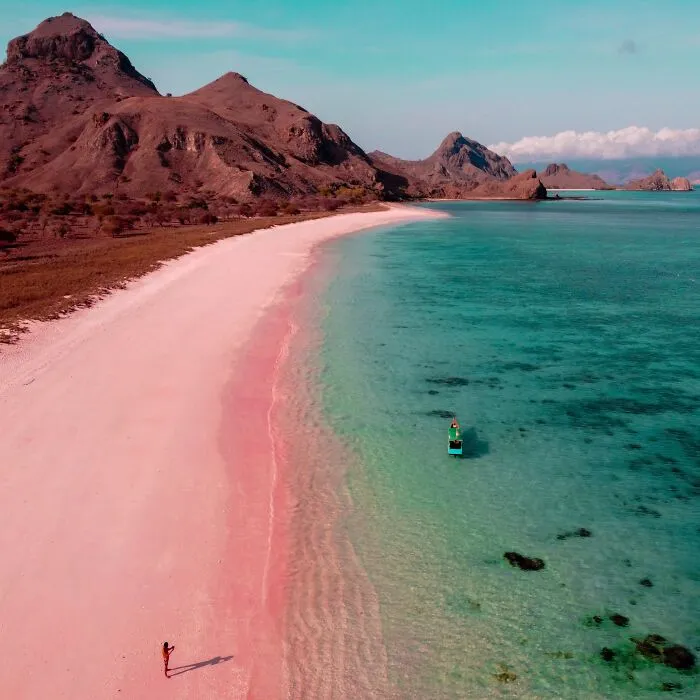
A stunning natural phenomenon: a pink sand beach meeting turquoise water under a clear sky.
It is famous for its unique pink-hued sand, which is created by the mixture of white sand and red coral fragments. This stunning beach is part of a UNESCO World Heritage site, known for its rich biodiversity, including the famous Komodo dragons and vibrant marine life.
Report
71points

The scientific name for the aforementioned northern lights is Aurora borealis and it happens when electrically charged particles from the sun collide with Earth’s atmosphere at speeds up to 45 million mph or 72 million kph. Our planet’s magnetic field protects us from any harm from the solar particles, all while creating the multicolor spectacles known as the northern lights. 

The different colors we see are caused by atoms of oxygen and nitrogen that can be found in the air we breathe. When oxygen atoms release energy after colliding with solar particles, the sky turns red and green, while nitrogen atoms paint it purple and pink. 

#10 Aurora Australis
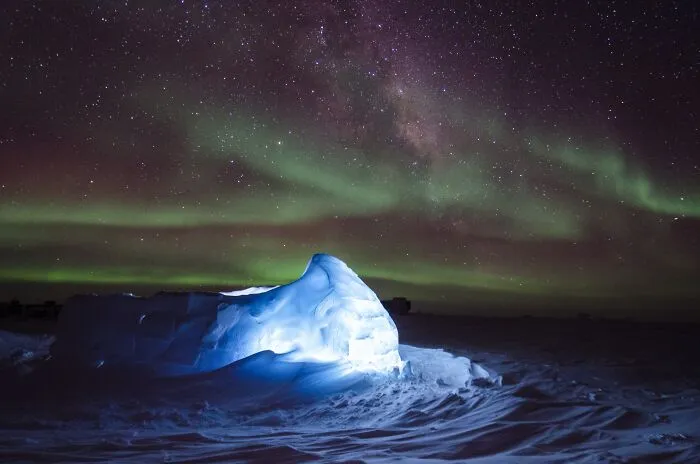
Ice formation under the stunning Northern Lights, showcasing incredible and strange natural phenomena at night.
Aurora Australis, or the Southern Lights, is a natural light display caused by solar wind particles colliding with Earth’s magnetic field. This creates colorful lights in the sky, typically green and red, near the South Pole. It is most visible in high-latitude regions like Antarctica and southern Australia.
69points

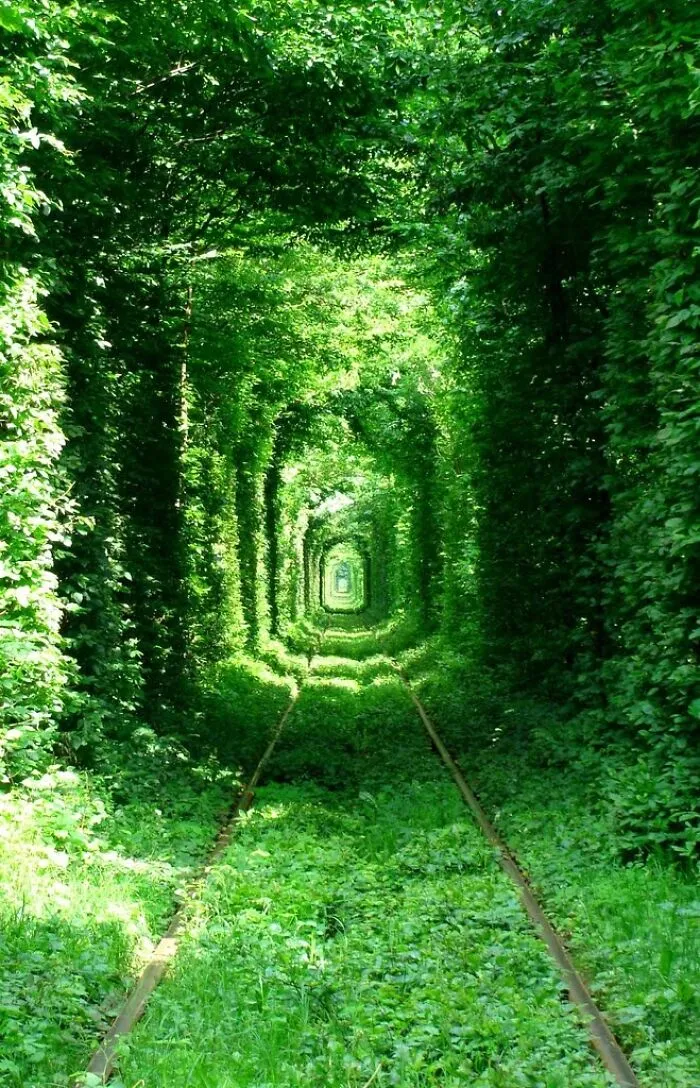
#11 Tunnel Of Love, Ukraine

Lush green tunnel over railway tracks, a stunning natural phenomenon.
In the small western Ukrainian town of Klevan, a stretch of industrial railway is enveloped by lush, leafy arches, creating a picturesque scene. This enchanting spot has become a favorite for couples to stroll through, earning it the name "Tunnel of Love" (or Tunel Kokhannya).
Report
66points

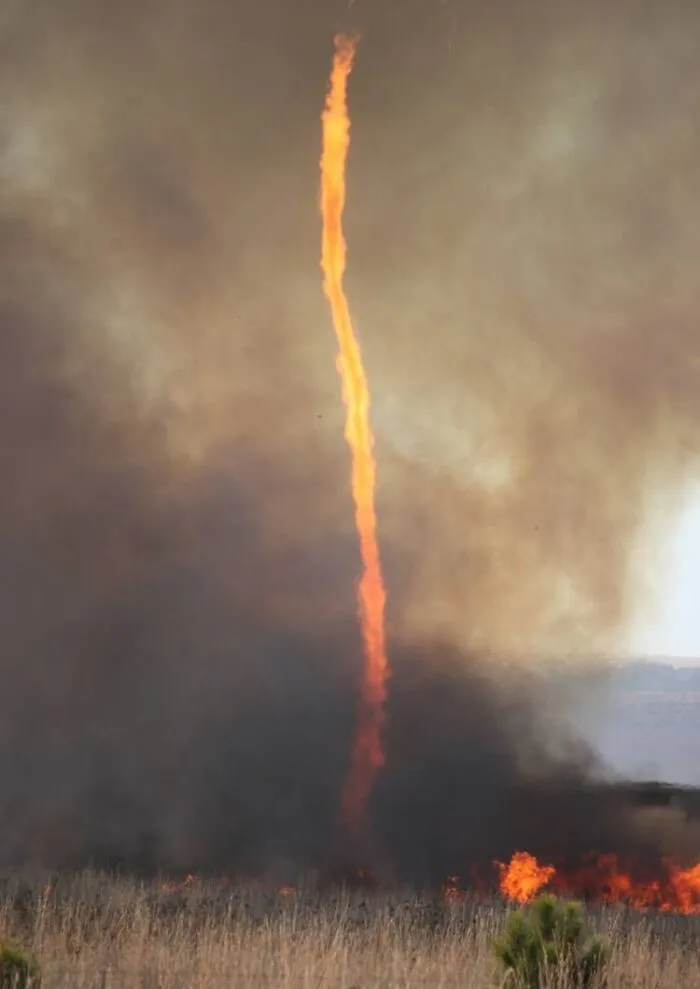
#12 Fire Whirl Tornado

Fire tornado rising amidst smoke, showcasing incredible natural phenomena.
A fire whirl, or fire tornado, is a whirlwind created by intense heat and wind from a fire, often visible with smoke and flames. It forms when rising heat and turbulent winds create spinning air currents, which can intensify into a tornado-like vortex. This vortex may pull in debris and gases, adding to the intensity of the fire.
60points

Previously, this phenomenon was rarely spotted so it was considered a once-in-a-lifetime occurrence or a bucket list trip to the Arctic Circle. However, in the last couple of years, it has become a more common sight due to the sun being active and stormy. This roughly happens every 11 years, as the sun’s magnetic poles flip, and it transitions from lethargic to lively. On Earth, this would translate to the north and south poles switching places every decade.

#13 Aurora Borealis
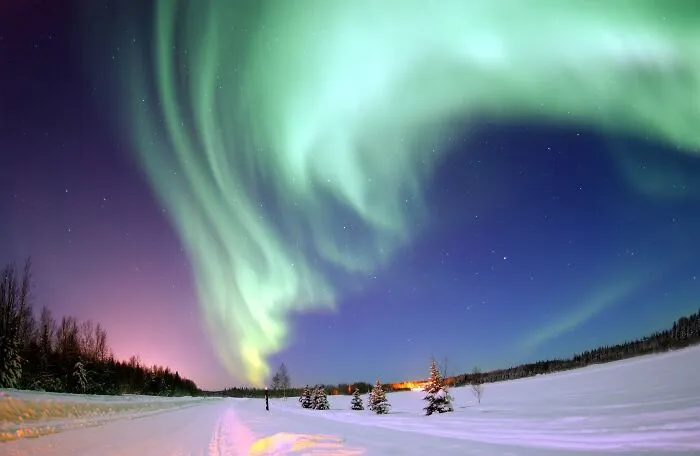
Aurora borealis illuminating the night sky over a snowy landscape, showcasing incredible natural phenomena.
The Aurora Borealis, or Northern Lights, is a natural light display caused by solar wind particles interacting with Earth’s magnetic field. This creates vibrant colors in the night sky, visible in polar regions like Norway, Sweden, and Canada. It is most commonly seen during winter months.
59points

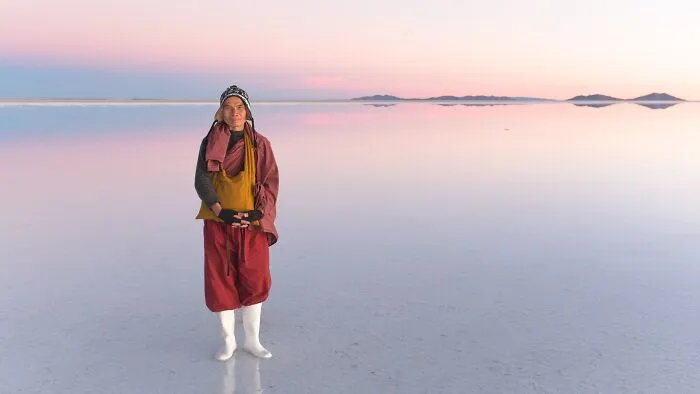
#14 Salar Of Uyuni, Bolivia

Person standing on reflective salt flat at sunset, showcasing incredible natural phenomena.
Salar de Uyuni is the world's largest salt flat, formed from the remnants of an ancient lake that evaporated long ago. The vast, flat expanse creates a stunning mirror effect after rainfall, reflecting the sky and surrounding landscape, making it a popular natural wonder.
59points

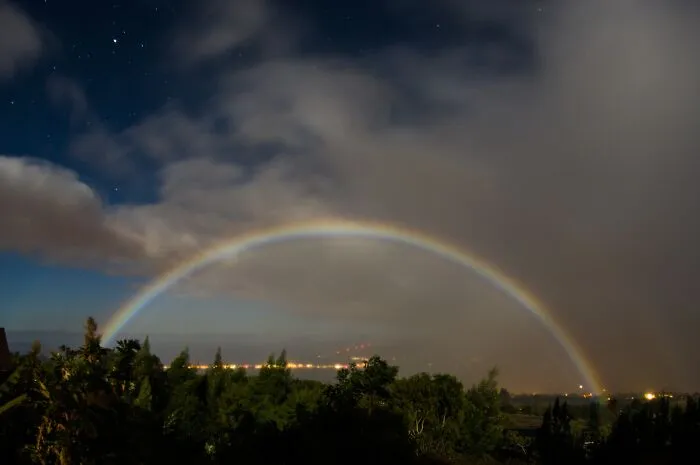
#15 Moonbow

A moonbow, one of nature's incredible phenomena, arches over a night sky with scattered stars and glowing horizon.
A moonbow, also called a moon rainbow or lunar rainbow, is a rainbow created by moonlight instead of direct sunlight. Aside from the difference in the light source, its formation follows the same process as a solar rainbow: light is refracted through numerous water droplets, like those from a rain shower or waterfall. It always appears on the opposite side of the sky from the Moon, as seen by the observer.
57points

The best time to see the Northern Lights with the naked eye, according to Northern Lights expert Dr. John Mason, MBE, is at twilight. “That’s because the brightness of the background sky will trigger the colour sensors in your eye so that when the Lights do appear, you can see the colour in them. When the sky gets really dark, you’ll find you can’t see the colour as well as you did earlier on, unless the display becomes brighter. It’s all about how our eyes perceive this in the darkness.”

Experts say that this solar activity isn’t slowing anytime soon so those who missed northern lights in the past have a chance of seeing them again. “We're in for a ride the rest of this year, all of next year and even into 2026 before things will start to work their way back down to solar minimum," said Shawn Dahl, a forecast coordinator, to CBS News.

#16 Jigokudani Hot Spring, Nagano, Japan
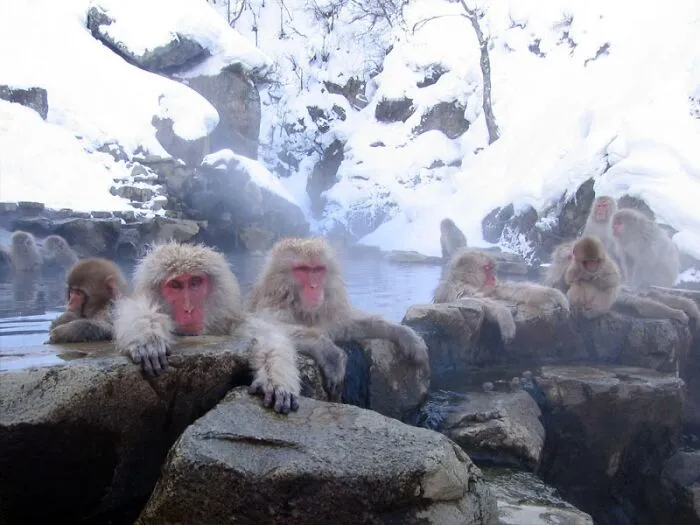
Snow monkeys relaxing in a hot spring, showcasing a stunning natural phenomenon amidst a snowy landscape.
Famous for its natural hot springs surrounded by a picturesque, mountainous landscape. The area is known for the wild Japanese macaques, or snow monkeys, who can be seen soaking in the warm waters, especially during the cold winter months. The name "Jigokudani," meaning "Hell Valley," refers to the steamy, volcanic landscape that creates the unique thermal environment of the hot springs.
Report
57points

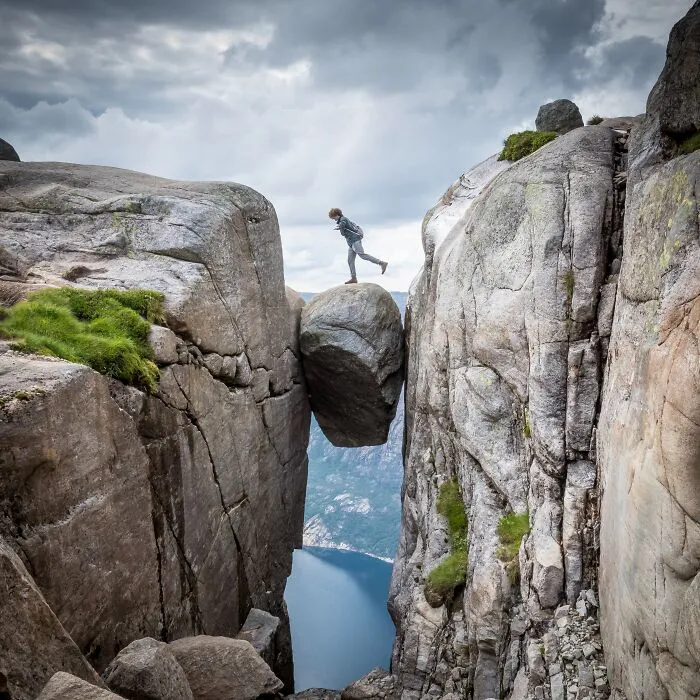
#17 Kjeragbolten Boulder, Norway

Person standing on a rock wedged between cliffs, showcasing stunning natural phenomena.
This iconic rock formation is a massive boulder wedged between two cliffs.
Report
56points

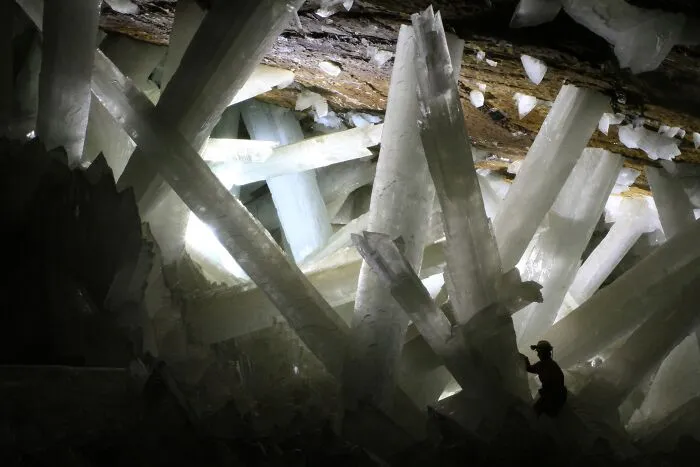
#18 The Cave Of Crystals, Mexico

Person exploring a cave with giant crystals, showcasing strange natural phenomena.
A network of caves is filled with enormous selenite crystals, some of the largest natural crystals ever discovered on Earth. Due to the extreme environmental conditions, the caves remain mostly unexplored and are currently closed to the public.
56points

Even though our world is full of beautiful and fascinating natural phenomena (as seen in the list and previously mentioned), some can also be dangerous. Natural disasters leave destruction in their way, and they're getting more frequent and intense due to climate change, says Dr. Brandon.

"If you take something like wildfires, as climate change changes the climate and makes the air drier and warmer, droughts worse, and the snowpack less, all of those things lead to hotter, drier conditions that will lead to hotter, drier, more intense wildfires," she explained.

"But climate change is also changing the seasonality of wildfires," she noted. "Here in Southern California, where I live, we also used to have a true wildfire season. It was not right now in January, yet there are nine active fires as of this morning. As we are having longer droughts and longer summer dry seasons, it's still dry here in January. And so the wildfire season really becomes yearlong and creates more frequent fires and more intense fires."

#19 Rainbow Eucalyptus
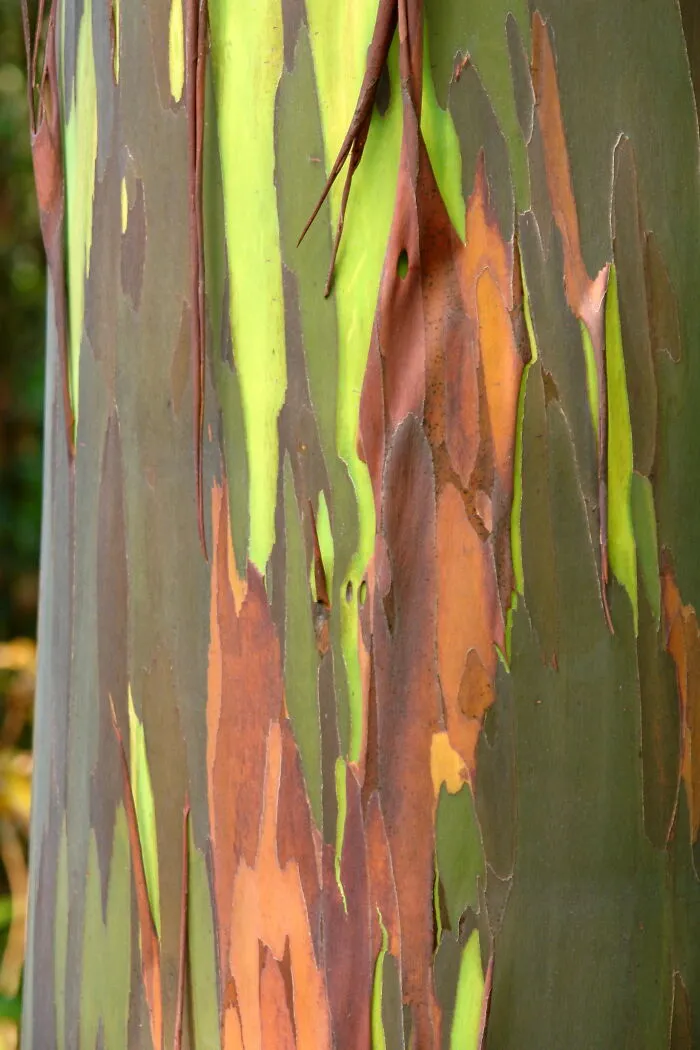
Vivid bark colors of a rainbow eucalyptus tree, illustrating an incredible natural phenomenon.
These trees color variations occur as the tree sheds its bark, exposing new layers that gradually change color due to exposure to air and sunlight. They are primarily found in tropical regions like Hawaii, the Philippines, and Indonesia.
55points

#20 Light Pillars And Diamond Dust In London Ontario Canada
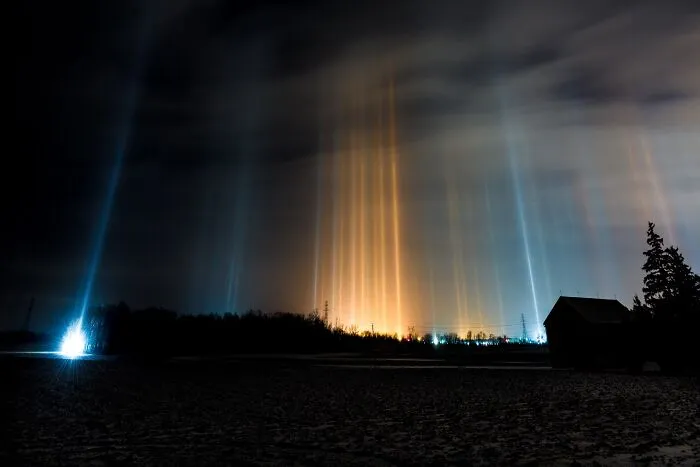
Pillars of light in the night sky, a stunning natural phenomenon over a rural landscape with a barn and trees.
Light pillars occur when ice crystals in the air reflect artificial light sources, such as streetlights, creating vertical shafts of light, while diamond dust is made up of tiny ice crystals suspended in the air, producing a sparkling, glittering effect when sunlight or moonlight interacts with them.
55points
87
7