


Lee shared some questions that everyone should be asking themselves when on social media and reading the news: “Is the story copyrighted? Is it dated? Is there a byline? Are other stories by the author solid? Is it published in a source that has been reliable in the past? Does it seem plausible—if not then you can do some research. Will we get fooled sometimes in doing this? Yes. But we're going to get fooled sometimes anyway”
He continued: “It's analogous to how scientists form their beliefs. They are skeptics, but they also—at some point when the evidence is sufficient—give their assent. Scientists deal with warrant, not 'proof.' They are what philosophers call 'fallibilists.' You give your belief to things that are well-sourced with evidence, while always holding out the possibility that if further evidence comes to light that contradicts your belief, you should give it up because you might be wrong."
Meanwhile, media expert Mike Sington reiterated the fact that it’s vital to check which sources are reliable. He told Bored Panda that the sources that he personally trusts are the Associated Press, Reuters, and The New York Times.
"They employ fact-checkers and editors that ensure the information they post is correct. They’re basically doing the research and homework for you. There are literally too many online sources to list that can’t be trusted and should be avoided. Anyone can basically post anything they want… proceed with caution.”
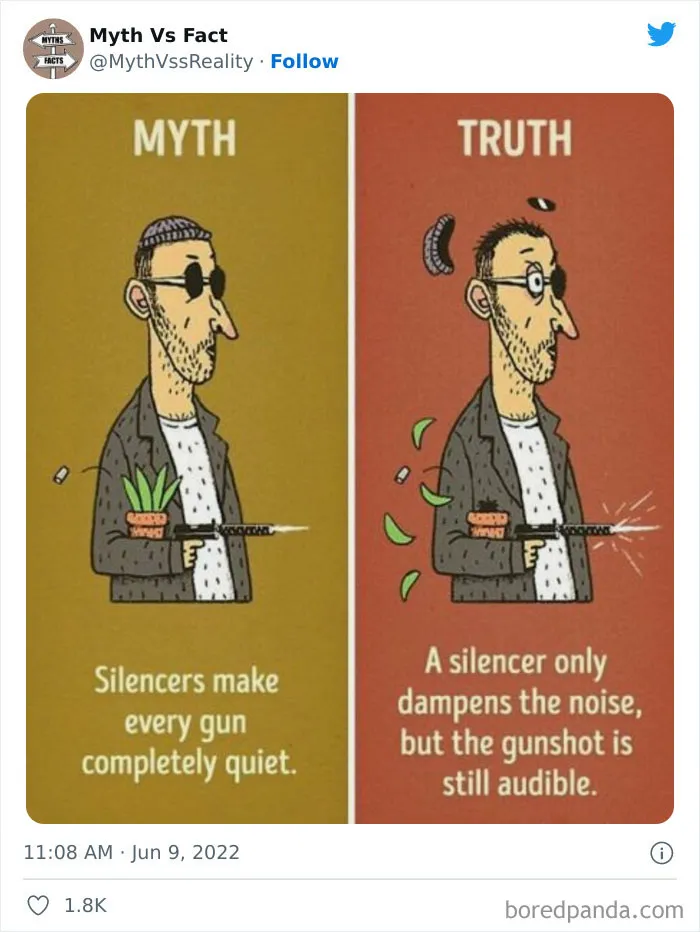
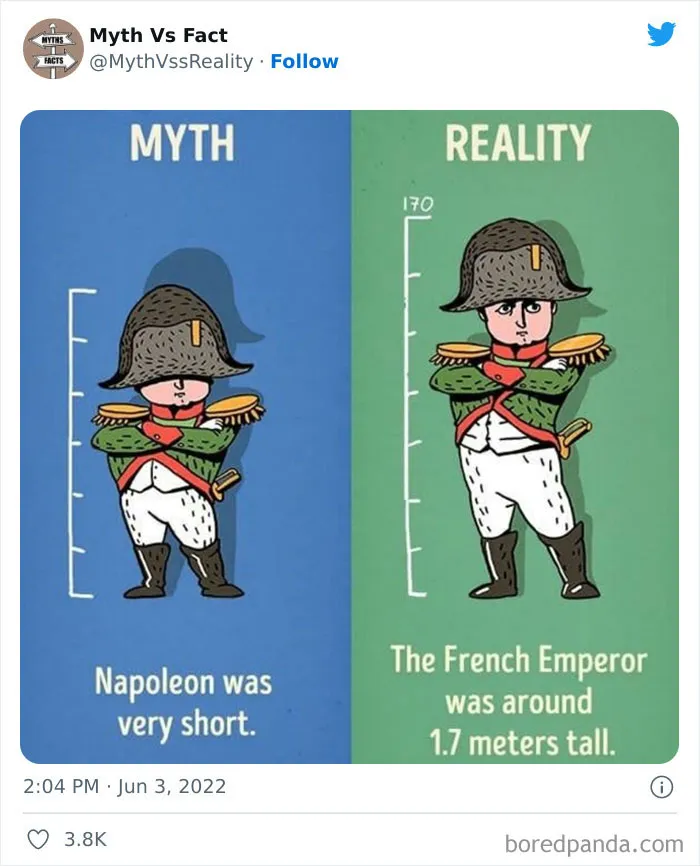
Some red flags that indicate a claim might be completely made up, according to Mike, include: "It's outlandish, it's too good to be true, you haven't seen the claim anywhere else, you've never heard the source, the source isn't reputable, you can't find two other sources making the same claim, your gut tells you, 'this can't be true.’”
As social media continues to become even more widely used, it’s had a negative effect on the reliability of information. That’s because misinformation can spread just as quickly as—if not quicker than—the truth.
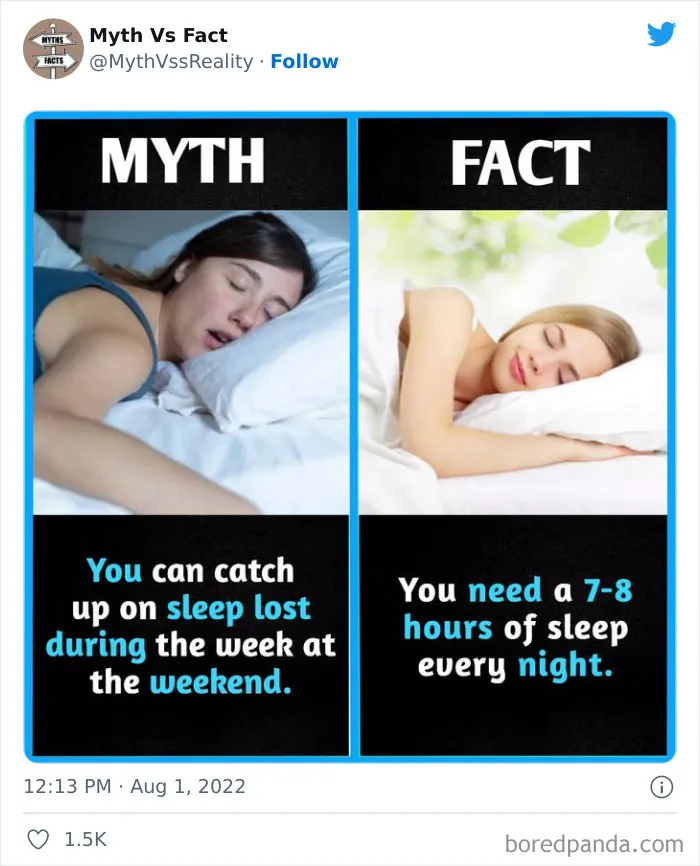
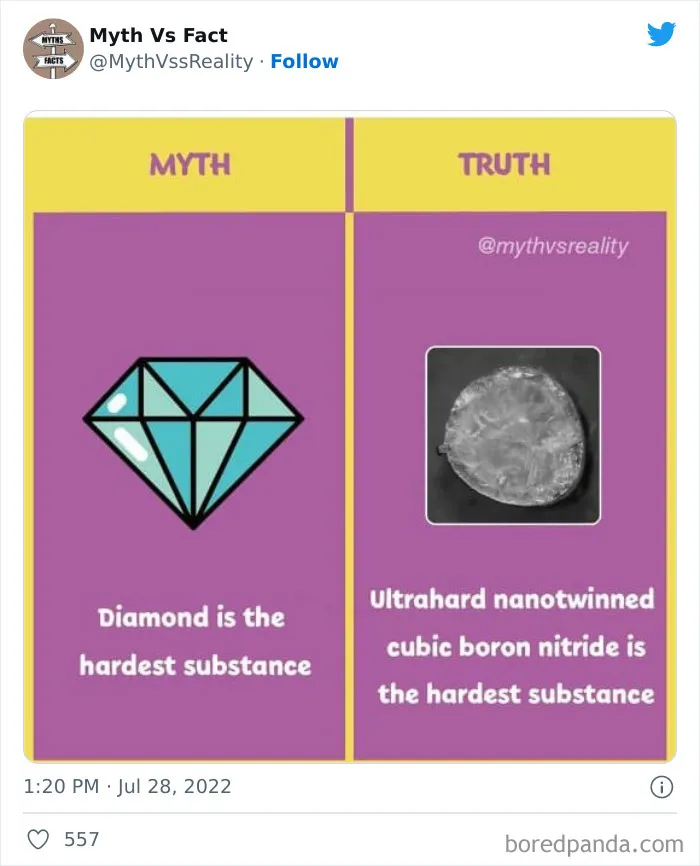
The media expert told Bored Panda that you should kick things off by doing a simple Google search if you doubt the veracity of a fact. If you’re not able to find any additional evidence to support a claim or if you doubt the reliability of the sources, you ought to remain skeptical.
"Do this and think before reposting or you may be contributing to the problem. Amplification doesn’t make a claim true or accurate.”