





Businesses need to stand out if they want to sell something. Some create the best product they possibly can, some offer unbeatable prices, and others try to compete by telling stories. However, when the primary purpose of these stories is to get customers to open their wallets, not all are rooted in reality. In fact, there's a whole thread on Reddit where people share what they believe to be the biggest myths companies have told the world—slick, compelling, but ultimately hollow.
#1

Low fat products which we were told was good for you because fat is bad; turned out it was b******t because the low fat products had more sugar in it to compensate for taste.
More sugar/carbs is the real cause of many diseases we have.
More sugar/carbs is the real cause of many diseases we have.
Report
106points
#2

The "tradition" of diamond engagement rings by the De Beers company.
Report
97points
#3
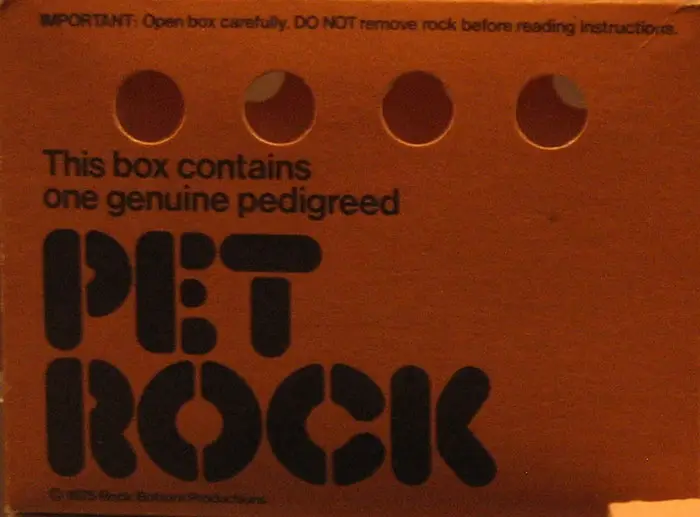
Putting some holes in a cardboard box for a Pet Rock to breathe was one of the most inspired advertising ploys ever. Freaking brilliant.
88points
#4
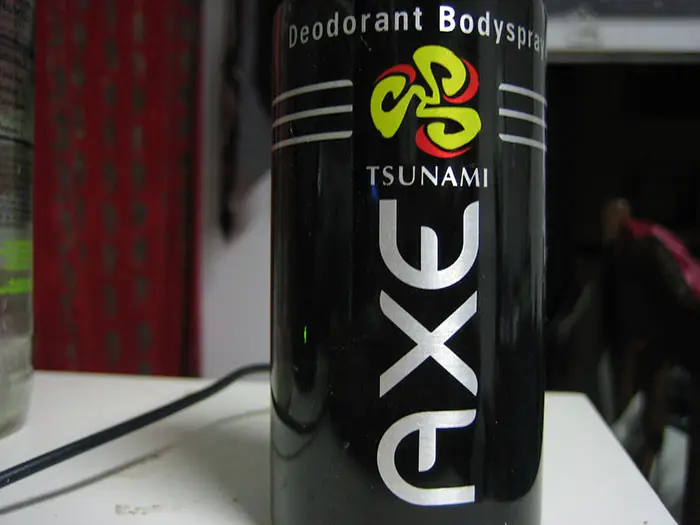
"Women love the smell of an entire can of Axe body spray!"
Which was believed by every teenage boy for years.
Which was believed by every teenage boy for years.
Report
84points
#5

Clover used to be an intentional part of the American lawn prior to WW2. It thrives in poor soil, fixes its own nitrogen and can survive drought conditions and was deliberately added to assist with the growth of the surrounding grass.
Once weed k**ler came to market post WW2, it wasn’t long before chemical companies successfully re-branded clover as a weed. Clover is a broad leaf plant and was unintentionally k**led alongside the other “unfavorable weeds” so it was successfully removed from the picturesque perfect American lawn by chemical companies.
Once weed k**ler came to market post WW2, it wasn’t long before chemical companies successfully re-branded clover as a weed. Clover is a broad leaf plant and was unintentionally k**led alongside the other “unfavorable weeds” so it was successfully removed from the picturesque perfect American lawn by chemical companies.
Report
82points
#6
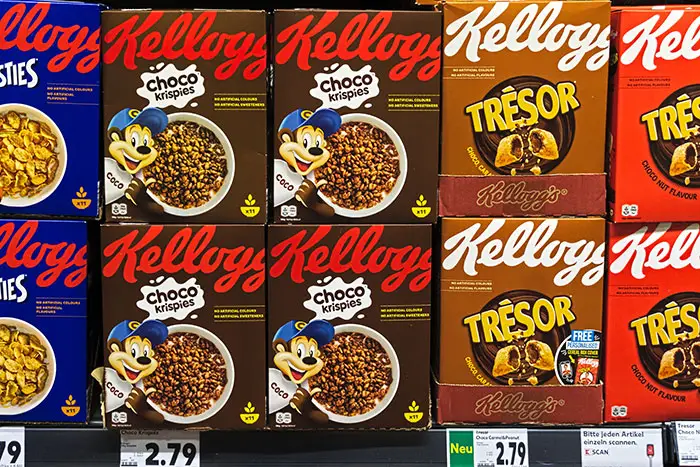
Kellogg’s basically inventing a food pyramid to convince the public to eat their garbage for breakfast.
That s****y myth persisted for decades.
That s****y myth persisted for decades.
Report
82points

#8
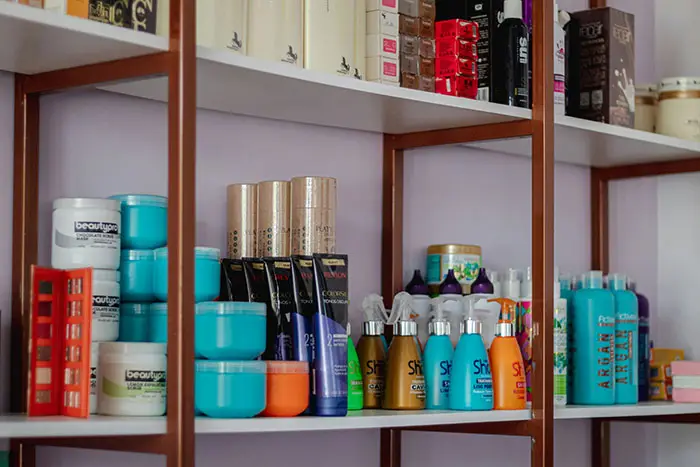
All cosmetics company claiming male and female need a different soap/shampoo/razor...
Lately some even tried to apply the gendered marketing to yogurt, toothpaste, handkerchief or pens.
Lately some even tried to apply the gendered marketing to yogurt, toothpaste, handkerchief or pens.
82points
#9

The inventors of OxyContin tried to convince the public that it was a addictive-free version of oxycodone. They blatantly lied and were sued for like $500 mil a while back.
Report
81points
#10
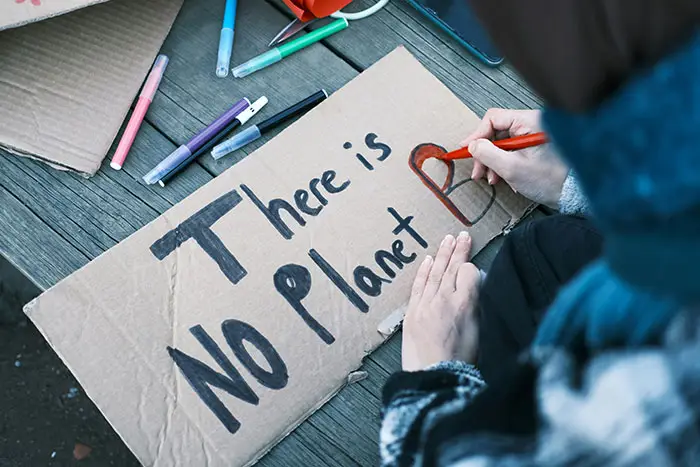
That global warming is not real - because regulations hurt the bottom line of coal and oil industry.
Report
78points
#11
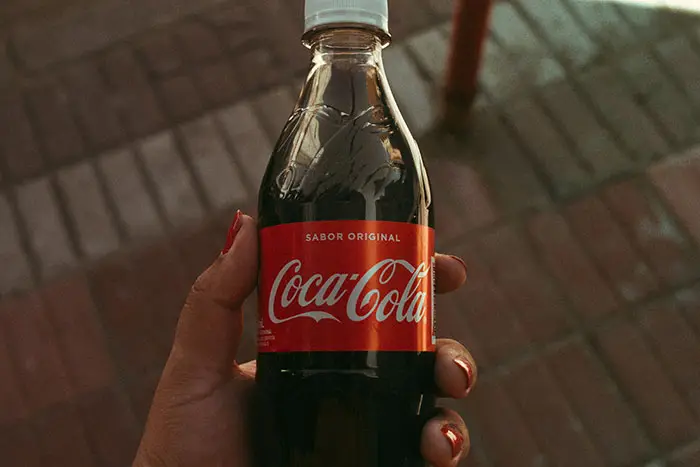
I hear soda companies switched from glass to plastic as a cost saving measure, claiming they were more convenient as you can just throw them away rather than bringing the bottles back for cleaning and refilling. They then blamed consumers for all the additional plastic trash.
Report
77points
#12
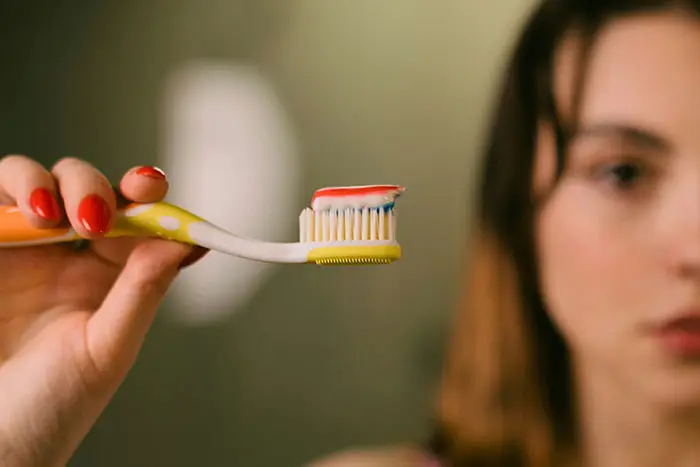
The amount of toothpaste you use when brushing. You don't have to fill the bristles of the toothbrush. Only pea-sized is needed. Commercials shows it more than needed so they can sell more products.
Report
76points
#13
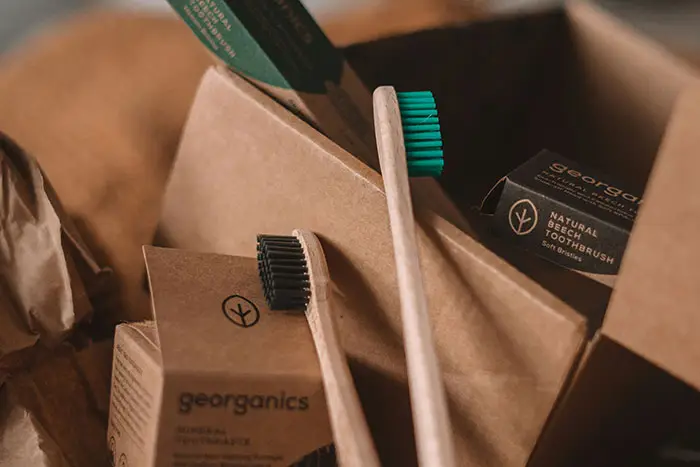
This isn’t so much a myth to sell products but to divert blame.
Anti Littering campaigns were started by large corporations that polluted heavily in order to shift blame away from them to the individual for keeping the planet clean. Don’t get me wrong people who litter are scumbags, but no one human could produce as much pollution as a factory, let alone an entire industry.
Same thing goes for water conversation. A single family uses fractions of a percent of water compared to what industry uses.
When you see blame for something shift to individuals, take a moment and look at the broader picture of who the major perpetrators are. Areas to look at, d***s(pharmaceutical industry), water usage, pollution, green house gases, waste in general. All are things we as individuals do contribute to in someway but that is so small compared to what is actually happening and what companies are doing
This is a little disjointed. On mobile. Can clarify later.
Report
70points
#14
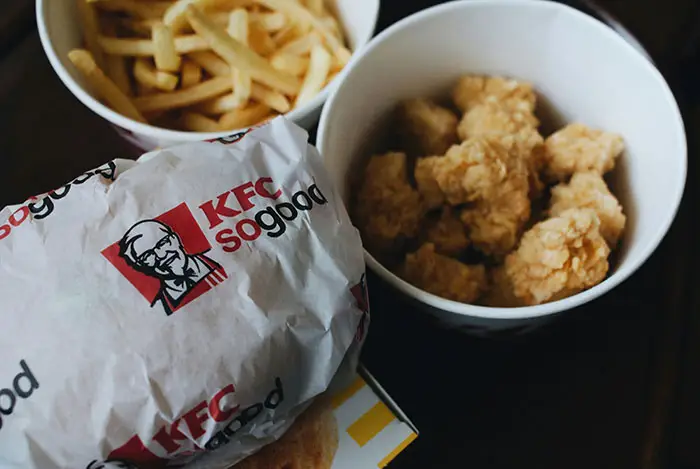
I did some research on why KFC is THE food to eat for Christmas in Japan and found this:
According to brand legend, there were some American tourists in Japan during the Christmas holidays back in the 70s. When they couldn't find roast turkey for their holiday meal, they got the next best thing - a bucket of KFC fried chicken.
A manager at the local store saw it, told some higher-ups, and eventually the marketing team started advertising it as a Christmas tradition to the point that it actually became such a popular tradition you now have to reserve your chicken weeks in advance.
Report
69points

#16
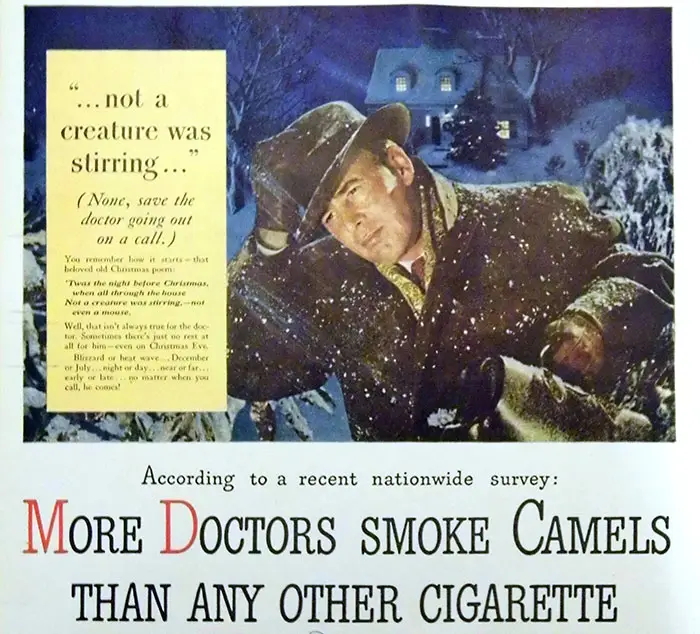
The slogan 'More Doctors Smoke Camels', implying that Camel cigarettes were some sort of 'healthy' cigarette recommended by doctors.
64points
#17

Literally any company that claims De-Toxifying properties. What toxins!?
Report
61points
#18
Alka-Seltzer increased sales by changing the recommended dose to two tablets instead of one. The famous “plop, plop, fizz, fizz” marketing campaign was only to increase sales, not based on real medical advice.
Report
61points
#19
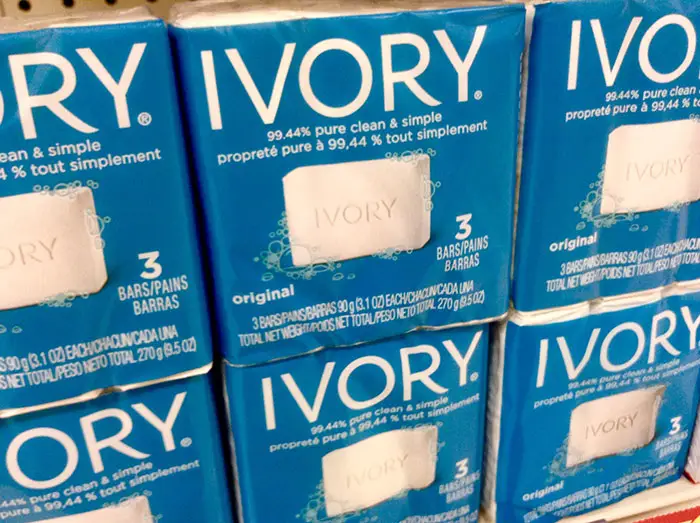
Super late to the game, but Ivory soap. "So pure it floats". They whip air into the mixture, it has nothing to do with purity.
Report
58points
#20
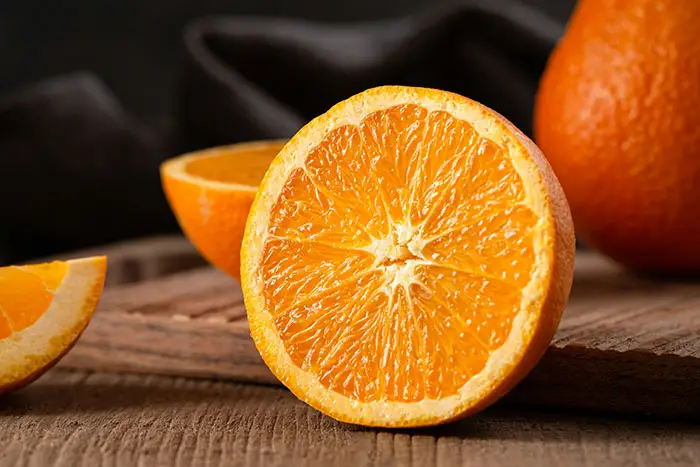
That oranges are loaded with Vitamin C. There's more Vitamin C in a bell pepper than in an orange.
Report
57points
