







The thing is, it really doesn’t matter what your family traditions look like. It’s far more essential that you have them, and that you pass them on, from one generation to the next. They might change. They might evolve. But the goal here is that you always have some way to bring everyone together.
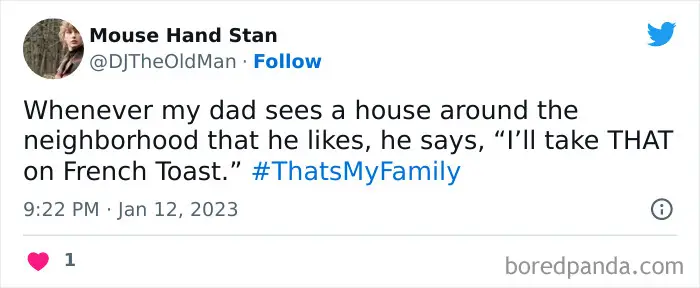


One of the most popular traditions that families have is by cooking and eating together. Now, the details and specifics of what you prepare and how you do it might vary, but the actual act of doing this together in a shared space is what matters.



“As long as there have been humans, there have been shared meal times. Everyone has to eat. Whether your job was hunting the animals, foraging or tending crops, or preparing the food for consumption, everyone contributed to the family/social group’s sustenance. And logistically, given early limitations of food storage, it made sense for everyone in the group to eat together at the same time,” pie artist Jessica Leigh Clark-Bojin recently told Bored Panda about the link between food and traditions.
“This made mealtimes the natural candidate for sharing stories, information, teaching, planning, etc. As a result, the food we share during these times of cultural exchange becomes inextricably entwined with that culture,” she said.
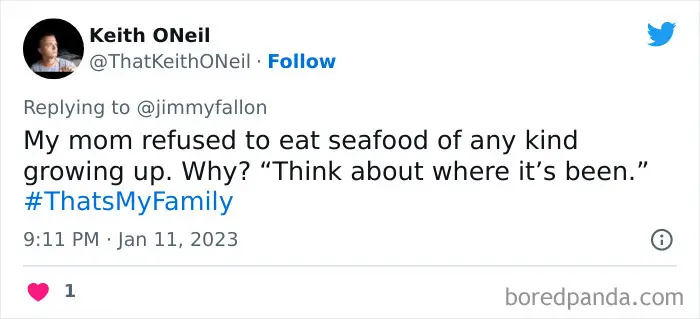
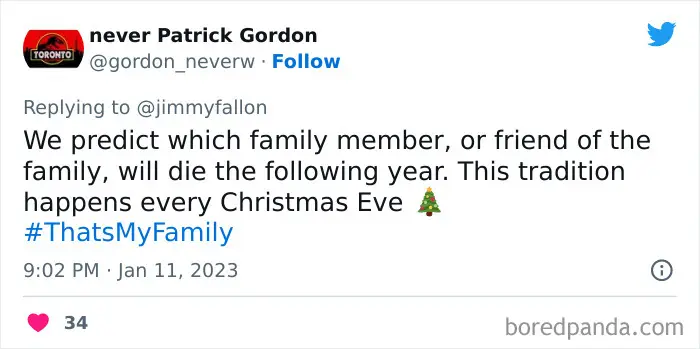

“We associate our feelings and memories of those exchanges with the flavors, aromas, colors, textures, and even sounds of the particular foods and recipes of our cultural group. This was true in ‘caveman times,’ and it’s true today. That sense of belonging we feel with our ‘tribe’ is anchored by the visceral sensory input of our shared recipes. Nowhere else is this more in evidence than in the instant wave of nostalgia that hits us when we are reunited with a special dish popular at our cherished family celebrations.”
