

What was featured inside such a cabinet of curiosities? That depended on the location of the collector: one in London would have different treasures in his cabinet than another in Amsterdam. The biggest two categories that are now identified are man-made artifacts (artificialia) and natural specimens (naturalia).
The names are more or less self-explanatory, but examples of naturalia would include animals, plants, and minerals. Carcasses of beasts and other weird-looking creatures were considered the most exotic items. However, collectors used to merge different animals together to create the most interesting mythical beasts. That’s why the line between naturalia and artificialia sometimes would get blurred and the classification depended on the collector’s individual decision.
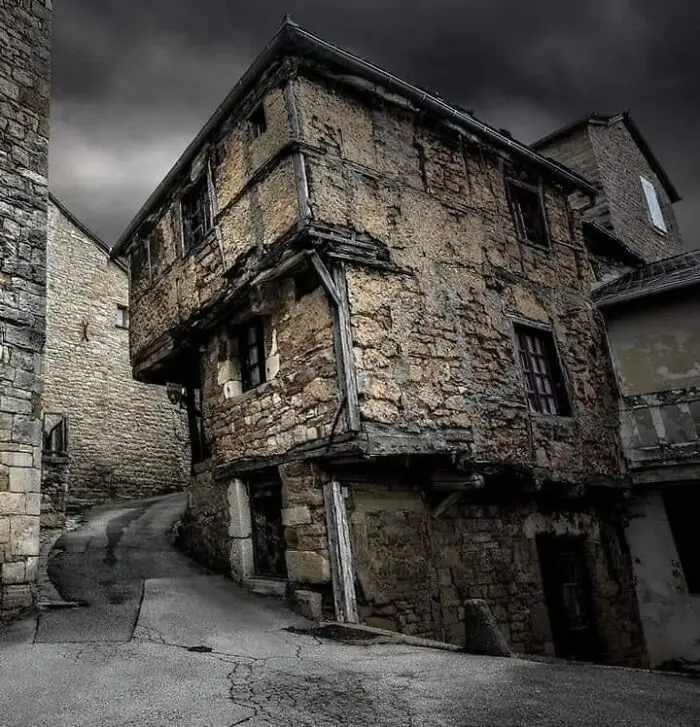
#26 This Medieval House In Aveyron, France, Dates Back To The 13th Century And Was Built Top-Heavy As A Cost-Saver, Because At The Time, Homes Were Taxed On Ground-Floor Square Footage
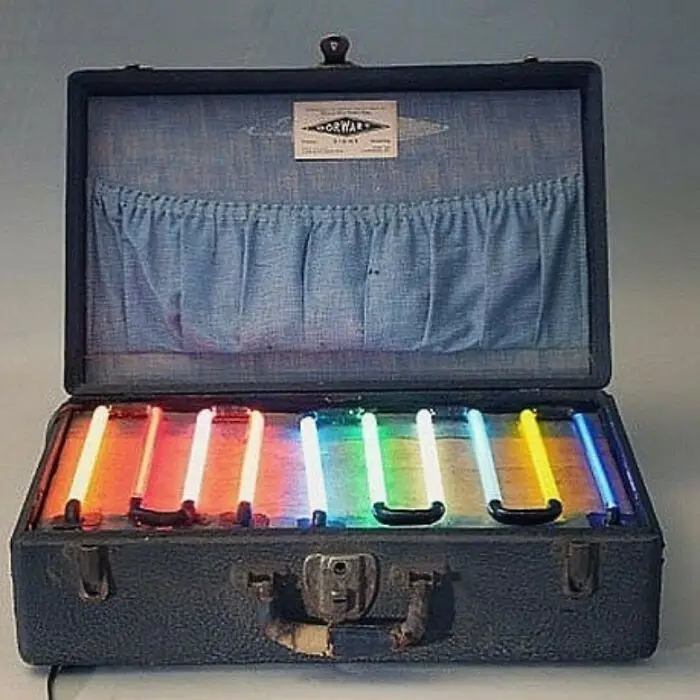
Examples of artificialia included cultural artifacts, antiquities and artworks. The most popular, however, were scientific instruments. The reason is that sciences, such as medicine and astronomy, weren’t exactly popular back then. Instruments that were used to measure space and time were seen as almost magical and as proof of man’s domination over nature.
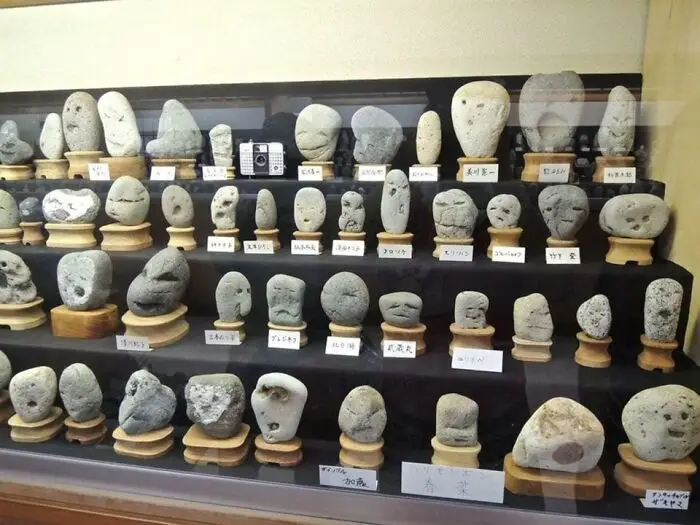
#28 Museum In Japan That Showcases Various Naturally Formed Rocks With Faces On Them
The first public museum in England was donated by a collector of curiosities. In 1677, Elias Ashmole donated the treasures he acquired from John Tradescant to the University of Oxford. In 1678, the first public museum in England – the Ashmolean museum – was opened and featured ancient coins, books, engravings, geological and zoological specimens.
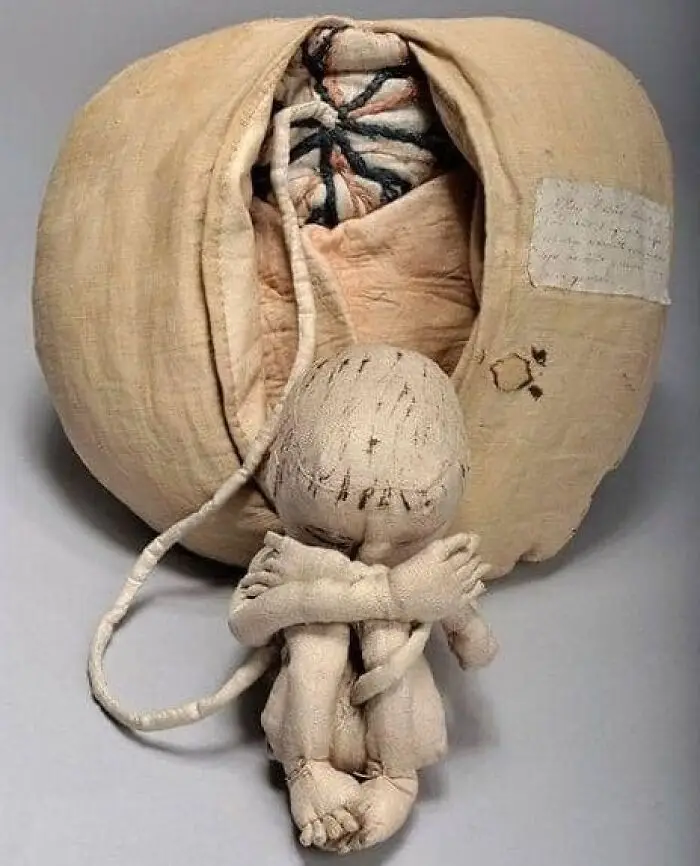
#32 This Mannequin Was Designed By Angelique Marguerite Le Boursier Du Coudray During The 1700’s
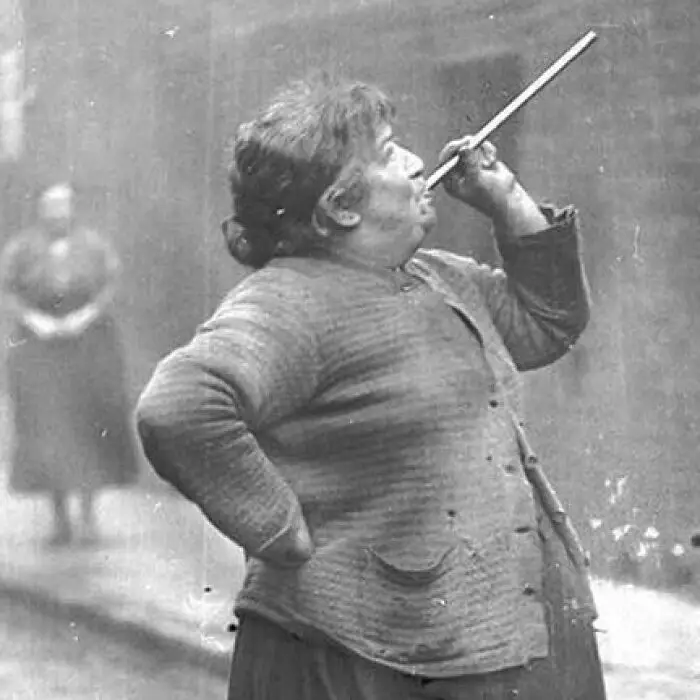
#35 A Knocker-Upper Was Someone Whose Purpose Was To Wake People Up During A Time When Alarm Clocks Were Expensive And Not Very Reliable
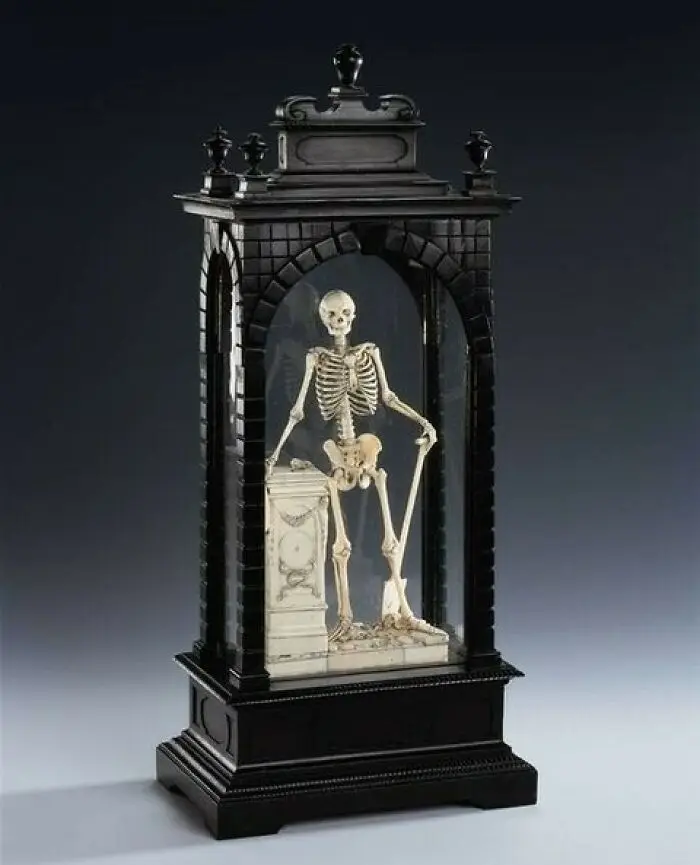
#36 Carved Ivory And Ebony Skeleton With Gravedigger's Shovel, Dated 1632. State Art Collections, Dresden
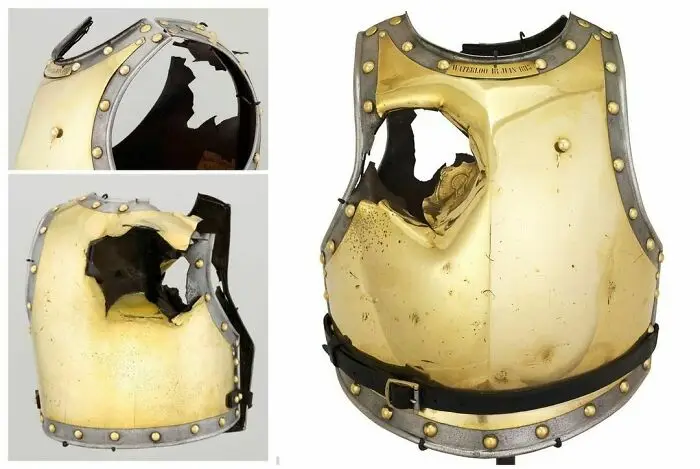
#37 The Breastplate Of Cuirassier 19 Years Old Antoine Fraveau, Struck And Killed By A Canonball During Battle Of Waterloo (1815)
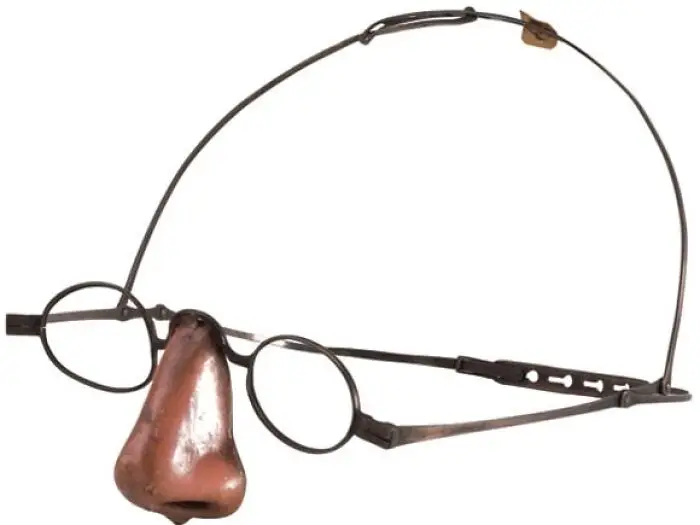
#38 Contraption Worn By A Mid-19th Century Women Who Lost Her Nose To Syphilis
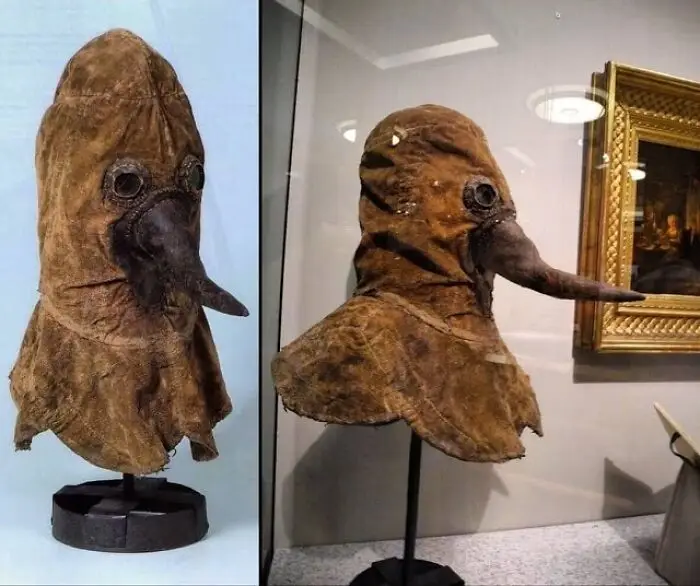
#39 Authentic 16th Century Plague Doctor Mask Preserved And On Display At The German Museum Of Medical History
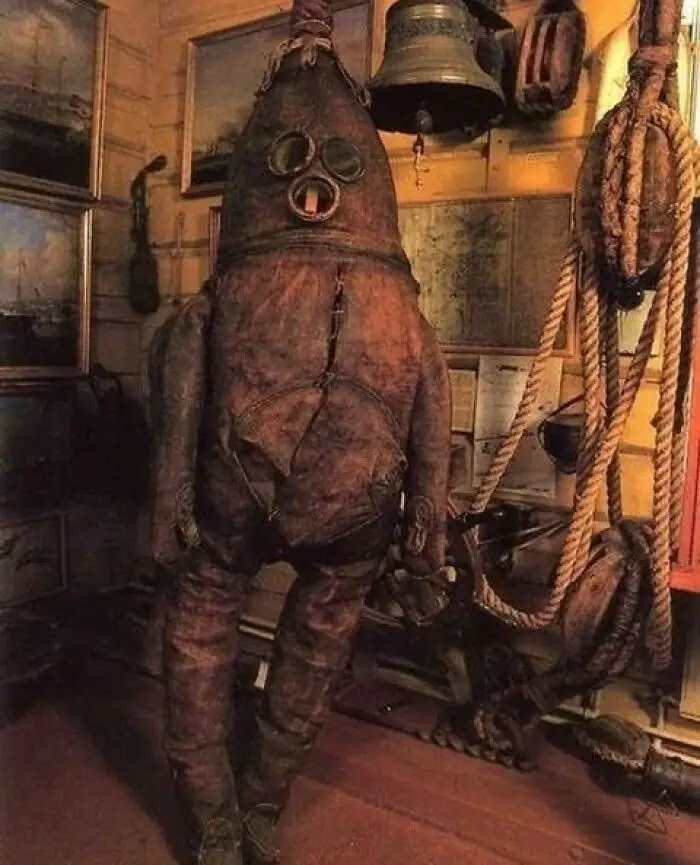
#40 The Old Gentleman Of Raahe Is Believed To Be The Oldest Surviving Diving Suit In The World, Dating Back From The Early 1700s