





If someone asked you about your favorite subject in school, chances are you’d name math, English, science, or something practical. History, on the other hand, rarely makes the list. Yet once you look past memorized dates and dusty textbooks, human history reveals itself to be far more fascinating than we were ever taught.
That’s why today we’re diving into the “Museum of Artifacts” page, where people share rare, intriguing objects from the past. Each item tells a story, offering a glimpse into lives once lived and worlds long gone. These artifacts are strange, beautiful, and endlessly captivating. So, Pandas, keep scrolling to uncover pieces of history that still amaze today.
#61 400-Year-Old Topiary Maze Located In The Cloister Garden Of The Pazo De San Lorenzo De Trasouto In Santiago De Compostela, Spain

Report
45points
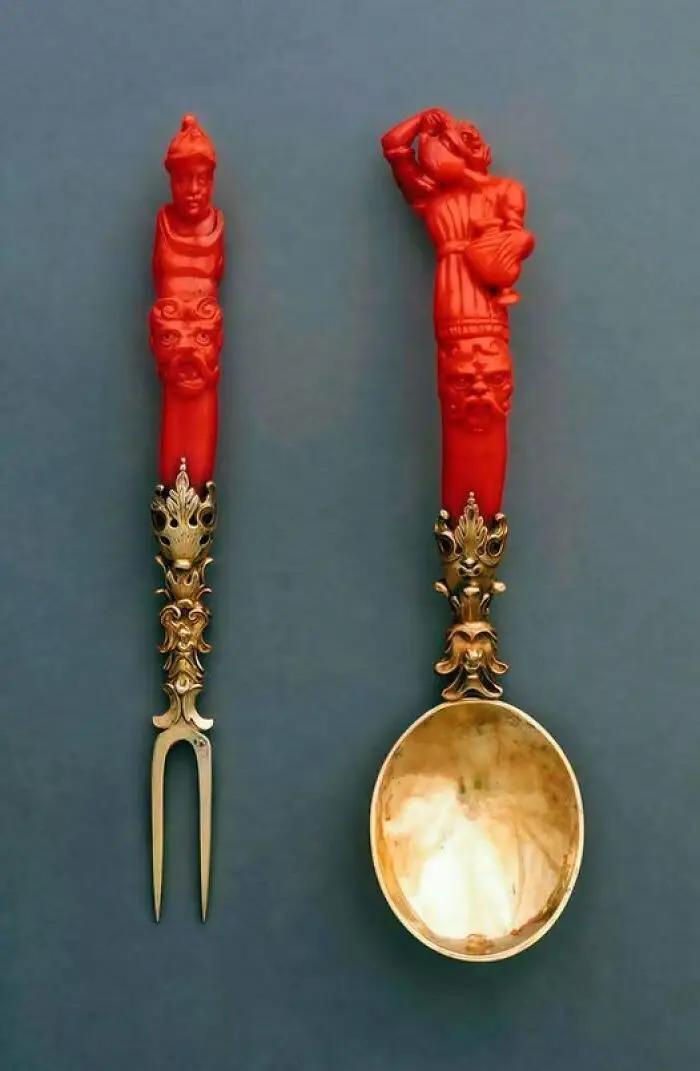
#62 German Fork And Spoon Set, Dates To Around 1600-1630. Made Of Red Coral, Silver And Gilt Metals
Report
44points
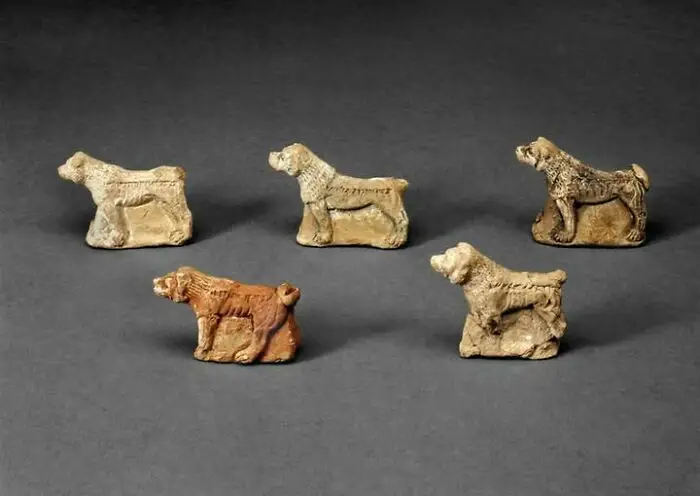
#64 Clay Guard-Dog Figurines From North Palace In Nineveh, In Present-Day Iraq. About 2,700 Years Old, Just 7cm Long (3 In), With Inscriptions Of Their Fierce Names ~ Loud Is His Bark / Biter Of His Foe / Catcher Of The Enemy / Expeller Of Evil / Don’t Think, Bite!
Report
43points
#65 Sanxingdui Head With Gold Foil Mask: They Were A Civilization In China Contemporary, But Culturally (And Probably Linguistically) Different From Shang, The Bronze Age Chinese
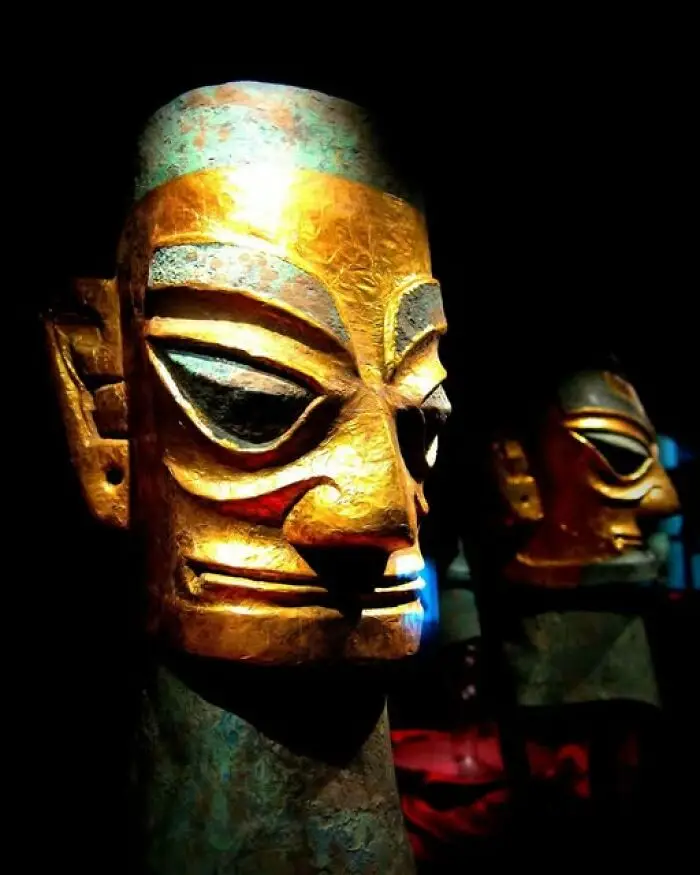
They're known for their very distinctive and "un-Chinese" art style.
Report
42points
#66 An Ancient Egyptian Wig, Made From Human Hair, Dating To The New Kingdom, 18th Dynasty (1550-1292 BC)
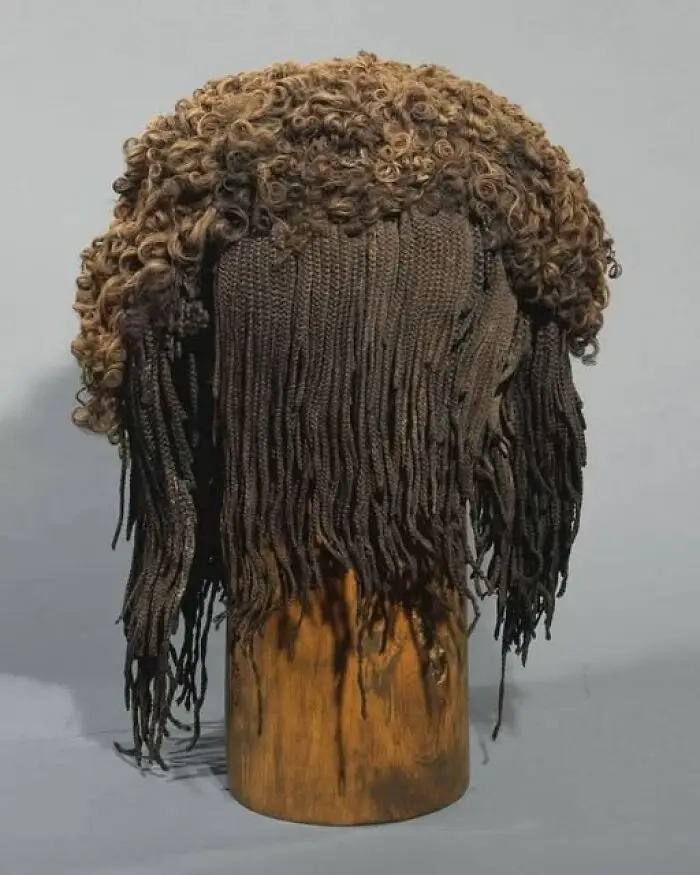
The wig was discovered in the tomb of an Egyptian woman named Merit in Luxor, who shared the tomb with her husband Kha. It features a duplex style with tightly set curls on top and several hundred thin braids hanging below.
Beeswax and resin were used to secure the hairstyle and preserve the wig.
The wig was found in a dedicated acacia wood box, which helped maintain its excellent condition for over 3,000 years.
Beeswax and resin were used to secure the hairstyle and preserve the wig.
The wig was found in a dedicated acacia wood box, which helped maintain its excellent condition for over 3,000 years.
Report
41points
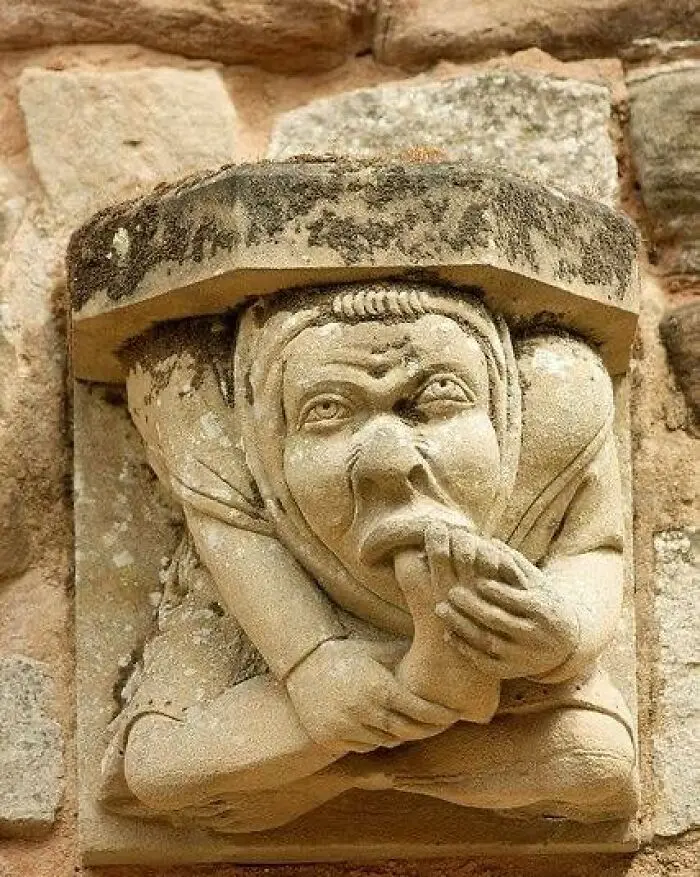
#67 A Stone Gargoyle Of A Man Putting His Foot In His Mouth On The Wall Of The Ruins Of Rufford Abbey In Nottinghamshire, England
Report
40points
#68 A Roman Soldier’s Frying Pan With Folding Handle, Dated 3rd Century AD
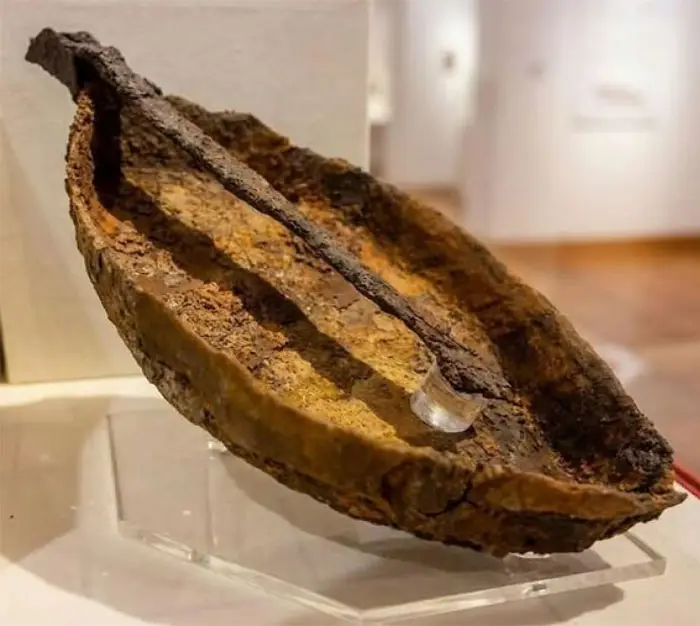
This practical Roman military frying pan, complete with a folding handle, likely belonged to a soldier of the Legio II Augusta, stationed at Isca (modern Caerleon, Wales).
Designed for portability and durability, the pan was part of a legionary’s personal kit, used to prepare simple meals while on campaign or in barracks. Its clever folding handle made it easy to pack—showing how Roman military life balanced efficiency with everyday necessity.
What’s striking is how familiar the design feels. The form and function are not far removed from cookware found in modern military mess kits, underscoring a timeless truth: soldiers across history share the same basic needs, regardless of era.
Designed for portability and durability, the pan was part of a legionary’s personal kit, used to prepare simple meals while on campaign or in barracks. Its clever folding handle made it easy to pack—showing how Roman military life balanced efficiency with everyday necessity. What’s striking is how familiar the design feels. The form and function are not far removed from cookware found in modern military mess kits, underscoring a timeless truth: soldiers across history share the same basic needs, regardless of era.
Report
40points
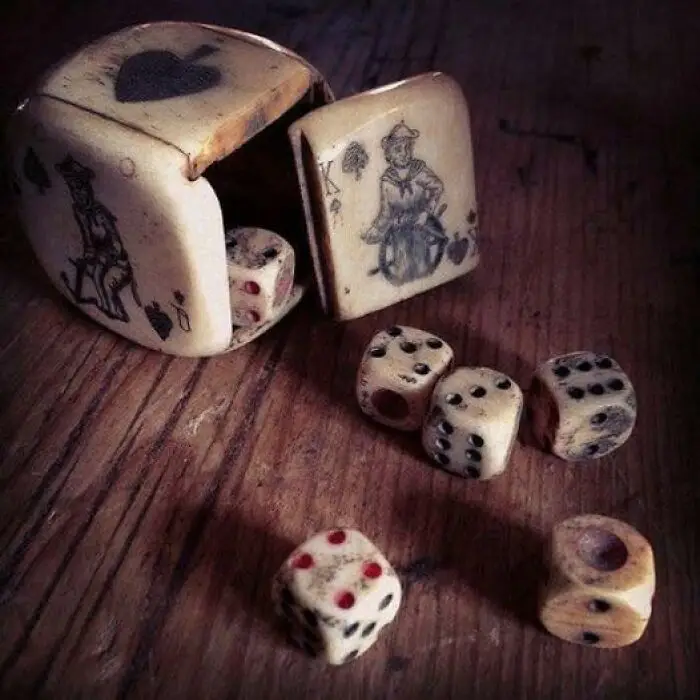
#69 English Carved Bone Scrimshaw Sailors Dice Holder And Dice. Circa 1880
Report
40points
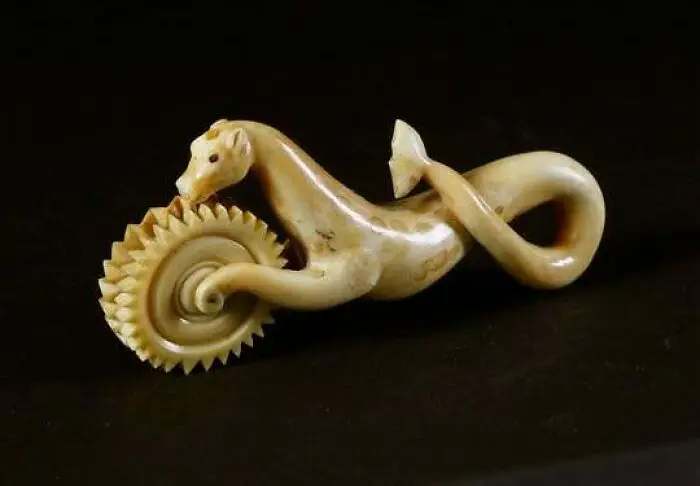
#70 Whaler Made Scrimshawed Whale Ivory Sea Horse Pie Crimper, Circa 1850
Report
39points
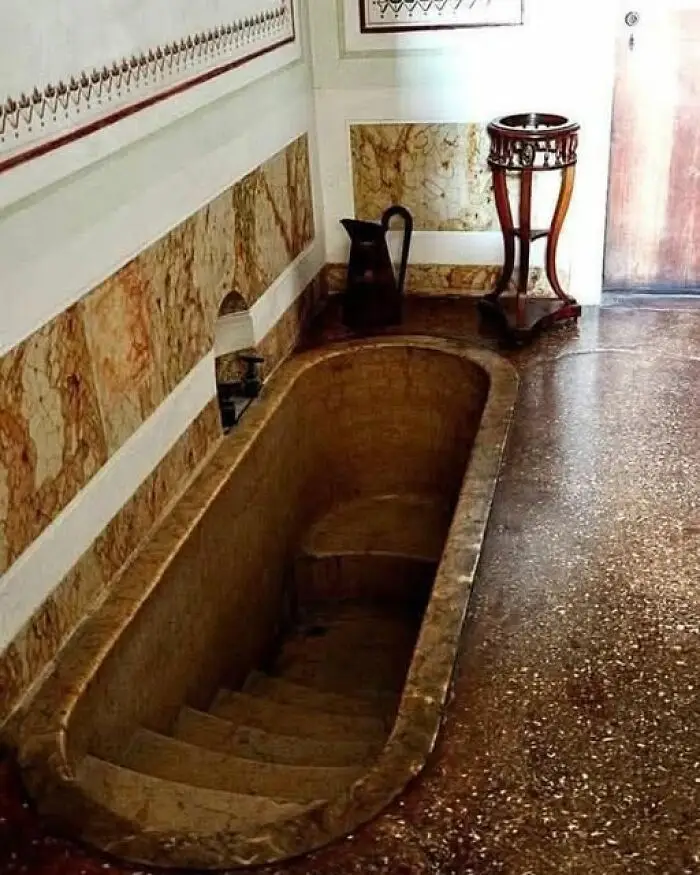
#71 Napoleon's Private Bathroom, Featuring A Unique Recessed Bathtub, Located Within His Apartment At The Villa Pisani In Stra, Northern Italy
Report
39points
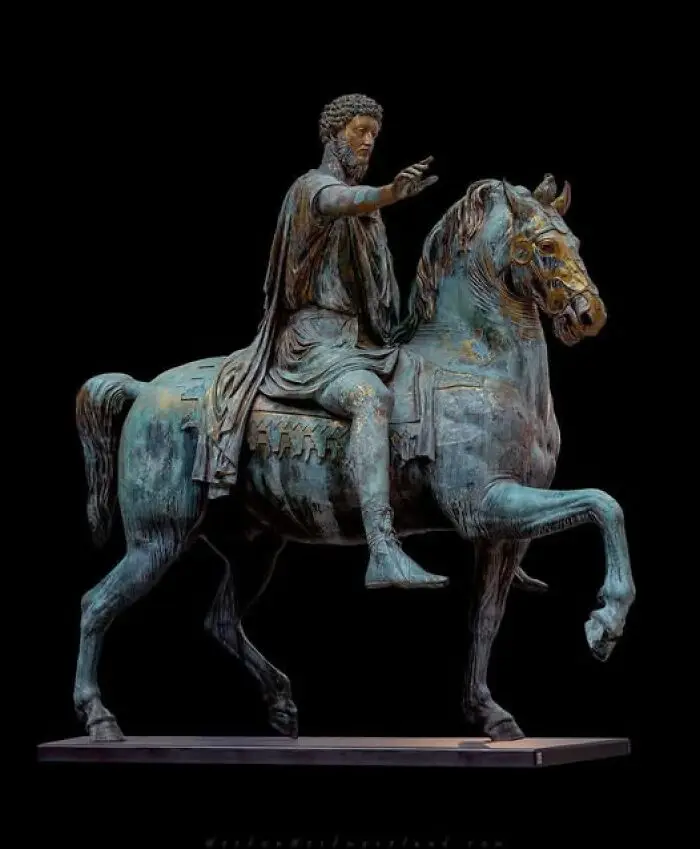
#72 Equestrian Statue Of Marcus Aurelius, Rome, 176 Ad. One Of The Greatest Surviving Works Of Roman Imperial Art, It Is The Only Large Bronze Imperial Equestrian Statue To Survive, Largely Because M. A. Was Confused With Christian Emperor Constantine And Escaped Being Melted Down
Report
39points
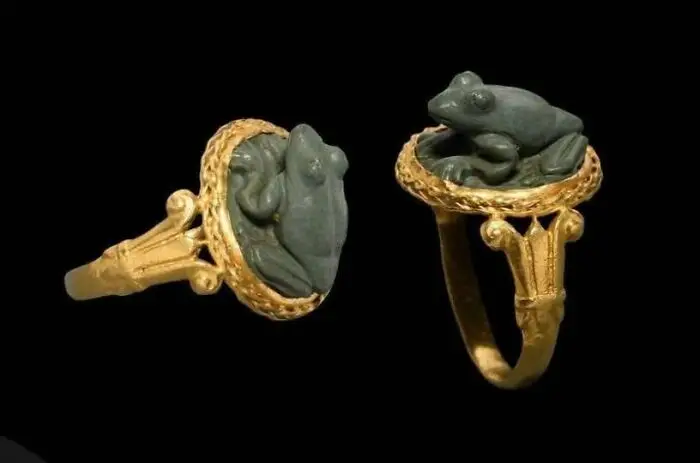
#73 This Is An Ancient Egyptian Gold Ring With A Carved Jasper Frog, Dating From 600–30 BC
Report
39points
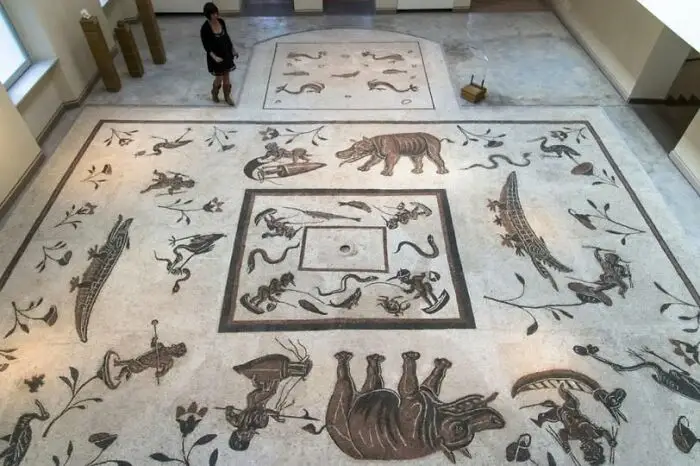
#74 A Large Roman Mosaic From The Thermal Baths Of Urvinum Hortense, Now Housed At The Museo Città Di Cannara In Italy. 1st-2nd Century CE
Report
38points
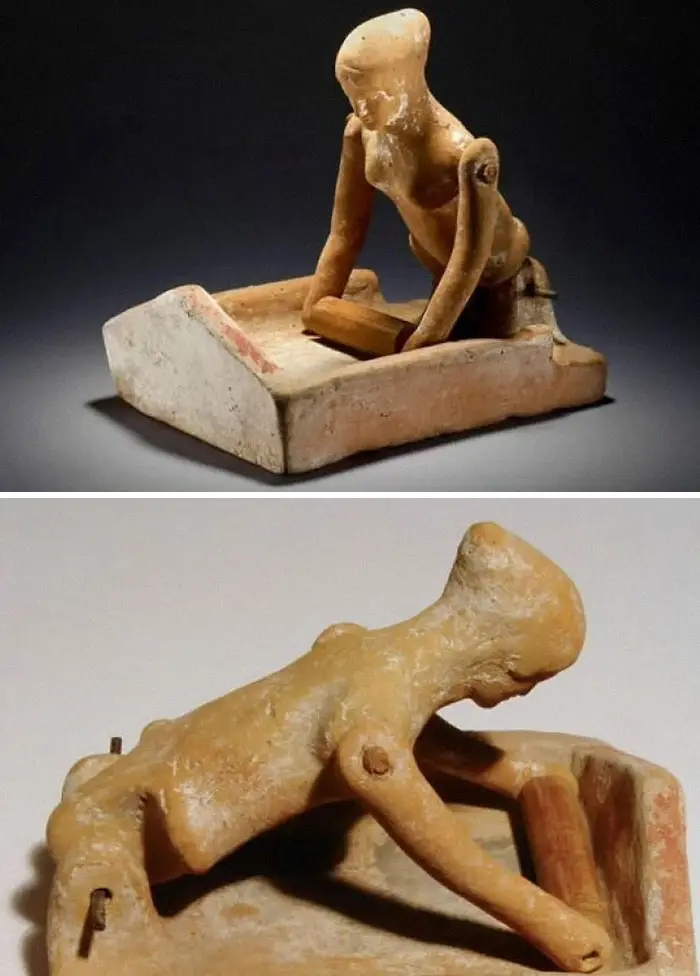
#75 Toy From Ancient Greece, C.450 BCE: This Doll Was Crafted In The Form Of A Woman With A Rolling Pin, And It Has Articulated Joints That Allow The Rolling Pin To Be Pushed Back And Forth
Report
37points
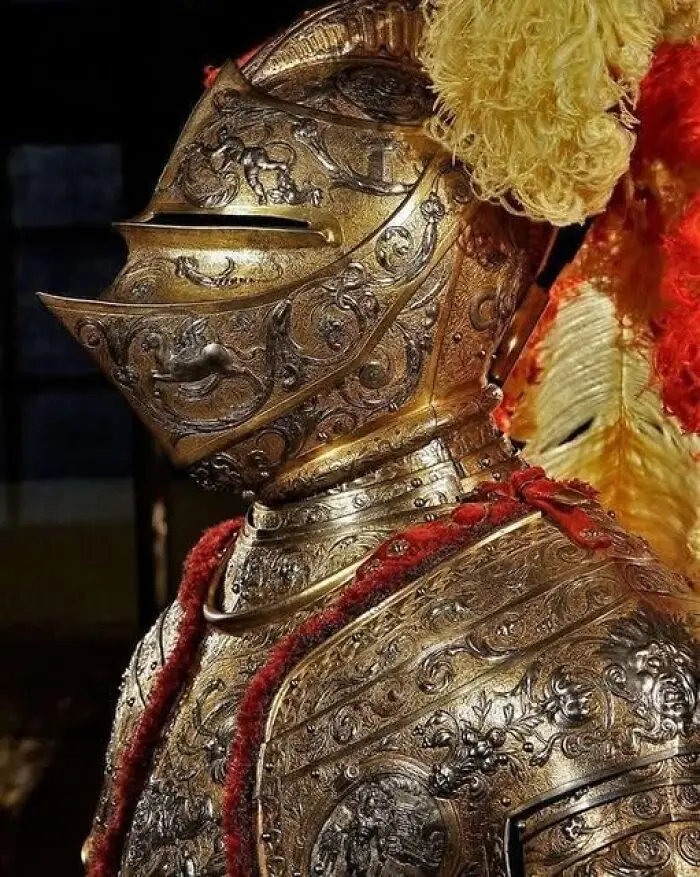
#77 Ceremonial Armor For The Rider And Horse Of King Eric XIV Of Sweden. Antwerp, 1563-1565
Report
33points
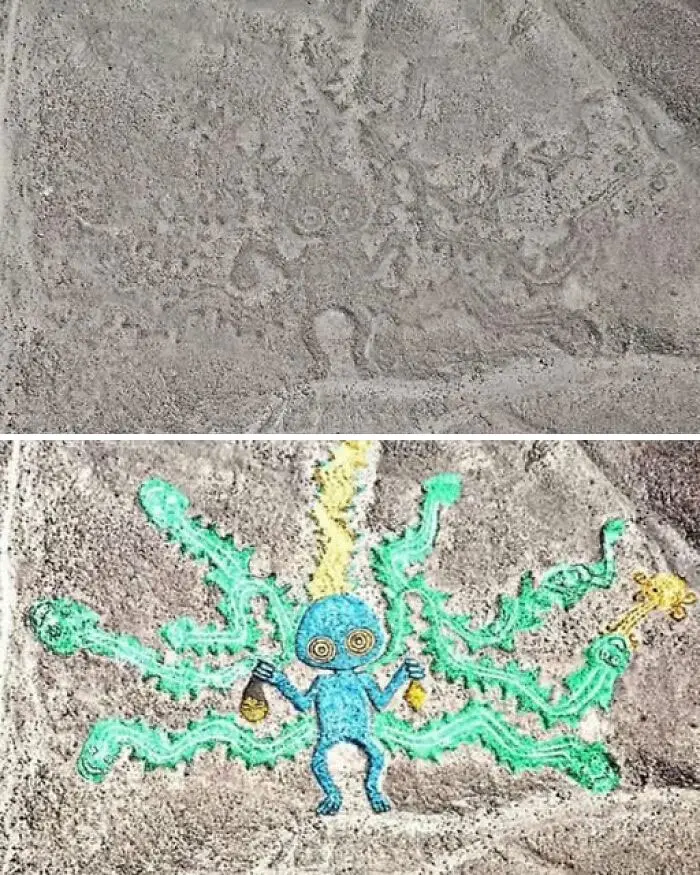
#78 A 45 Meters Long Paracas Geoglyph Of An Oculate Being, Found In The Desert Of Jumana, In Peru, In 1982. 500 BCE
Report
33points
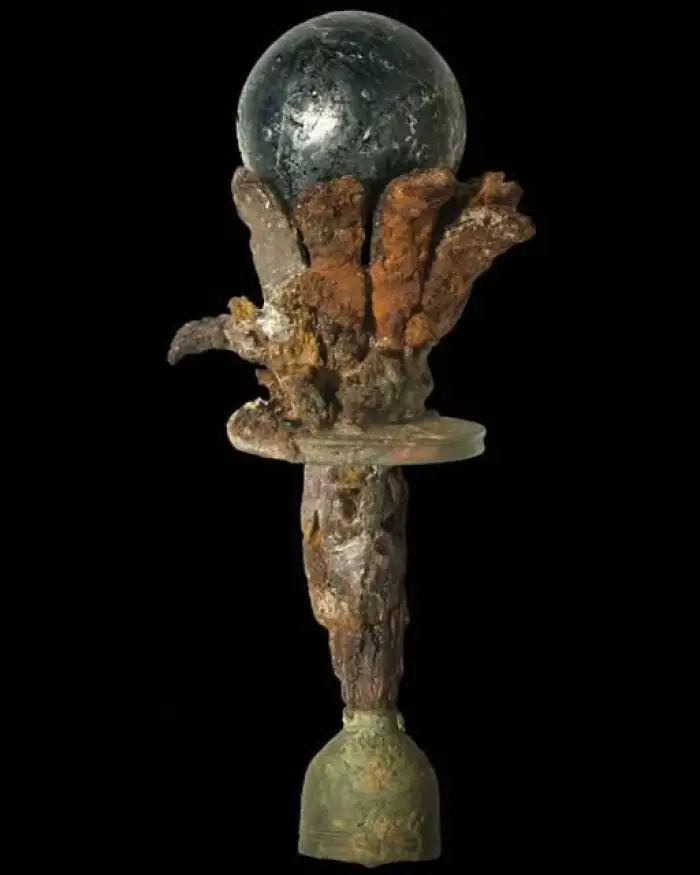
#79 The Imperial Sceptre Of The Roman Emperor Maxentius (306 - 312 Ce) - The Only Surviving Example Known
Report
32points
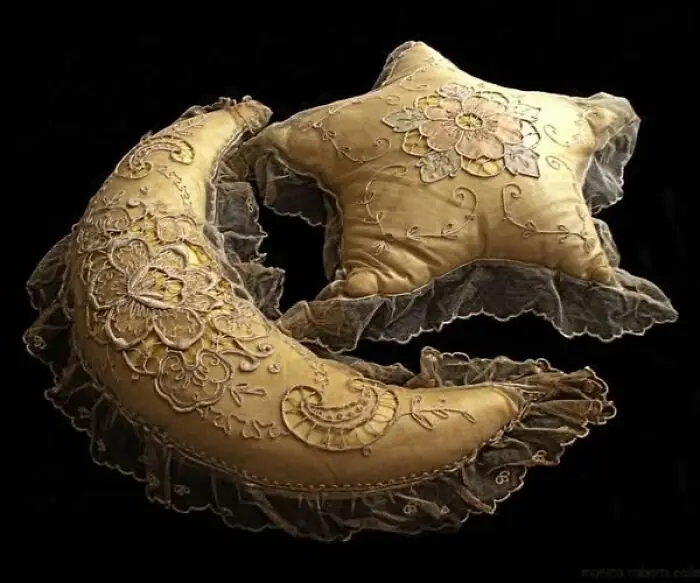
#80 Antique French Moon And Star Tambour Lace Boudoir Pillows From The Monica Roberts Collection, Circa 1910
Report
31points
