

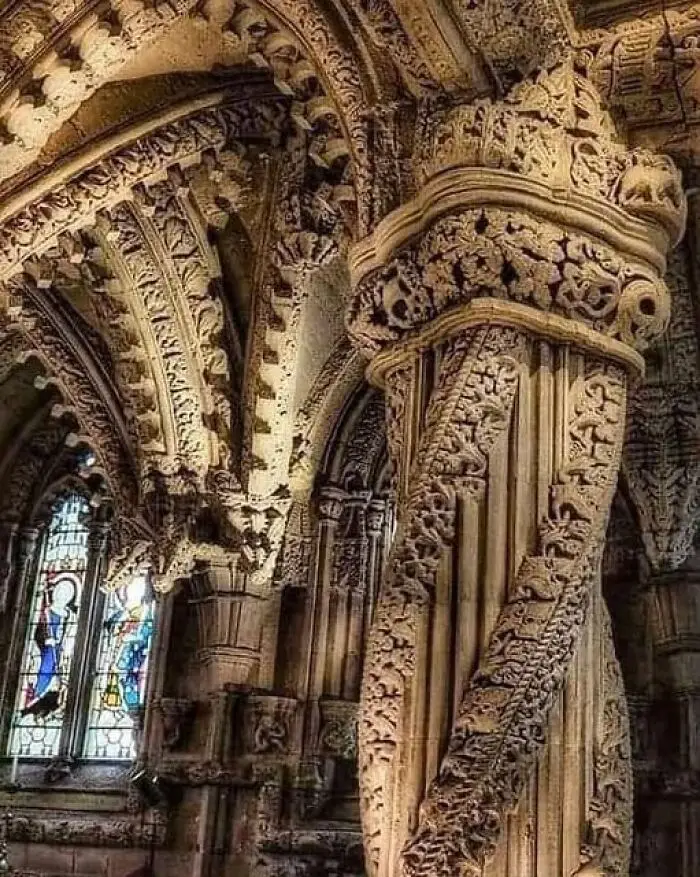
#21 Rosslyn Chapel. It Has Been Described As A Library In Stone. Built Between 1446-84. Roslin Midlothian, Scotland
Fortunately, there’s a shift happening. Museums are beginning to return artifacts to their countries of origin. Deutsche Welle reports that in December, the Metropolitan Museum of Art in New York announced it would return 14 sculptures to Cambodia and two to Thailand, all procured through the now-convicted British art dealer Douglas Latchford. Institutions are increasingly recognizing the moral and cultural responsibility to restore looted treasures, acknowledging that the artifacts were acquired through coercion, exploitation, or outright theft.
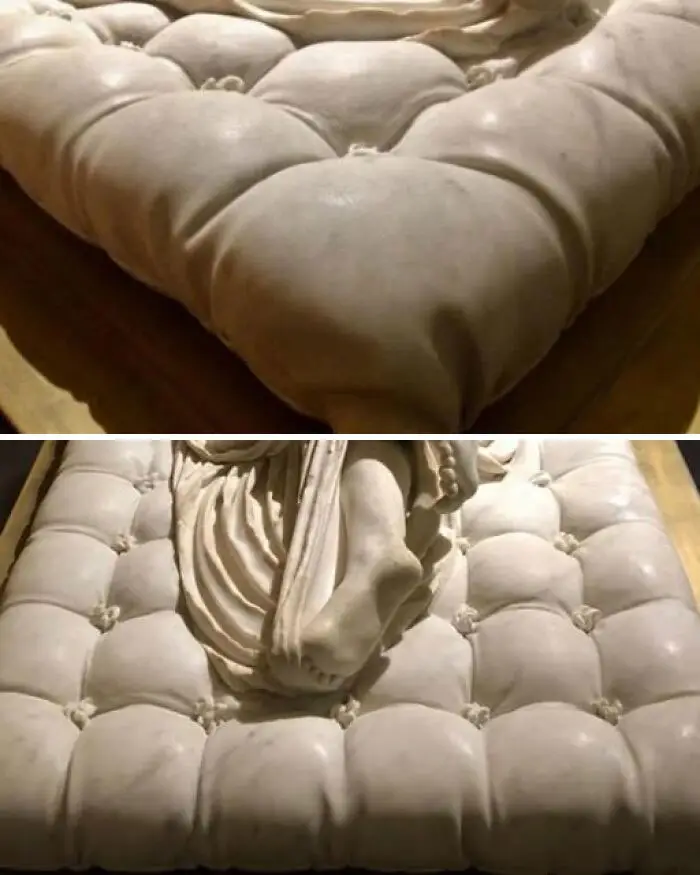
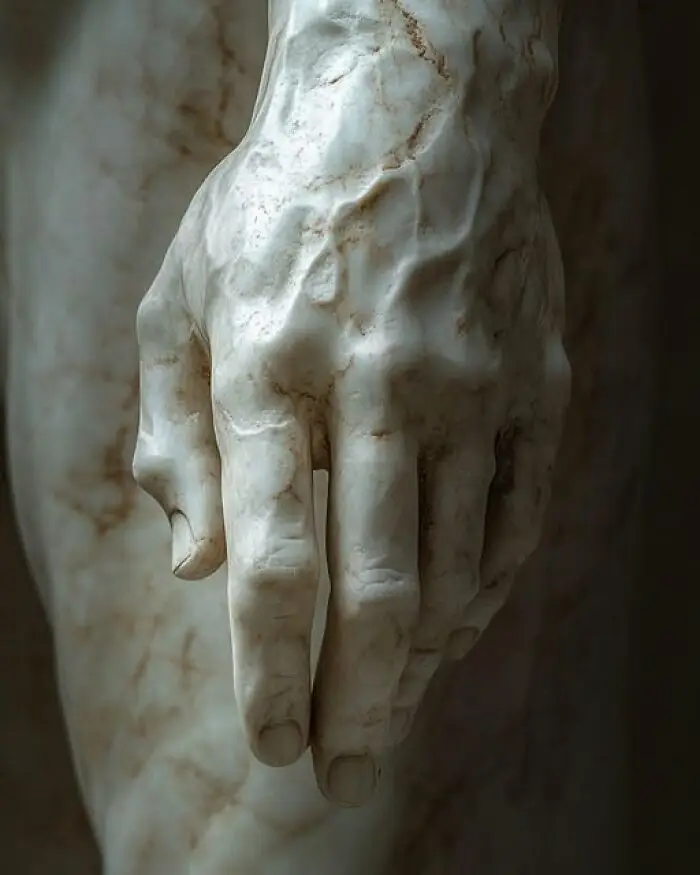
#22 How Could Someone, 450 Years Ago In 1652, Make Marble Look More Comfortable Than An Actual Bed?
In July 2023, two Dutch museums, including the Rijksmuseum, returned hundreds of artifacts to Indonesia and Sri Lanka, former colonies. “The objects were wrongfully brought to the Netherlands during the colonial period, acquired under duress or by looting,” the Dutch government said. These returns signal a growing awareness that history cannot simply be admired from afar; it belongs to the people and cultures that created it. While restitution cannot undo the past, it restores dignity and recognizes the deep, often painful, histories behind these treasures.
#25 The Oldest Paved Road You Can Walk In Europe Is The Minoan Royal Road In Crete, Greece, Which Is Over 3.500 Years Old
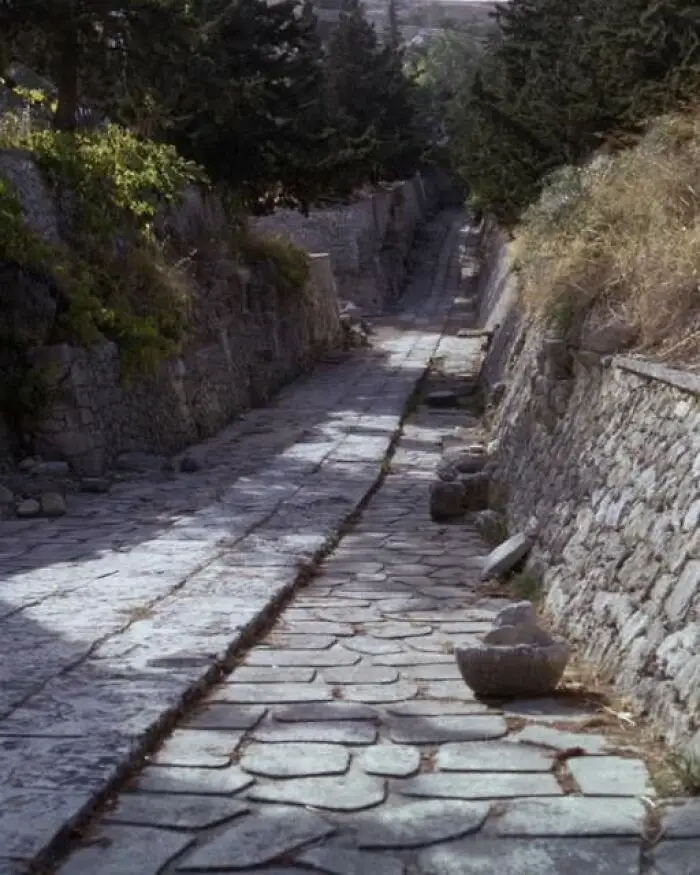
If you go to Knossos, you will step exactly where the Minoans walked 4.000 years ago.

From centuries-old royal thrones to modern archaeological finds, artifacts carry more than beauty—they carry the weight of human history, power, and conflict. Many objects we admire today were looted, coerced, or smuggled, and only recently are institutions beginning to confront these truths. Protecting cultural heritage requires vigilance, ethical stewardship, and restitution where possible. These treasures remind us that history is not just a story in textbooks; it’s living, messy, and deeply intertwined with human ambition, greed, and creativity.
Well, these posts clearly show how artifacts are a vibrant part of our shared history, and, of course, they belong in the places where they were created, preserving their cultural and historical context. Pandas, which one of these artifacts caught your eye the most?
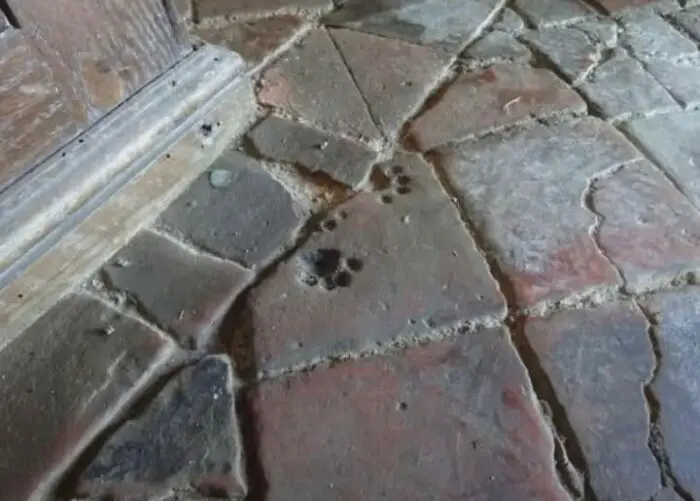
#28 Cat Paw Prints Preserved In 12th-Century Floor Tiles At St Peter's Church, Wormleighton, England
#29 One Of The Most Exquisite Italian Armors Ever Made, Forged By Milanese Master Lucio Piccinino For Alessandro Farnese Between 1575 And 158
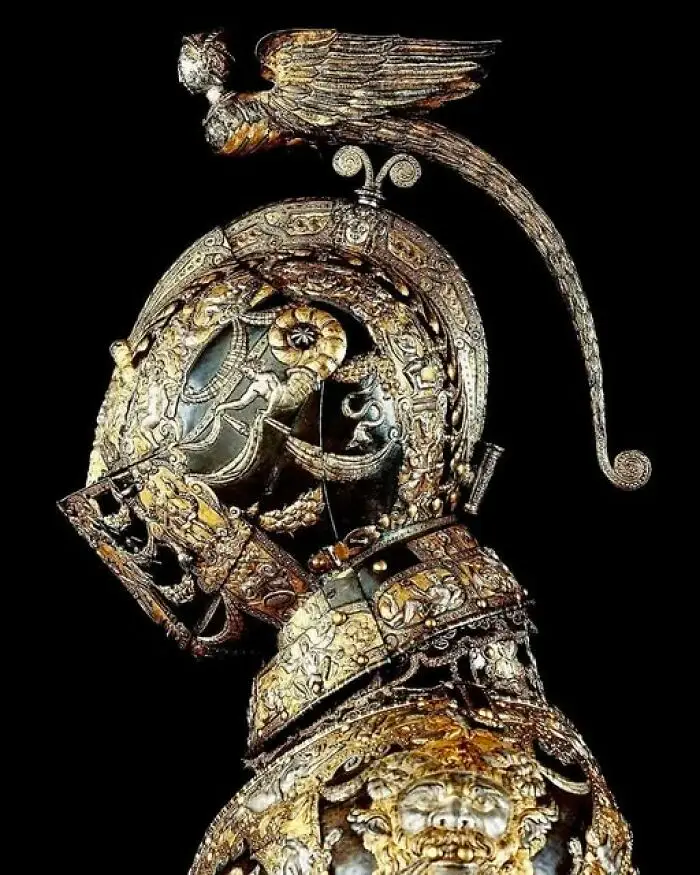
It is now housed in the Kunsthistorisches Museum, Vienna, Austria
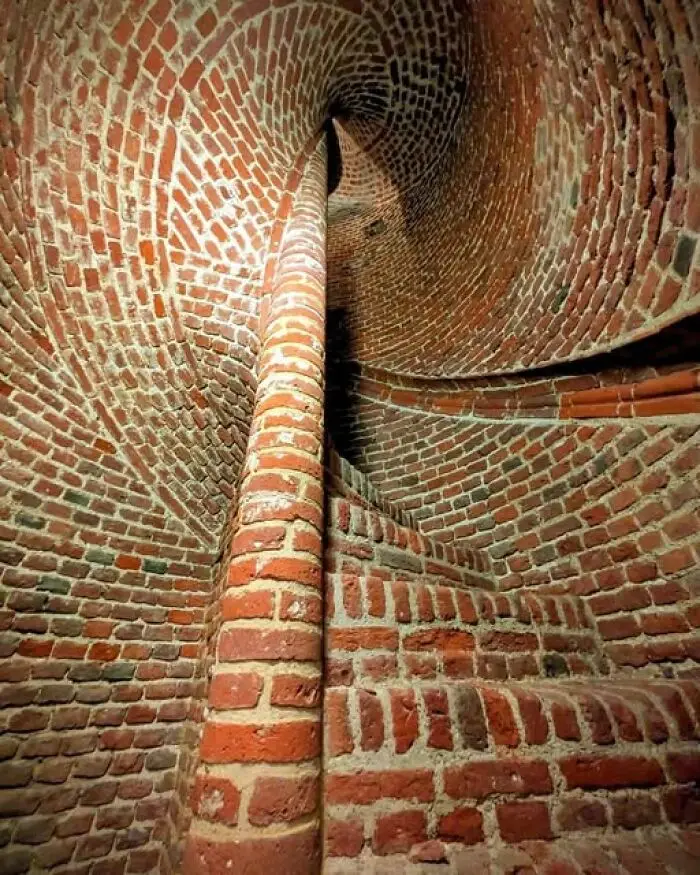
#31 The Brick Spiral Staircase Inside The Tower Of The Moot Hall In Maldon, England. C.1420 Ce
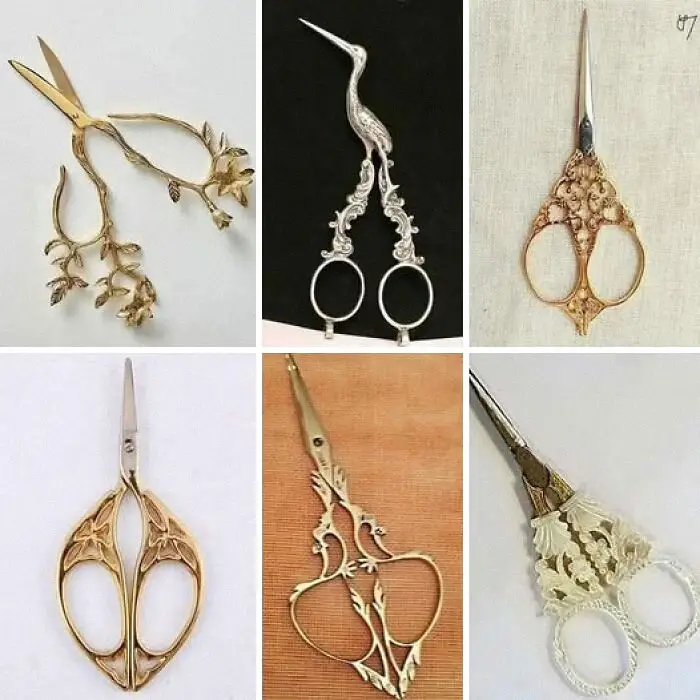
#32 Scissors Designed In Art Nouveau Style, Late19th/Early 20th Century
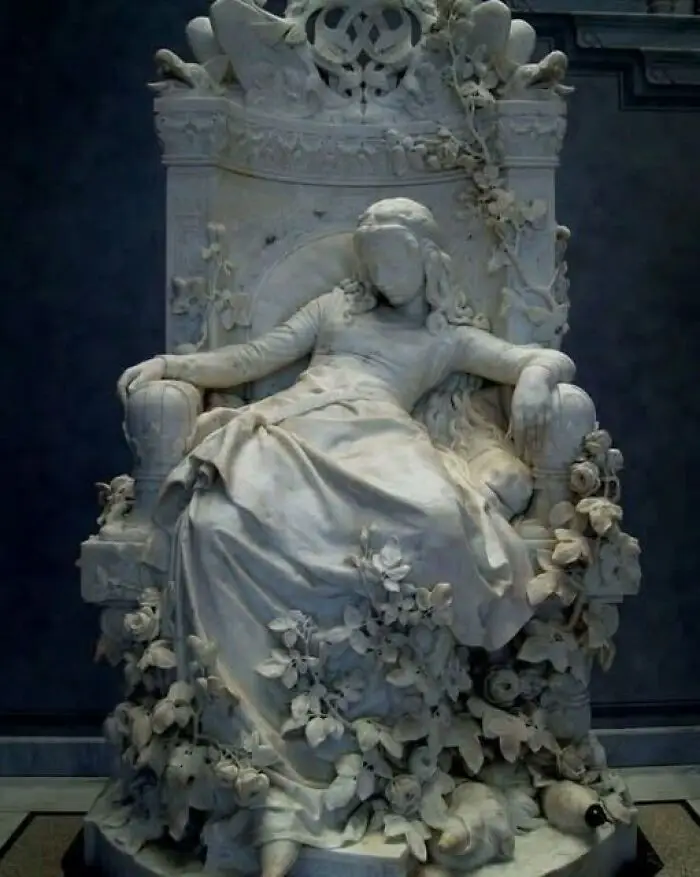
#33 Dornröschen, A Marble Sculpture By German Artist Louis Sussmann-Hellborn Created In 1878, Depicts The Fairy Tale Character Sleeping Beauty
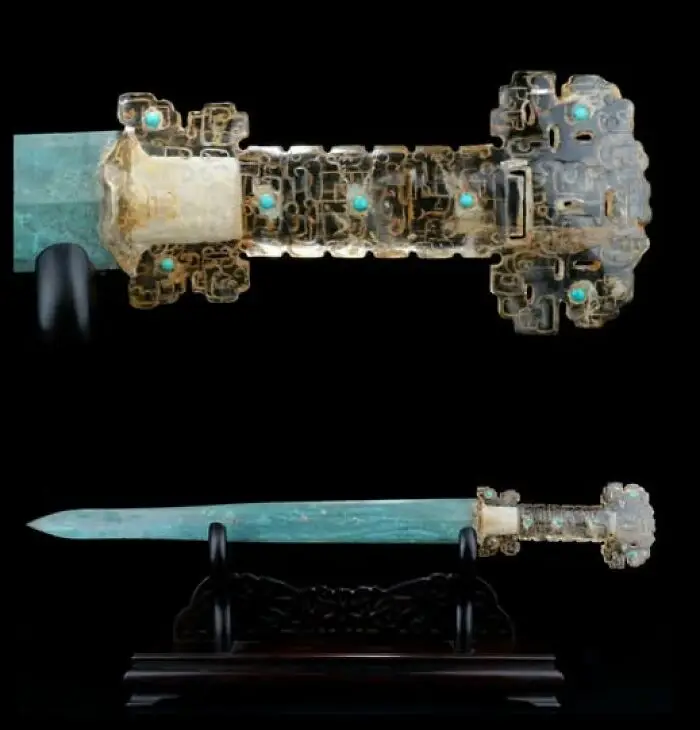
#34 Bronze And Crystal Sword From China, C.450-250 BCE:
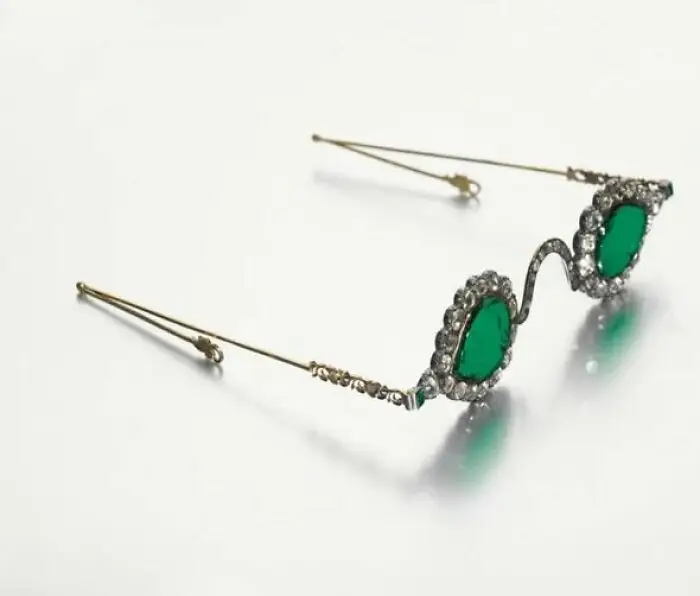
#35 Mughal Spectacles Set With Flat Cut Emerald Lenses, In Silver And Gold Frames Mounted With Old-Cut Smaller Diamonds And Emeralds, India, Lenses Circa 17th Century, Frames 19th Century
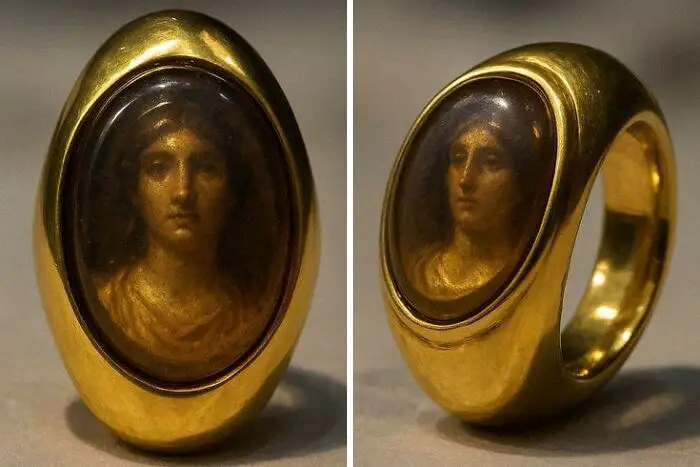
#36 2,000-Year-Old Roman Gold Ring Featuring A Rock Crystal Carved With A Portrait Of Titus Carvilius Gemello

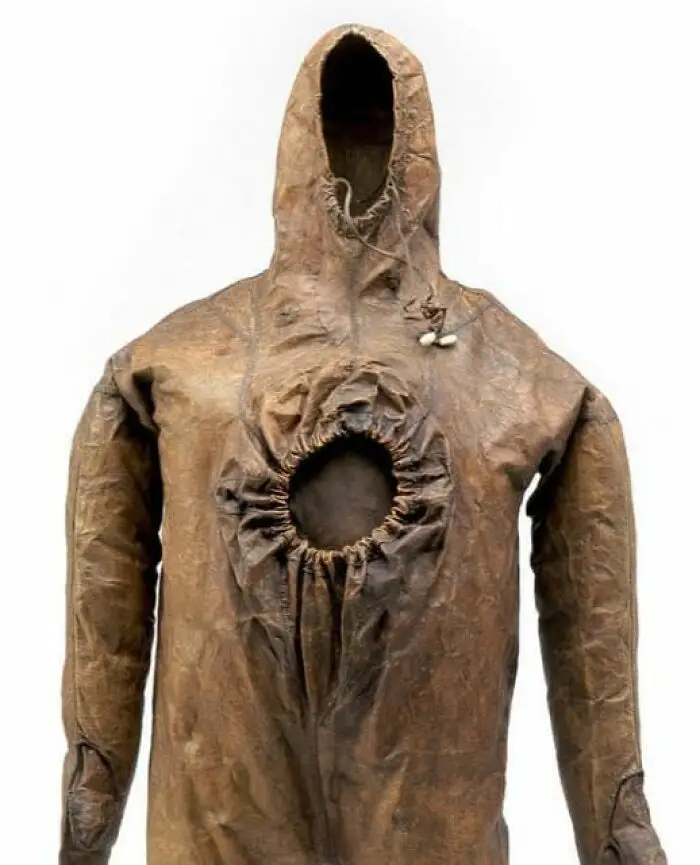
#38 So This Creepy Looking Brown Leather Onesie Is Actually A Legit 19th Century Inuit Sealskin Whaling Suit From Greenland (Pre-1834)
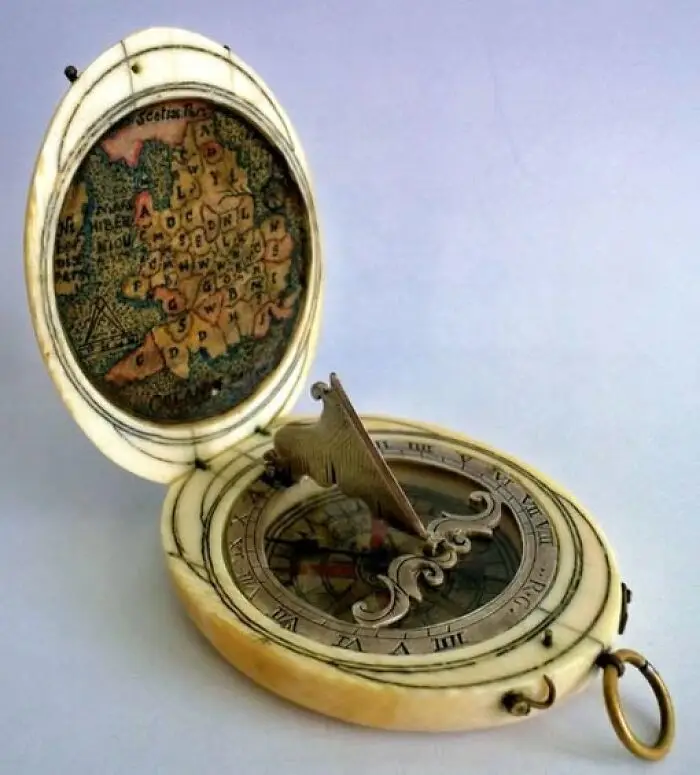
#39 Pocket Sundial And Compass, Circa 1630
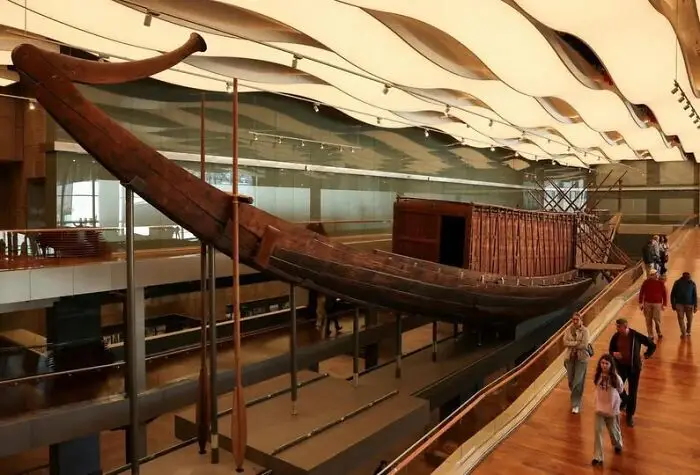
#40 The Khufu Ship Is A 4500-Year-Old Intact Full-Size Solar Barque From Ancient Egypt That Was Sealed Into A Pit At The Foot Of The Great Pyramid Of Pharaoh Khufu In The Giza Pyramid Complex