





Most of the time, new inventions only see the light of day after months and months (if not years!) of careful scientific research, planning, constructing, trial-and-erroring, and tons upon tons of hard mental and physical work. And, once they do see the light, it isn’t guaranteed that they will change the world, make a big impact, or even be remembered years later (hello pagers and beepers!). Yup, even in the case where they are the predecessors of something as great as the smartphones we all have nowadays! However, if some cool inventions require tons of effort, some of them happen, well… accidentally. And you know what they say - everything unexpected is not an error but a happy little accident! Thus, these accidental inventions are probably the happiest little accidents ever, since we all know them, use them, and love them. And in some cases - we cannot imagine our lives without them!
Not only did all of these crazy inventions stick around, but they can also be named as the accidental inventions that changed the world, quite literally! Well, okay, cornflakes might not have changed the world, but could you imagine a breakfast without them? However, penicillin, X-ray machines, and superglue did change the course of history, as did chewing gum, matches, and bubble wrap. See, we weren’t kidding when we said these cool inventions were groundbreaking, even if completely accidental. What’s even better is that each of the amazing stories of the invention is usually rather funny, which makes for awesome reading material – both entertaining and actually useful!
Now, ready to take a look at all of these awesome, accidental, serious, and at times funny inventions that have made it to our list? If so, be our guest and scroll down below! Be sure to read the fun facts about accidental inventions accompanying each of the submissions and give your vote to the stories (or inventions) you enjoyed the most.
#1 Penicillin
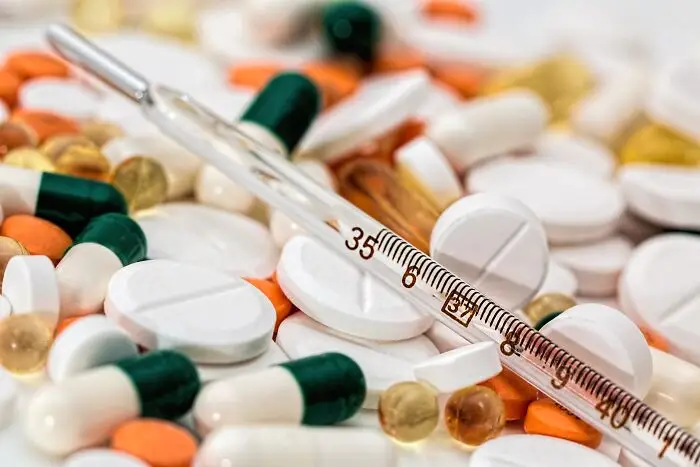
One of the first antibiotics in human history, Penicillin, was discovered in 1928. However, its discoverer, Dr. Alexander Fleming, never intended for it to "revolutionize all medicine," as he subsequently put it. Fleming discovered the antibiotic entirely by accident when he left out cultures of Staphylococcus aureus in his lab for two weeks and discovered that a mold called Penicillium notatum had stopped their growth.
0points
#2 Safety Glass

Scientist Edward Benedictus was working in his lab one fateful day in 1903 when he unintentionally knocked over a flask. As Benedictus looked down, he saw that the glassware had only slightly cracked while preserving its shape, instead of shattering into a million tiny pieces. Further investigation revealed that the cellulose nitrate coating on the interior of the glass had held the glass together, leading to the invention of safety glass.
Report
0points
#3 The Implantable Pacemaker
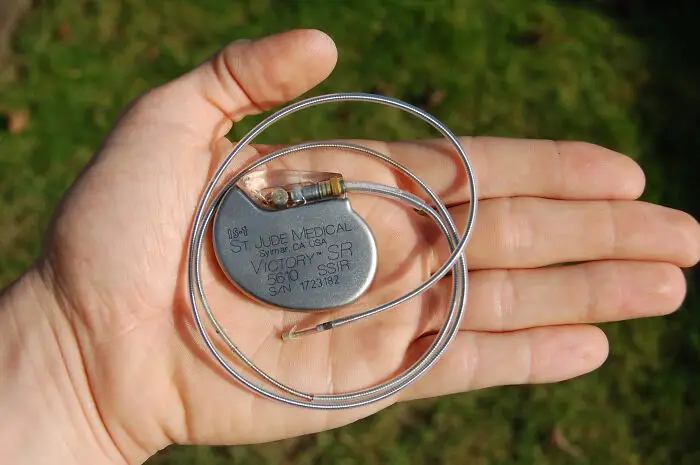
Wilson Greatbatch, an associate engineering professor at the University of Buffalo, unintentionally created the pacemaker in 1956. The scientist was developing equipment to record heart sounds when he used the wrong transistor and found that instead of recording noises, his creation produced an electrical pulse that resembled the heart's. Together, Greatbatch and William Chardack, a surgeon at Buffalo's Veterans Administration Hospital, were successful in controlling a dog's heartbeat in 1958 and a human heartbeat in 1960.
Report
0points
#4 Vaseline

A 22-year-old chemist Robert Augustus Chesebrough was intrigued by the potential uses for petroleum and decided to travel to the location of its discovery - Titusville, Pennsylvania to experiment with it. The substance known as Vaseline was created due to Chesebrough's observation that the workers drilling for petroleum would apply a byproduct of the pumping equipment - a jellylike substance that was cleaned off of it and often applied to their skin to treat cuts and burns.
Report
0points
#5 Bubble Wrap
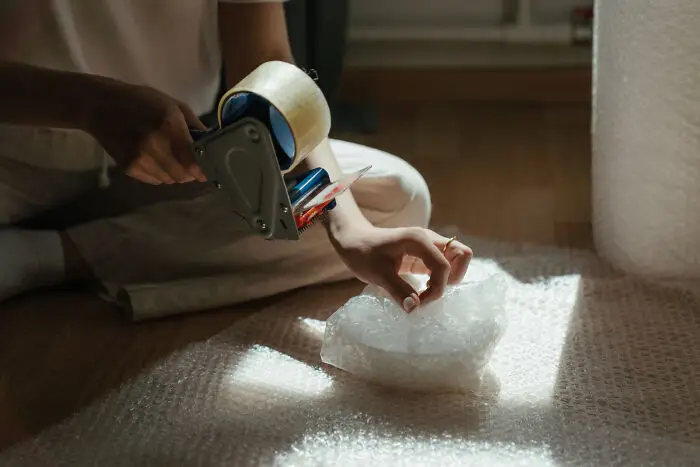
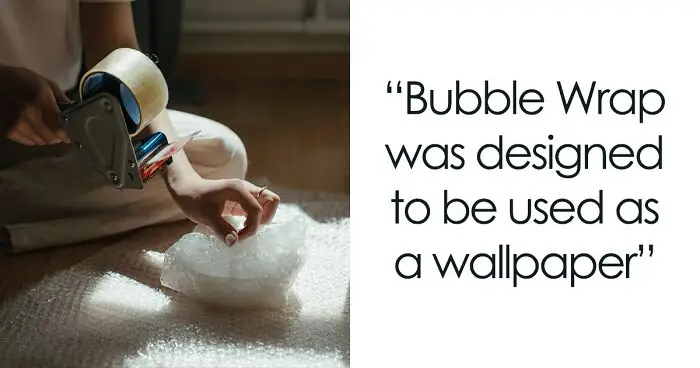
Although bubble wrap was intentionally created by engineers Marc Chavannes and Alfred Fielding, it was never intended to be used as packing material. Nevertheless, after the two business owners' bubbling wallpaper failed to catch on, they changed course and began selling their product as greenhouse insulation and then, in 1960, as protective packaging.
Report
0points
#6 Velcro
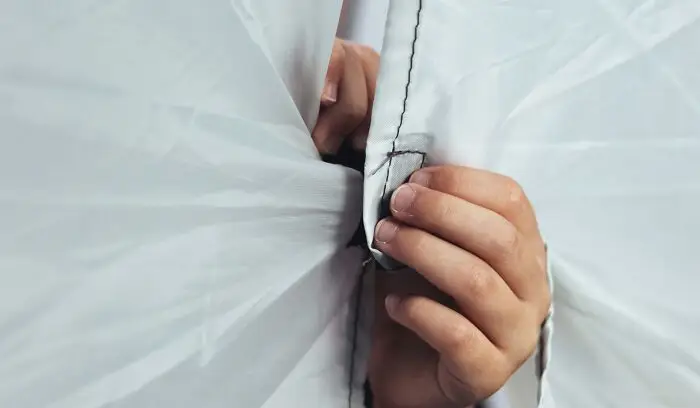
While walking his dog, Swiss engineer George de Mestral noticed the bothersome burrs that clung to his clothing. He discovered that the burrs possessed tiny hooks that gave them the ability to attach to clothing and fur with ease. De Mestral was motivated to create a fastening mechanism that made use of the same idea by Nature's design for the burrs. The end result was what is now known as Velcro.
Report
0points
#7 The Microwave Oven
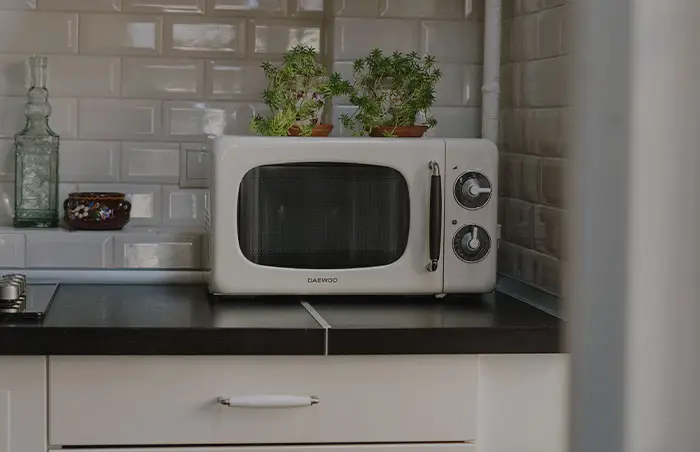
Percy LeBaron Spencer was doing his job as usual, working on high-powered vacuum tubes that generate short radio waves. He noticed the candy bar that he had in his pocket had melted. The engineer understood that the magnetrons were responsible for this phenomenon. And in 1945, he had already applied for a patent for his microwave-powered metal frying box or a microwave oven as we know it today!
Report
0points
#8 Matches
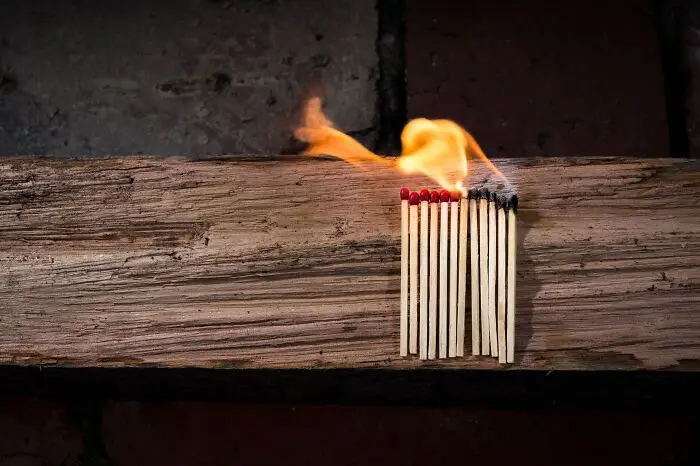
When chemist John Walker unintentionally scraped a stick wrapped with chemicals across his fireplace and noticed that it caught fire, he made the discovery that would later become known as matchsticks. Walker initially used cardboard to create his "Friction Lights," as he dubbed them but soon converted to utilizing wooden splints and sandpaper. By the way, this invention dates back to 1826!
Report
0points
#9 The Safety Pin
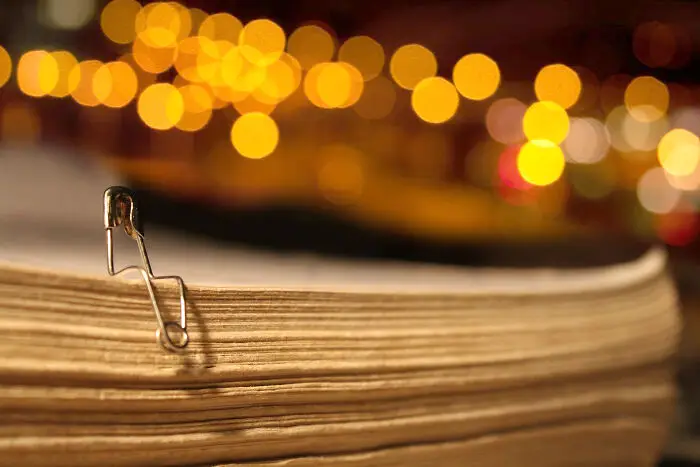
Walter Hunt, an inventor, is said to have started playing around with some wire while working at his desk and trying to figure out how to pay off some debts. Hunt invented the safety pin on April 10, 1849, after experimenting with a scrap of metal and discovering that, when coiled, it could clasp to itself and unclasp once more.
Report
0points
#10 The Post-It Note
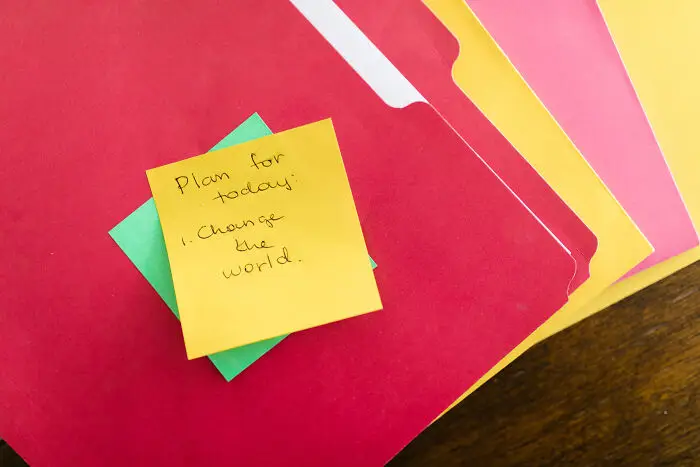
According to the Post-it website, while researching powerful adhesives, 3M scientist Dr. Spencer Silver discovered one that "stuck gently to surfaces but didn't strongly adhere to them." When Silver first discovered it, he had no clue what to do with it. However, years later, Art Fry, another 3M scientist, approached Silver to develop a bookmark that could adhere to paper without tearing it. That bookmark eventually evolved into the Post-it note - the ultimate piece of paper to write little "I love you" notes on!
Report
0points
#11 The X-Ray Machine
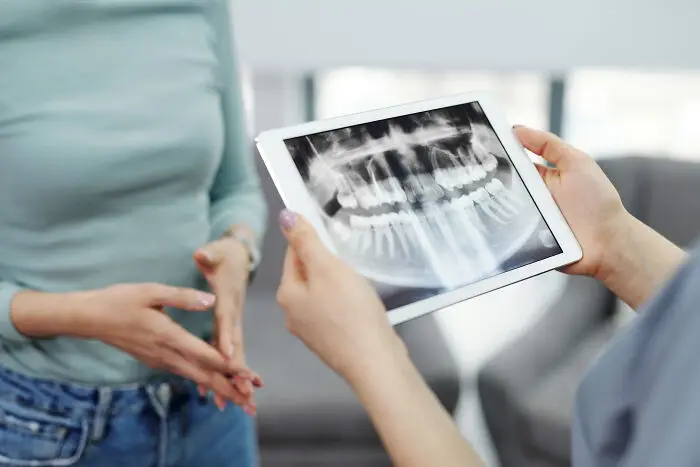
Scientist Wilhelm Conrad Rontgen was working on a vacuum tube experiment at his lab in Wurzburg on November 8, 1895, when he became aware of a strange glow coming from a nearby chemically coated screen. Confounded and intrigued, he gave the mysterious new rays causing this glow the name "X-rays" because of their then-unexplained origin. After experimenting with the new rays, he discovered that holding his hand in front of the glow allowed him to see through his skin to his bones, creating the first X-ray picture in history.
Report
0points
#12 Coca-Cola
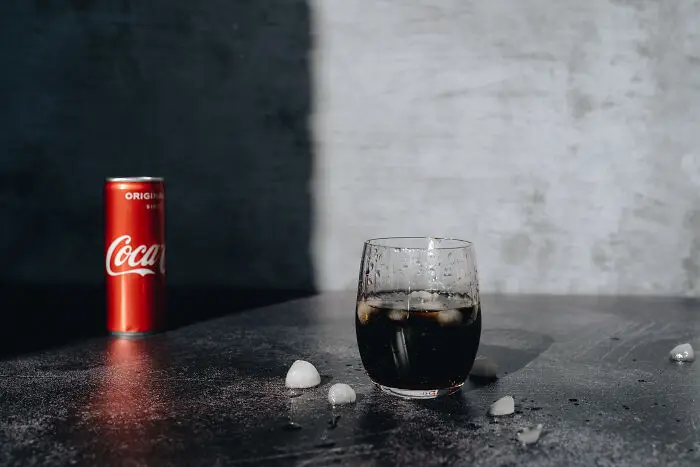
The man who developed the syrup for Coca-Cola was not a chef and had no business with the food industry. Instead, Dr. John Stith Pemberton was a pharmacist. He wanted to make an alcoholic beverage that was loaded with caffeine and cocaine so that drug addicts like himself could use it to wean themselves off of morphine and other substances. The first bottle of Coca-Cola was created in 1886 when Pemberton removed the alcohol from the recipe due to Prohibition. However, cocaine remained a part of the concoction for years to come!
Report
0points
#13 The Pap Smear

Dr. George Nicholas Papanicolaou developed the concept for the Pap smear, a procedure used to check for cancer while looking at a slide of cells extracted from a woman's uterus. Papaniculaou's first goal was to merely track cellular changes that occur during a woman's menstrual cycle. Still, as he conducted his research, he learned that one of his patients had uterine cancer and that her cancer cells were simple enough to examine under a microscope.
0points
#14 Vulcanized Rubber

Charles Goodyear accidentally created vulcanized rubber in 1839, which is now used to create durable items like car tires. He had been trying to make a weatherproof rubber for years, but only succeeded when he put some conventional rubber mixed with sulfur onto a hot fire by mistake and discovered that it retained its structure.
Report
0points
#15 Popsicles
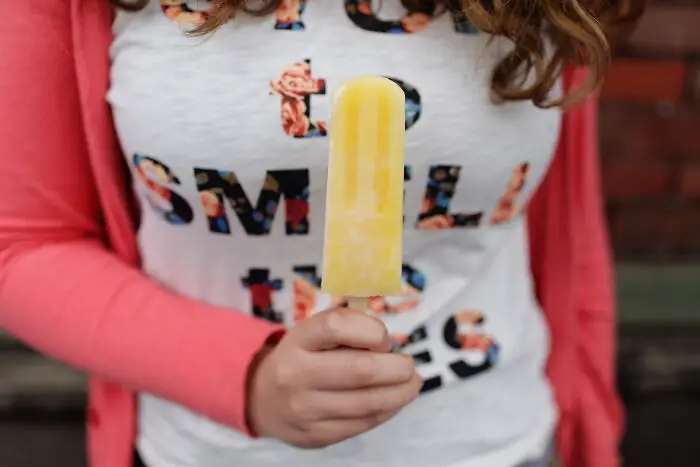
Frank Epperson, an 11-year-old child, created the popsicle when he accidentally mixed soda powder with water and left it out overnight with the stirrer still in. Epperson decided to lick his frozen blend and discovered that it tasted, well, pretty great. The young businessman originally called his creation the Epsicle (a combination of the word icicle and his name), but he later changed the name to popsicle because kids would already call the ice pops "Pop's 'Sicle" anyhow.
Report
0points
#16 Viagra
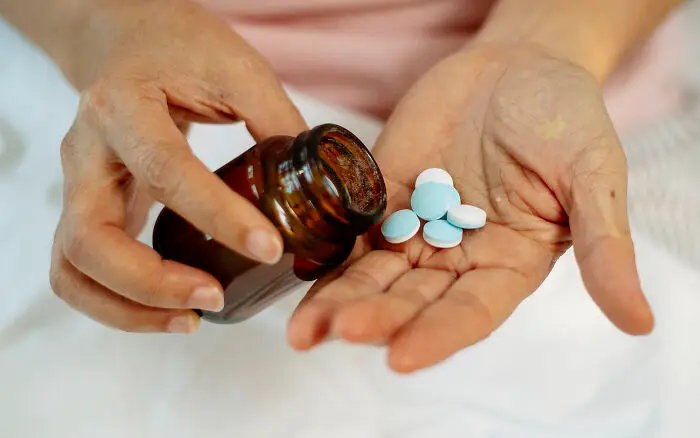
Despite being one of the pharmaceuticals with the highest sales rates ever, Viagra is no longer used for its intended purposes. During its testing phase, Viagra was promoted as a treatment for angina, a cardiac ailment that generates chest tightness. The little blue pill also boosted the frequency and strength of erections, despite the fact that it was unsuccessful in treating angina in research participants.
0points
#17 Brandy
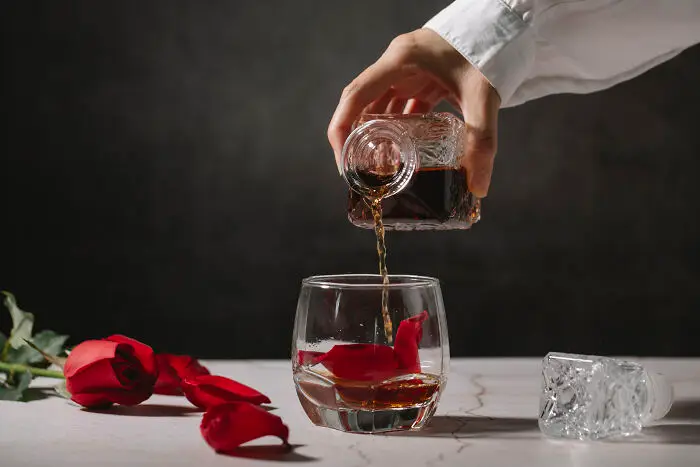
A Dutch shipmaster tried to make wine more transportable in the 16th century by using heat to concentrate the alcohol to add water before consumption. But, he soon realized that concentrated wine tastes far better than wine watered down. As a result, he abandoned the water portion of his idea and gave his new alcoholic beverage the Dutch name brandewijn, which means "burnt wine."
Report
0points
#18 Tea Bags
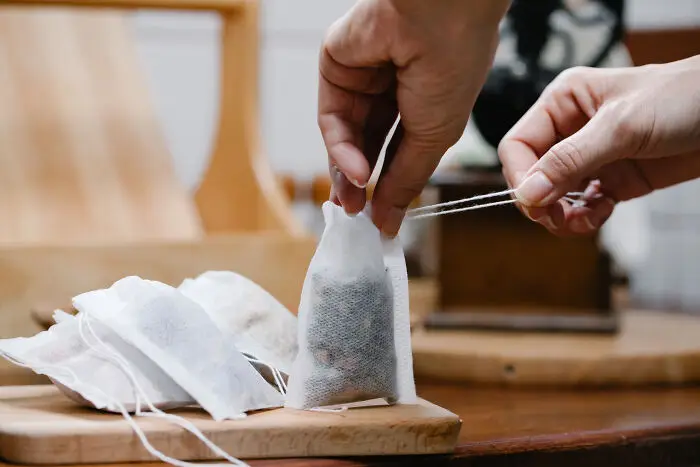
A mesh "Tea-Leaf Holder" was the subject of a patent application by two ladies in 1901, but Thomas Sullivan, a tea trader, is credited with creating the modern tea bag in 1908. Although it wasn't Sullivan's intention for consumers to use the little silk pouches in which he sent his tea samples as tea bags, they did so anyway and enjoyed how convenient it was.
Report
0points
#19 Quinine
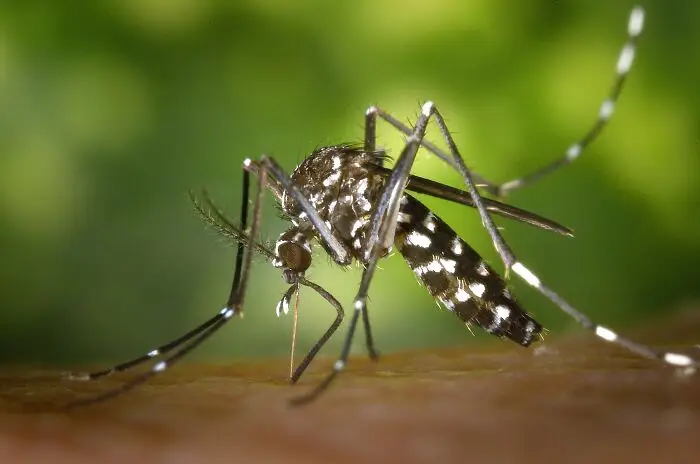
Although quinine was a known healing substance for ages, its first use as an anti-malaria drug is attributed to Charles Marie de La Condamine in 1737.
0points
#20 Radioactivity
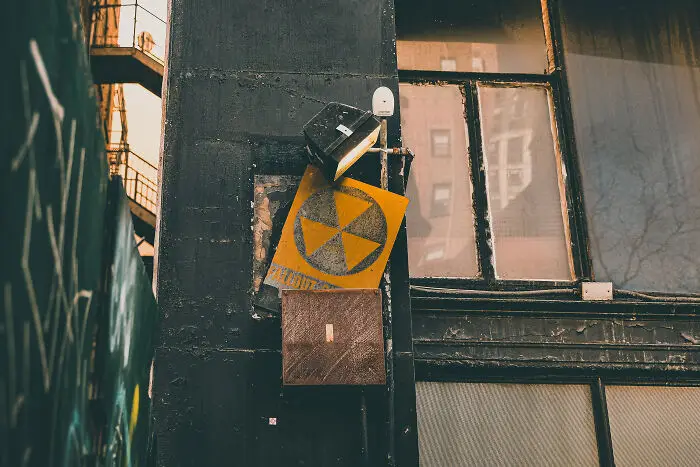
You can thank Henri Becquerel and Mother Nature for this one. In 1896, the chemist was attempting to make fluorescent materials emit X-rays when exposed to sunshine. He had to leave the goods in his drawer because it was a week of clouds and overcast, which was unfortunate. He opened the drawer when the sun finally emerged and discovered the uranium rock he had been using had left its mark on a nearby photographic plate without being exposed to light.
Report
0points


