


This post may include affiliate links.
#1

#2
#3

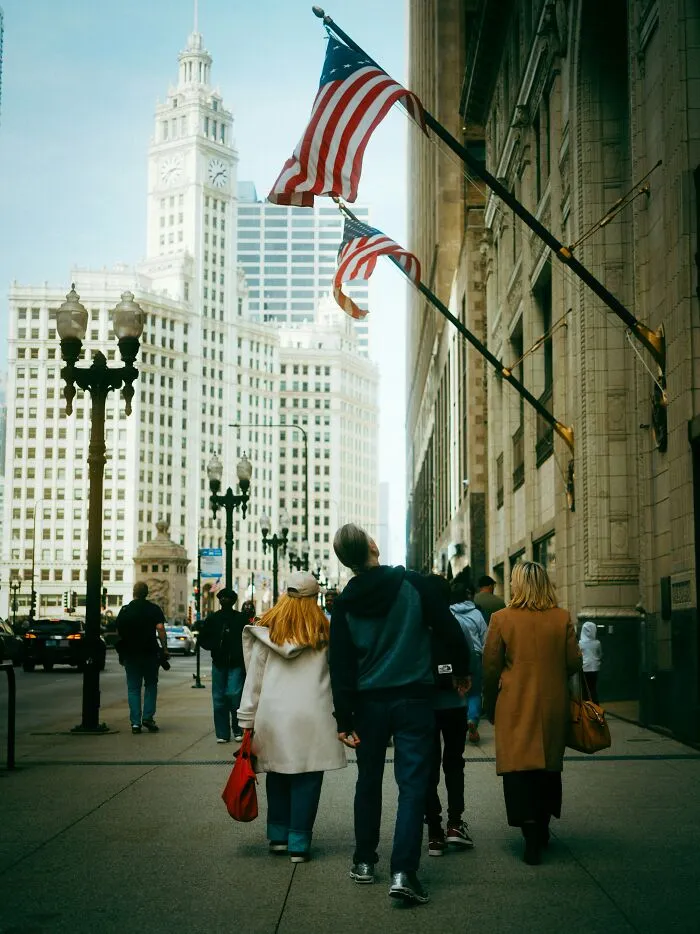
America is often called the “land of opportunity,” and whether you picture its massive cities, road trips, Hollywood, or the famous friendliness of its people, there are plenty of things the country is known for. But the US is also full of little details that can be surprisingly easy to overlook. Take the American flag, for example. We see it everywhere, from government buildings and front porches to sports stadiums and roadside stores. It feels like such a familiar symbol that we rarely stop to wonder where it came from. But the flag has actually gone through quite a few changes before becoming the version we recognize today.
#4
Went to college in Texas and i remember being introduced to an East Texan who shook my hand and spoke in that same accent I thought was a joke.
It was all I could do to keep my face straight but I was screaming in my head " Oh my Lord, they actually talk like that!!"
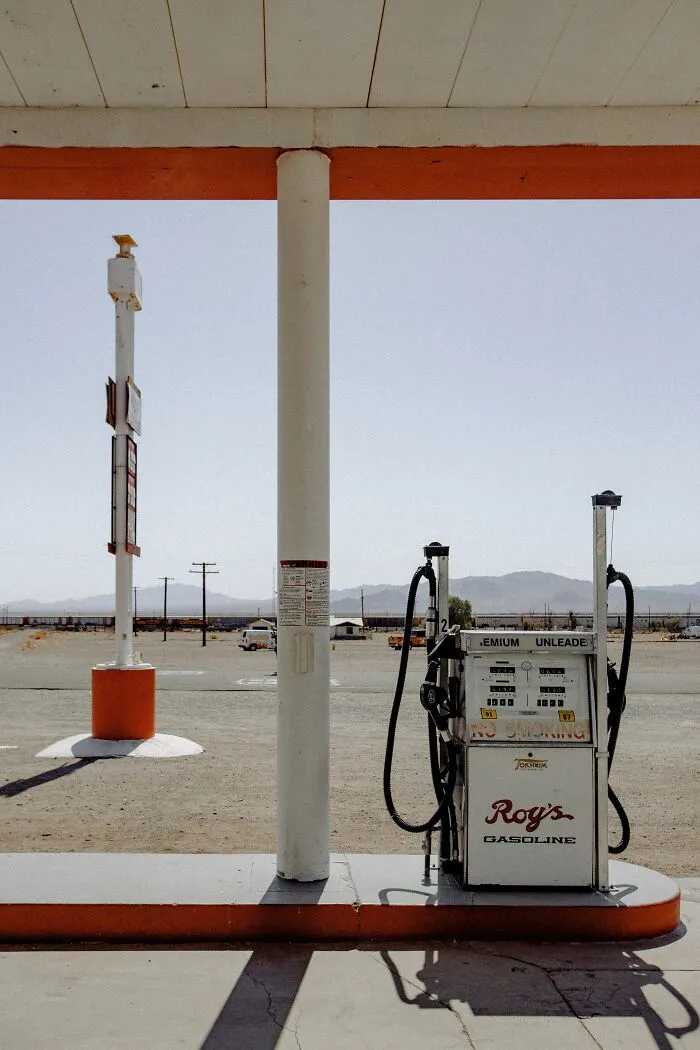
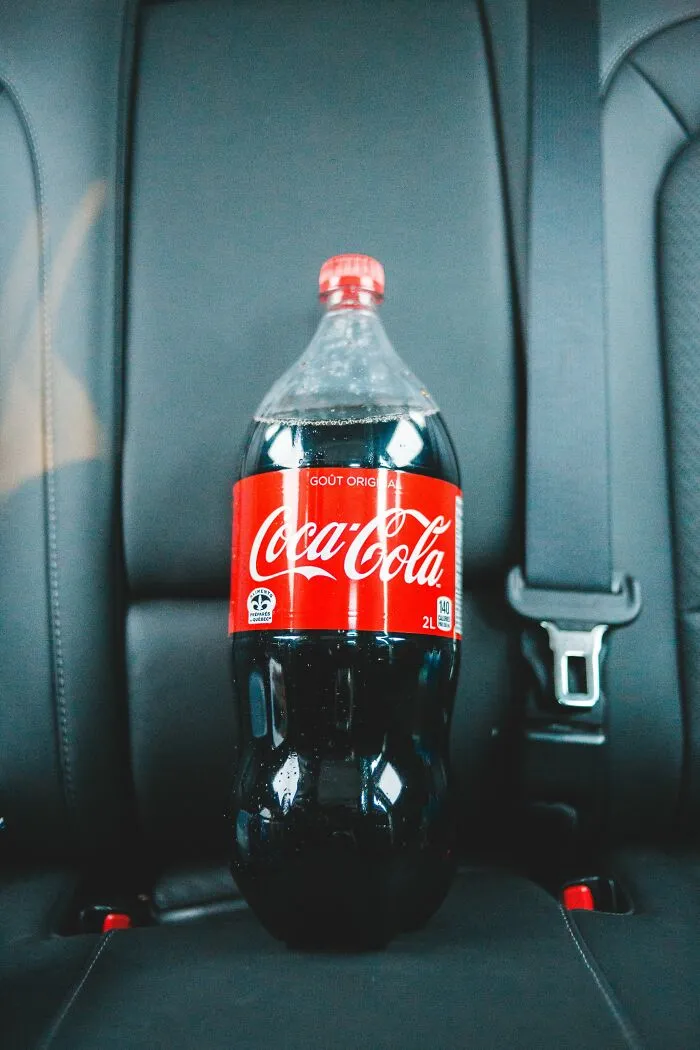
Another culture shock were the number of drink options in a gas station. I was used to being given a drink or at best 5 choices.
Stopped at a 7 eleven and got a medium coke, the lady handed me a large cup and pointed at a fountain that had easily 10 soft drink choices. I took from each one and walked out Happy. My drink was horrible but I didn't care. It tasted like America.
#5
#6
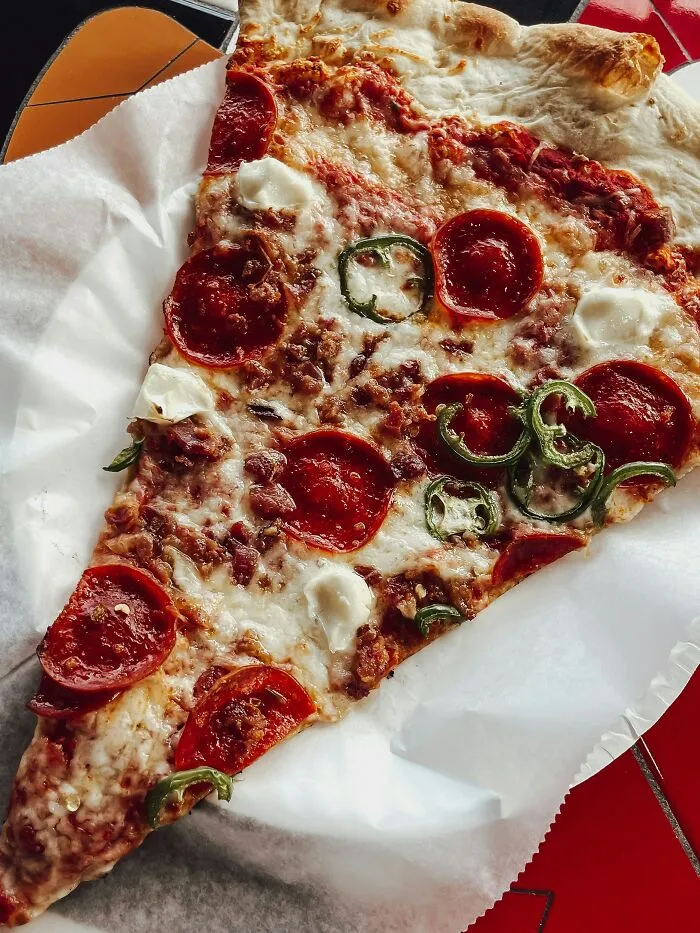
Bringing them to Sam's Club was humourous. One of them asked for a slice of pizza and got one of those huge slices
"Uh ma'am I only asked for one slice not the whole pizza"
"Hon, that is one slice".
You probably know the basics: the first official US flag, adopted in 1777, featured 13 stars and 13 stripes representing the original 13 colonies. But as more states joined the country, the flag kept changing, with stars added to reflect the growing union. In total, there have been 27 official versions of the flag. The current design, featuring 50 stars and 13 stripes, has been in use since 1959, after Alaska and Hawaii joined the United States. Interestingly, the design is widely credited to 17-year-old student Robert G. Heft, who submitted it as a school project. His teacher gave him a B-, promising to reconsider the grade if Congress adopted the design. Congress eventually did, and Heft reportedly got his A.
#7
#8
#9
-Choosing your own shower temperature!
-Everyone is so polite and good manners are everywhere, any religion or race you are everyone seems to say thank you and your welcome, or ask me how i am or how is my day!
-how easy you can buy stuff online and they arrive so fast!
-buildings and bridges are so...amazing, like the infrastructure is good, it makes you thing "wow, mankind DID THIS"
-big celebrations!
-how people can go out look gay,wasted,weird etc and no one bats an eye
is a great change and there are so many stuff to say, theres ofc some really bad ones but, so far the goods are better than the bads.
and the biggest of them all, FAST INTERNET!
editted words*
eddit: thanks for the gold :) never actually thought i would get gold lol.
i guess i live in a spot with a lot of isp so the competition is hard, but i have double the speed i used to have paying half what i did back then, not everything is easy and sometimes i really feel like going back, but it is a great opportunity few people have, to come here, to improve my life and education.
thanks for your kind words guys, United States really is a great country, it has its downs but is still great, no matter what other people say, be proud of it!
And the American flag didn't stop evolving once the official design was settled. In Kit Hinrichs' book Long May She Wave: A Graphic History of the American Flag, the Stars and Stripes is explored as much more than a national emblem. Hinrichs drew from his private collection of thousands of flag-related artifacts to show how Americans have reimagined the symbol over more than two centuries. The flag has appeared on Civil War banners, political posters, quilts, folk art, advertisements, and everyday packaging. These different versions show just how deeply the symbol has been woven into American life. In other words, the flag may have a standardized design, but Americans have certainly found countless creative ways to make it their own.
#10
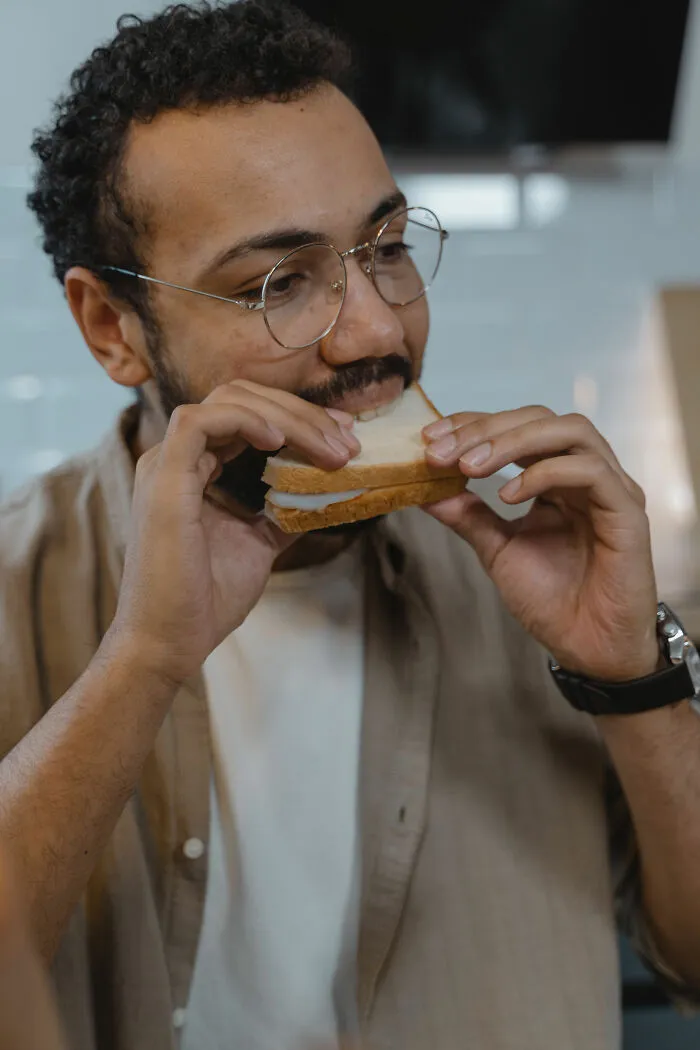
He didn’t care for it.
#11
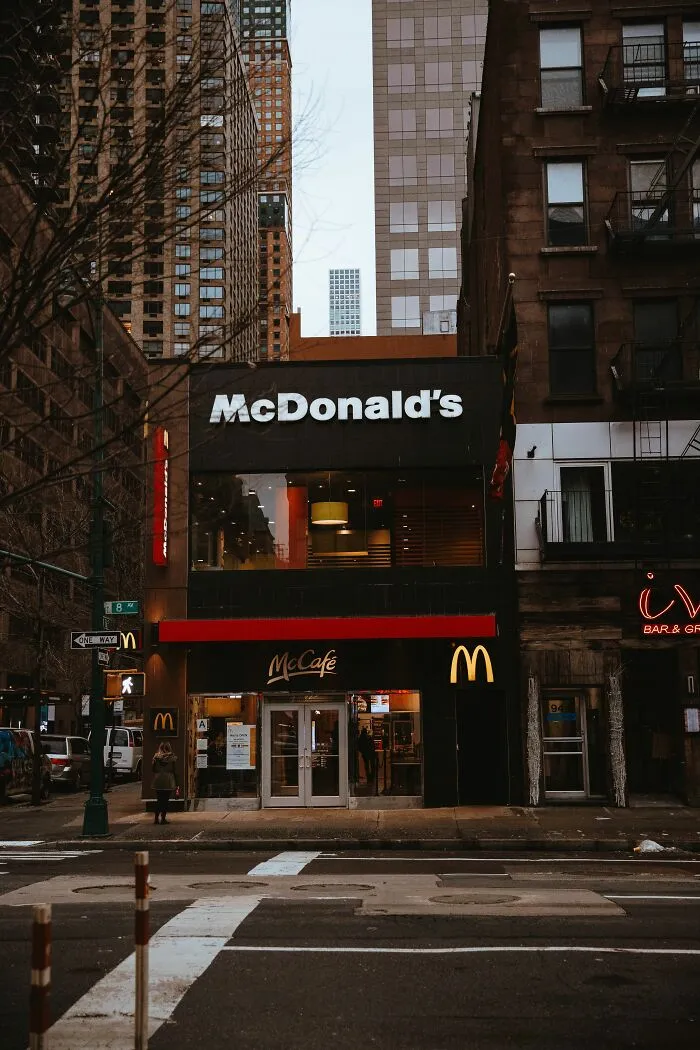
He landed in Newark Airport, the first of his family to come to America, and the very first thing he did was go to McDonald's and have a Big Mac.
#12

With a population of more than 349 million people, it probably won't come as a surprise that the US is linguistically diverse. But here's a number that might: around 430 languages are spoken across the country. English is by far the most widely spoken, followed by languages including Spanish, Chinese, and Tagalog. Until March 2025, the US government had not designated an official language at the federal level; that changed when President Donald Trump declared English the country's official language. Of those hundreds of languages, around 177 are Indigenous languages, spoken by communities whose histories in what is now the United States long predate European colonization. The US government also recognizes more than 570 federally recognized Indigenous tribes, each with its own histories, cultures, and traditions.
#13
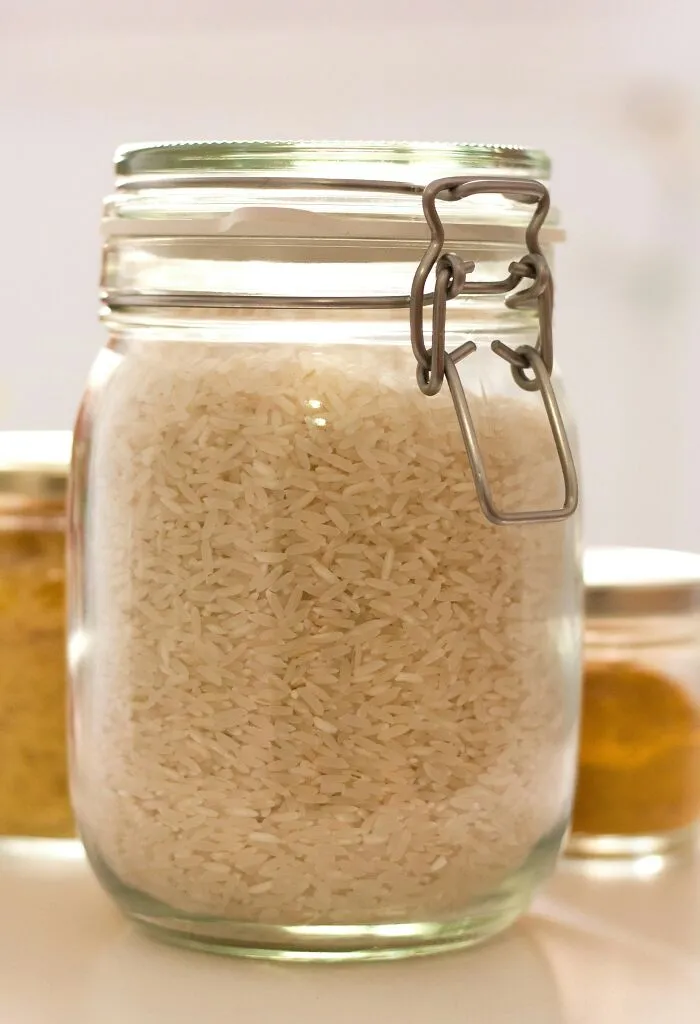
I can't even imagine my dad and his family when they saw rice in a supermarket, he said they literally bought out the entire store's supply of rice.
TL;DR - Asians love rice.
#14
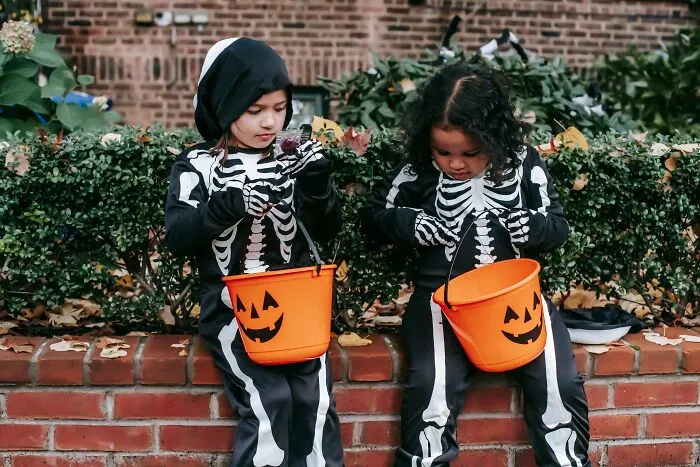
I was thoroughly convinced that in America, kids dress up and trick or treat every single night. No amount of explanations from my parents could dissuade me.
#15
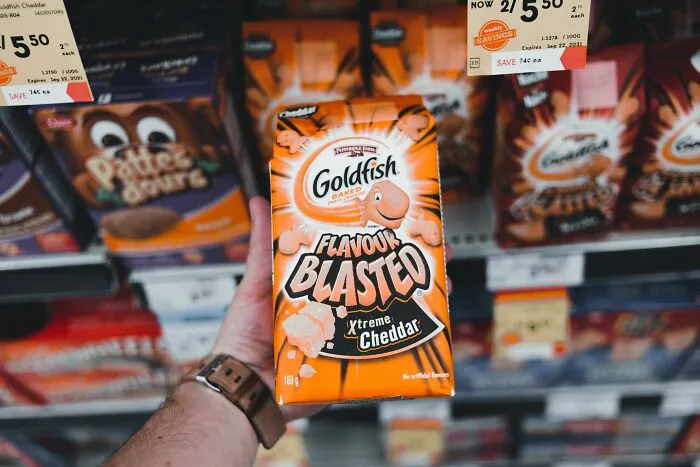
Now, let's move from languages to cows, because America apparently has some fascinating numbers in that department too. Montana is famous for its wide-open landscapes and cattle ranching, but here's the fun part: the state's cattle population is roughly twice its human population. Montana has around one million people but more than two million cattle roaming its ranches and pastures. Cattle ranching has long played an important role in the state's economy and identity. However, despite Montana's strong ranching culture, much of the beef consumed in the US comes from elsewhere, with imports from countries such as Brazil helping meet demand. Suddenly, those endless Montana fields make a little more sense.
#16
#17
#18
From millions of people and millions of cows, let's go to a place where there is just one person. Monowi, Nebraska, is famous for being one of the smallest incorporated communities in the United States—and its entire population is just one resident. Elsie Eiler, now in her 90s, is the town's sole inhabitant and has taken on several roles, including mayor, librarian, and tavern owner. Because Monowi remains incorporated, it still technically has a local government, which means Elsie even holds annual elections. The process is wonderfully simple: she posts a public notice, casts her vote, and then re-elects herself. Talk about having an uncontested election.
#19
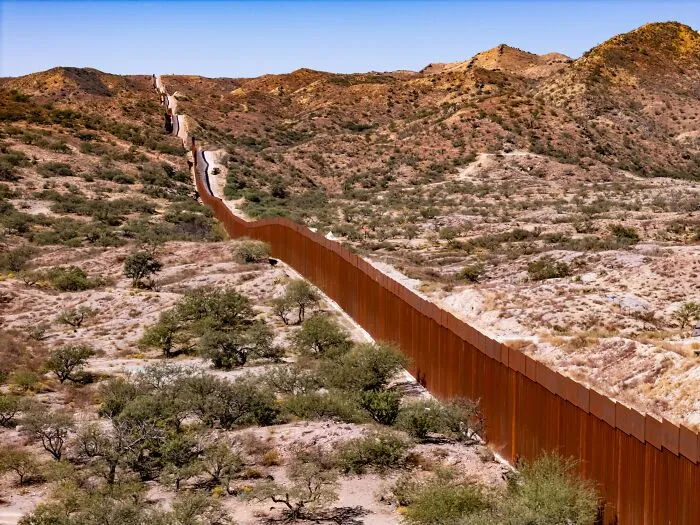
One guy was able to get his passport and got let back in. The other guy was unable to get his. He got deported back to Vietnam and his student visa canceled. So he had to fly back to Vietnam from Mexico. He was not allowed to fly through US airports. So he had to go the long way to Vietnam, bus to Mexico City, flight to Japan, then on to Hanoi. Then he had to completely redo his visa and finally come back to the US after getting a new passport in Vietnam.
#20