





When I was a little girl, I was greatly upset that all the guys in books and movies always got to go on adventures and have all the fun in the world, while most female characters got to be their sidekicks at best, but more often than not were there just to be saved from whatever peril the author had invented. That’s why I was so happy when I discovered Pippi Longstocking, the first of the female protagonists I would grow to absolutely adore.
Modern cinema is doing a pretty great job of creating heroine movies. Even in superhero franchises, where females would only appear as a part of a team, they began getting their own standalone movies. Admittedly, every now and then female characters in movies feel unrealistic or have the women in the audience saying “What?”, and that’s because they were created from a man’s perspective. But more and more frequently, we get to see a well-developed, substantial character who acts and talks like a real human and not a desperate attempt to pass the Bechdel test.
Creating a female character requires as much effort as creating any other character, human or otherwise. You must develop a compelling backstory, give your character a relatable motivation – and honestly, we don’t speak about men and makeup as often as some writers seem to think.
In your opinion, which female characters failed the art of screenwriting? Which are your favorites and what do you like the most about them?
This post may include affiliate links.
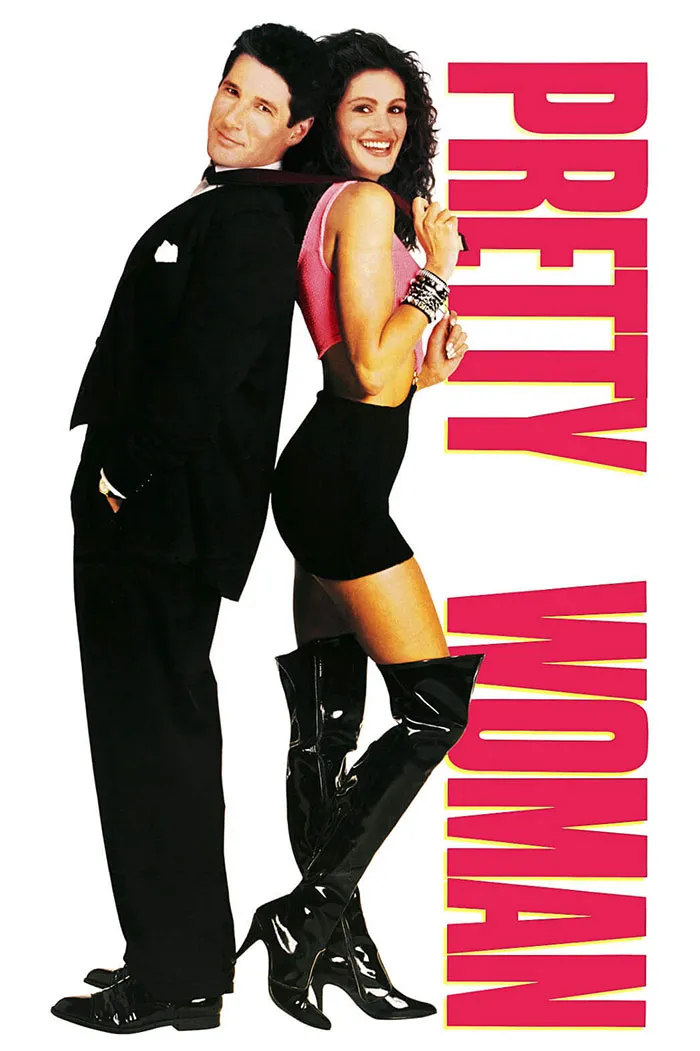
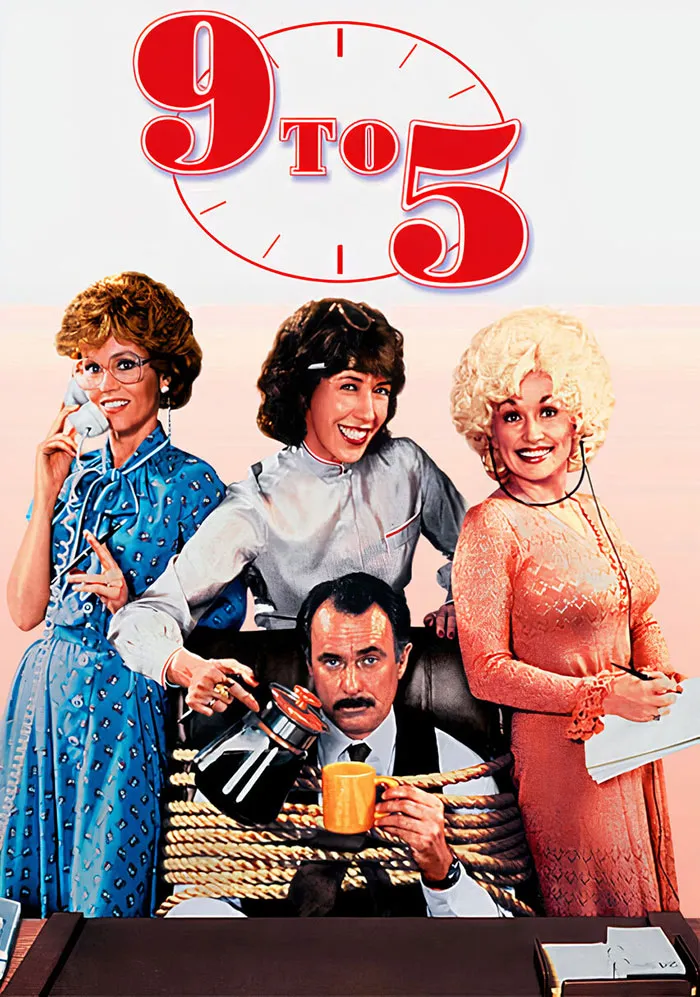
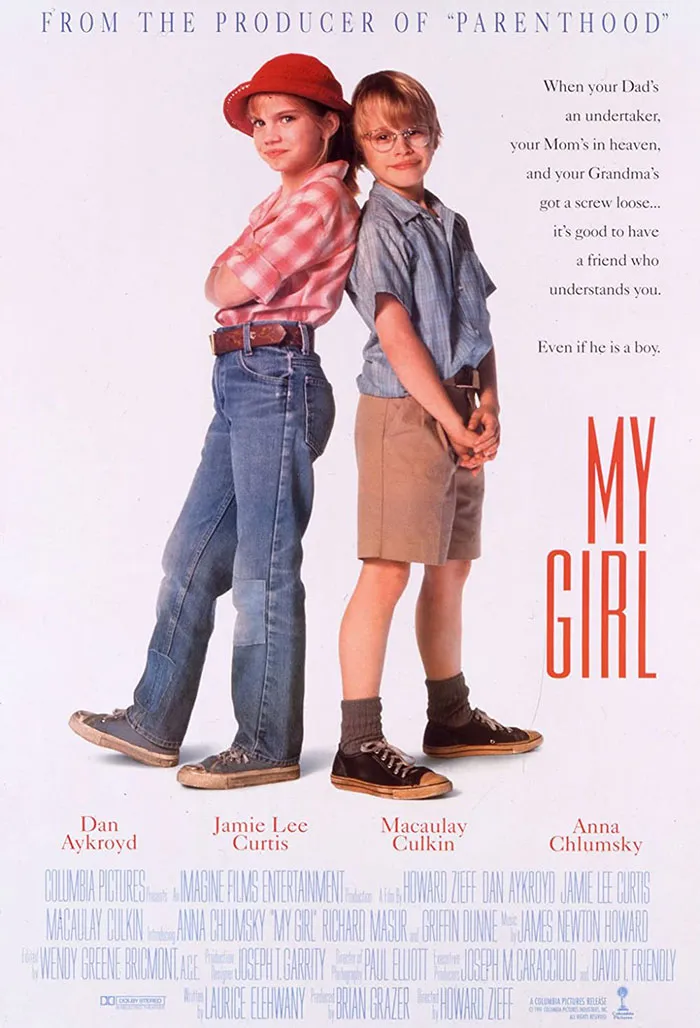
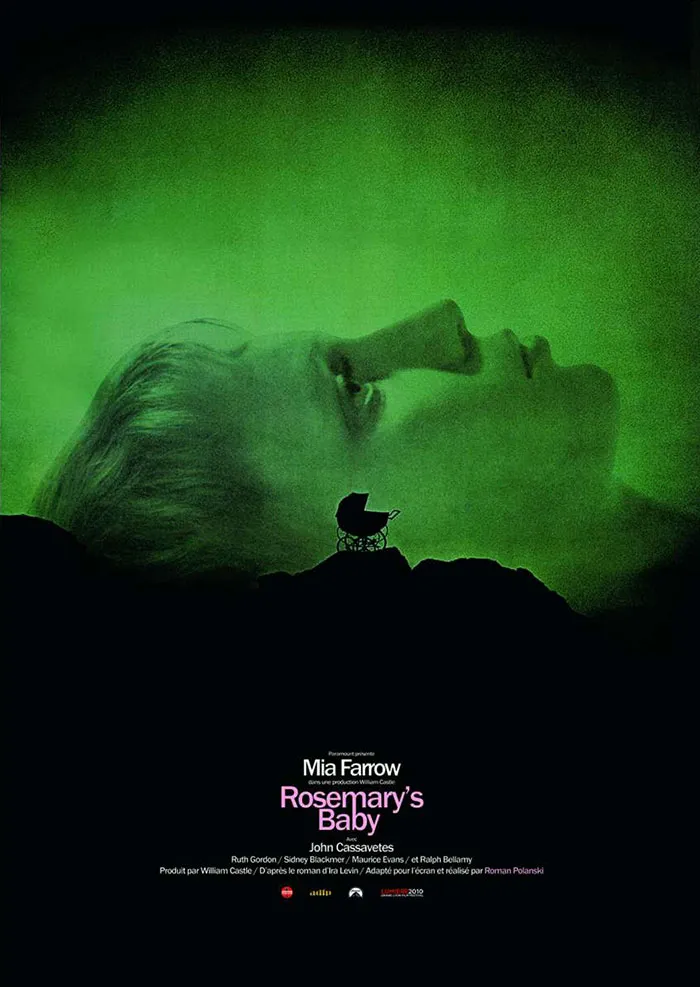
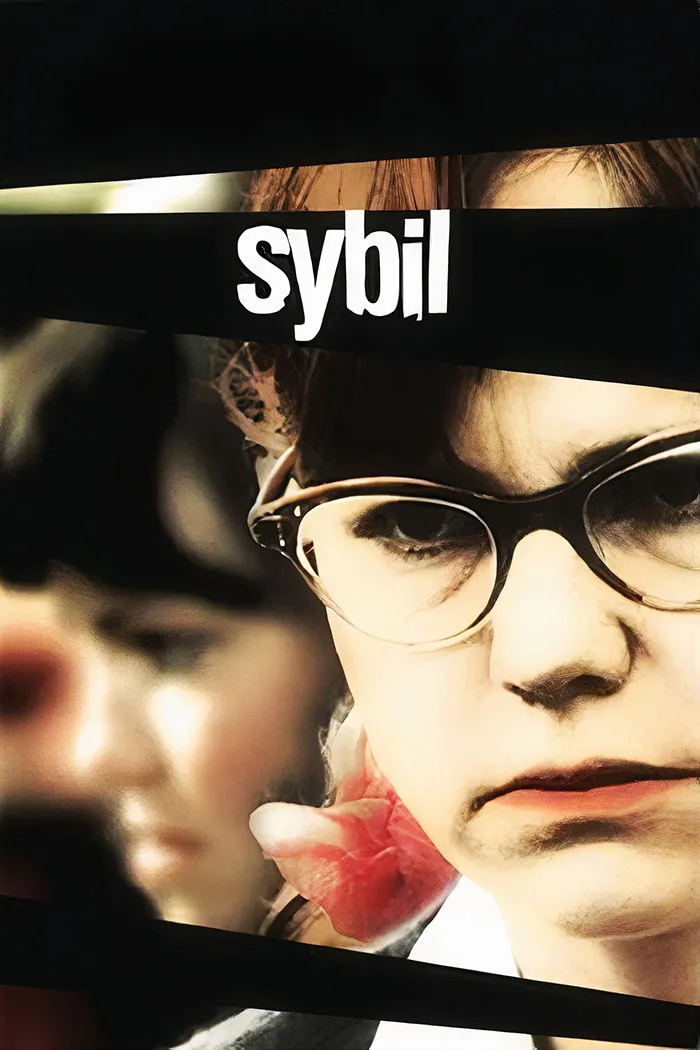
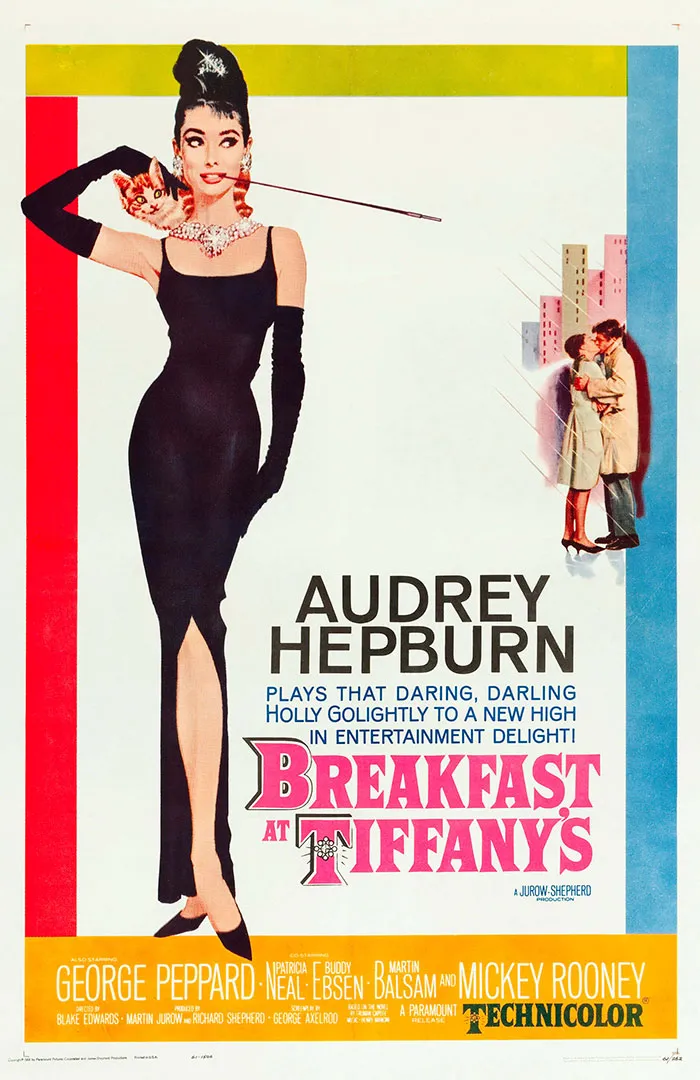
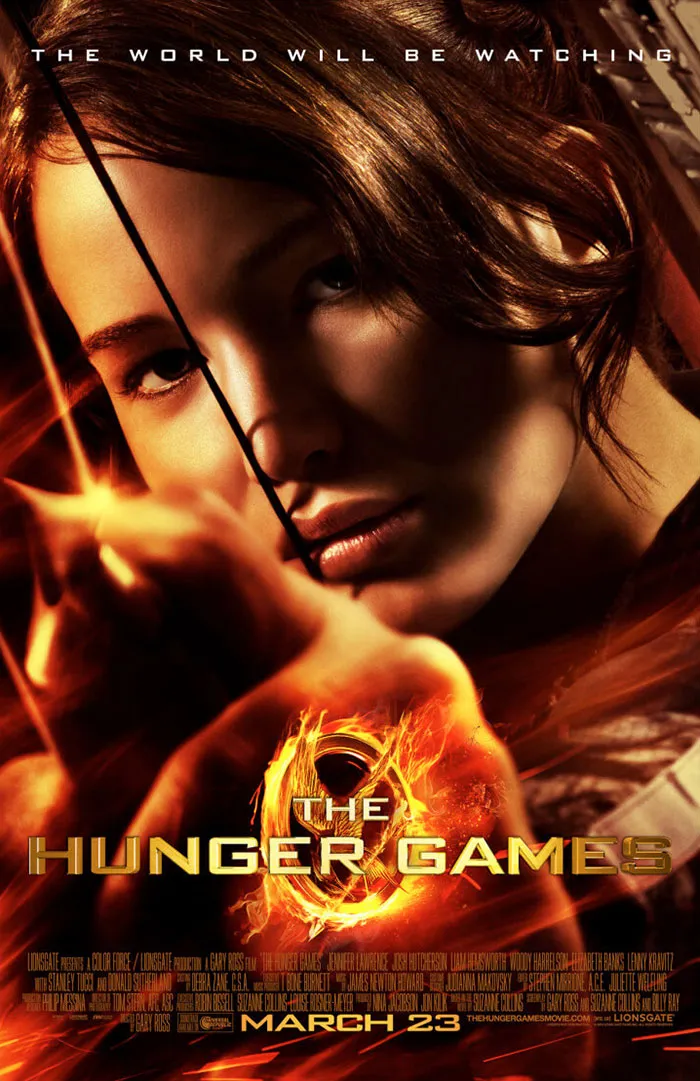
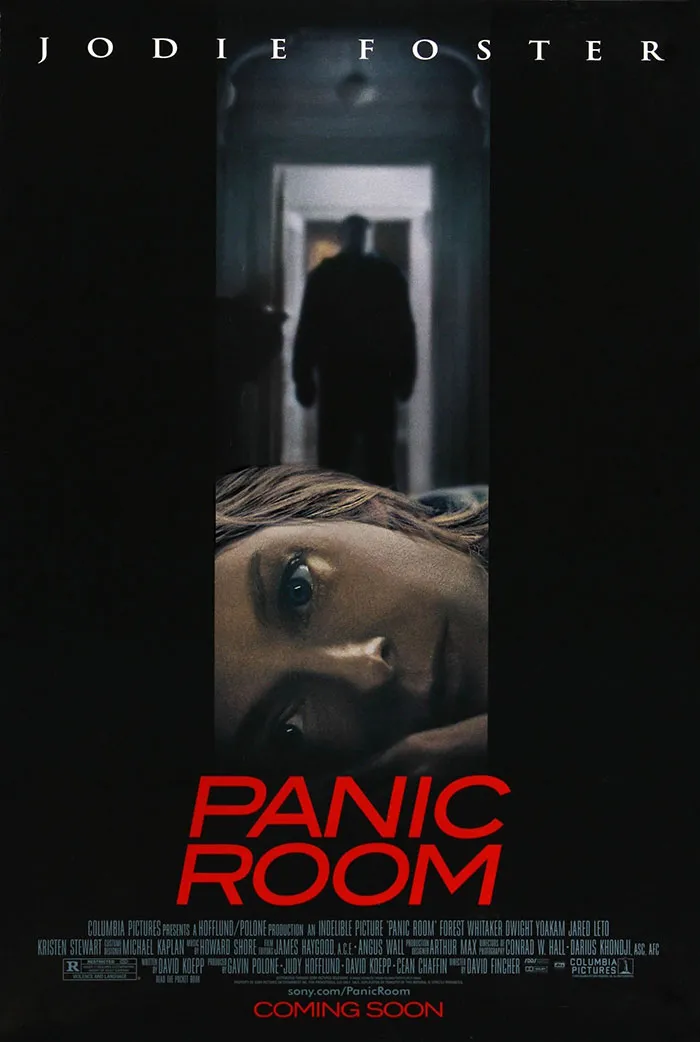
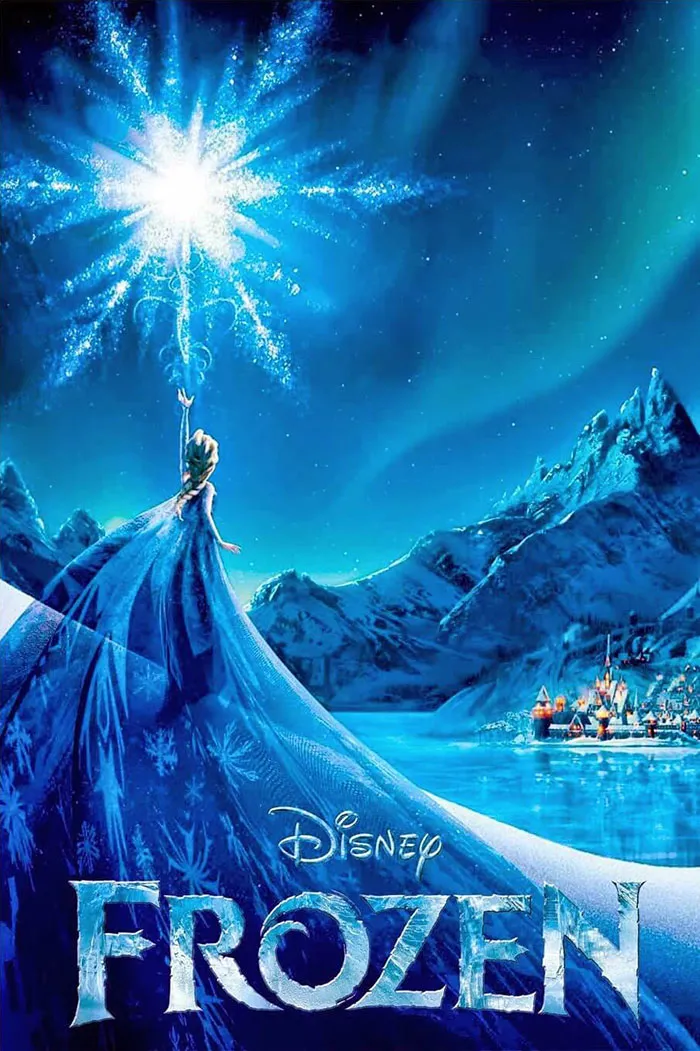
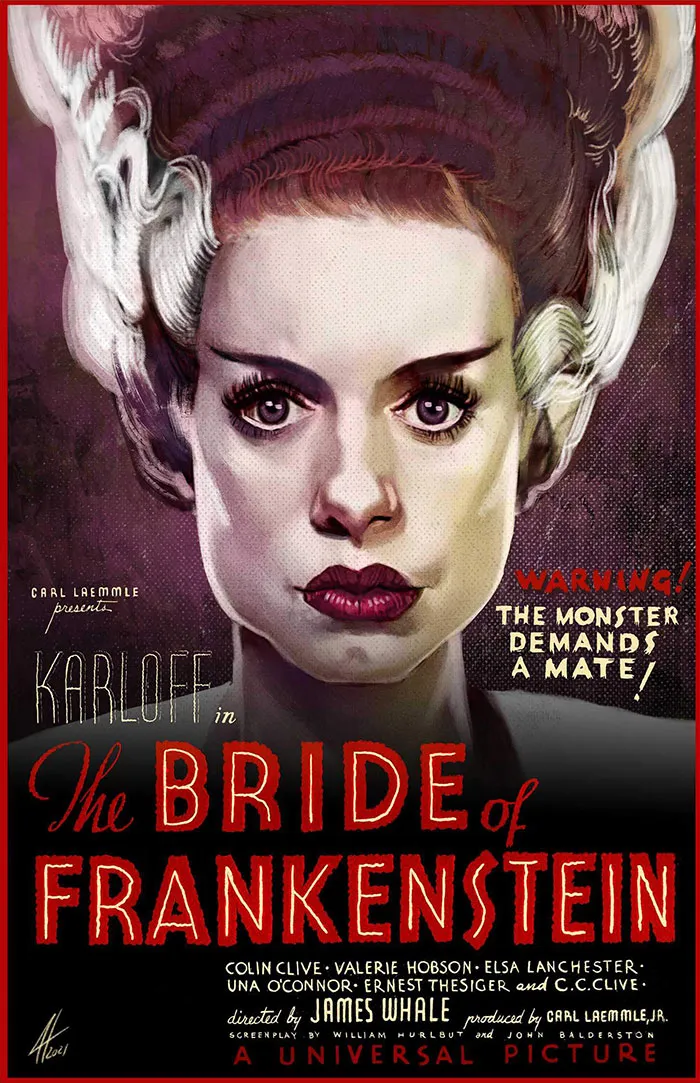
Exploring the transformation of characters and film narratives, it's interesting to reflect on how certain roles evolve over time. For instance, the transformation of a beloved actress both personally and within her iconic portrayal resonates with film history. This theme reminds us of the transformations observed in classic cinema, where character evolution is pivotal.
To see how one star's evolution impacts the popular imagination, take a closer look at this interesting example of a cinematic transformation.
