



At the same time, GLP-1 agonists might reduce people's risks of developing other diseases. Researchers claim that these medications can lower the risk of liver failure (24%), cardiac arrest (22%), respiratory failure (22%), Alzheimer's disease (12%), heart failure (11%), heart attack (9%), and ischemic stroke (7%).
Still, the British Heart Foundation warns that patients who were taking GLP-1s were "2.5 times more likely to develop medication-induced acute pancreatitis." Mounjaro, Ozempic, and similar medications also increase the risk of people developing arthritis and low blood pressure.



You'll probably have to decide for yourself if you think GLP-1s are good or bad. The biggest health organizations like WHO and CDC recognize obesity as a complex disease that is caused by genetic, environmental, behavioral, and societal factors. As the British Heart Foundation concludes, Mounjaro might have a wide range of benefits, but it poses some serious health risks, too.
A balanced diet and regular exercise are crucial for losing and maintaining a healthy weight. While there's nothing wrong with getting a little help in the form of a GLP-1, it should be done with a doctor's supervision and after considering all the pros and cons.
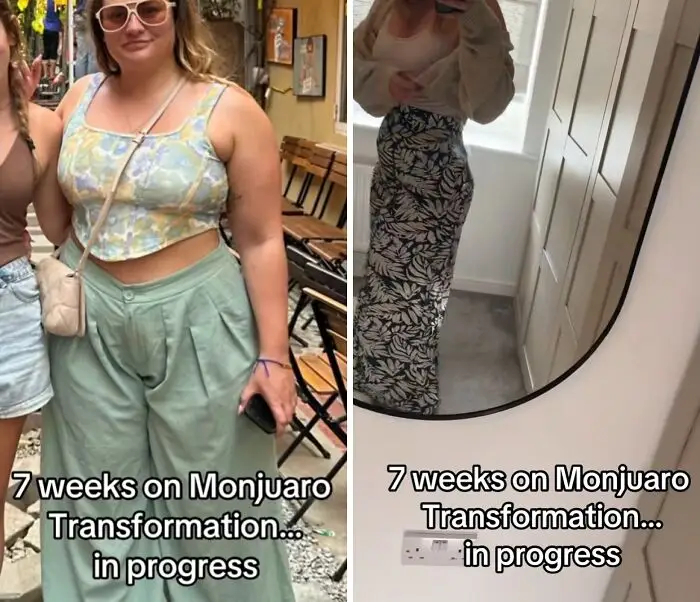


Do you have any personal experience with Mounjaro or any other GLP-1 medication, Pandas? If you do, we would love to hear your stories, so share your journeys with us in the comments! And in the meantime, be sure to check out the things obese people shared that a non-obese would never understand!