

A man ended up being a widower and childless when his daughter and wife both died of cancer within ten hours of each other. Cibele Marchis, 28, died on the 24th of September, after being diagnosed in 2024. The rare adrenal cancer spread aggressively and she underwent three surgeries before succumbing to it.
Her mother, Maria Elisabete Nogueira, 56, passed away of pancreatic cancer the next day, roughly ten hours after Cibele’s death. Both women were in separate hospitals and had requested to not be informed if the other died first. They were buried in a joint service.
A woman and her daughter were both hospitalized with aggressive, likely terminal cancers





You can watch a video about it here
Both women discovered they had cancer relatively recently
The story of Cibele Marchis and her mother, Maria Elisabete Nogueira, has travelled far beyond Brazil, and its details explain why. Cibele, 28, died at around 4pm on 24 September in Mogi Guaçu while her mother lay sedated in a different hospital in the same city. Maria Elisabete, 56, died about ten hours later. Neither woman learned of the other's death. Family and friends were still at Cibele's wake when word of the second loss arrived, and the pair were buried together. Cibele had documented her treatment on Instagram, where she had nearly 12,000 followers.
What makes the story more striking is that mother and daughter were not fighting the same disease. Their cancers began in different organs and behave in very different ways. Cibele was diagnosed in 2024 with an aggressive cancer that started in the adrenal gland, according to El Heraldo. Reports do not name the exact subtype, so this overview covers adrenocortical carcinoma, the cancer that forms in the gland's outer layer.
The body has two adrenal glands, one perched on top of each kidney. The outer layer, known as the cortex, produces hormones that help control blood pressure, balance water and salt, and manage how the body uses protein, fat and carbohydrates. Cortisol, one of these hormones, helps the body use sugar, protein and fats, and an excess can produce visible symptoms. Harvard Health calls the cancer very rare and notes that it can spread to the lungs, liver or bones. Small lumps on the adrenal gland are fairly common and are usually benign growths called adenomas, so doctors sometimes need extra tests to tell a harmless lump from a cancer. Some cancerous tumors release extra hormones and cause noticeable symptoms, while others stay silent early on, which can delay discovery. Timing matters a great deal. Harvard's summary explains that early stage disease has a good outlook and can often be cured with surgery, but very few people are diagnosed at that point.
Treatment in both cases is complicated
Maria Elisabete was diagnosed with pancreatic cancer around a year after her daughter's diagnosis. The pancreas sits deep in the abdomen behind the stomach, where it makes digestive enzymes and hormones such as insulin. That hidden position is part of the difficulty. Pancreatic cancer is the tenth most common cancer in the UK, and researchers link its rising incidence to an ageing population and higher rates of obesity and diabetes. Early signs can be absent or vague. A study published in The Lancet Gastroenterology & Hepatology found that symptoms which later point toward the diagnosis include jaundice, fatigue, changes in bowel habits, weight loss and reduced appetite. The authors also note that no effective screening method exists and that most cases have already invaded nearby structures or spread by the time they are found.
Guidance from NICE says only around 8% of patients are eligible for potentially curative surgery, though those who can have the tumour removed and receive chemotherapy afterwards have up to a 30% chance of surviving five years. NICE also notes that long term survival has improved little in over forty years, largely because the disease is found late. Together, the two diagnoses show how differently cancer can arrive. One woman faced a tumour so rare that few people ever meet it, the other a far more common cancer that tends to stay hidden until late.
Neither is simple to catch early, which is why symptom awareness matters. The NHS lists yellowing of the skin or eyes and unintended weight loss among the signs worth raising with a doctor, and persistent changes in appetite or bowel habits deserve the same attention. In a March post, Cibele wrote that money worries are a blessing compared with facing something no amount of money can solve. For Cibele's father, the loss is total. He lost his wife and only daughter within about ten hours.
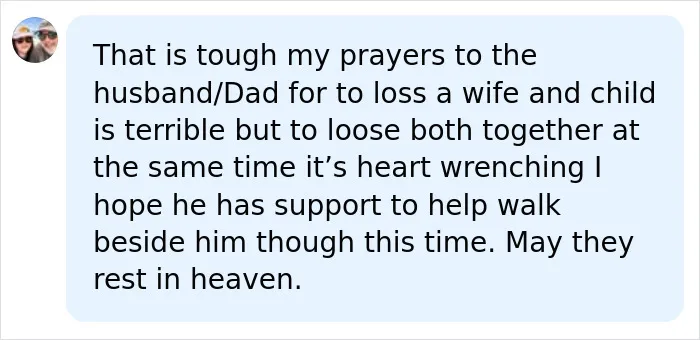
Netizens expressed their condolances