






Ever found yourself waking up in the morning, rubbing your eyes, and thinking, "Today, I fancy a breakfast more expensive than my car?" Yeah, me neither. But in this eccentric world, there's this thing called "gourmet food" and people who wouldn't bat an eyelid at dishing out a small fortune for a bite of it.
It's fascinating yet crazy to see how some folks are ready to splash cash on premium ingredients that could single-handedly rival a small island's GDP. Ok, almost rival a small island's GDP.
Just imagine walking into an elegant establishment, and instead of being handed a menu that you expect to simply be filled with names of exotic foods from a faraway land, you're given a financial advisor, a heart-rate monitor, and a complimentary stress ball. "Are you ready to savor (the price of) our signature golden-dusted eggs Benedict?" they ask with a smirk, probably because they enjoy watching you break into a sweat more than they enjoy making the food. But you, brave soul, take a leap of faith into the world of opulent gastronomy and rare ingredients, just to discover how the 1% live — one exorbitantly priced dish at a time.
Nightmarish and wallet-emptying scenarios aside, it's a fact that luxury cuisine exists in a realm of its own, in stark contrast with the raging problem of feeding every mouth on the planet.
It's an industry where food transcends mere sustenance, becoming a status symbol, an experience, a thrill that needs to be explored — if only to confirm that caviar, indeed, tastes as salty as your tears when the check arrives.
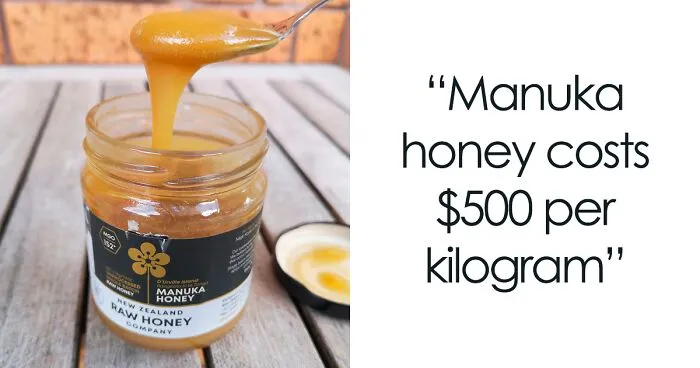
So, we present to you a roundup of the most expensive foods in the world, the ones you can find on the rich's radar, along with their truly insane prices! Is there an ingredient in our list of the most expensive foods you would love to try if only you had the chance (and the cash)? Cast your vote! Will the $13,500 melon take first place, or will the manuka honey scoop its way to the top?
#21 Yubari King Melons ($27,229 For Two)
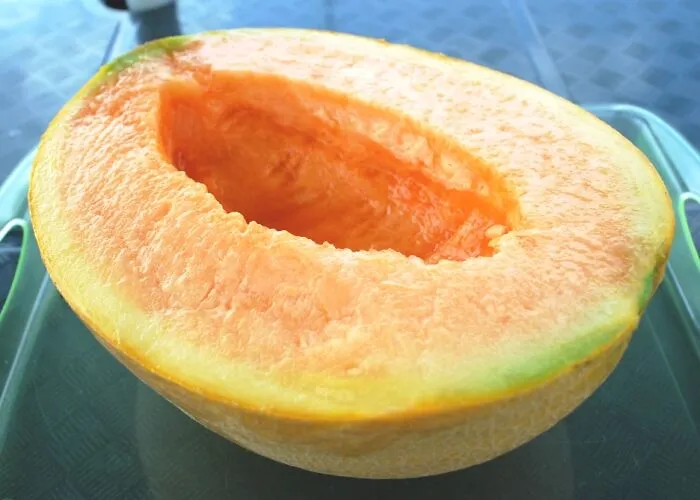
Yubari King melons, a crossbreed of two cantaloupes, are known for their extraordinary sweetness. A prized gift in Japan due to their reputation and taste, two of these melons were sold for $27,229 at an auction in 2008. That's over $13,500 each!
Report
13points
#22 Almas Caviar ($34,500 Per Kilogram)
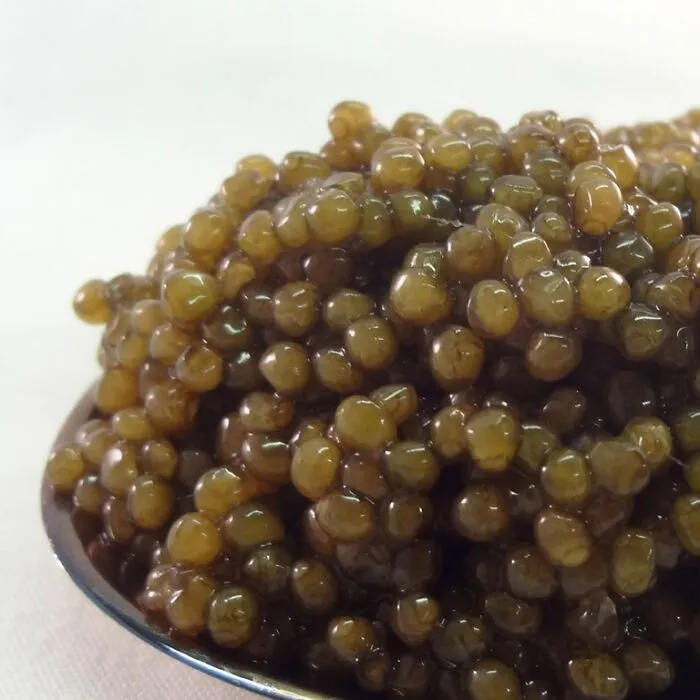
No list of expensive foods would be complete without caviar. Almas caviar, produced from albino sturgeons, is especially costly as these rare species can take years to make eggs.
unknown
Report13points
#23 Iranian Pistachios ($153 Per Kilogram)
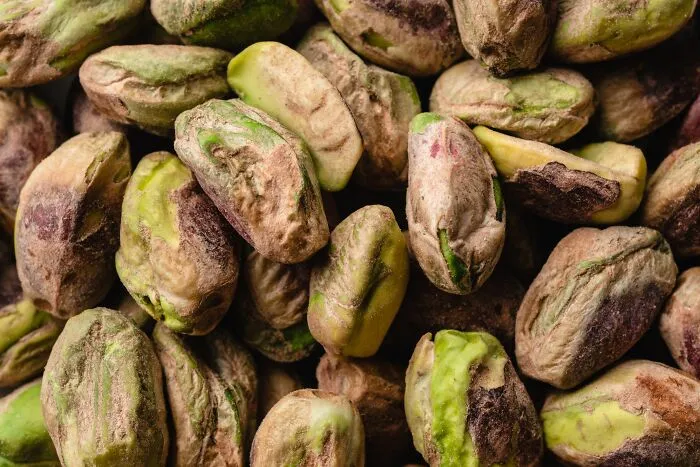
The best variety of Iranian pistachios, known for their green color and subtle taste, is one of the most expensive nuts you can buy.
unknown
Report13points
#24 Pule Cheese ($1000 Per Kilogram)
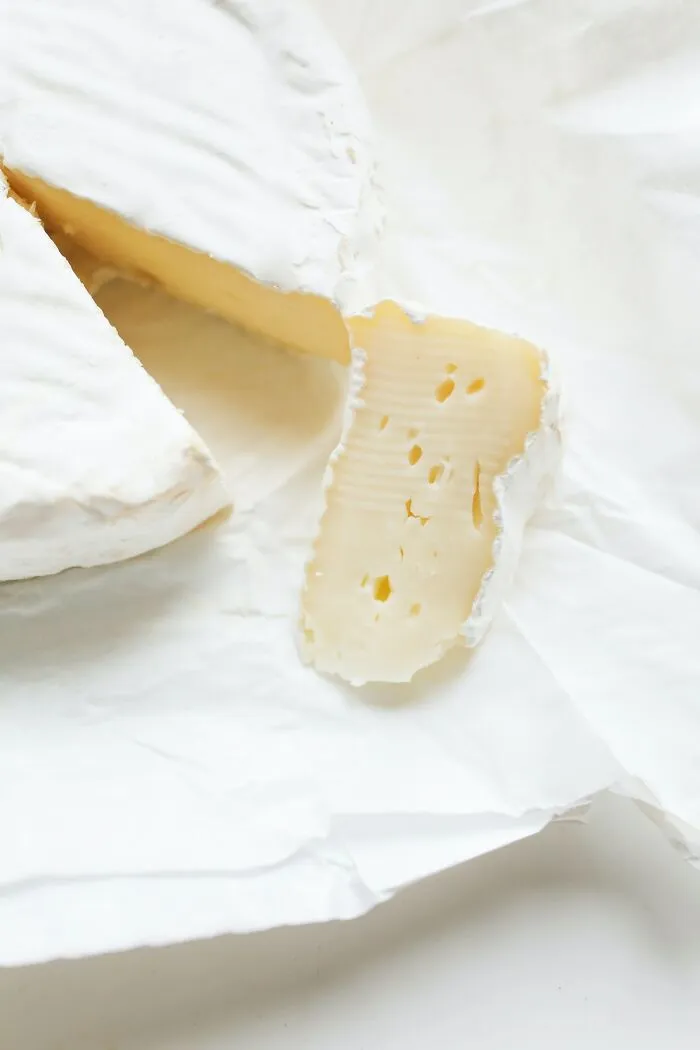
Pule cheese is a product of donkey's milk, and its price reflects the rarity of the female donkeys used specifically for this cheese and how little milk farmers can get from them every day.
unknown
Report13points
#25 Foie Gras ($90 – $110 Per Pound)
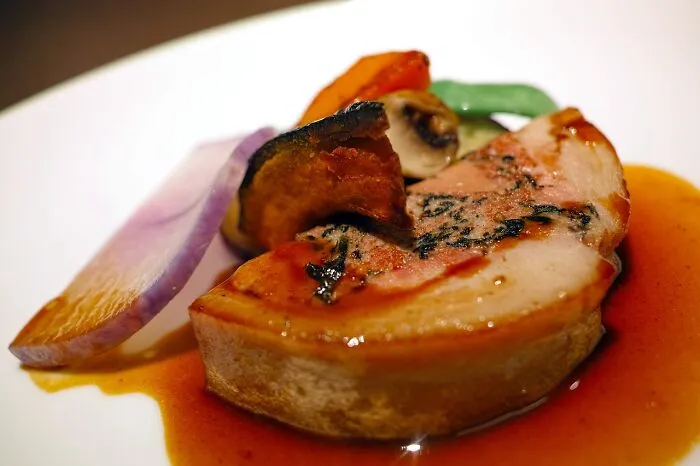
Foie gras is a special treat for pâté lovers. Produced from the fattened liver of ducks or geese, this delicacy provides an exquisite culinary experience with its buttery, velvety texture and rich flavor. Unfortunately, its production is very often anything but ethical.
unknown
Report12points
#26 Gooseneck Barnacles ($500 Per Kilogram)
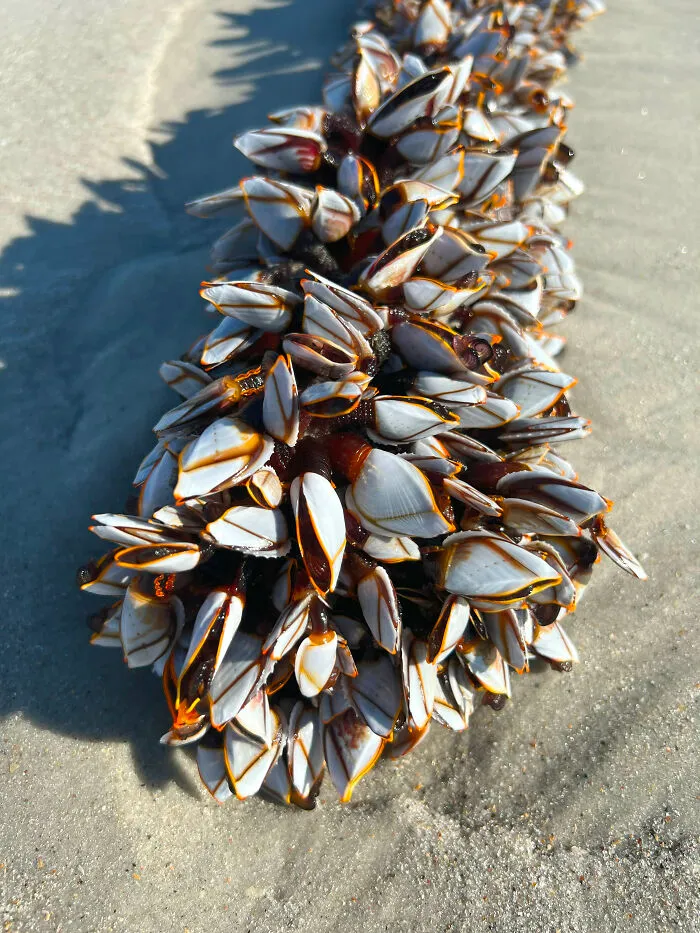
Gooseneck barnacles from Galicia are as risky to harvest as they are expensive. Fishermen often risk their lives to gather these barnacles from dangerous, wave-hit rocks, making them one of the most costly seafoods.
Report
12points
#27 Matcha Green Tea ($180 Per Kilogram)
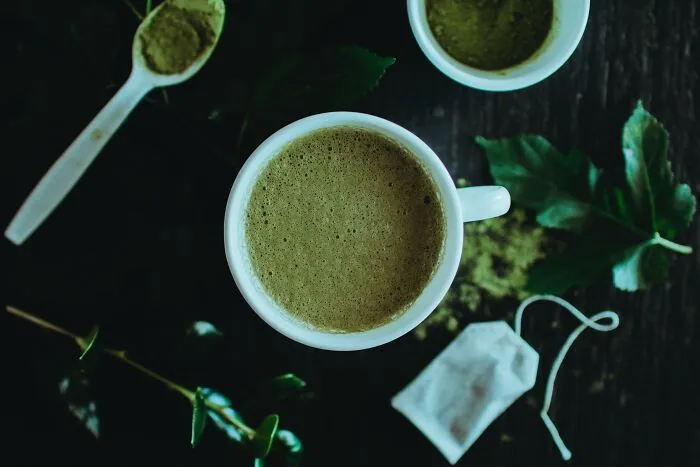
Matcha green tea, a powdered form of green tea, is used in a variety of ways including traditional tea, flavored foods, and desserts. Its vibrant color, unique taste, and health benefits contribute to its high price.
unknown
Report12points
#28 Caciocavallo Podolico ($140 Per Kilogram)
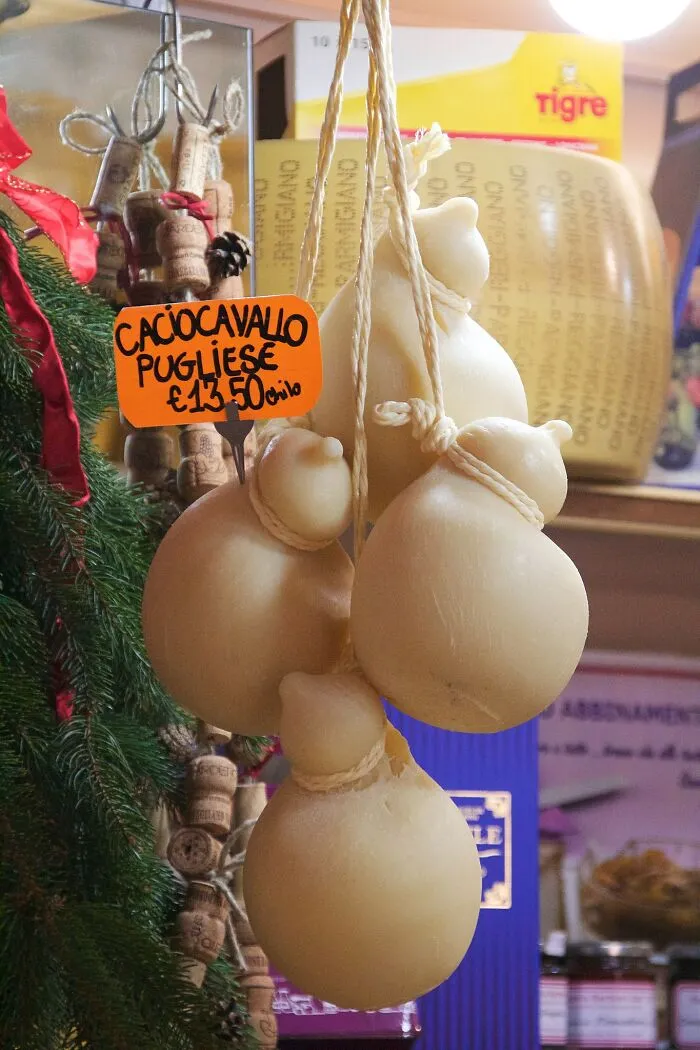
While there are different varieties of caciocavallo cheese, the Podolico, from free-range cows, is the priciest. This cheese has a unique tear-drop shape, is aged in caves, and tastes slightly similar to provolone.
11points
#29 Black Watermelon (Around $250 USD Each)
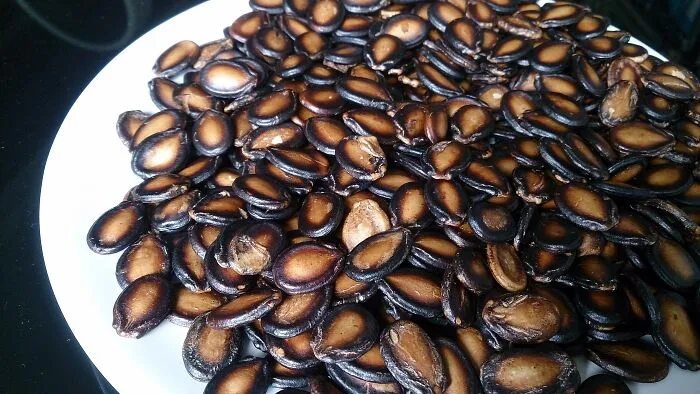
Densuke watermelons from Japan are a pricey variation on the common watermelon, fetching up to 20 times the price of their green-skinned counterparts. The price can reach as high as $6,300 for larger or especially premium fruits at auction.
Report
11points
#30 Beluga Caviar ($3,200 - $10,000 Per Pound)

Beluga caviar is another high-ticket food item. Beloved for its earthy, salty taste, this caviar has commanded prices up to $10,000 per pound. Apparently, the best way to enjoy it is by placing a small spoonful on your hand and eating it at body temperature.
unknown
Report10points
#31 Swiftlet Nests (Uncleaned $500 - $600 Per Kilogram, Cleaned Ones $1,600 - $2,000)
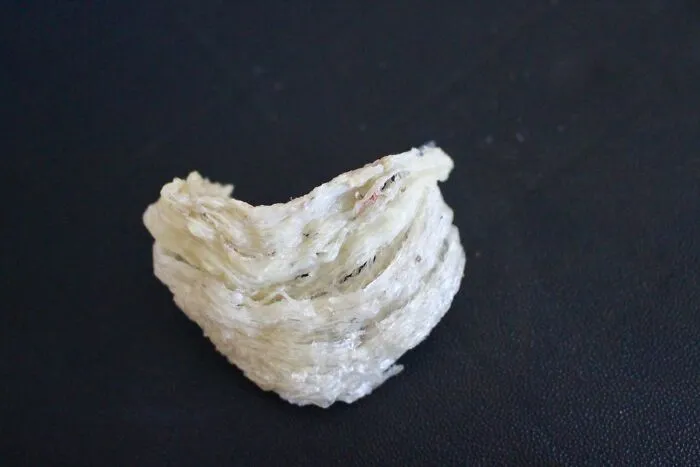
Swiftlet nests are key ingredients in bird's nest soup, a renowned Chinese delicacy thought to have healing properties. While white nests are expensive, nothing compares to the rare red swiftlet nests — which can cost up to $10,000.
10points
#32 Chestnut Oil ($1400 Per Liter)
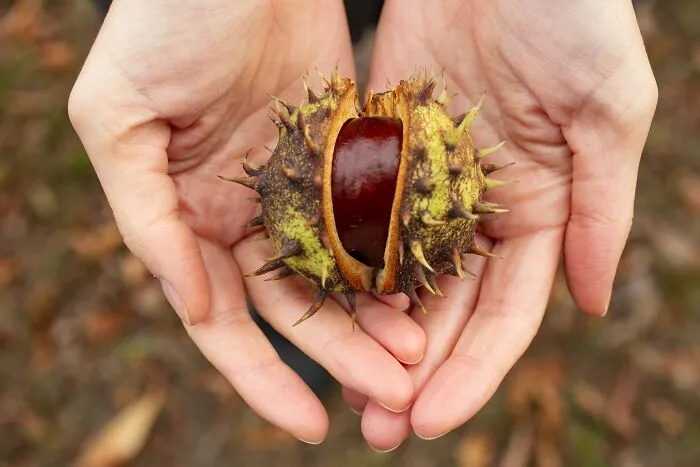
Chestnut oil is an authentic "liquid gold" derived from Moroccan seeds and is used for its beauty benefits. It can cost up to $1,400 per liter.
unknown
Report10points
#33 Edible Gold ($70 For Few Grams)
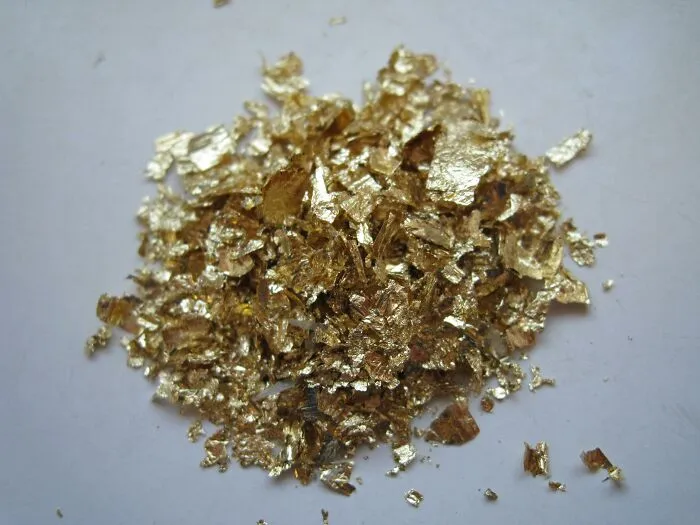
When it comes to showing off wealth, some even resort to eating it. Edible gold is often used as an extravagant dessert decoration, particularly in upscale American casinos. Its purpose is purely decorative, but it certainly adds a high price tag to any dish it graces.
Report
9points
#34 Kopi Luwak ($150 Per 100 Grams)
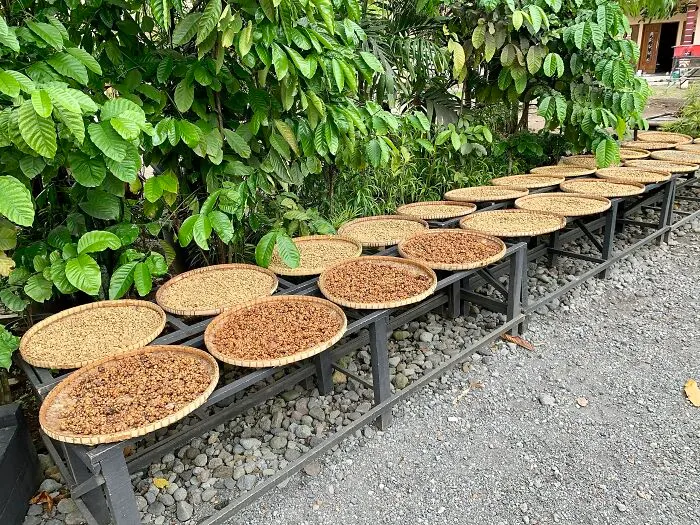
Kopi luwak is the world's most expensive coffee, made using beans that have passed through the digestive system of a civet. Authentic kopi luwak can cost up to $150 for just 100 grams due to its unique production method and the resultant distinctive flavor.
Report
9points
#35 Shark Fin ($600 Per Kilogram)
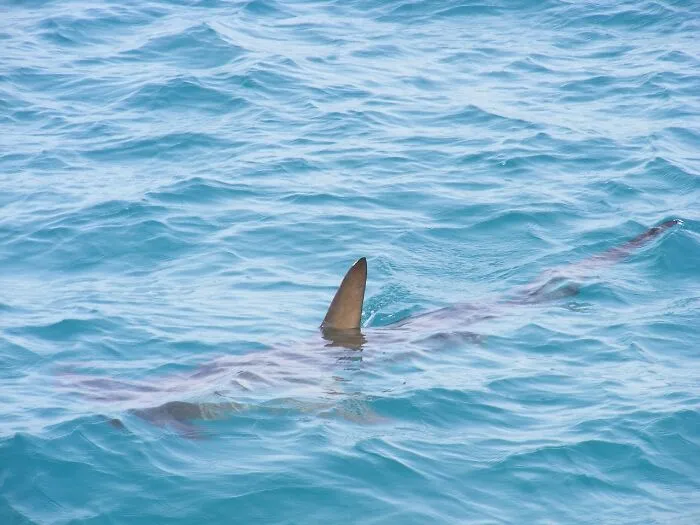
In some countries, shark fins are considered a delicacy and are believed to have aphrodisiac properties. The harvesting process, known as "shark finning," is both controversial and a significant reason for the high cost of this product. Without their fins, sharks die of suffocation or blood loss or are devoured by other marine creatures.
unknown
Report5points
