





Unlike tourist-packed destinations, there are places so perilous that only a few dare to visit. The dangers come from violent conflicts, organized crime, natural disasters, or forces we still don’t fully understand.
To rank them, we looked at a combination of real-world risk factors, including crime rates, active conflicts, environmental hazards, government travel warnings, and how little room for error these locations allow.
From a deadly lake that can kill in minutes and crimson waters that seemingly petrify animals, to coastlines littered with skeletons and cities plagued by extreme violence, these are the world’s most dangerous places that continue to attract thrill-seeking travelers, despite the risks.
#21 #16 Manila, Philippines
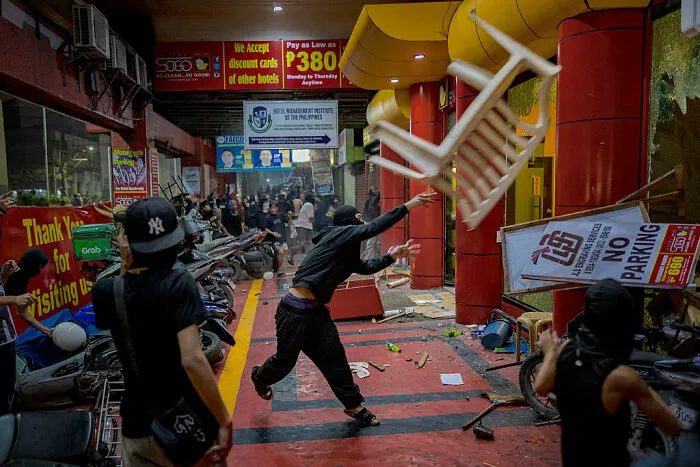
Crime has surged in Manila, earning the city a crime index score of 64.23 and the title of Southeast Asia’s most dangerous capital (per Inquirer.net).
Despite its reputation and ranking as the 22nd most dangerous place to visit, some tourists claim they felt relatively safe, reporting that most of the violence is not targeted at visitors.
Despite its reputation and ranking as the 22nd most dangerous place to visit, some tourists claim they felt relatively safe, reporting that most of the violence is not targeted at visitors.
7points
#22 #15 Guatemala, Central America

Guatemala’s rich Maya heritage draws tourists from around the world, but visitors should proceed with caution. The country has one of the highest violent crime rates in Latin America, and travelers, particularly in Guatemala City’s Zone 1, have frequently been targeted (per GOV.UK).
Risks also include terrorist activity, political unrest, carjackings, and armed robberies, all of which contribute to Guatemala’s ranking as the 18th most dangerous place to visit globally.
Risks also include terrorist activity, political unrest, carjackings, and armed robberies, all of which contribute to Guatemala’s ranking as the 18th most dangerous place to visit globally.
Unknown
Report7points
#23 #10 Port Moresby, Papua New Guinea

Port Moresby ranks as the 10th most dangerous place on Earth, serving as both the capital and the crime epicenter of Papua New Guinea.
Traveling here comes with serious risks: ongoing civil unrest, rampant robbery and bag-snatching, organized crime (especially near Parliament House in Waigani), tribal clashes, and gang violence. Terrorism is also a concern (per GOV.UK).
Despite its cultural richness and pristine wilderness, Papua New Guinea has been flagged as unsafe by officials. The U.S. Department of State urges travelers to “reconsider” visiting due to high crime rates and instability.
Report
7points
#24 #4 Death Road, Bolivia

Bolivia’s Death Road, also known as the Yungas Road, is often cited as the most dangerous route in the world. Spanning 64 kilometers and descending a staggering 3,500 meters, the road is riddled with sharp turns, sheer drops, thick fog, and narrow, unpaved stretches just three meters wide (per BBC).
Travelers brave enough to cycle or drive along the track face the constant threat of falling rocks, slippery mud, and waterfalls that spill onto the route. Reports suggest that as many as 200 to 300 people used to die on this road each year.
Despite the risk, Death Road remains a morbid badge of honor for thrill-seekers. “Biked the Death Road in Bolivia yesterday & survived!” one traveler posted proudly on Reddit.
Report
7points
#25 #3 Snake Island, Brazil
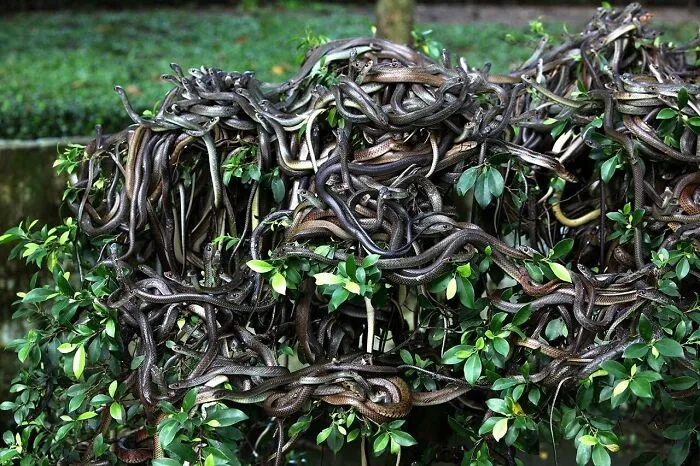
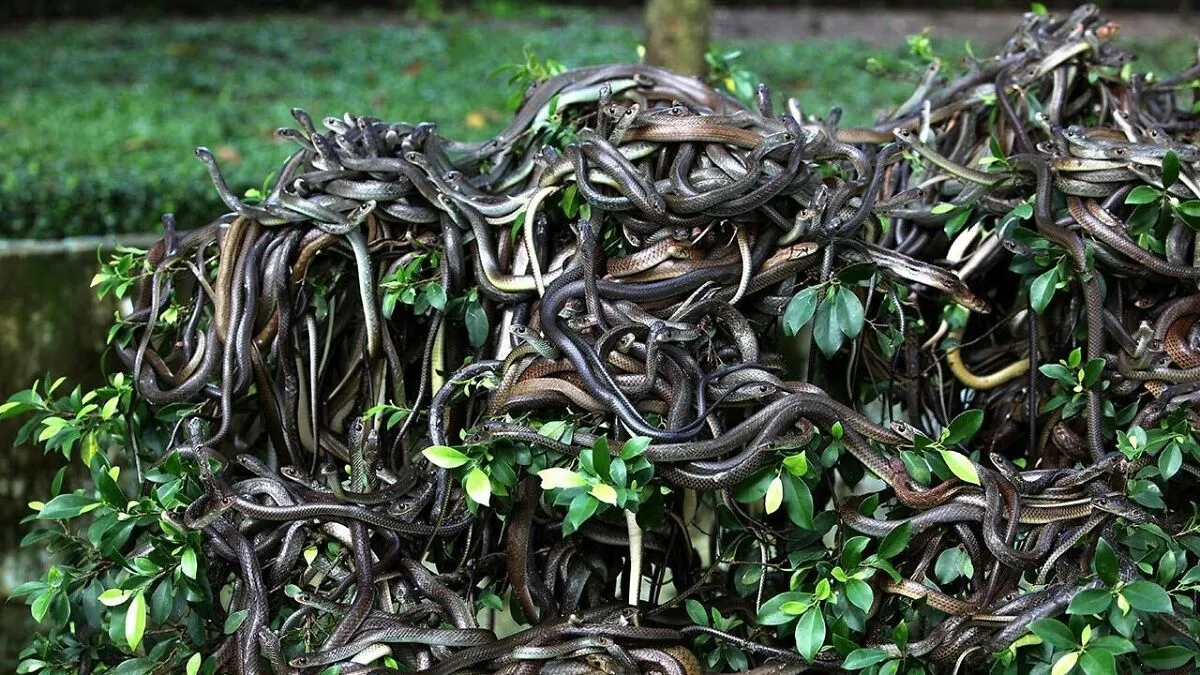
Snake Island, just off Brazil’s coast, is one of the most terrifyingly restricted places on the planet. The island is infested with golden lancehead vipers, among the world's most venomous snakes, and has the highest concentration of them anywhere on Earth (per Forbes).
Due to its extreme danger, civilians are banned from visiting. Only select researchers are allowed to set foot on the island each year under strict supervision.
Among them was YouTuber MrBeast, who filmed himself surviving 24 hours there alongside fellow creator Drew Binsky, bringing global attention to the island’s lethal allure.
Report
7points
#26 #14 Monrovia, Liberia
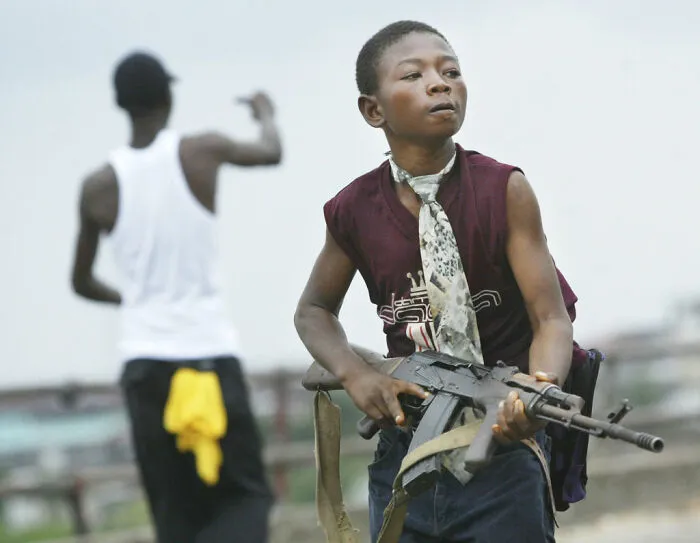
In Liberia’s capital, Monrovia, the West Point township has gained notoriety as one of the most dangerous slums in West Africa, as exposed in a Vice documentary.
Toxic waste piles up across the township; open sewers run through crowded neighborhoods; and the unbearable stench hangs in the air.
Due to poor sanitation, residents often use the beach as a restroom. These dire conditions contribute to Monrovia’s ranking as the 12th most dangerous place on the planet.
6points
#27 #12 Caracas, Venezuela

Caracas, Venezuela, was named the world’s most dangerous capital city in 2017, with a staggering murder rate of 111.2 per 100,000 people (per Miami Herald).
The city continues to struggle with rampant crime, terrorism, frequent kidnappings, and weak law enforcement, contributing to its brutal reputation.
The city continues to struggle with rampant crime, terrorism, frequent kidnappings, and weak law enforcement, contributing to its brutal reputation.
Report
6points
#28 #19 Fukushima, Japan
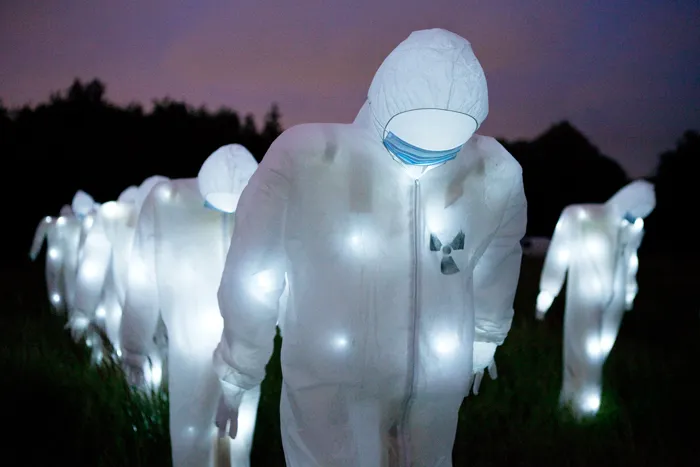
Japan is a dream destination for many travelers, known for its rich culture, natural beauty, and vibrant cities. Fukushima, however, stands out for a far more sobering reason: today it ranks among some of the most dangerous places in the world.
On March 11, 2011, a powerful earthquake triggered a 15-meter tsunami that caused a catastrophic nuclear accident in Fukushima (per World Nuclear Association).
Over 100,000 residents were evacuated to prevent radiation exposure. According to official records, 2,313 disaster-related deaths have since been reported among evacuees from Fukushima prefecture.
Report
5points
#29 #8 Burkina Faso, West Africa

Burkina Faso, part of the crisis-ridden Sahel region, is currently among the most dangerous places to visit. The UK’s Foreign, Commonwealth & Development Office strongly advises against travel to the country (per GOV.UK).
Terrorism, kidnappings, and ongoing political unrest have sharply increased, creating a highly volatile environment, especially for vulnerable groups, including the LGBT+ community.
Terrorism, kidnappings, and ongoing political unrest have sharply increased, creating a highly volatile environment, especially for vulnerable groups, including the LGBT+ community.
Report
5points
#30 #7 Sahel, North Africa
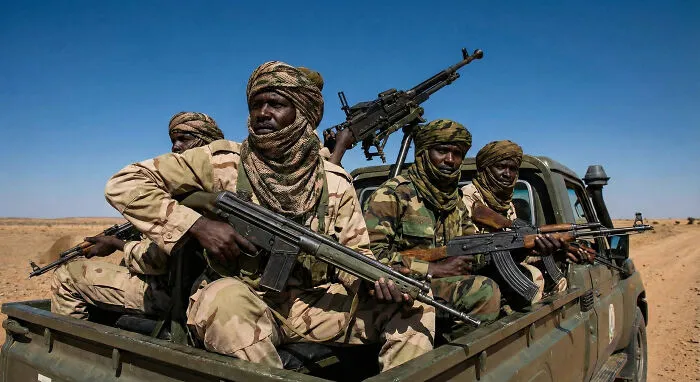
Stretching 6,000 kilometers across 12 countries, the Sahel region in North Africa is home to around 400 million people (per IFAD).
Despite its size and population, the Sahel is one of the world’s most unstable regions. Widespread violence, extremist groups, political turmoil, and severe water scarcity make it an increasingly unsafe destination.
Despite its size and population, the Sahel is one of the world’s most unstable regions. Widespread violence, extremist groups, political turmoil, and severe water scarcity make it an increasingly unsafe destination.
Unknown
Report5points