



A while back, I spoke about beauty with Dr. Jane Nicholas from St. Gerome’s University at the University of Waterloo. She told me that modern culture is visual culture and, as a result, things like the beauty industry have grown substantially over the 20th century.
“Its expansion reveals the importance of beauty in people’s lives as it shapes their identities, especially in regard to gender,” she told Bored Panda.

According to Dr. Nicholas, as more and more people live in anonymous, increasingly-dense cities, appearances and visuals become how we make judgments about things and people.
“So how one appears is often presumed to be who one is. Historically, the rise of the modern city was seen as the place of quick judgments on appearances in places that were crowded but also built for observation. Evaluation by one’s appearance, then, took on new importance. This has only intensified,” she said.
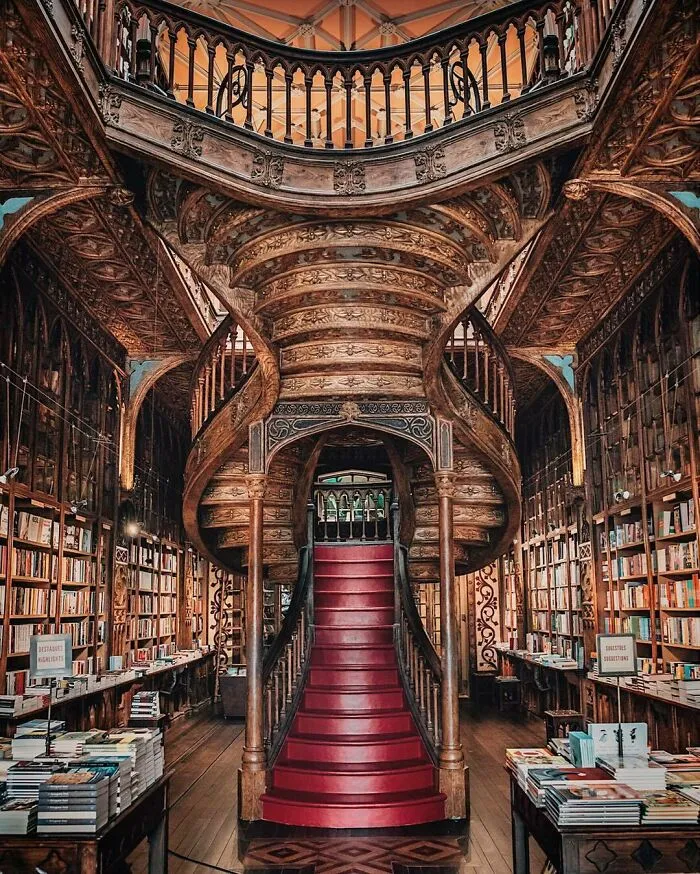
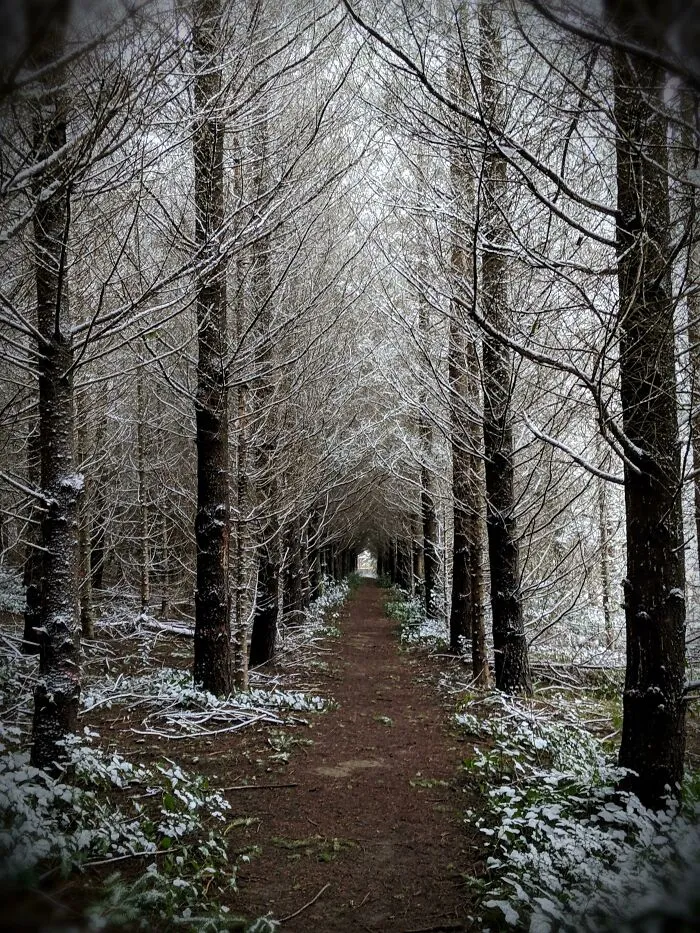
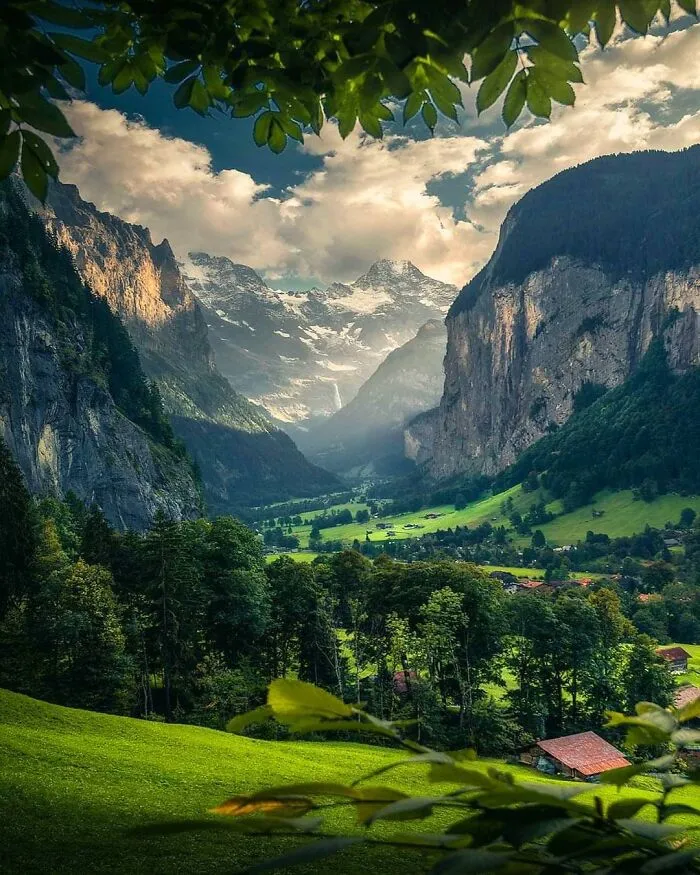
#26 Went For A Walk By My House And I Think I Found The Path To Narnia.
The history expert said that beauty is, both at the same time, very personal and deeply culturally driven. So, as a result, the beauty industry finds itself intrinsically linked to the consumer.
“It provides products and images for consumption and how consumers take those up largely determines its success. Beauty products and practices have to resonate with consumers, who are not simply dupes but often thoughtful and measured in what they want and can consume,” Dr. Nicholas told Bored Panda.
“Gaps in services and products lead to further innovation. Throughout the twentieth century, for example, women of color struggled to be appropriately represented and struggled to find appropriate products. In multiple ways, the industry was forced to grow and expand to respond properly to their needs. Black entrepreneurs often led the way,” she said.
What was once seen as very natural, widely accepted, and done for the sake of beauty can now seem odd, bizarre, downright weird.
“When dislocated from their context, what was typical in one time period seems strange in another. Today, we see the highly filtered, fully made-up selfie as quite ordinary. When you pause to consider it though, it is interesting to think about how those reflect changes in technology (both digital and in cosmetics), as well as in dominant presumptions of what is considered beautiful. It can also be reflective of the democratization of techniques in lighting and makeup application that were historically reserved for insiders within modeling. Now, anyone can use them,” Dr. Nicholas said.



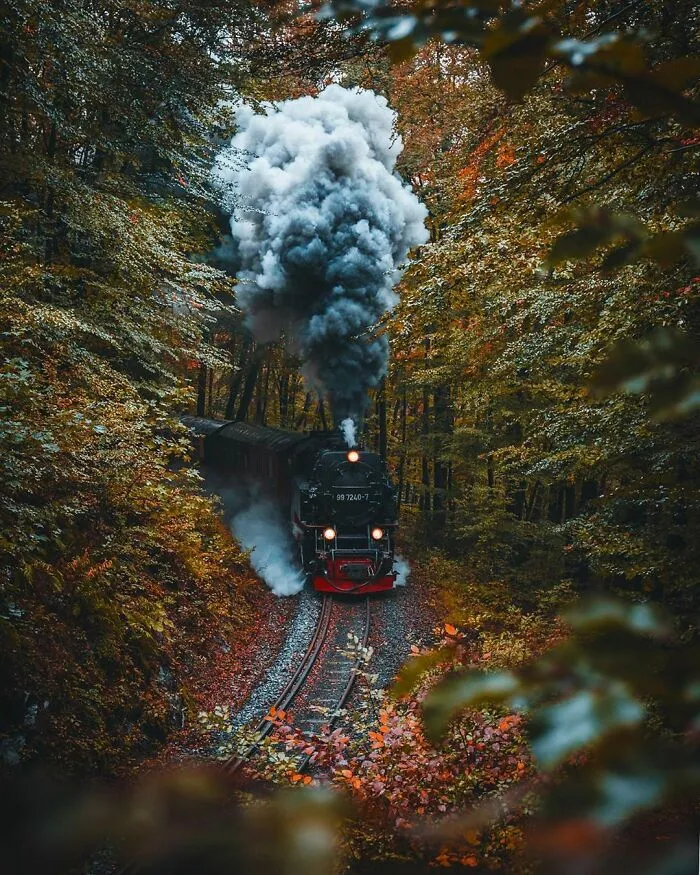
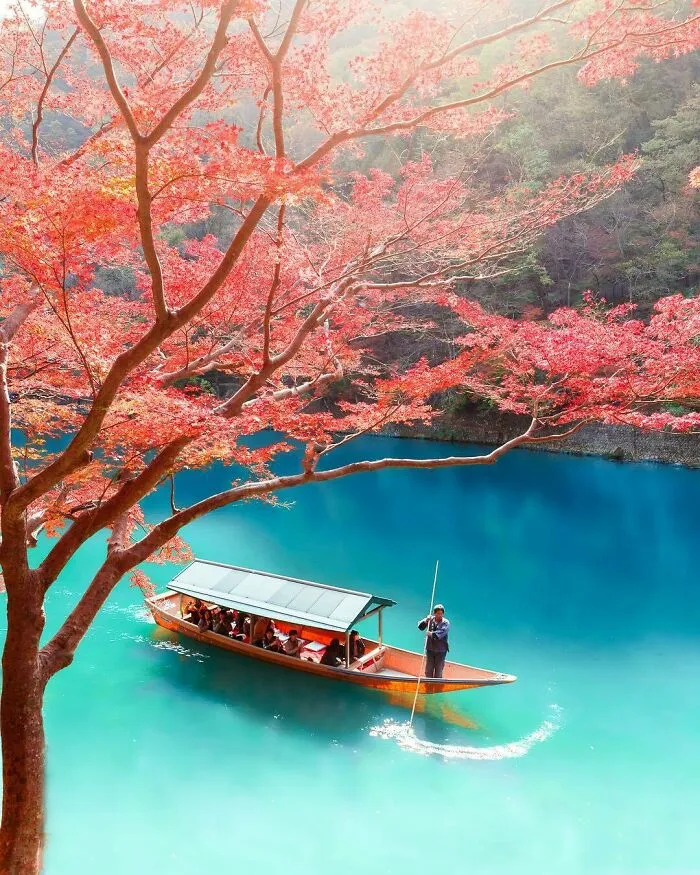
#37 🇯🇵 Sunny Day With Momiji 🍁 In Arashiyama, Kyoto (Credit To Loïc Lagarde)