




#1 The Morality Of Breaking Into A Building And Private Property To Rescue A Dog That Was Going To Be Euthanized?



Morality and the justification of actions have been central themes throughout most of human history. Setting expectations and rules for what’s right and wrong was crucial to forming the society we live in.
Psychologist Ralph Lewis, M.D., says many religious people believe morality stems exclusively from a divine creator. Despite extensive scholarly work, people still often rely on supernatural explanations for morality's origins.
Lewis attempted to trace morality’s roots through an evolutionary lens. He began by analyzing instinctual and emotional traits. The psychologist theorizes that feelings of guilt, shame, disgust, outrage, and empathy, displayed by animals, are the first building blocks of human morality. These feelings can fuel either compassion or cruelty, which, depending on context, can be compared to actions people deem moral or just.
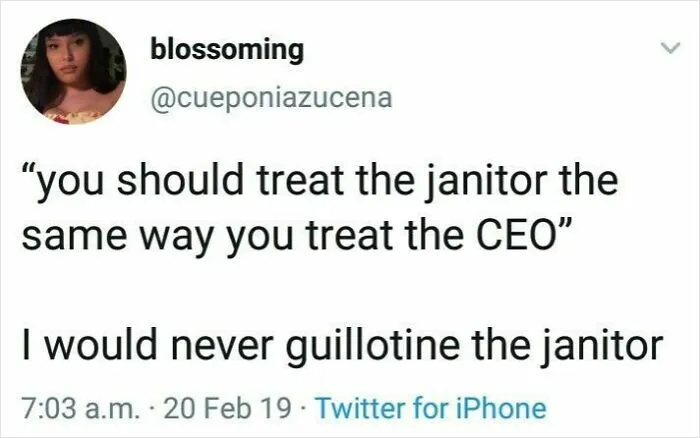
#5 Morality Of Saving Someone's Wallet But Also Taking Something For Yourself?

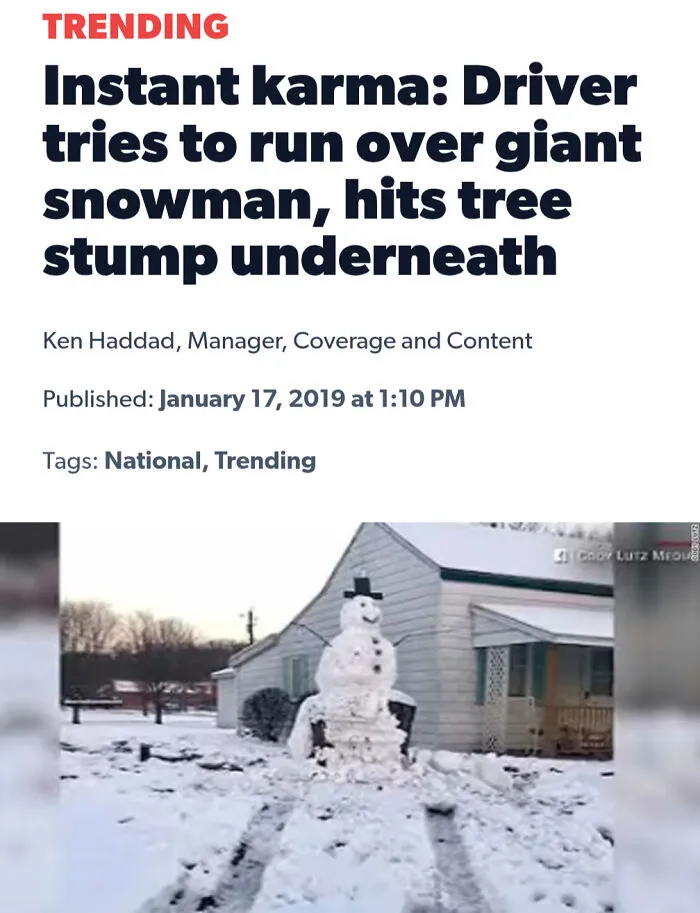
#6 Morality Of Building Snowmen Around Tree Trunks So That People Who Deliberately Run Over Them End Up Wrecking Their Cars
As humans evolved, higher cognitive capacities expanded our sense of morality, Lewis says. Self-control is observed only in complex animals, helping them delay gratification to achieve a bigger goal. People are exceptional at self-control, which they often call willpower. Suppressing an urge is key to helping people act morally.
Human reason and rationality also play a big role in morality. Lewis says there’s a big debate whether emotions or reasoning hold more weight in our moral sense. He explains that while emotions are often more powerful than reason, rational thinking is more adaptable and versatile. Emotion drives immediate reactions, while reasoning helps shape certain moral rules.
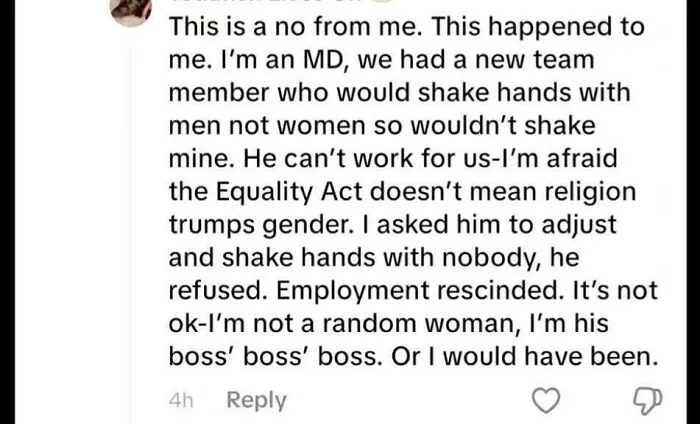
#7 Morality Of Forcing Your Daughter To Walk To School Under Blizzard Conditions Because She Was Bullying Classmates


In the later stages of human evolution, Lewis names the societal context as the cornerstone of our modern understanding of morality. He says community encourages cooperation instead of aggression. In return, individuals gain rights, stability, and prosperity. The most peaceful, tolerant, compassionate societies in the world today tend to share laws with many other democratic nations, despite cultural differences, shaping humanity’s sense of right and wrong.
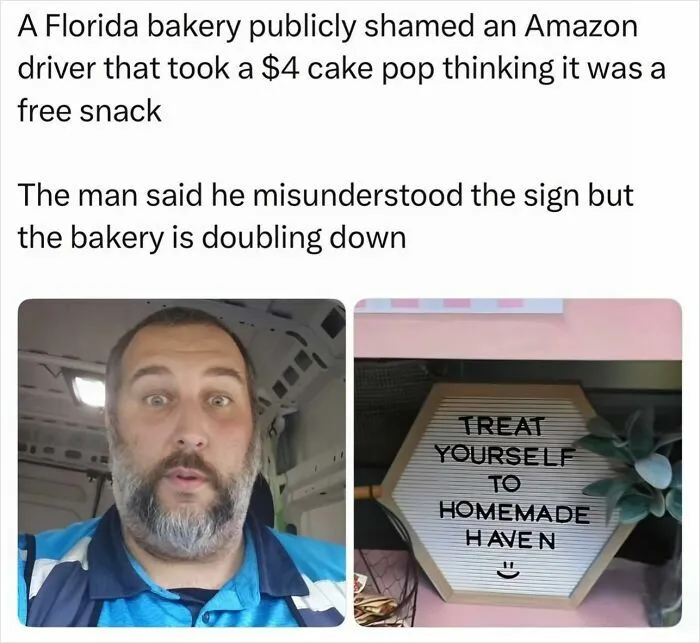
#11 Morality Of Drinking The Beverage You Are About To Buy While Waiting In The Line


Morality also matters in interpersonal relationships, not just in societal ethics. A study by Anselma G. Hartley, R. Michael Furr, Erik G. Helzer, Eranda Jayawickreme, Kassidy R. Velasquez, and William Fleeson reveals that morality is the most important factor when determining whether a person likes, respects, and understands another person. The moral traits of honesty, compassion, and fairness were most significant. They were ranked above other positive traits like intelligence, humor, and humility. The researchers theorize that moral traits rank higher because viewers may see them as more beneficial.


#15 It's Not Immoral To Get Annoyed At My Autistic Classmate, Right?
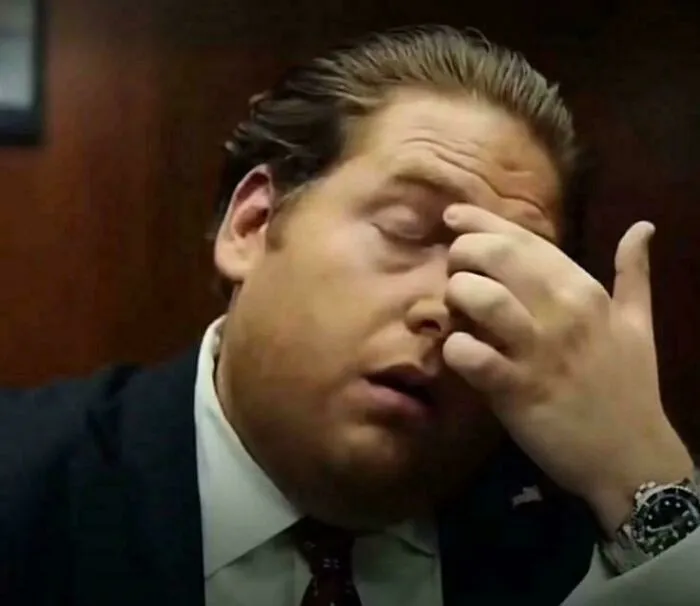
I'm so annoyed by her that just having her in my presence makes my head feel like it's going to explode. She is so fucking annoying.
That's all I have to say. Now, am I immoral for thinking she's annoying as heck?
The study of practical and general rules to determine how people should act is called normative ethics. Three major schools of thought shape the field in Western society. The first is Virtue Ethics, widely agreed to have started with Aristotle. Virtue ethics focuses on building a good character and developing virtuous habits, such as honesty, courage, and kindness. Aristotle believed that these virtues are not innate, but learned through experience and practice. He often described the moral virtues as “The Golden Mean”, a sweet spot between extremes. For example, courage sits between cowardice and recklessness. According to Virtue Ethics, the morally right action is the one that follows these virtues.


#18 Morality Of Mother Taking The Life Of Her Disabled Son Before Passing Away?

In Utilitarian Ethics, the morally right action is the one that produces the greatest overall happiness for the greatest number of people. It was developed and refined by philosophers Jeremy Bentham and John Stuart Mill. In this view, the good of the many outweighs that of any single individual. The results of an action matter most, while intentions are pushed into the background. Major criticisms of this system include its unpredictability and neglect of mistreated minorities. Some outcomes are inherently hard to predict, and if results matter more than intentions, the best choice becomes unclear. When the majority’s happiness carries the most weight, minorities lose their voice.
#19 Is It Really Moral To Destroy The One Ring? I Only Wanted To Discuss The Ethics. But The More I Think About It... I Should Keep It. Just Until The War Is Over. What If I Need It? What If Sauron Attacks Tomorrow And We Already Threw Away Our Greatest Weapon? I Can Keep It Secure. I Can Keep It Safe

#20 Morality Of Pouring Molten Metal Into Anthill To Create An Art?