






#21 Natural History Museum Of Obafemi Awolowo University ~ Ile-Ife, Nigeria
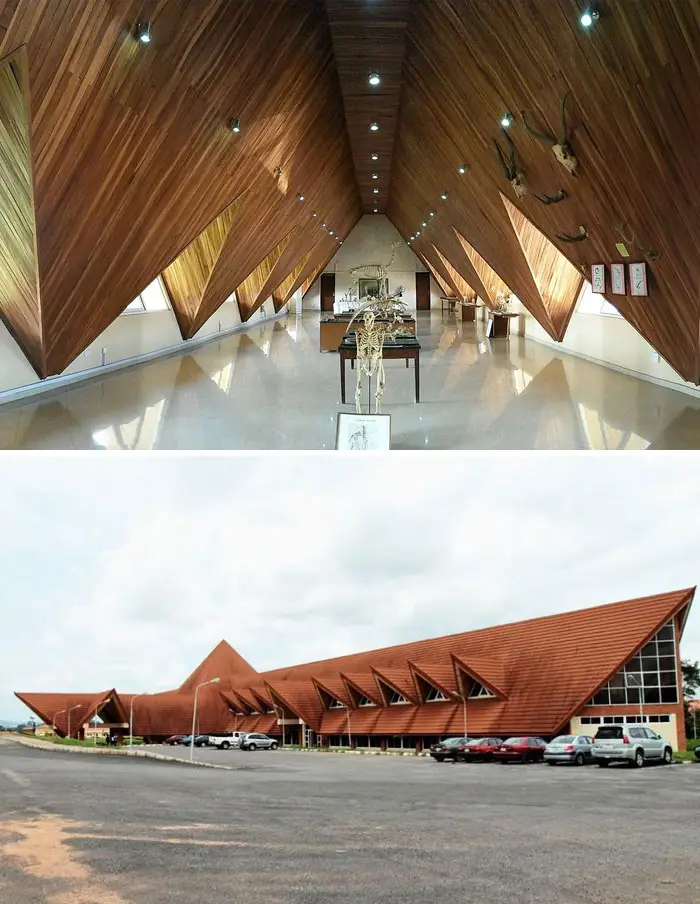
Functionalism, minimalism, the lack of ornamentation—these lie at the core of modernism. The architectural movement welcomed innovative technologies of construction, as well as the use of materials such as glass, steel, and reinforced concrete.
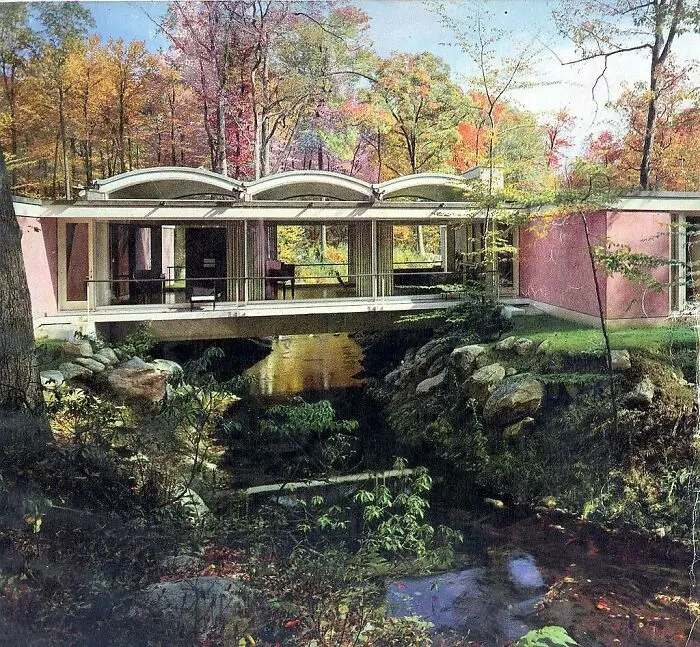
#22 Warner House, New Canaan, Connecticut, Designed By John Johansen In 1955
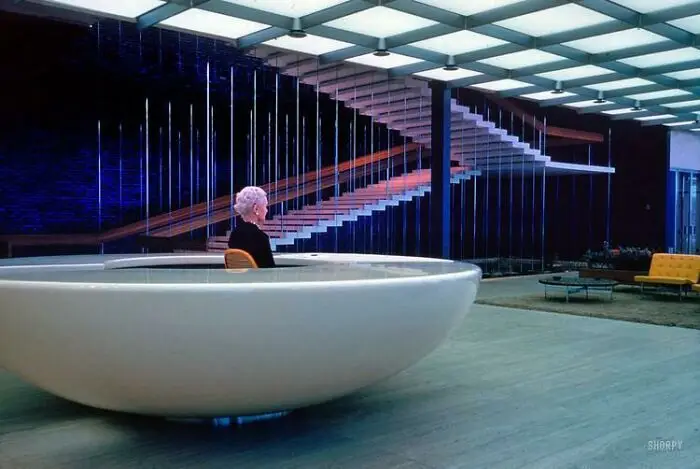
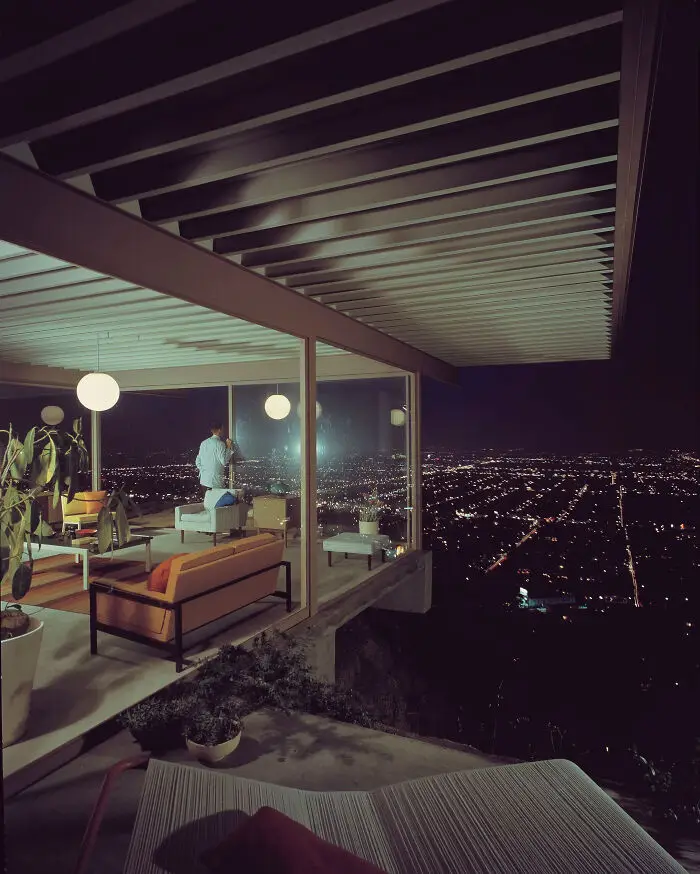
#24 Stahl House, Los Angeles Ca, USA (1957) By Pierre Koenig, Photography By Julius Shulman
Emerging in the first half of the 20th century, modernism dominated the architectural scene in the post-World War 2 era. Until the 1980s, it was the principal style used for institutional and corporate buildings. It was later supplanted by postmodern architecture.
#27 Haus Des Rundfunks, Berlin, Hans Poelzig 1931, Staircase Near The Great Broadcasting Hall

Modernists embraced asymmetrical compositions, geometric forms, and flat roofs. There was an emphasis on horizontal lines, as well as neutral or white palettes. The interiors of buildings, meanwhile, were characterized by spaciousness, openness, and light.
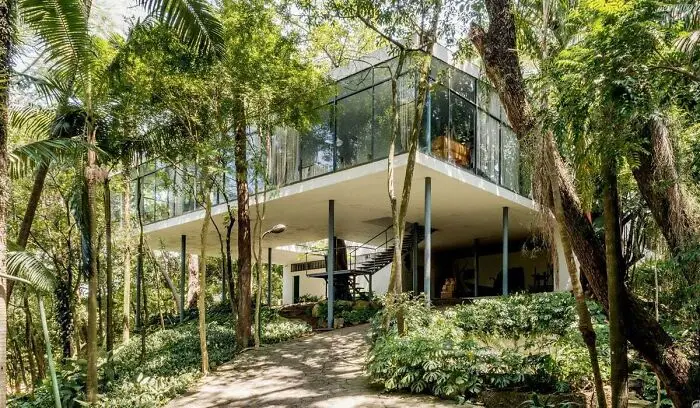
#29 University Of Michigan Law Library Extension, Ann Arbor, Michigan, By Gunnar Birkerts (1981). The Modern Extension Is Largely Underground
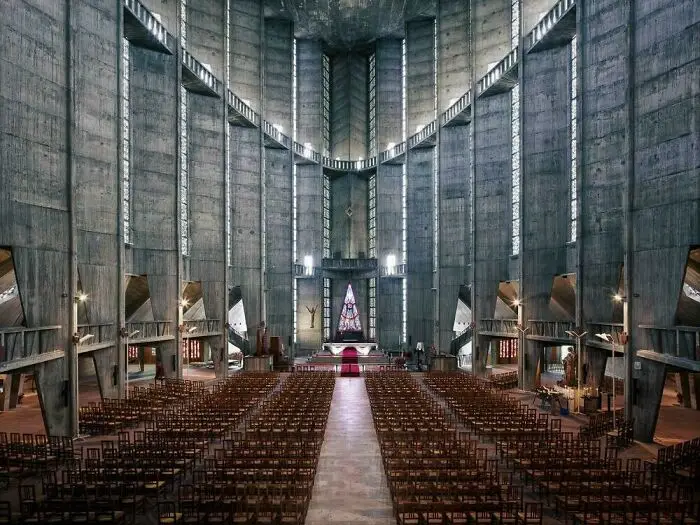
#30 Notre Dame De Royan, France, Designed By Guillaume Gillet And Marc Hébrard In 1955
Modernism itself shifted and changed over the years. Offshoots of the modernist philosophy include Bauhaus, brutalism, constructivism (and later deconstructivism), expressionism, the so-called ‘International Style,’ and more. These are all slightly different aspects of the same architectural philosophy that valued innovation and moving towards utopia, as imagined by the architects.