

According to Lisa, the conversion of old rail tracks into green beltlines through cities like New York and Atlanta indicates things are taking a turn for the better. “It shows real attention to the way that people actually live in and use their cities, as well as the possibility that we can bring together nature and infrastructure in ways that benefit the many rather than just the few.”
Interestingly, this isn’t just happening in the U.S. “In Kisumu City, Kenya, the Food Liaison Advisory Group is working to reconnect the city with the larger region to ensure supplies of healthy food and give rural farmers access to wider markets, while urban dwellers in India can use the 'Clean India' app to track and help resolve sanitation issues in their own and other nearby cities,” Lisa explained and added that she can’t wait to see what kinds of new and hopefully more utopian science fictional cities these actions inspire.
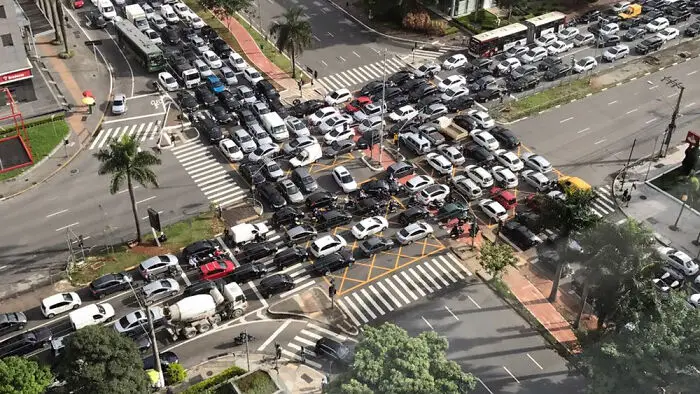
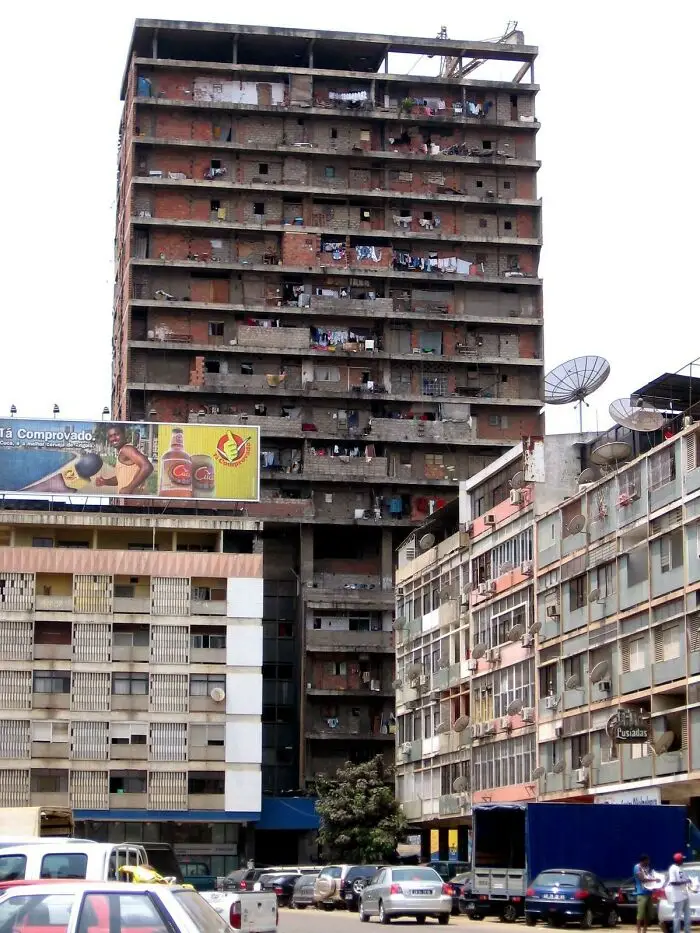
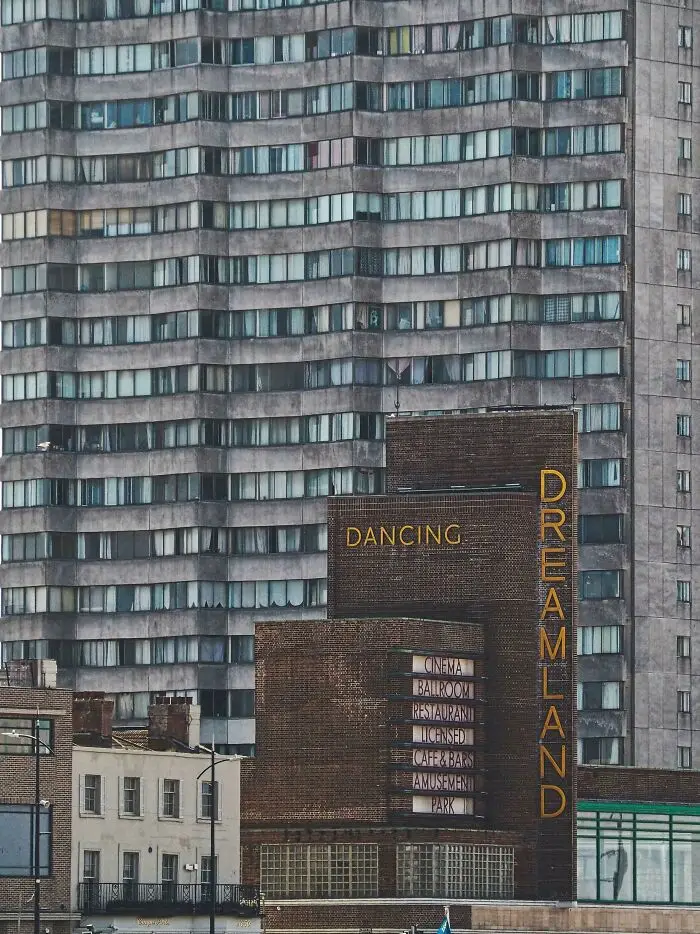
In the not-so-distant past, urbanization was understood as this ideal mode of modern living, the one which seemed to be very efficient, orderly, and adaptable to individual needs. Most importantly, it aimed at catering to a rapidly soaring population that found itself lacking in space, infrastructure, and opportunities in suburban areas. Our economies have become more industrialized over the past few hundred years, which made people move to cities.
The United Nations (2018) predicted that by the year 2050, 68% of the global human population would live in urban areas, constantly growing in surface. And today, we no longer talk about cities, there’s a new term for cities much bigger than a 10-million population and it’s called a “megacity.” Tokyo is an example of a megacity with nearly 40 million residents.
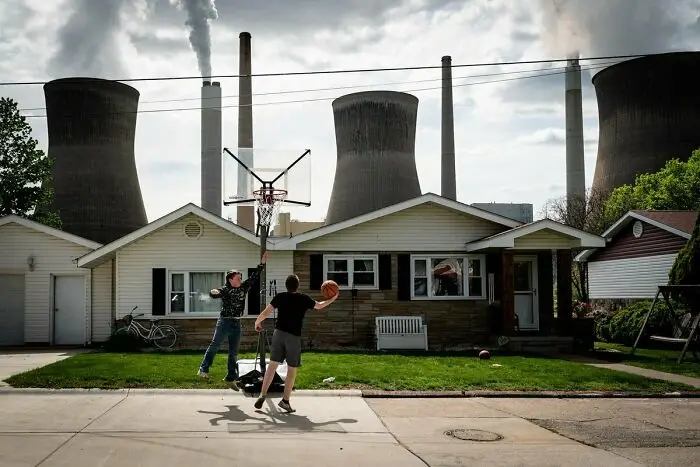
#25 Children Playing Basketball Near The John E. Amos Coal-Fired Power Plant In Poca, West Virginia
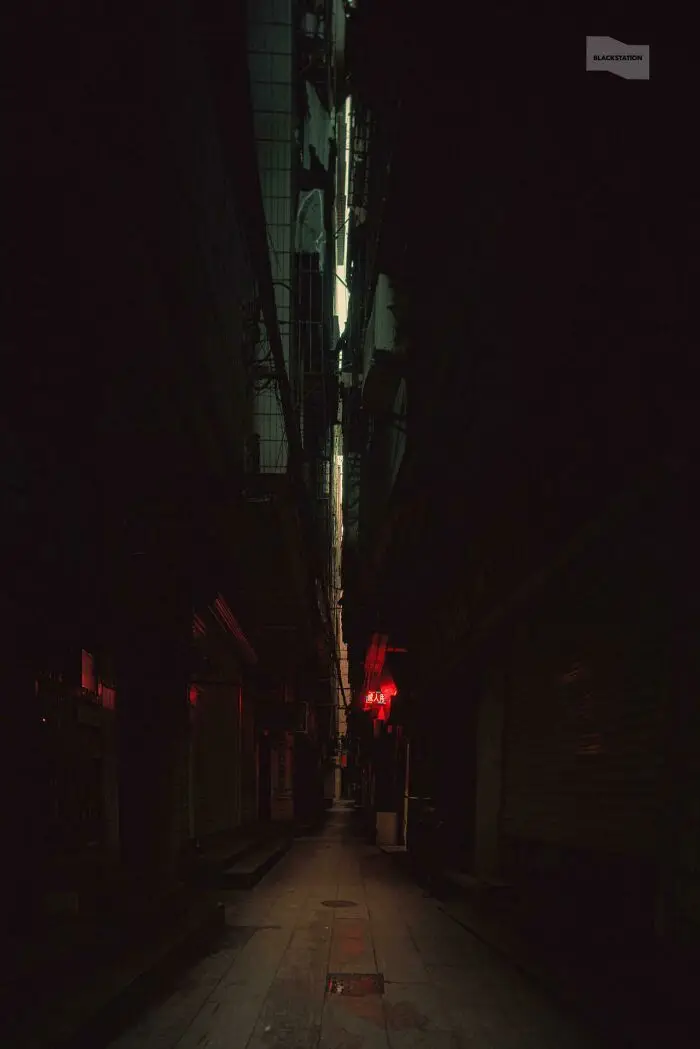
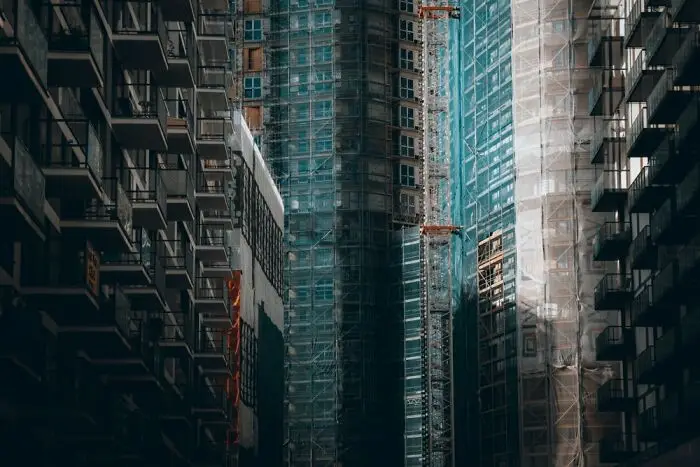
#29 Bliska Wola Tower, Warsaw, Poland. Sunlight Rarely Reaches The Bottom Floors, And Some Apartments Are As Small As 18 M²
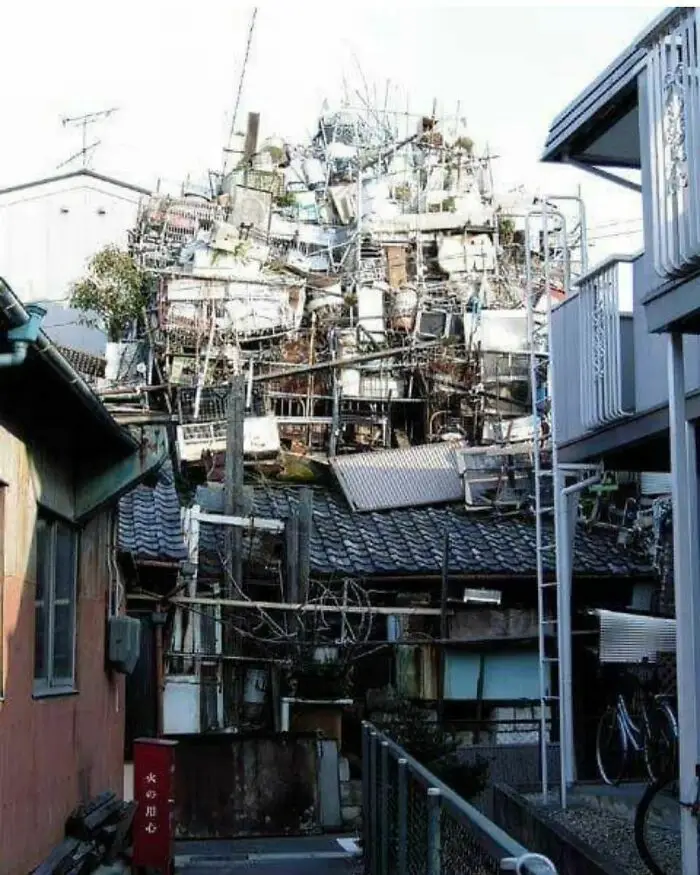
#30 Only Surviving Photo Of A Hoarder House Demolished Around 2007 In Nagoya, Japan
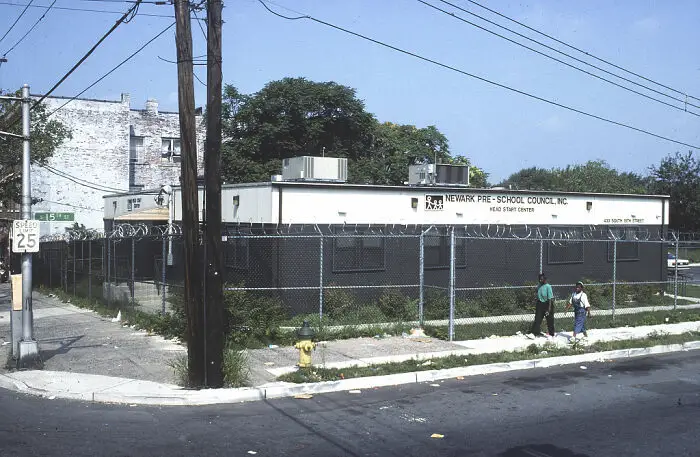
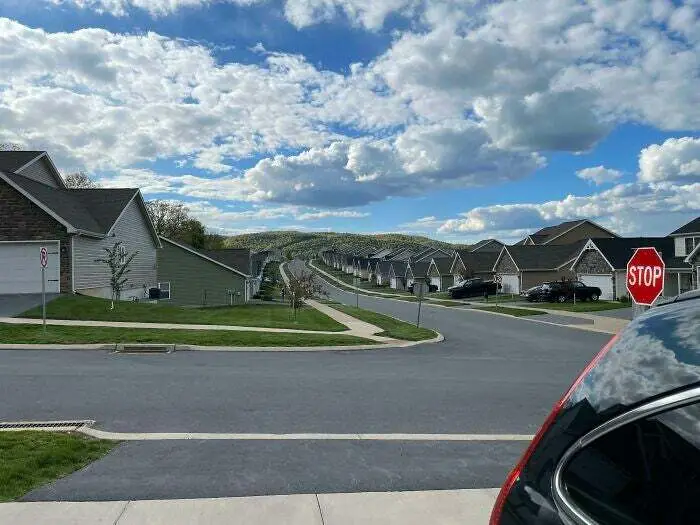
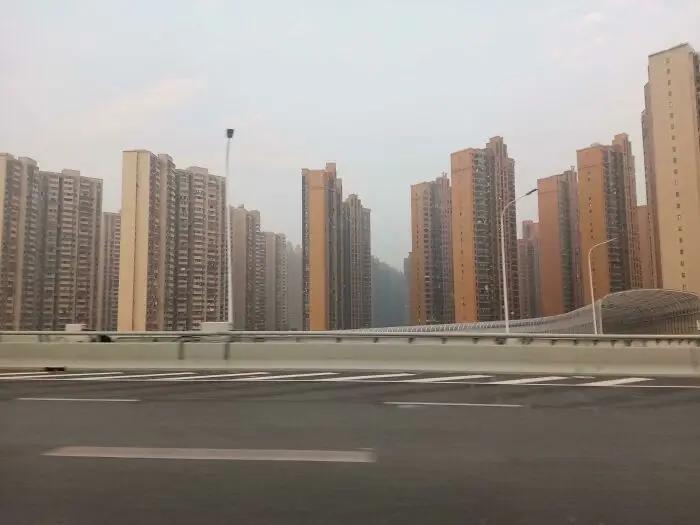
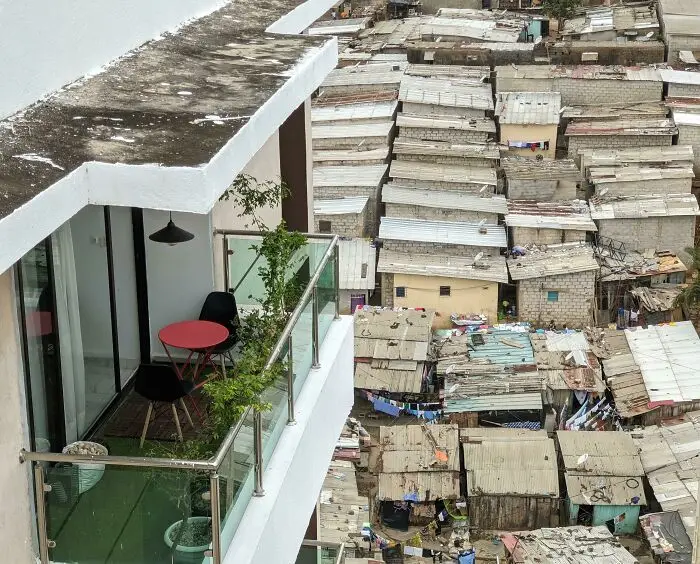
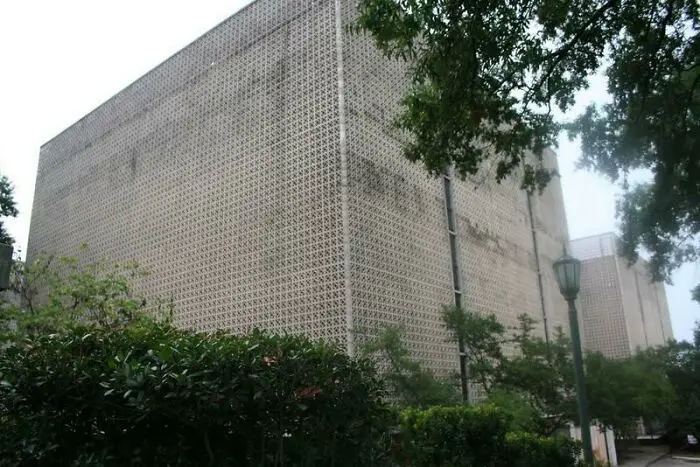
#35 My Dorm At The University Of South Carolina (1998), Since Demolished
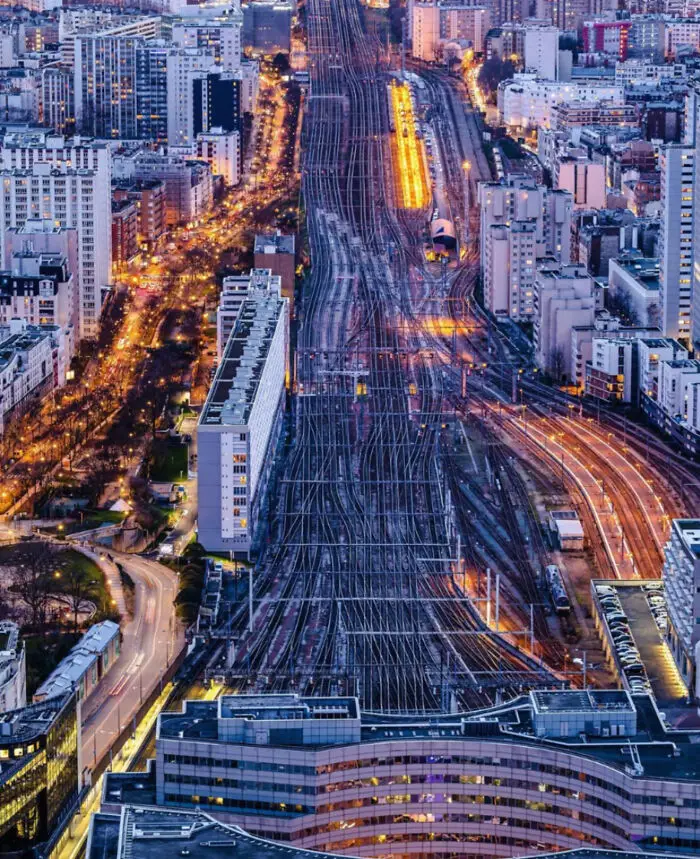
#36 Paris, France. A Studio In The Building Between The Boulevard And The Train Rails Highways Starts At 800€/Months. If You Qualify!
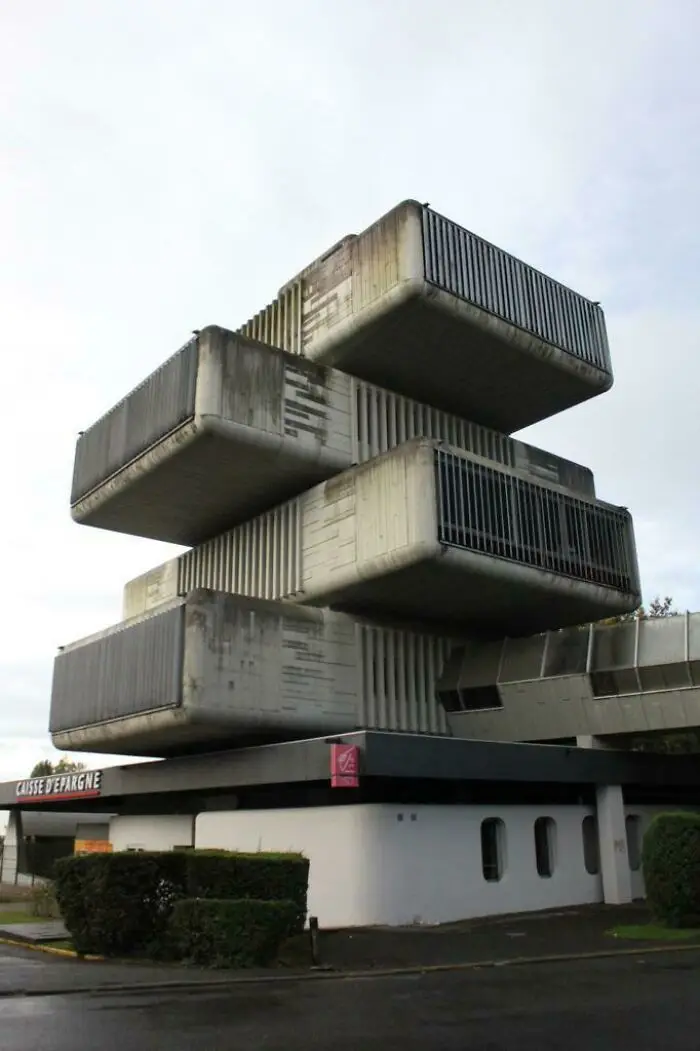
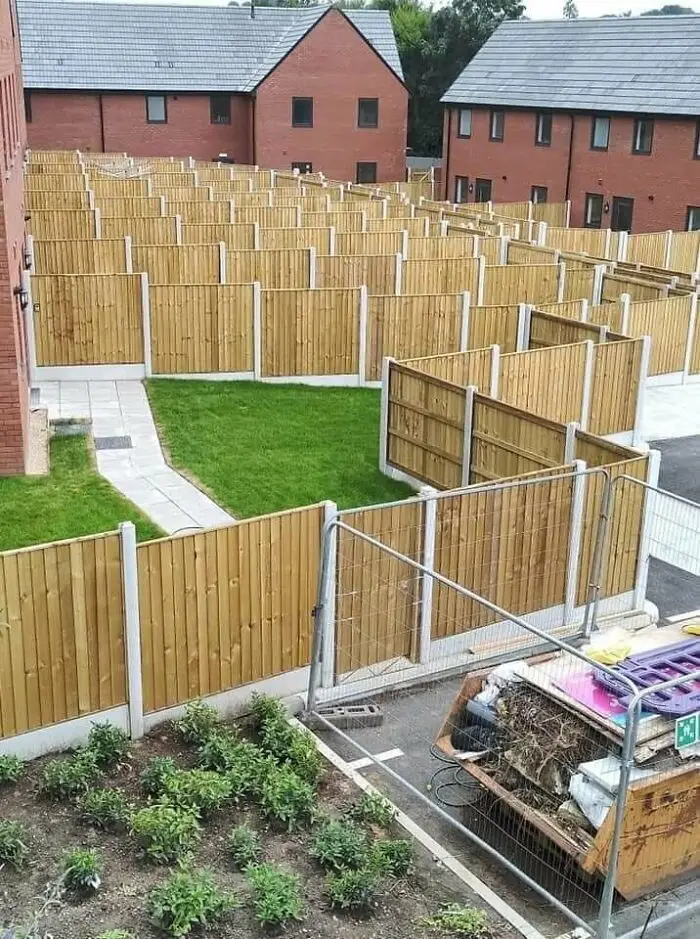
#40 Fencemageddon 2 - The Panelling! Pretty Standard View Of English / Irish Estates