

When we look at the history of racism, it’s quite brutal and painful to read. But it seems like people never really learn anything from history. And while things are better than before, the bigger question is why hasn’t racism been eradicated? Alas, when some humans feel superior, they find it difficult to let go of that power.
According to a Gallup survey, 64% of Americans believe racism against Black people is widespread in the U.S. Non-Hispanic Black adults continue to be the most likely to say such racism is prevalent in the country, with 83% expressing this view. Smaller majorities of Hispanic (64%) and non-Hispanic White adults (61%) agree.
#4 After Triggering Folks On R/Aliens, Moderators Deleted It For “Aggressive Or Offensive Content”



Research reveals that there are 4 distinct types of racism that people might face in their lives. Systemic racism is embedded in structural policies, so certain racial groups are at an advantage since they are deemed “superior.” Institutional racism involves unfair practices based on race in institutions such as schools, hospitals, government agencies, etc.
People face interpersonal racism when someone’s thoughts, beliefs, or actions harm them because of their race. The last one is internalized racism, which happens within individuals. When people start to believe stereotypes about themselves, they may experience shame or self-doubt.



The same research also emphasizes the mental health impacts of racism. Experiences like unfair treatment in systems or daily microaggressions bring stress, fear, and mistrust. Over time, this can lead to anxiety, depression, or trauma-related symptoms, making it harder to feel safe or hopeful.
Many Black, Indigenous, and People of Color (BIPOC) live in a constant state of alertness, adjusting their behavior to avoid bias, a practice called “code-switching.” This mental exhaustion can lead to burnout, difficulty relaxing, and sleep problems.


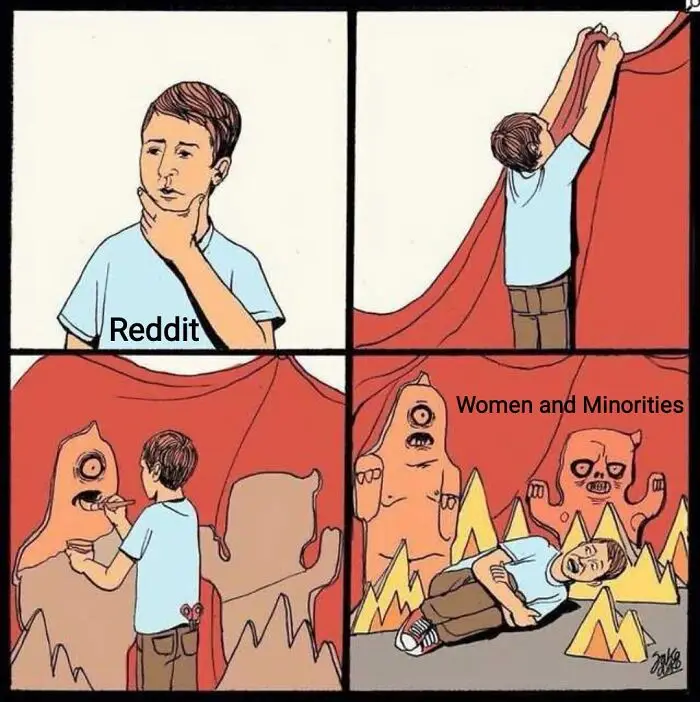
Moreover, repeated exposure to racism, through news, social media, or daily life, can reopen old wounds. It doesn’t just upset you in the moment; it can trigger anxiety or trauma responses, making past harm feel like it’s happening all over again.
Financial stress from systemic barriers also takes an emotional toll. On top of that, BIPOC often feel pressured to represent or educate others about their community, leading to frustration and burnout. It’s a lot to carry, and mental health pays the price.
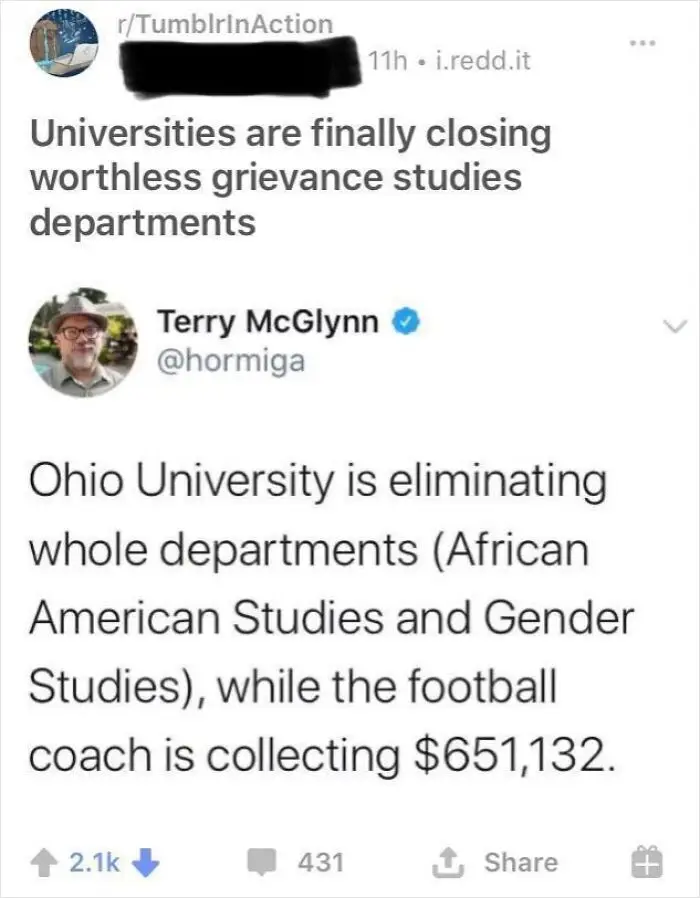


And it’s not just mental health that suffers because of racism. Studies have shown that racist experiences also adversely affect physical health. Chronic stress from facing racism can spike blood pressure, weaken immunity, and raise the risk of heart disease, kidney disease, and more.
Racism is also linked to higher hypertension rates, especially in Black communities, and can even trigger harmful inflammation. Also, sleep and overall health can suffer for years.

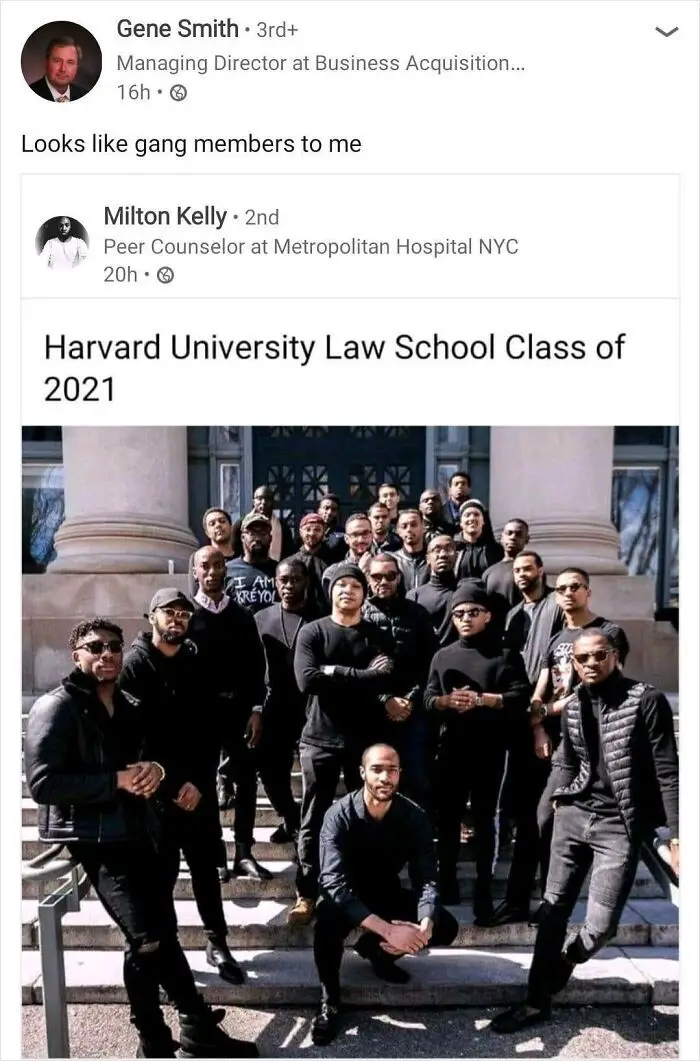

When there’s so much evidence that points out how Black, Indigenous, and People of Color still face racism, it’s honestly a big shocker when “fragile” white people try to play the victim card.
Both whites and blacks agree that anti-black racism has decreased over the last 60 years, according to the study from researchers at Tufts University's School of Arts and Sciences and Harvard Business School. However, whites believe that anti-white racism has increased and is now a bigger problem than anti-black racism.
#19 R/Conservative Applauding The Unnecessary Sacking Of A Teacher By A Fragile White Charter School

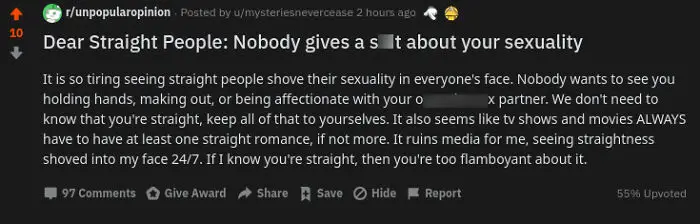
#20 R/Unpopularopinion Can't Handle It When People Flip The Words "Lgbtq" With "Straight"