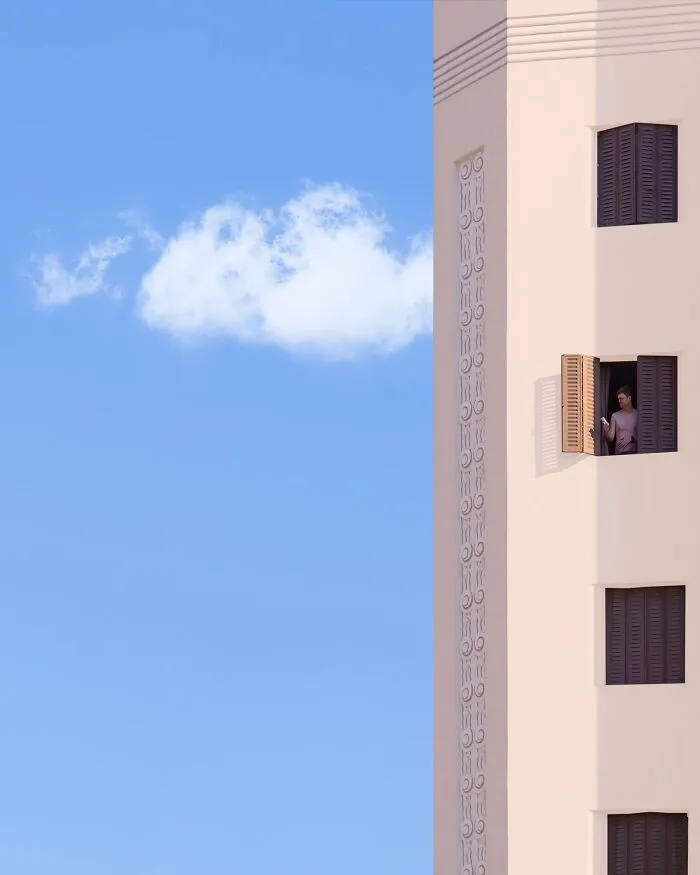
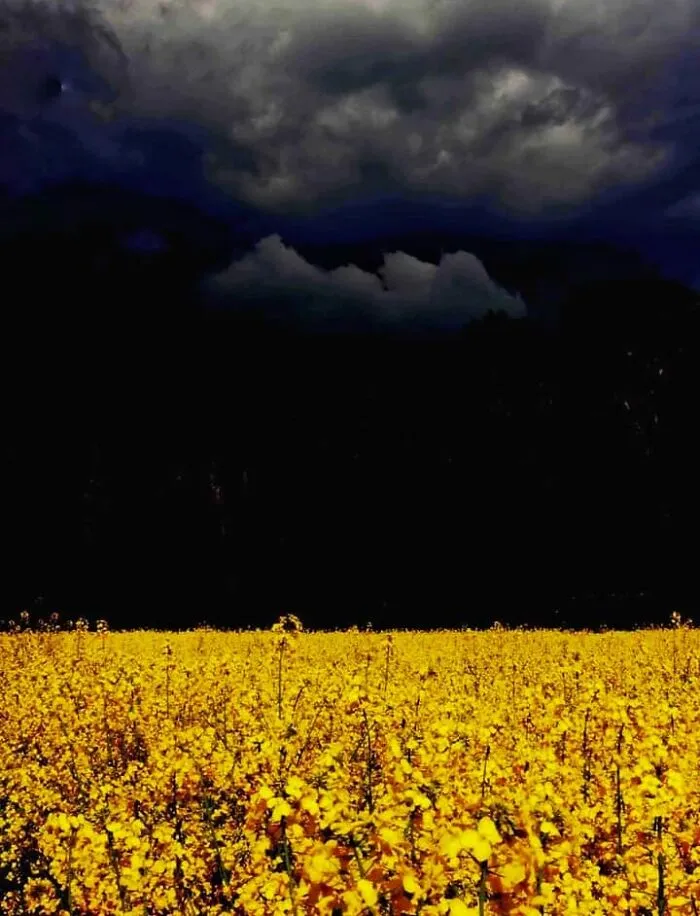
Widening the aperture isn’t the only way to increase the light that reaches the camera’s sensor. You can also slow down the shutter speed to create a higher exposure or a more light-filled photo. A higher exposure can turn a cloudy sky into a field of white. "Most of my photographs have a lot of negative space in white, which accentuates the gray or darkly colored subject matter," Baharlo said. He recommended bracketing, taking a picture at the proper exposure, then taking one at a much higher exposure and another at a much lower exposure. These variations give you more options when you edit the photo.
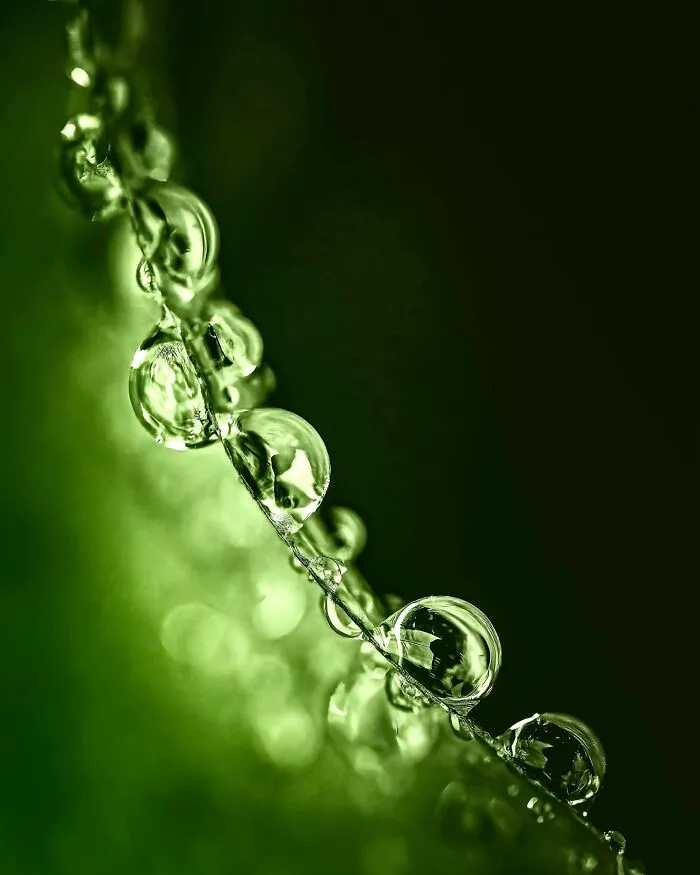
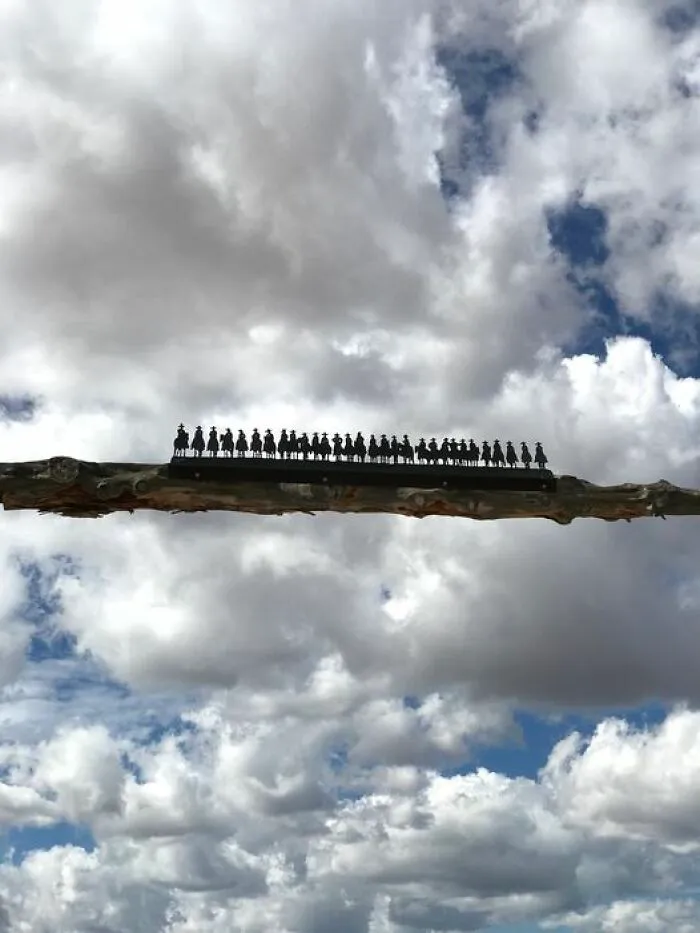
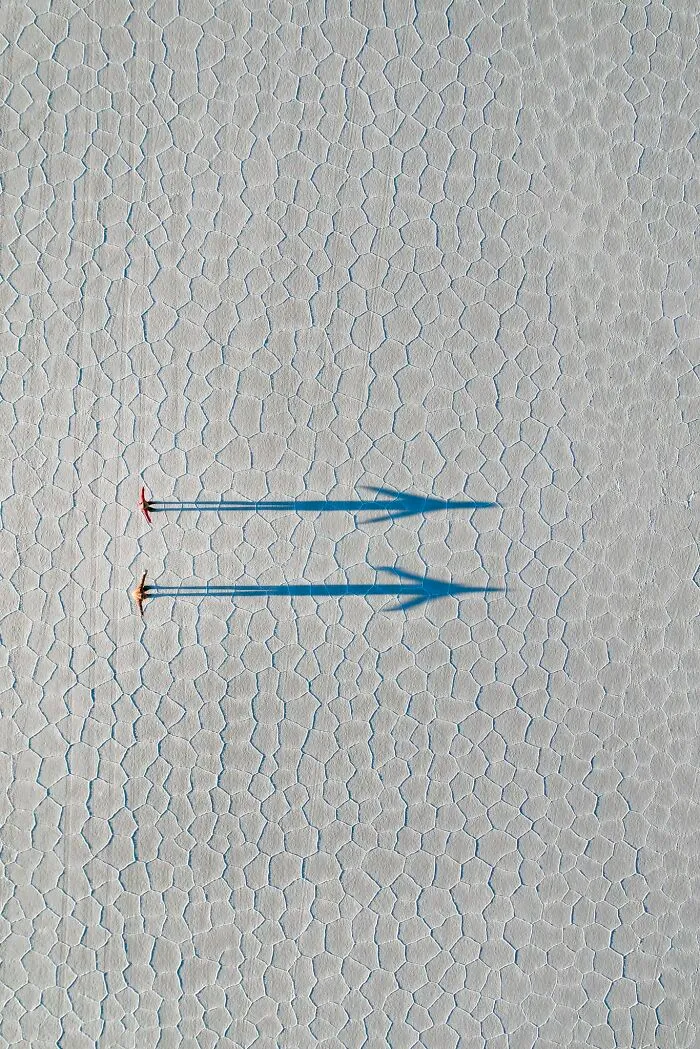
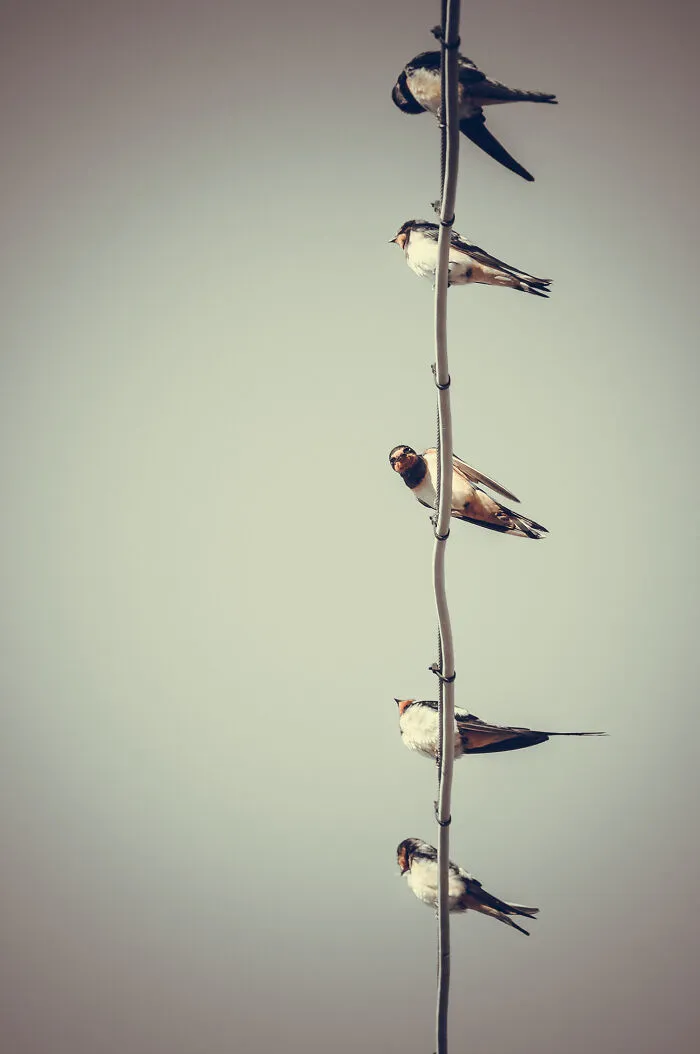
You can find minimalist shots virtually everywhere, but quieter settings tend to work best when you're shooting landscape photos. “It’s very difficult in an urban environment to take a lot of minimalistic photography, but desert, beach, or mountains tend to be more friendly to minimalistic photography,” Baharlo said.
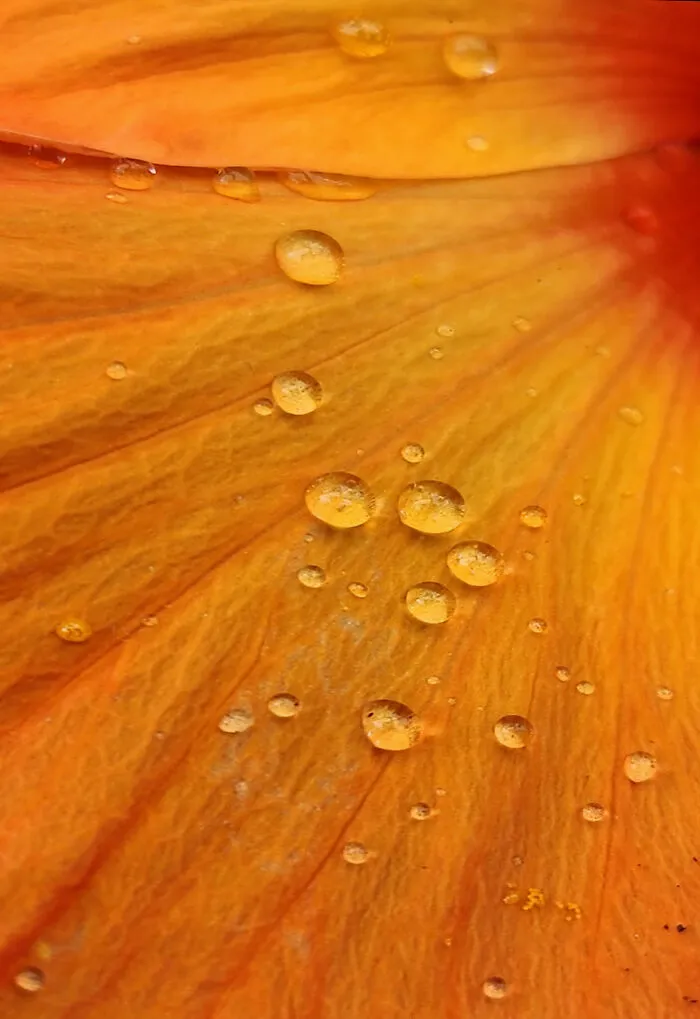

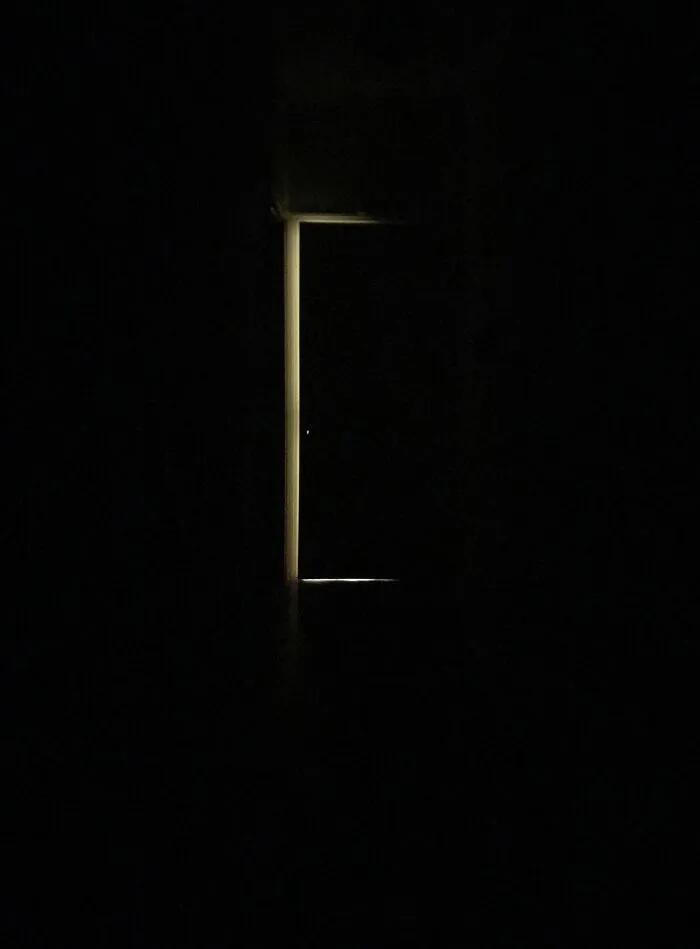
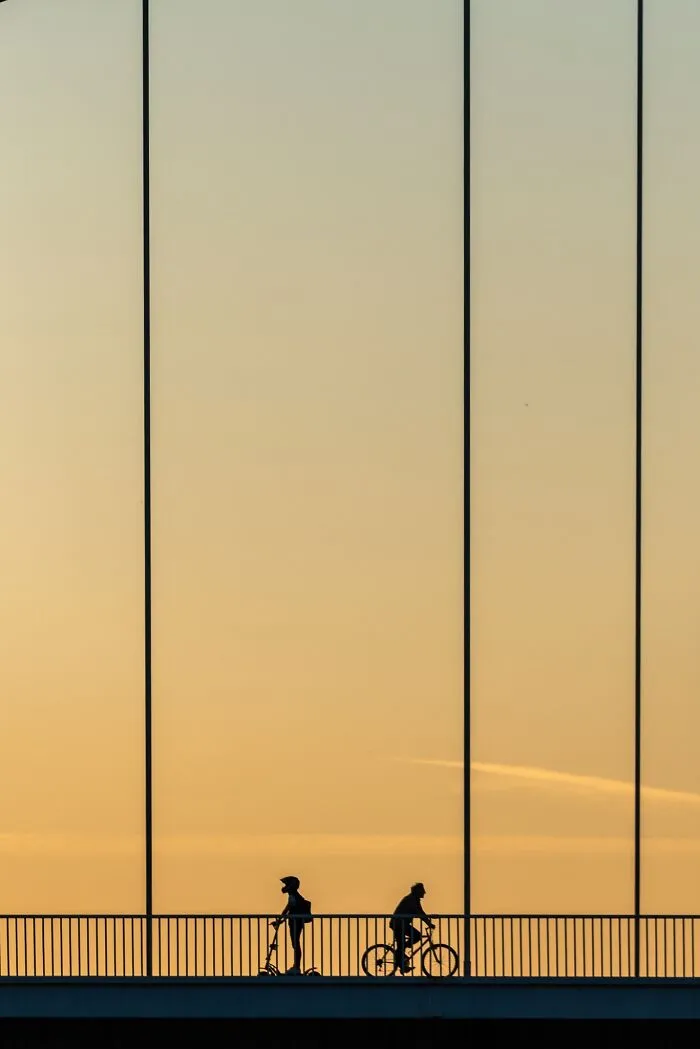
Still, you can find minimalist subject matter even if you live in a crowded city. Look for blue skies, blank walls, stretches of concrete, or grassy fields in parks. Keep your eyes open to everyday life.
In minimalist photography, color—or the lack of it—can add focus, stir up drama, or even evoke serenity. Bring your vision to life by experimenting with a range of different palettes. And if you get a shot that you like, share it with 'Minimalist Photography!'