
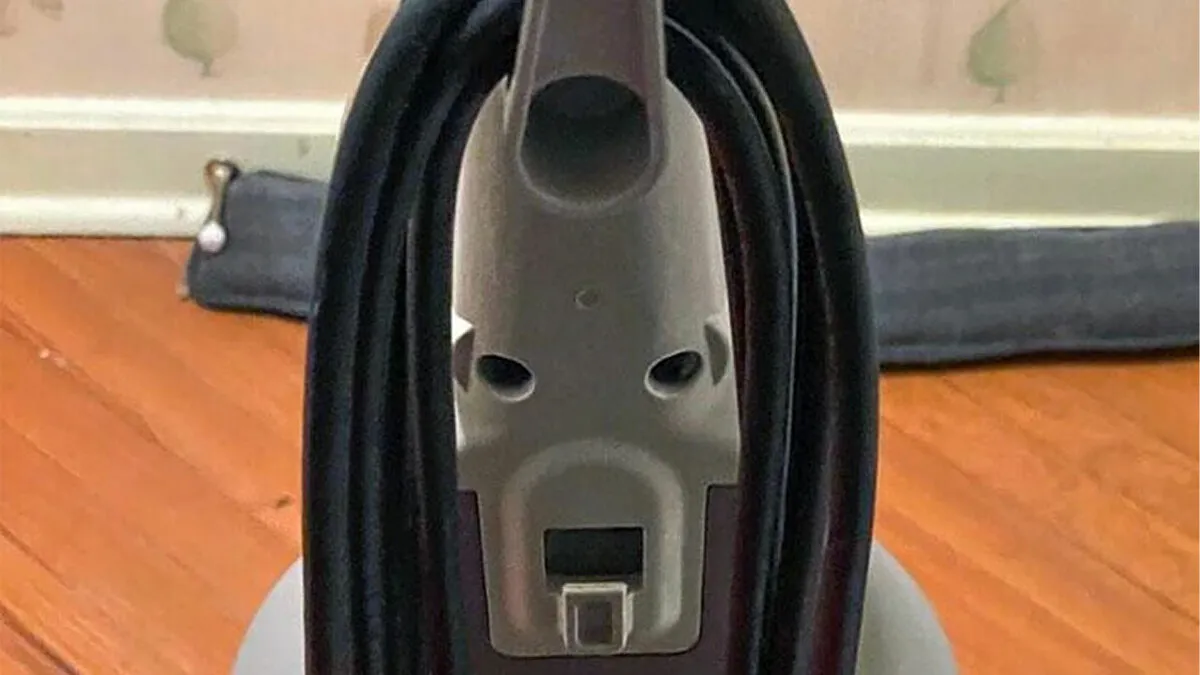


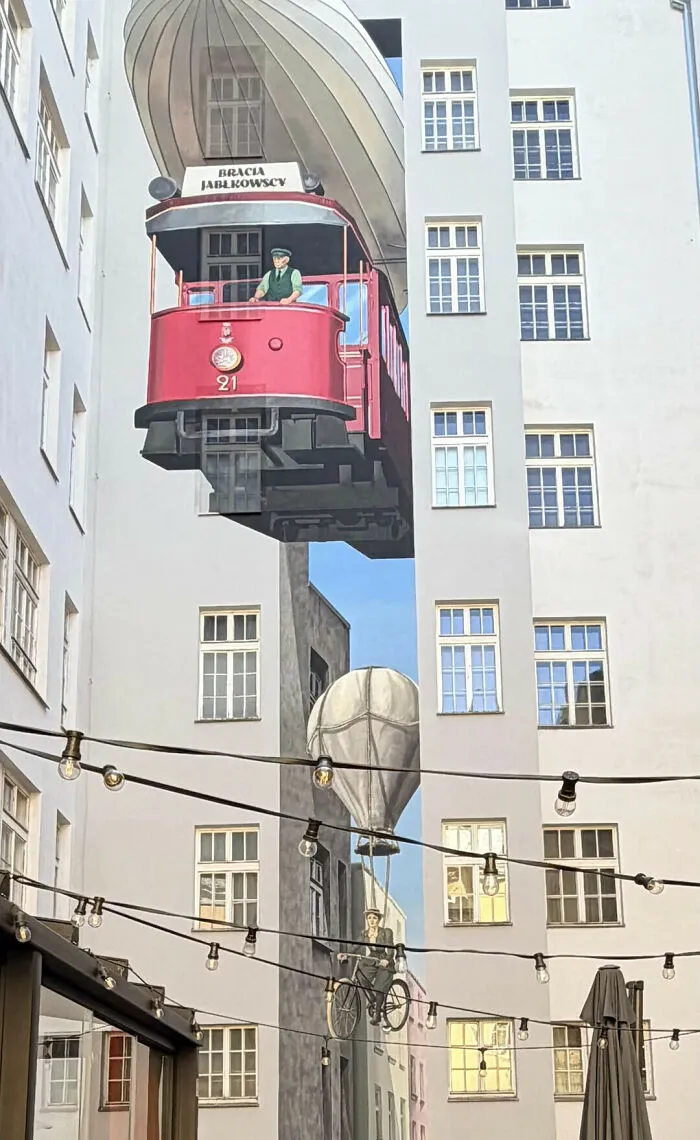
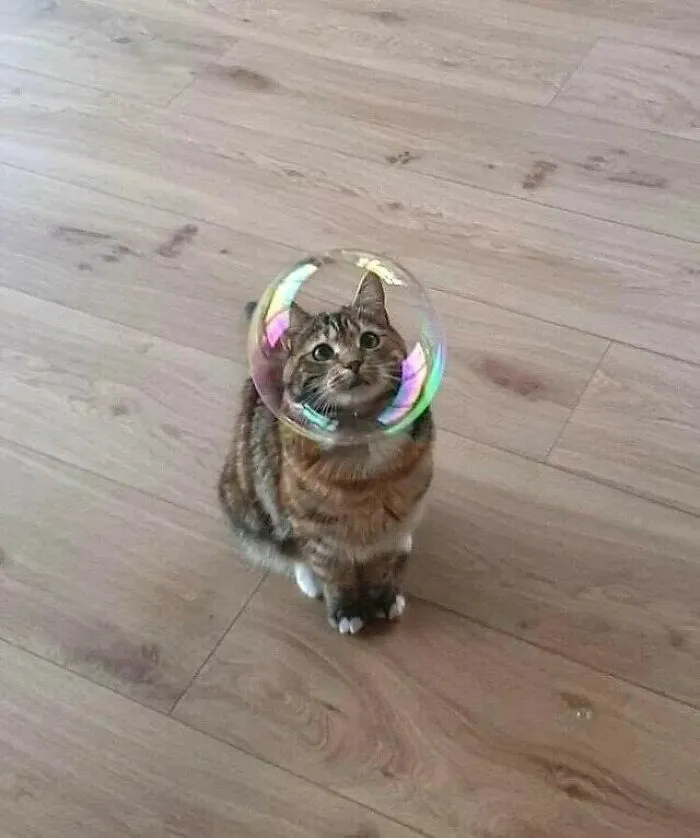

The brain does not wait for full information before deciding what it is looking at. It takes whatever fragments are available, makes an assumption, and presents you with a completed image before you have consciously processed a single pixel. This is Gestalt theory in action, a set of principles identified by German psychologists in the early 20th century describing how the mind automatically groups visual elements into patterns, fills in missing pieces, and imposes order on chaos.
It is an impressive system that evolved to help humans navigate a complex world quickly. It also means your brain is essentially making things up at high speed and presenting the results as fact, which is fine until half a building disappears and you can't explain why.
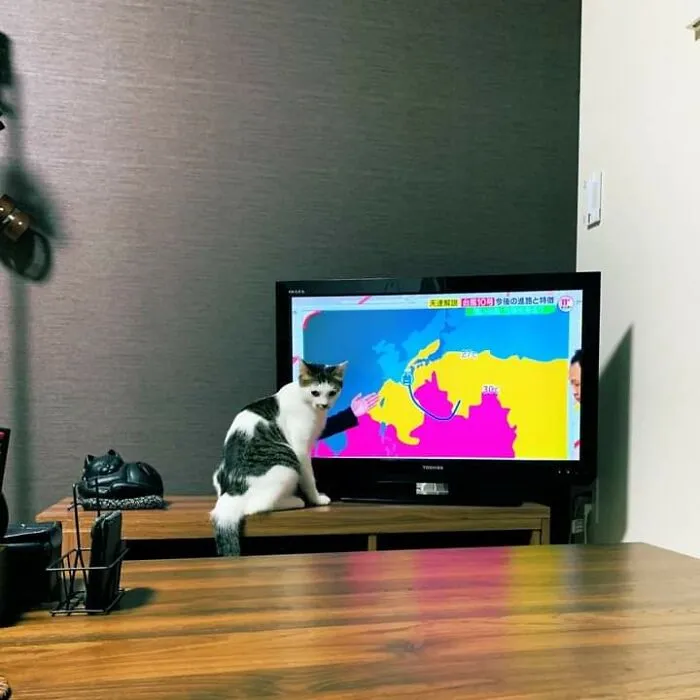


The specific phenomenon responsible for seeing faces in everything from clouds to burnt toast is called pareidolia, and it is completely involuntary. The brain has a dedicated facial recognition system so finely tuned that it fires even on minimal visual information, two dots and a curve being technically enough to trigger it. This was useful when the thing that looked vaguely like a face in the bushes might actually have been something trying to eat you.
It is considerably less useful when you cannot look at a water stain on the ceiling without seeing a disapproving old man. Pareidolia is also why certain confusing photos are so unsettling before you resolve them. The face your brain insists it can see is fighting the reality your eyes are slowly catching up to, and for a moment both seem equally plausible.

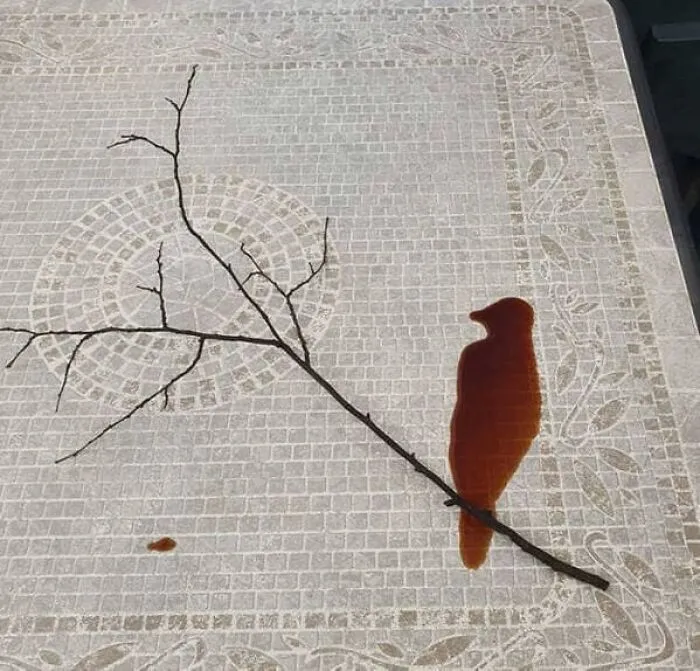

Optical illusions have a longer history than the internet would suggest. Ancient Greek architects used them deliberately, building the Parthenon with slightly curved floors and subtly tapered columns to counteract the way straight lines appear to bow when viewed from a distance.
The phenomenon went fully mainstream in February 2015 when a photo of a dress posted to Tumblr by a Scottish singer named Caitlin McNeill split the internet into two camps: those who saw black and gold, and those who saw blue and white. Neuroscientists confirmed both perceptions were valid depending on how each individual brain processed the ambient light information, which did not stop either side from being absolutely convinced the other was wrong.

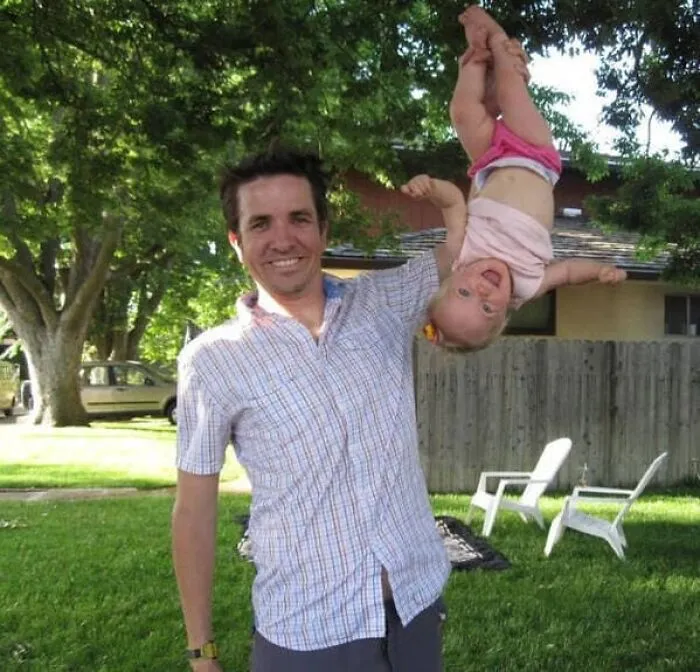

The reason confusing images get shared so compulsively comes down to something psychologists call the 'aha moment', the specific pleasure of a perception shifting and resolving into something new. Research on insight and problem-solving confirms that the moment of sudden understanding produces a measurable burst of neural activity and a corresponding hit of satisfaction.
Confusing images are essentially unsolicited puzzles, and the brain finds the resolution deeply rewarding. The impulse to immediately show someone else is a separate but related instinct: shared confusion is a bonding experience, and handing someone a photo that makes no sense is a social act, albeit mildly cruel.
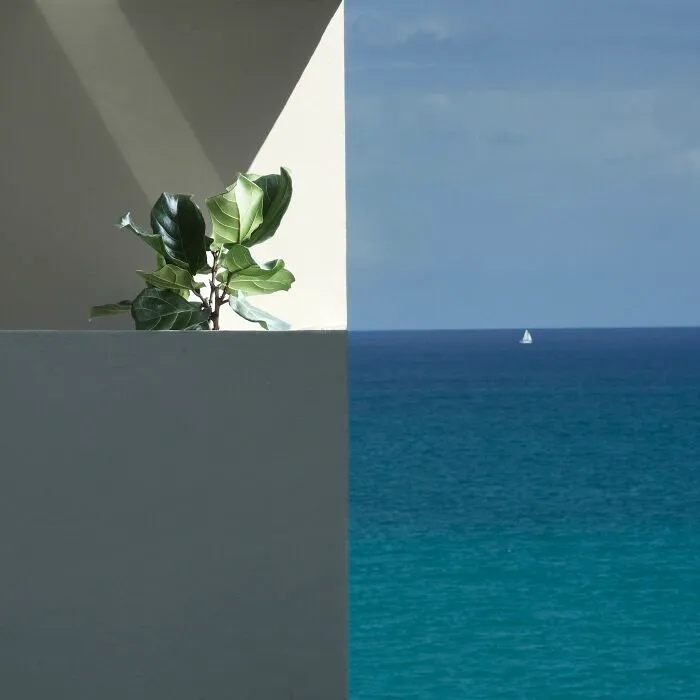
#13 Our Neighbors’ Balcony, And Their Ficus Tree Named Ben, Lined Up Perfectly With The Horizon
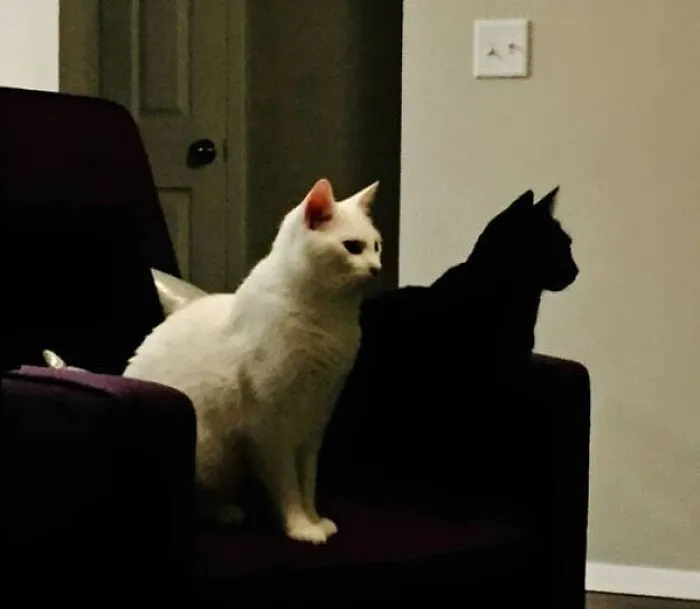

Forced perspective is one of the most reliable generators of a very confusing photo. The trick works by exploiting the brain's assumption that objects follow predictable size rules based on their distance from the viewer. Disrupt that relationship and the whole spatial reading falls apart.
The Leaning Tower of Pisa has been "held up" by tourists for decades. Tiny people stand in giant palms. Someone appears to be casually stepping on a city skyline. The camera has no depth perception of its own, which means it records whatever is in the frame without any of the contextual information the eye would normally use to sort it out.



There is also the phenomenon of not being able to unsee something once your brain has resolved it. Psychologists call this perceptual hysteresis, the tendency for the brain to stick with a perception it has already committed to even when new information is available.
It is why the dress stays one color once you have locked in, and why the confusing photo that finally resolves never quite goes back to being confusing in the same way. The first reading was the interesting one, and your brain has filed the correct version and moved on.
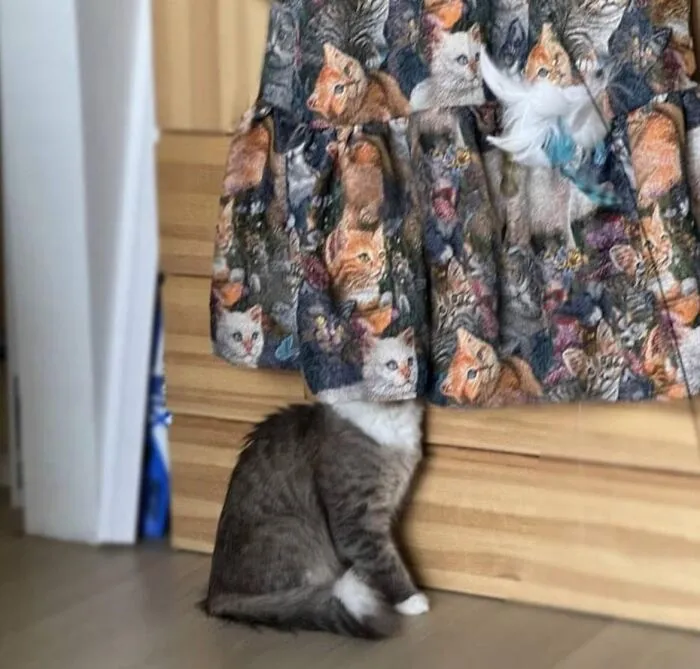
#20 The Result Of A Passing Car While I Was Taking A Panoramic Picture. Quite Unexpectedly, I Scratched My Head When I First Saw It!