

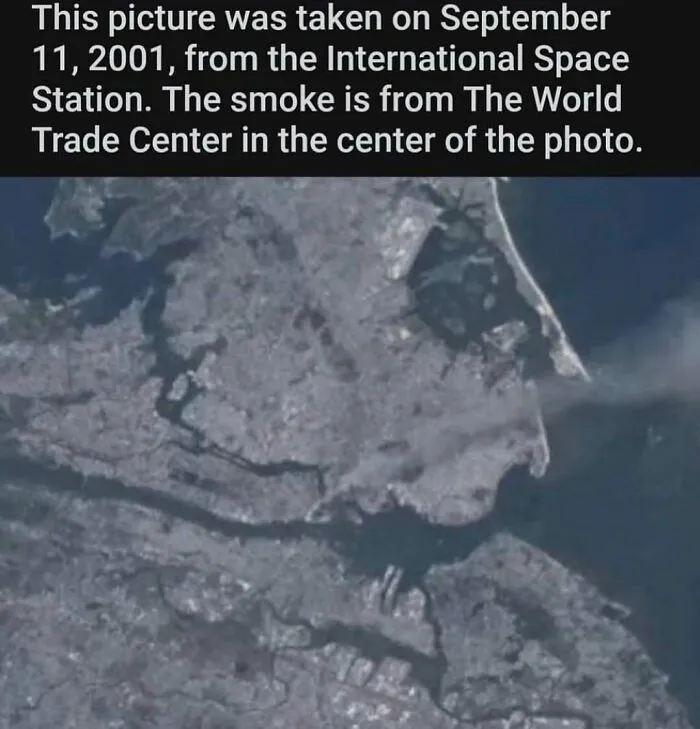
On the one hand, Greg says many conspiracy theories can be disproved with evidence.
"[For example], someone not being in the place they were claimed to be at. However, many others rely on 'facts' that are unprovable - they are purely speculation," he noted. "In those cases, you often can't disprove any of it. Those conspiracy theories are instead more akin to beliefs, and I'm not sure any rational, logical breakdown of them will work to dissuade the believers."
"In fact, even the former - when there is evidence to disprove the theory - won't make a difference if someone really wants to believe in the conspiracy theory," Greg added. "I have quite calmly refuted QAnon-related 'facts' to believers, only for them to completely ignore it (or in some cases, even find a way to make that refutation even more evidence for the conspiracy!)."
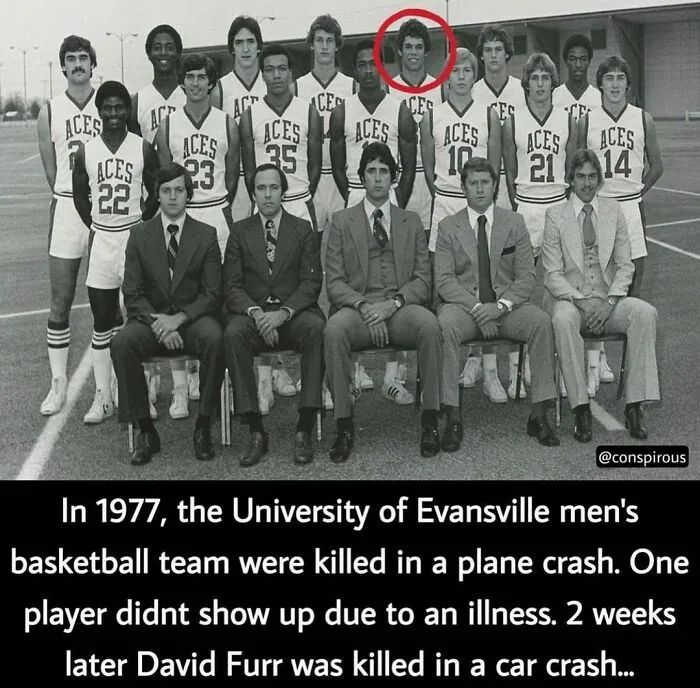


So how can someone research a conspiracy theory if they want more information? "Firstly, and perhaps most importantly, is to approach the research with an eye on your own biases and how they might affect your interpretation of any facts," Greg says. "It is very easy to pattern match things that aren't actually connected if your mind already has an image overlay for the pattern."
"To quote Robert Anton Wilson again, 'Don't buy into your own belief system, or B.S.' It's probably the leading reason for people falling into believing misinformation: wanting a conspiracy theory to be true so that it agrees with what you believe (or at least want to believe)."



"Instead, cross-check facts from multiple sources," Greg continued. "Explore fully and honestly any alternative explanations or theories. Be skeptical of all sources, but obviously give more weight to sources that have a track record of being objective and truthful, over sources that have a history of speculation, misinformation and lies (e.g. a journalist renowned for their investigative work over a random Instagram account)."