


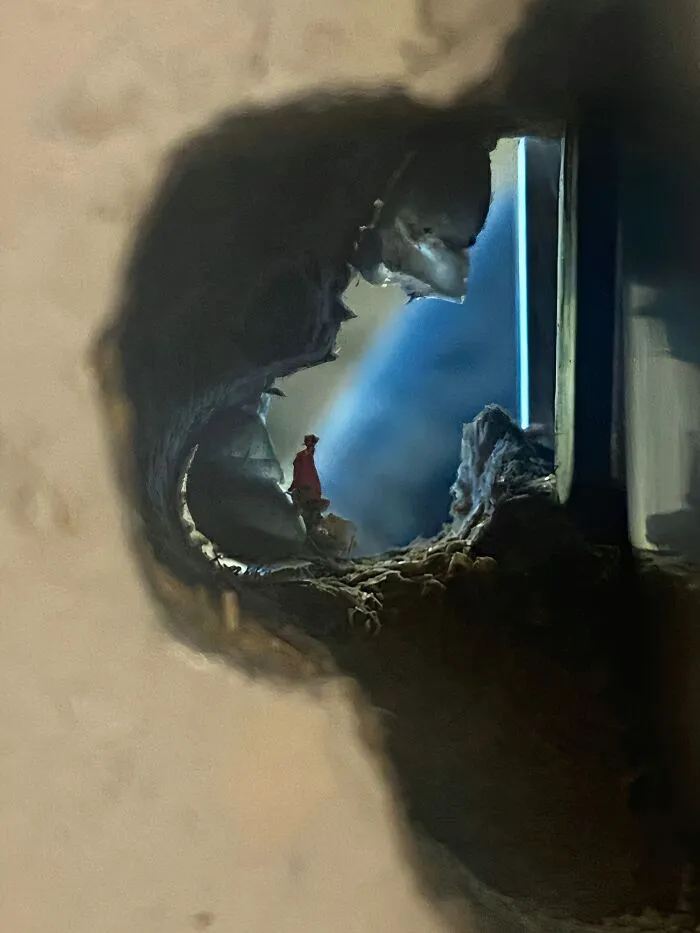
#1 A Hole On A Door At My Work Looks Like Something Out Of A Movie (Not Edited At All)

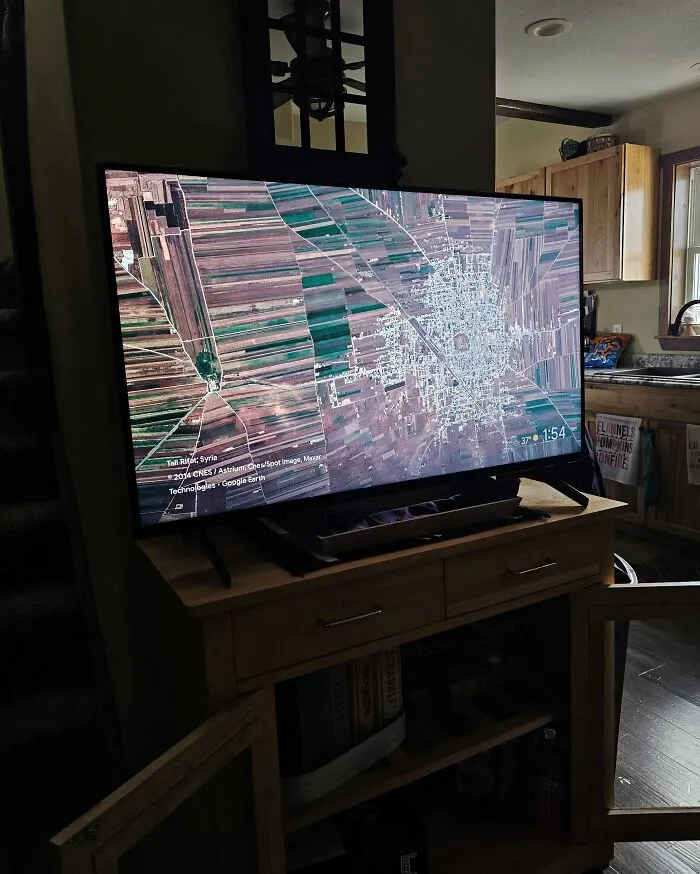
#3 I Thought My 3 Year Old Threw Something At The TV. It Was Just A Picture Of Syria On The Screensaver
Here's what's curious about looking at these images and seeing something else entirely: it's not necessarily a vision issue.
It turns out there's a delay between light hitting your retina and your brain processing that signal. To keep you from constantly living in the past, your brain uses a predictive system called "predictive coding" to guess what the world will look like a tenth of a second from now. And when we look at these images, our brains get it wrong, causing us to see distorted versions of what's actually there.


Because our eyes are such a fascinating part of the body, researchers have spent quite a bit of time studying them. One particular study led by the University of Oslo found an optical illusion that can trick both your brain and your eyes.
It's called the "expanding hole" illusion. When you look at the center of the black circle in the image, your pupils naturally dilate. That's because the illusion tricks your brain into thinking you're entering a dark tunnel, causing your pupils to expand to let in more light. The catch? There's no tunnel at all.
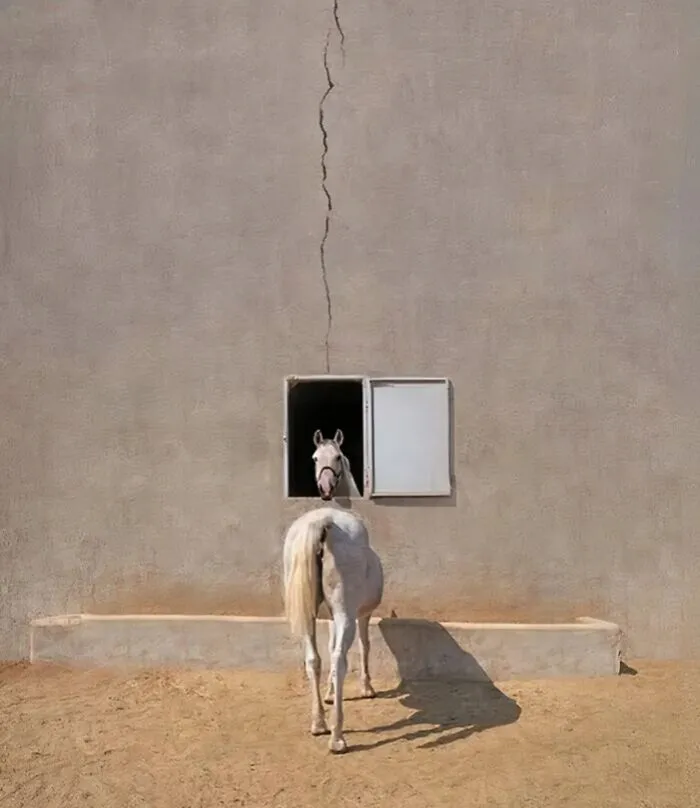

#10 This Baby Polar Bear’s Face Looks Like It Was Photoshopped To It’s Mother’s Side

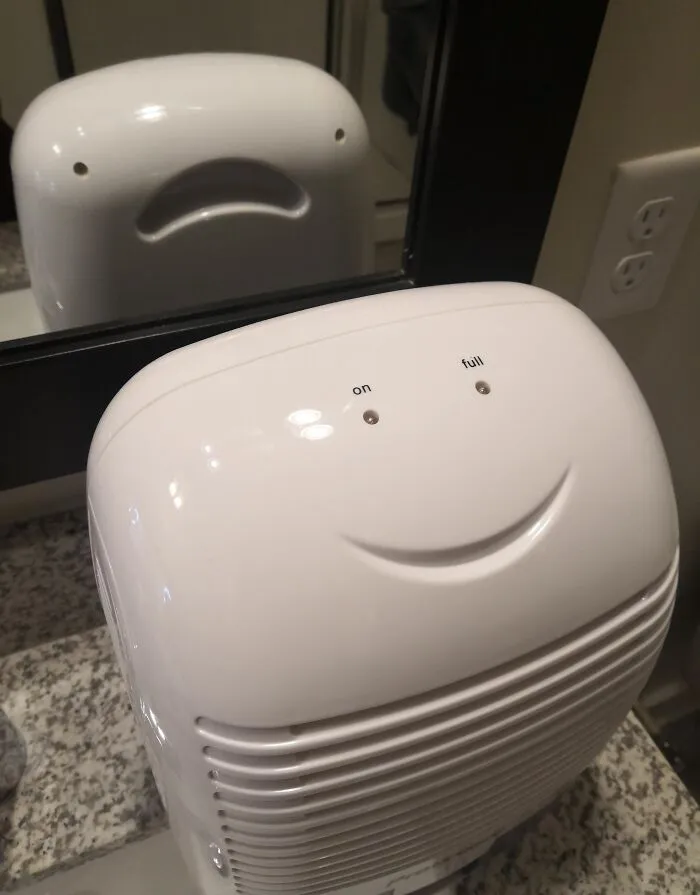
But here's the thing: not everyone sees things the same way. Psychologists say not all human brains interpret optical illusions the same way. For example, Westerners are apparently susceptible to the Müller-Lyer illusion, where two lines of equal length appear different because of the arrows pointing inward or outward at their ends.
However, one study found that members of some Indigenous groups were far less likely to fall for it. The reason? People who grow up in Western urban societies are surrounded by right angles and architectural corners, which may condition their brains to interpret certain angles as depth cues. Those raised in more open, natural environments, by contrast, may not develop the same subconscious bias.

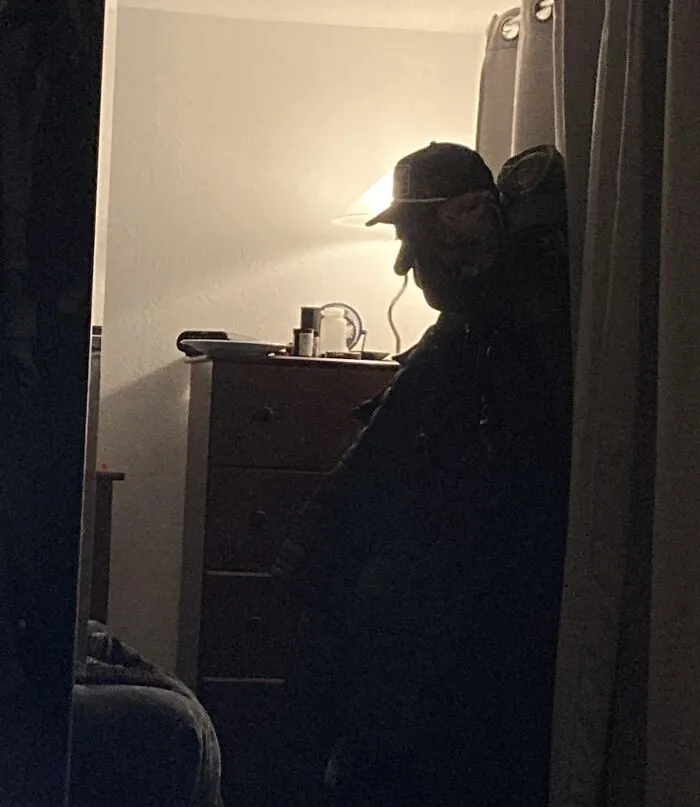


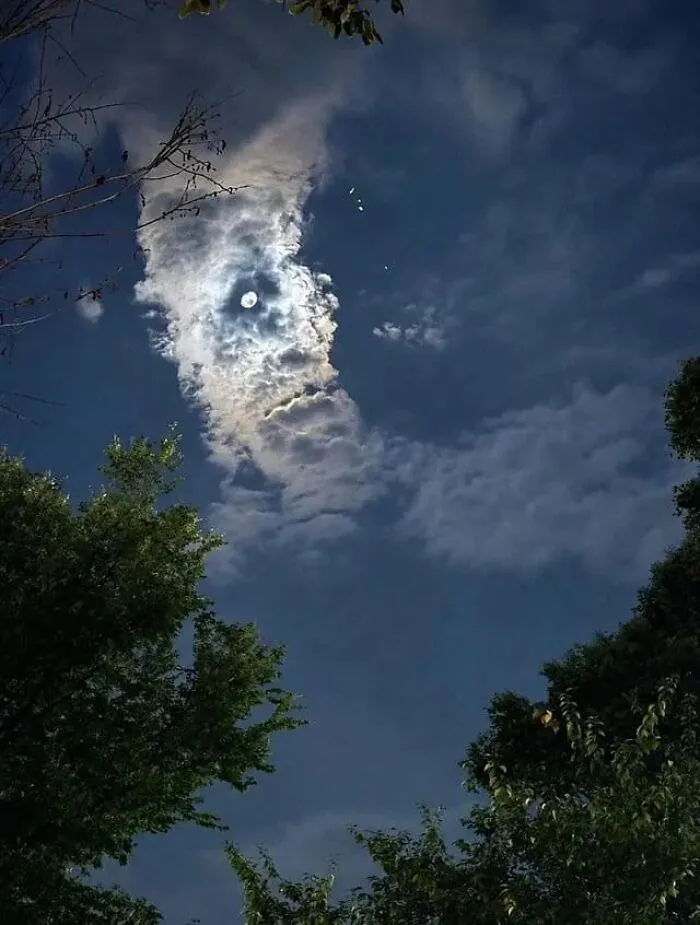

Optical illusions aren't just fun and games, though. Some atmospheric scientists and historians have theorized that an optical illusion called "Fata Morgana," a mirage caused by a temperature inversion, may have played a role in the Titanic disaster.
The mirage could have created a false horizon by blurring the boundary between the sea and the sky. This may explain why the lookouts failed to spot the iceberg until it was too late. Of course, it was also extremely dark that night, which could have made the iceberg even harder to see.