

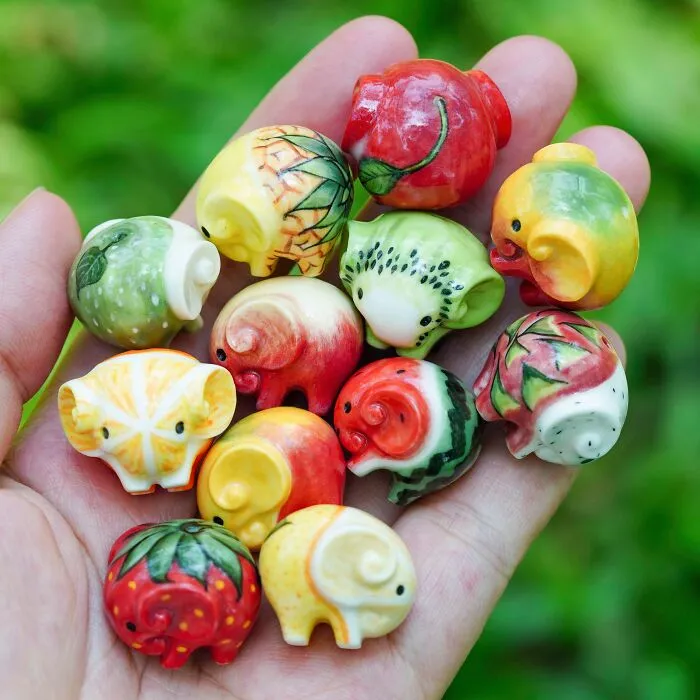
#1 A Handful Of Super Tiny Ceramic Fruit Elephants That I Have Been Working On Recently
#2 After 7 Months Of Work, I Was Satisfied. This Is My Pencil Work Of Sistine Chapel

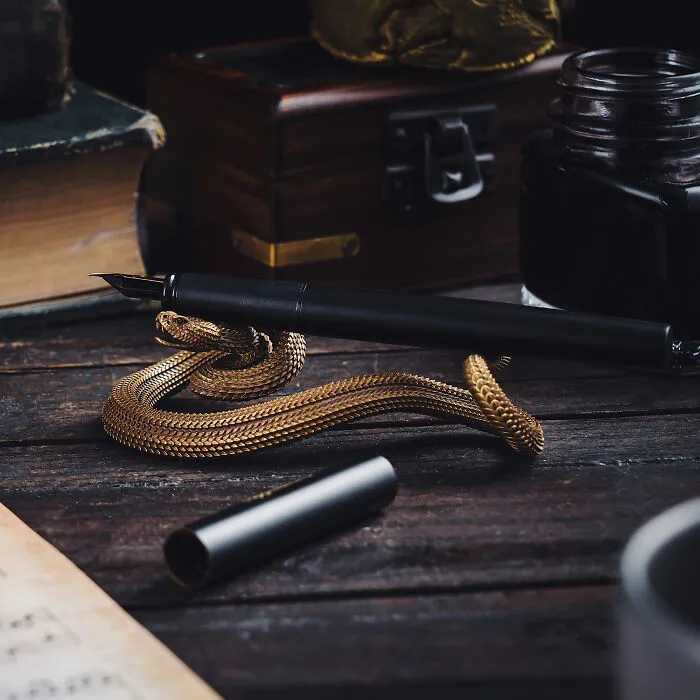
#3 I Made A Rattlesnake Pen Holder In Brass And Tried To Carve Over 3000 Scales On Its Body, Would You Be Satisfied With This Work?
In an age where we can choose from a vast array of entertainment, we always always want everything that’s the best: the best show, the best movie, the best book — after all, what’s the point of wasting your time with something average when there are so many things to see and do in the world?
However, research shows that taking small wins can sometimes be more beneficial for us in the long-term. A 2007 study by researchers at Harvard showed that people who make a little progress at work feel most motivated. They found that making progress every day is more satisfying than, say, finishing a big project, meaning that small, incremental bits of joy can be more valuable than a burst of happiness all at once.
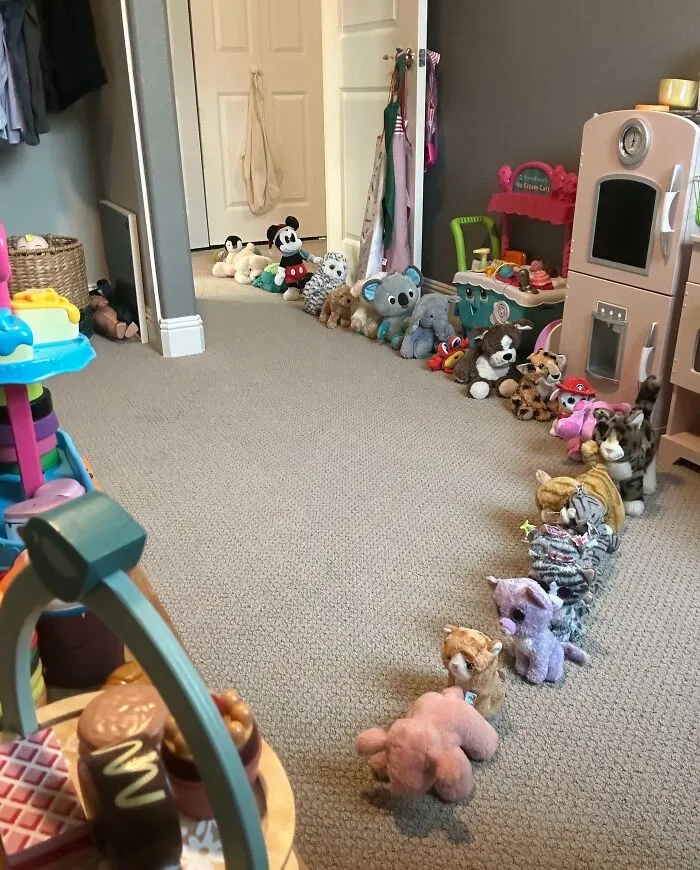
#4 My 3 Year Old Opened Her Cafe This Morning. This Is Line At Grand Opening

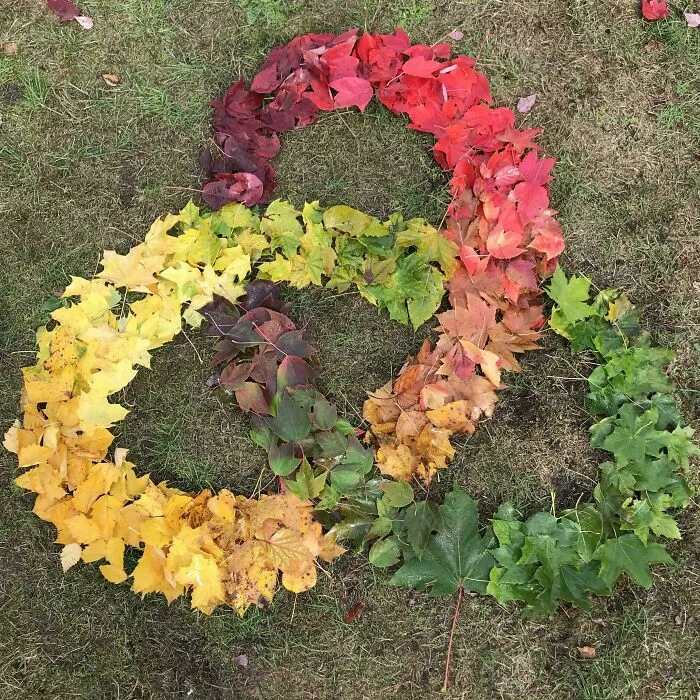
Noticing the little things in life can be an art, especially when we’re bombarded and overstimulated on a daily basis. However, enjoying simple pleasures can help us reach our goals faster, according to research from the University of Melbourne. For their 2016 study, the researchers asked 122 students to document the little annoyances and pleasures they experience throughout the day.
They found that despite nuisances like work, university coursework, commuting, or socialization, students kept their spirits up as long as they had good experiences to fall back on. As long as they had some little pleasures under their belts, it acted as a buffer for getting irritated at the annoyances. “A simple pleasure seems to restore people’s psychological reserves to do well,” Nicole Mead, co-author of the study and associate professor at the University of Melbourne, explained.

#8 After Two Months, My Last Supper Drawing Is Done, I Tried To Bring A Metallic Aspect Using The Graphite Tonality And I Got Mildly Satisfied With

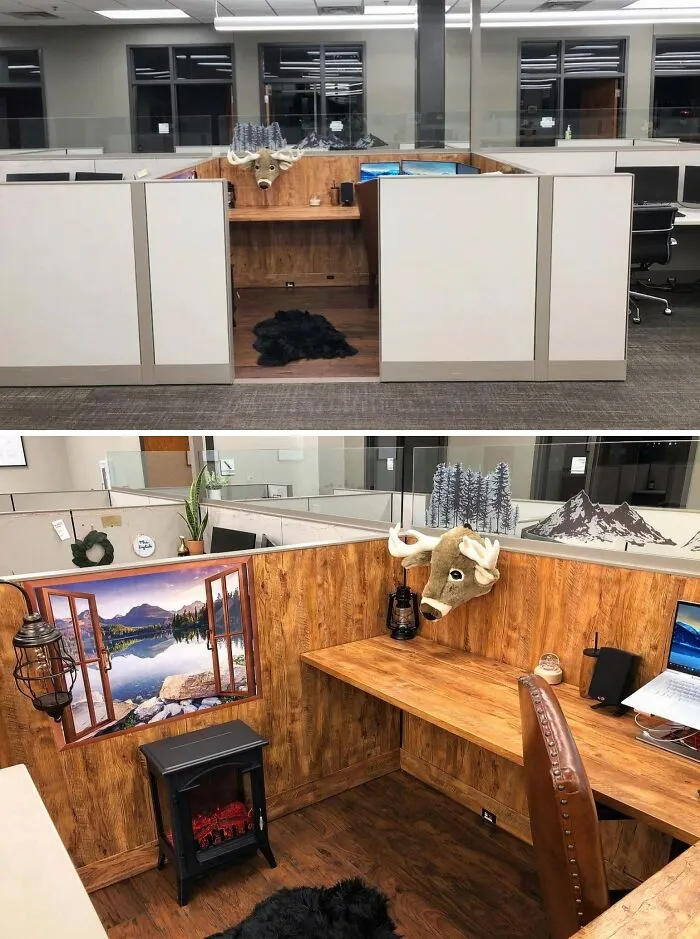
Big things actually don’t bring us that much joy. According to a neuroscience and psychology researcher at UC Berkeley, Dr. Emiliana Simon-Thomas, things like going on a luxury trip or buying a new house have a short-lasting effect on our overall happiness.
“If you go on a big holiday or spend money on goods like a new pair of trainers, the pleasure you get from that dissipates pretty quickly,” she told The BBC. “It tends to just make people jealous of you, rather than forging proper social bonds. What’s interesting about the small joy stuff is that it does the opposite.”
"It’s not about spending a lot of money, it’s about little things which are pretty good for you, like gratitude, staying mindful in the moment, and so on.”
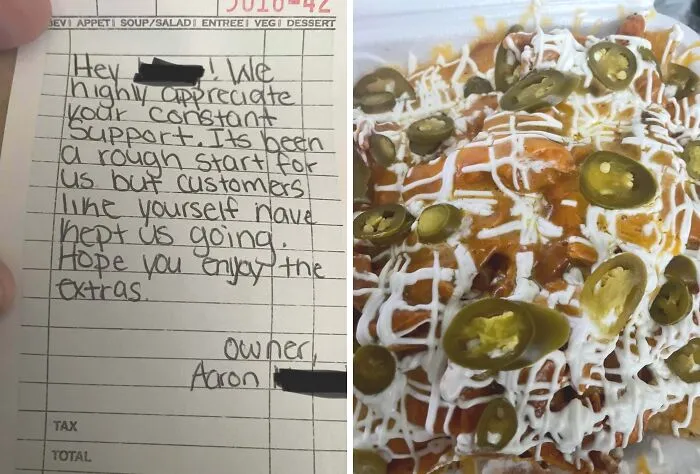
#10 I Ordered Nachos. Thought I Got The Wrong Order But The Owners Were Just Nice Humans

So, how many little pleasures do we need each day to offset the bad ones? Well, that depends on who you ask. Psychologists have proposed several theories over the years. Barbara Fredrickson, for example, claims that a three-to-one ratio is the middle ground. Relationship researcher Dr. John Gottman believed that you need five positive interactions to offset every negative one for a happy relationship.

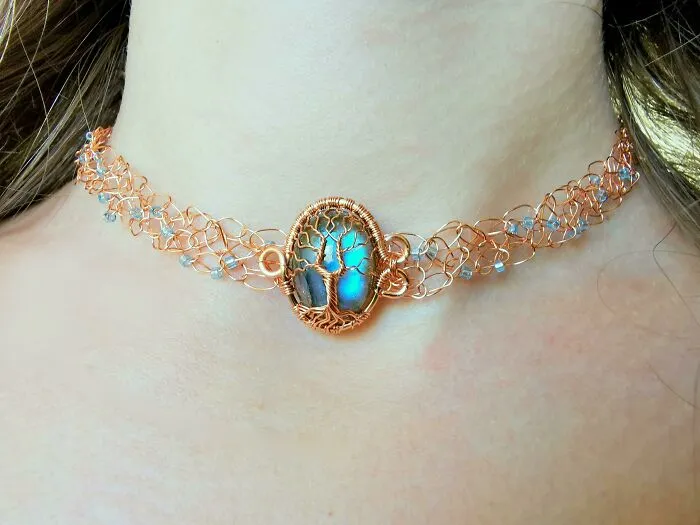
#15 I Crocheted With Copper Wire To Make This Necklace. It Took Me About Two Hours
However, everyone is different, and it’s almost impossible to measure how we experience happiness and annoyance and apply them universally. For some people, a small joy is a cup of coffee in the morning. Others need to listen to music, be moved by art, or watch a sports game. Our past experiences and traumas also play a role: people with self-esteem issues often have a harder time feeling positive emotions. For some, it takes a longer time to appreciate the small joy, and some can retain it for longer than others (psychologists call that “savoring.”)

So, there’s no magic number really, and sometimes we might have to train our brains to learn to appreciate small pleasures, like a delicious meal or a conversation with an old friend. We might need to take slower sips of that morning coffee, and not rush through the conversation when we’re catching up with a classmate we haven’t seen in 10 years. “We can’t live our lives in a perpetual state of savouring, but I think most people rush through positive experiences to a degree that is again harmful or detrimental to their mental wellbeing,” Simon-Thomas adds.
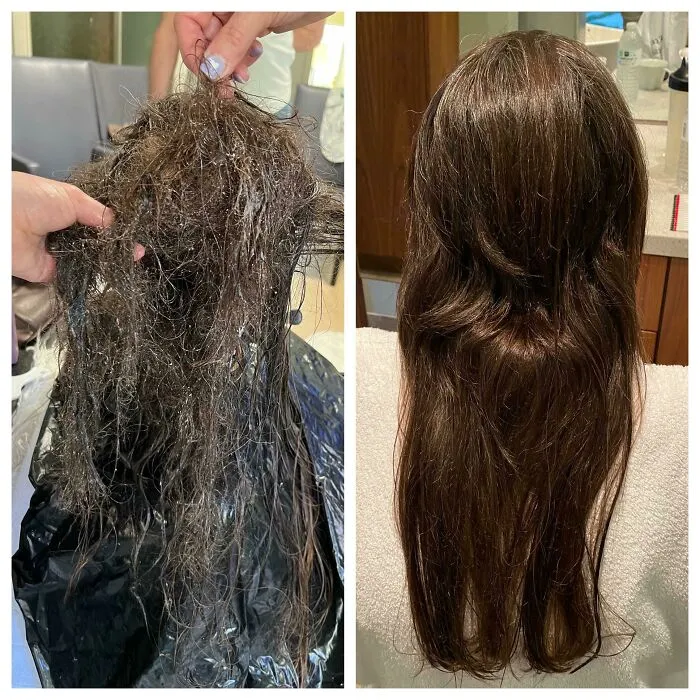
#19 After 4 Hours Of Detangling By 4 People As Well As A Much-Needed Improv Haircut, My Aunt Is Finally Free Of Her Severe Matting After Weeks In The Hospital