

In-law drama sometimes feels like the cliche fall-back plan of struggling sitcoms. After all, real people can’t be that petty or unhinged about their kid’s partners. But every once in a while, a story comes around that serves as a reminder to count your lucky stars if you actually have good in-laws.
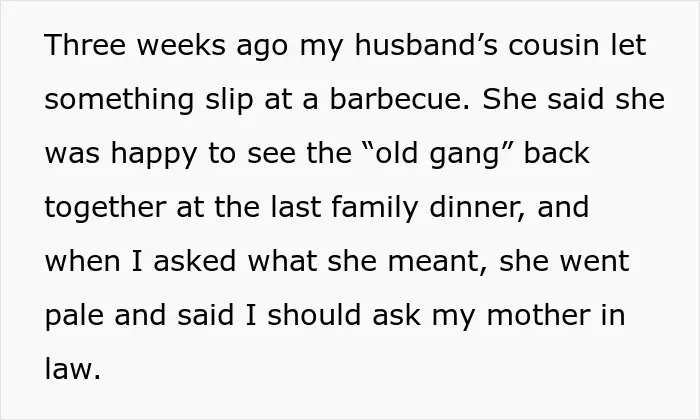
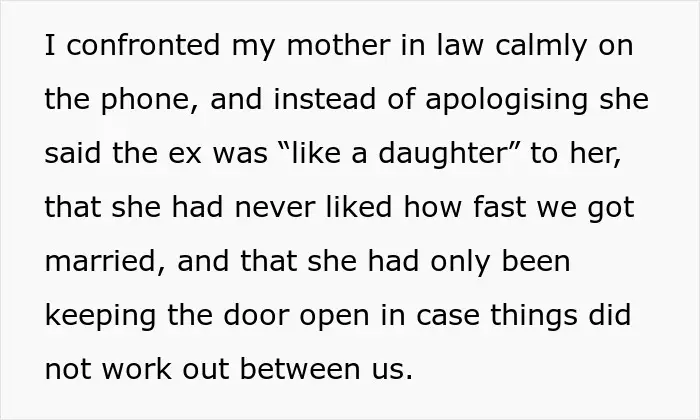
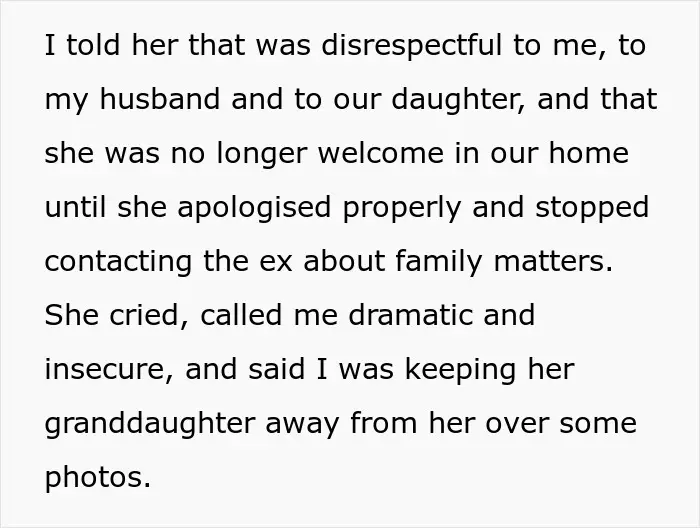
A woman started to piece together that her mother-in-law might have an agenda when she discovered, by accident, that she was still inviting her son’s ex to family functions. When the woman decided that her MIL was no longer welcome at her home, all hell broke loose.
At your in-laws place is probably the last place someone would expect to see their partner’s ex

But that’s exactly what happened to one woman





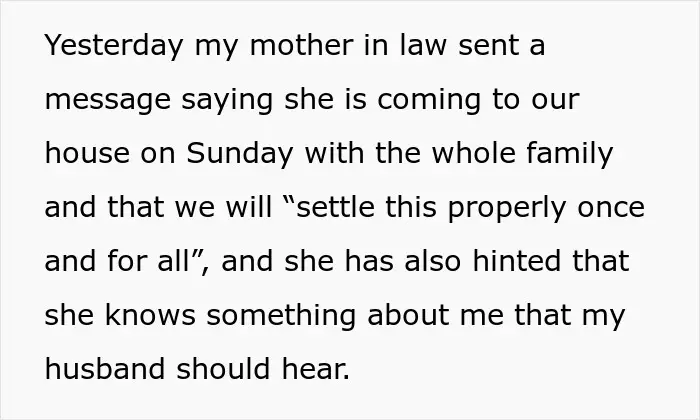


It’s hard to see an invitation as innocent
Few things light up a comment section like a guest list. Inviting someone to a family dinner sounds harmless until that someone is the ex of a person sitting at the table, and the host is the one who was supposed to have everyone's back. Plenty of readers felt the woman had every right to be upset. Plenty more thought banning her mother in law outright was a big leap, and the mother in law's outrage only turned up the volume. Both reactions deserve a closer look, because this situation is far more common than it seems.
Start with the numbers. Cambridge psychologist Terri Apter has found that about three out of four couples deal with significant conflict involving in-laws, and she singles out the mother in law and daughter in law pairing as the trickiest of all. So if this story felt familiar, you are in very large company.
Now to the invitations themselves. A guest tells everyone who belongs, who is welcome and whose feelings were taken into account. A mother in law may sincerely believe she is being inclusive or keeping an old friendship alive, but good intentions do not cancel out the effect. The real sting here is that the couple never got a say. Clinical psychologist Aura De Los Santos explains that boundaries are simply how we let others know how they should treat us and how far they can go. When someone quietly makes that call for you, the message received is that your comfort was not part of the plan.
Then comes the ban, which commenters called either empowering or extreme. A useful distinction comes from psychologist Tracy Dalgleish, author of You, Your Husband and His Mother. She suggests that many people believe they are setting boundaries when they are really making requests. A request depends on the other person agreeing. A boundary is about what you will do when a line gets crossed. By that definition, a ban is a boundary in its purest form, though it usually lands best as a later step rather than a first one, ideally after a plain conversation where the rule was spelled out. Whether that conversation happened is something each reader can weigh for themselves.
Entitled people often insist they are the victim
As for the outrage, a mother in law who feels shut out will often react with anger before she reacts with reflection. That response is common and it is not proof the boundary was unfair. A fair boundary can still land badly. Dalgleish has also talked about why even confident, high performing women struggle to hold this line with a husband's mother, and the same piece shares a handy approach, which is to pair the boundary with reassurance. Tell the family how much they matter, then explain what will work best for the couple going forward. That framing does not water the boundary down. It simply gives the other person something to hold onto besides the sting.
The husband's role matters too. Psychologist Dr. Dara Bushman, speaking with Romper, described presenting a united front as the biggest step in setting boundaries with in laws, since a couple works as a team. A boundary delivered by one spouse can look like a personal feud, while one delivered by both reads as a family policy. When the person on the guest list is his ex and the person doing the inviting is his mother, hearing it from him can carry extra weight.
If you are wondering what a middle path might look like, a few options come to mind. A specific rule, such as checking the guest list with the couple first, targets the actual problem without closing the door on the whole relationship. A trial period with a clear way back can give everyone room to cool off. And a calm follow up conversation, once tempers settle, often does more than another round of group chat arguments.
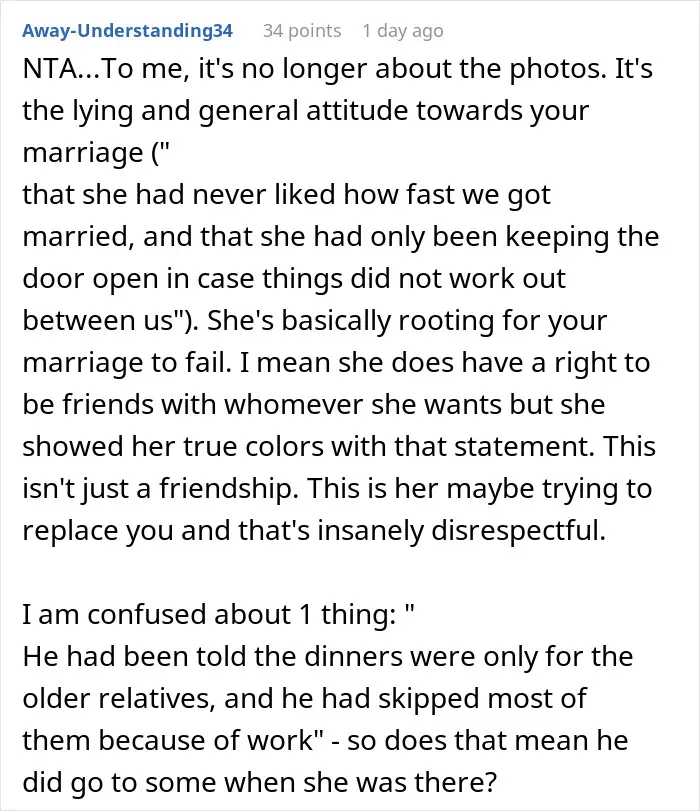
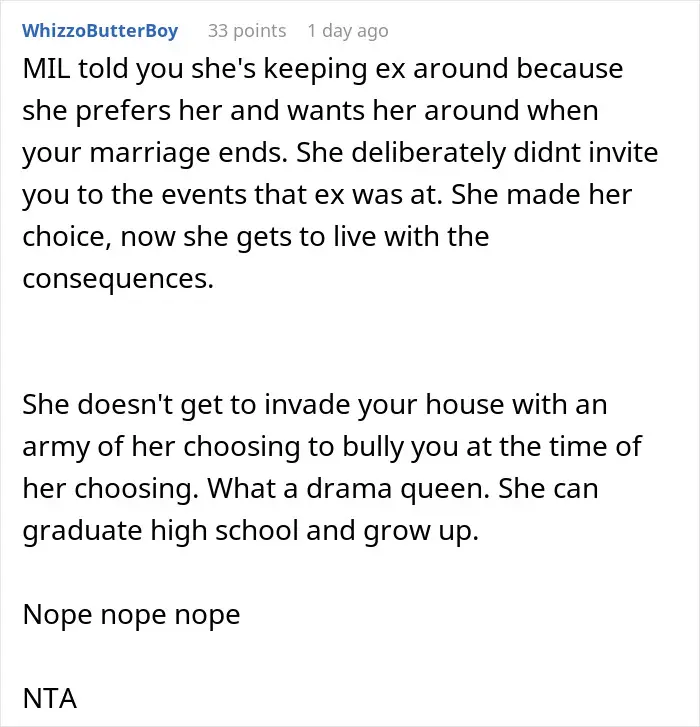
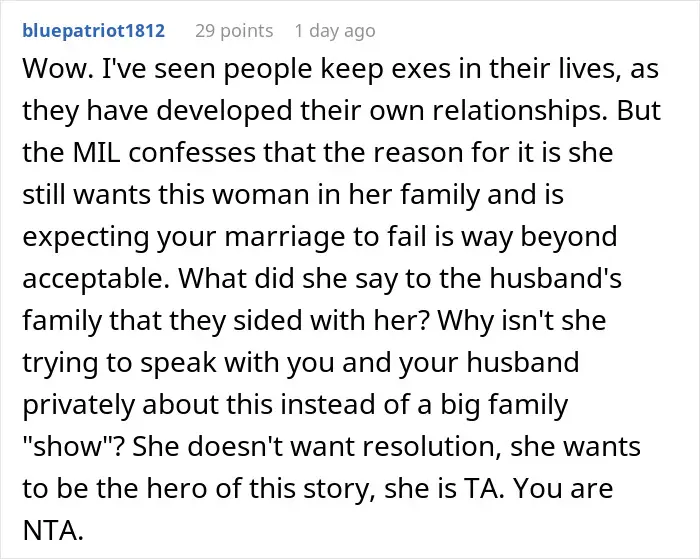
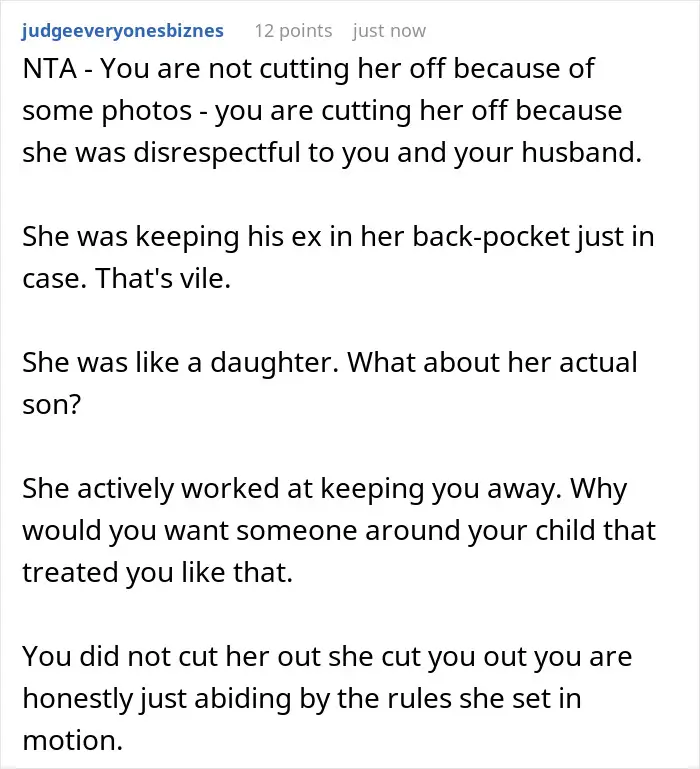
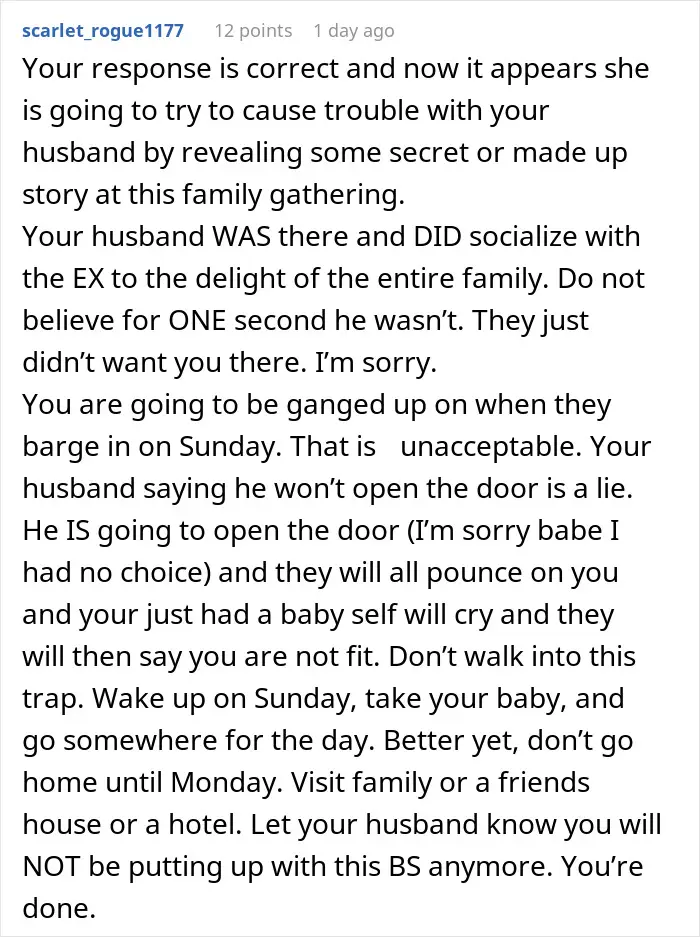
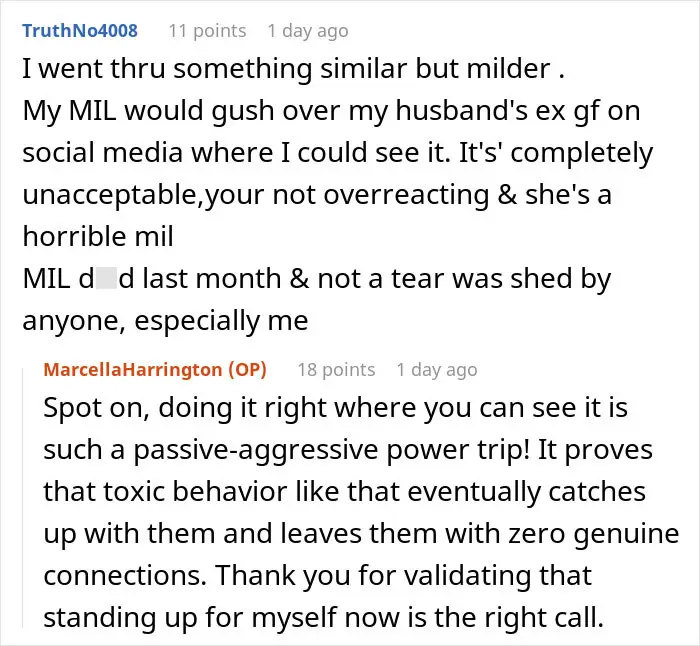
Most thought sided with the wife and she answered some comments
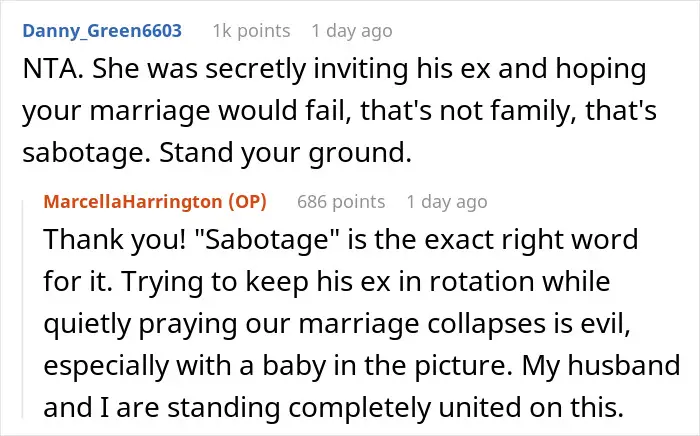
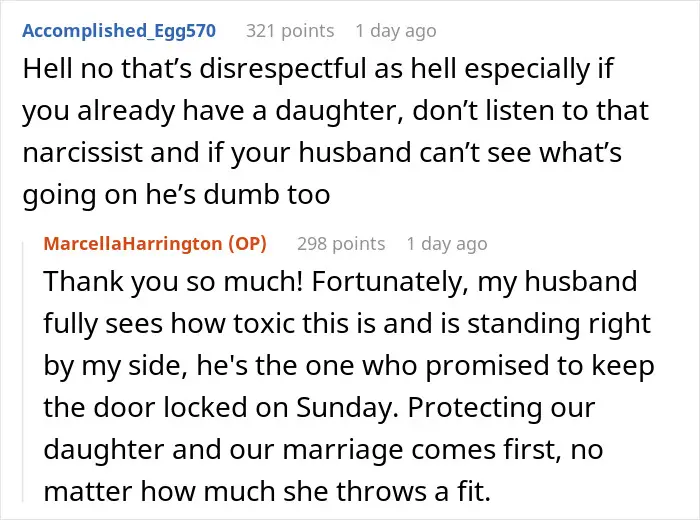

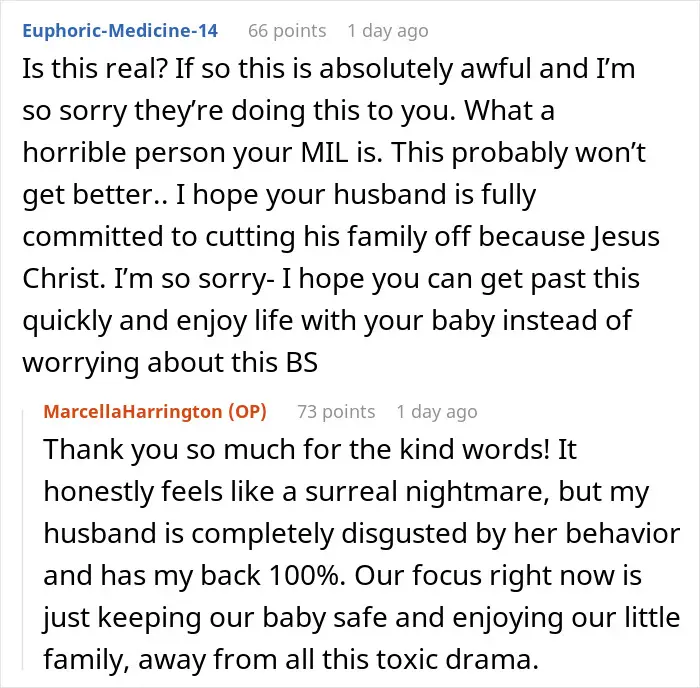
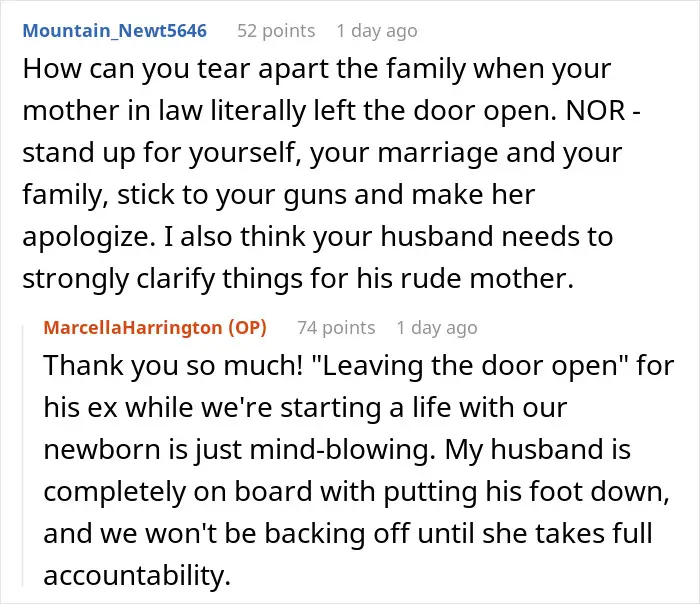
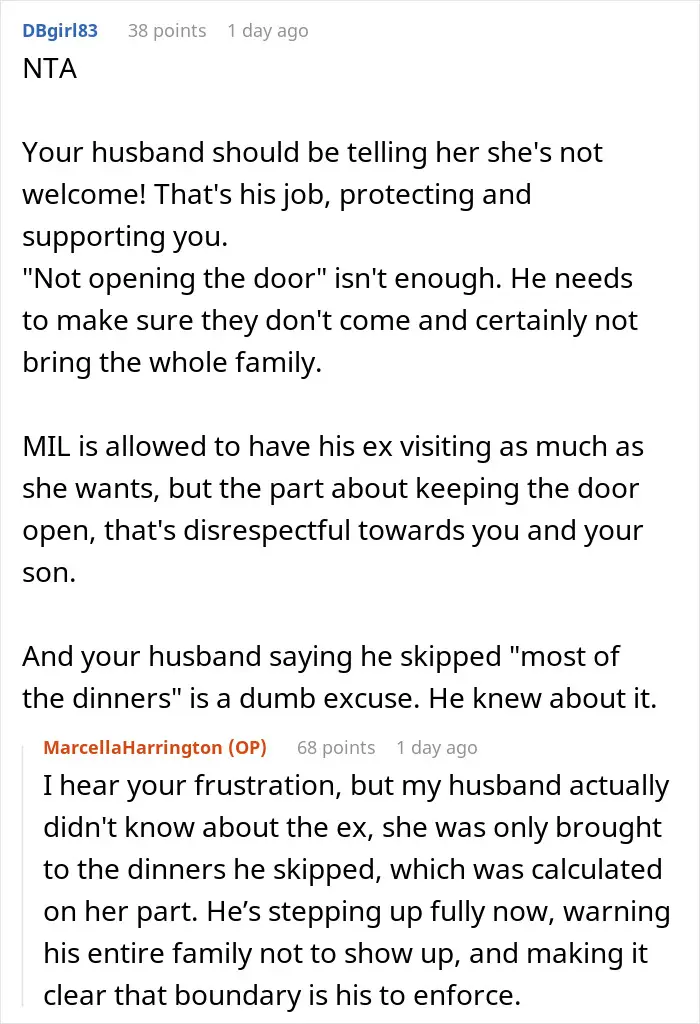
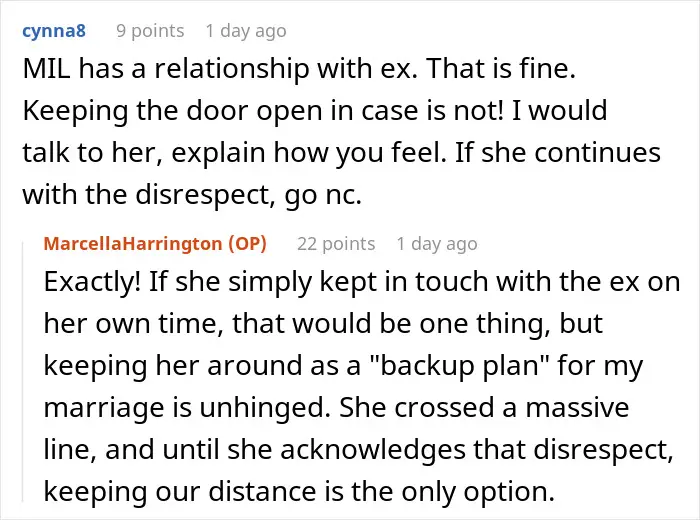

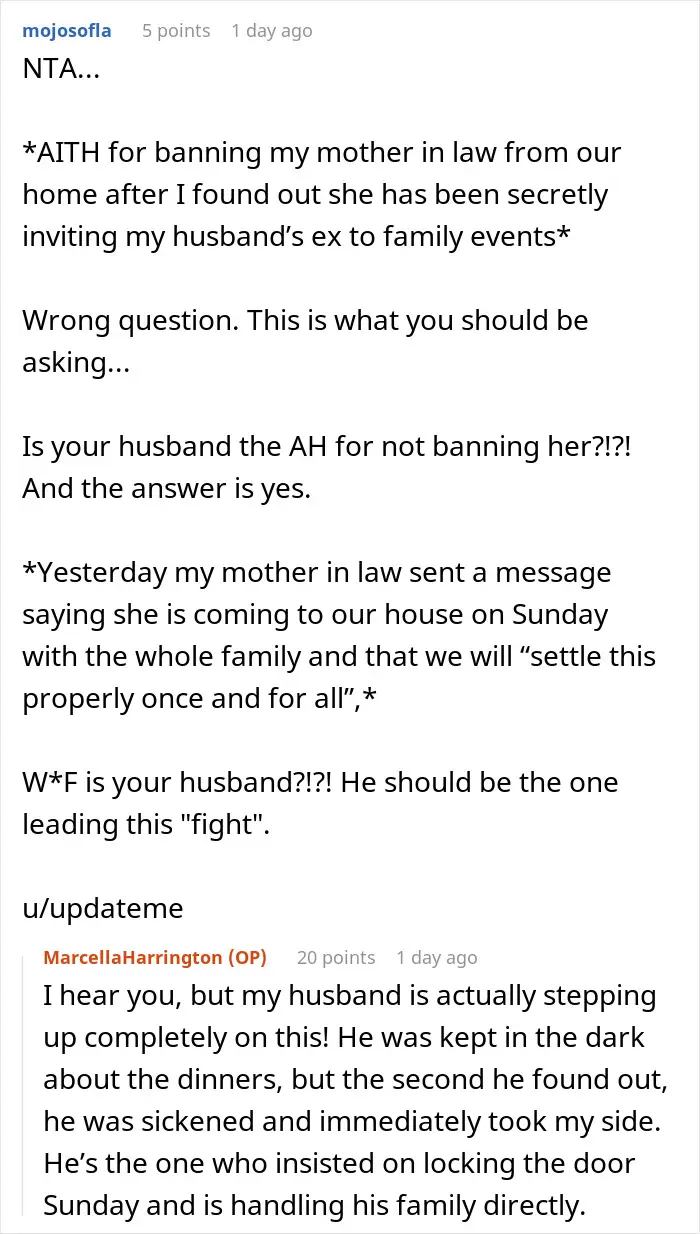
Commenters thought the MIL's actions were shady








Others shared similar stories
A handful thought she was overreacting