

One of the most important lessons any parent can teach their child is to genuinely be proud of who they are. It’s a slippery slope if your munchkin constantly worries about whether they look okay and what others will think. That’s the road toward serious mental health and body image issues. But what do you do when a member of your own family pushes your kid down that path?
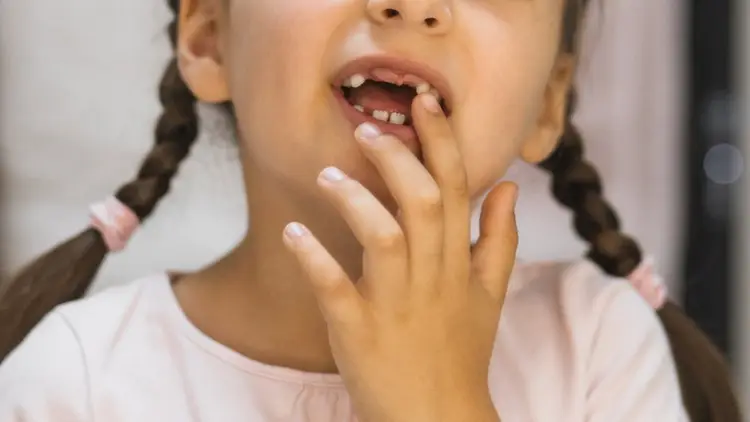
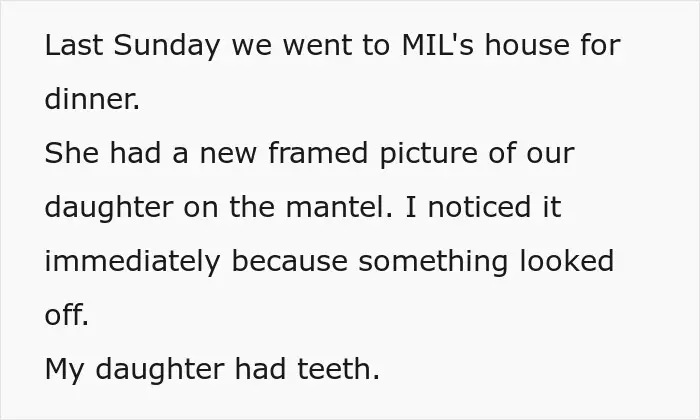
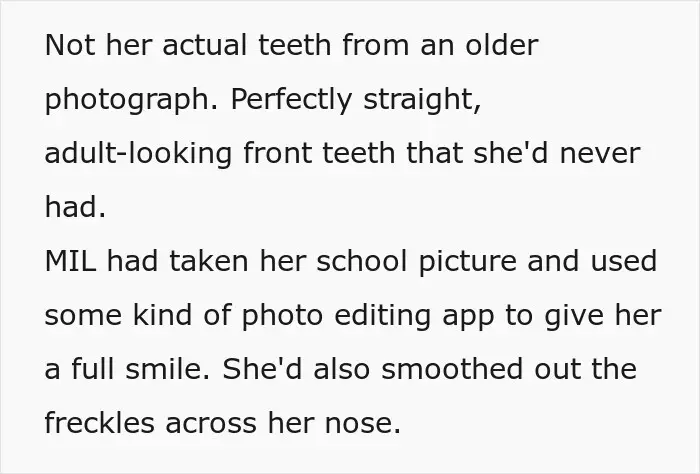
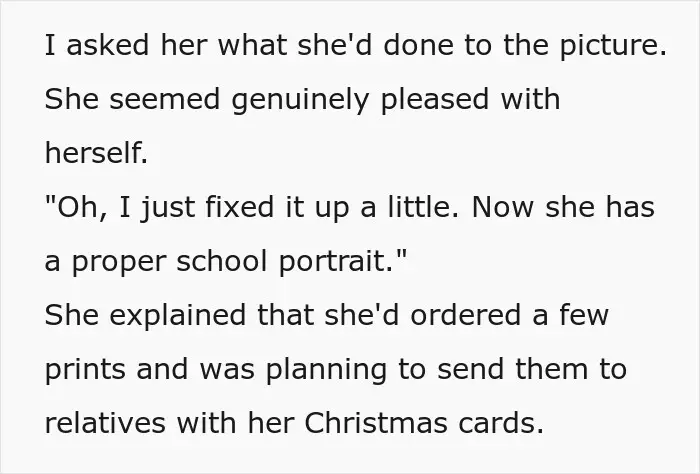
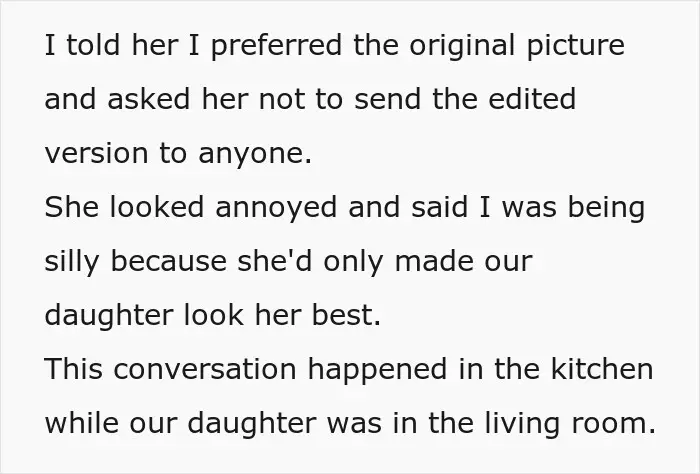
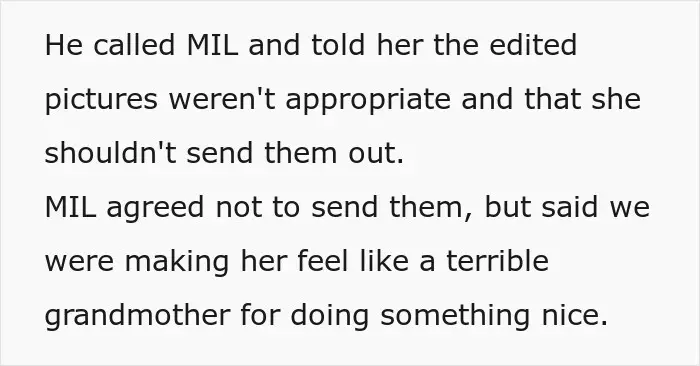
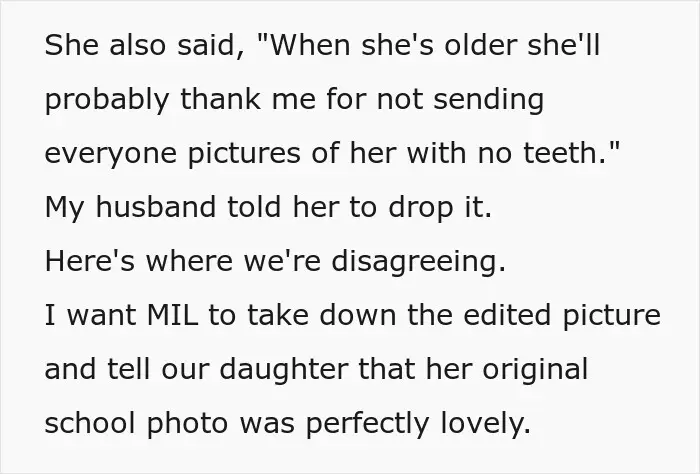
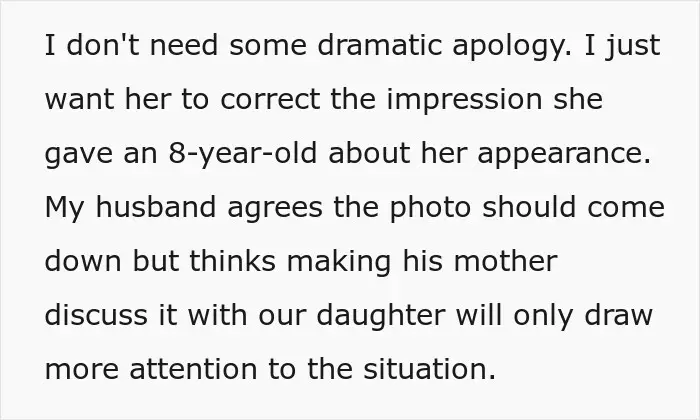
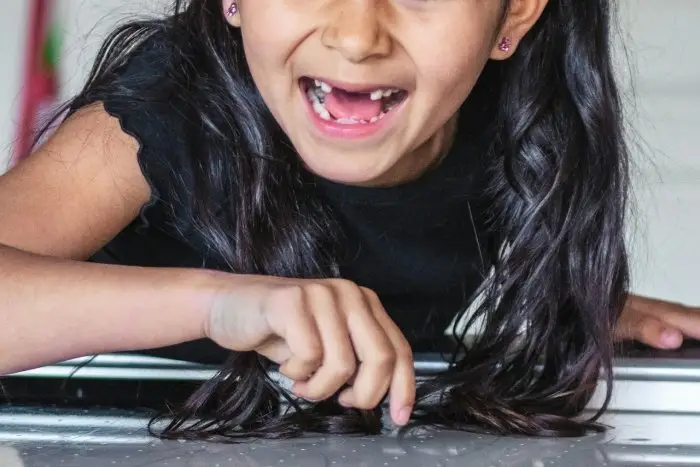
A furious mother went viral online after sharing how her mother-in-law crossed all boundaries. The grandmother took her granddaughter’s school photo, where she was her authentic and happy gap-toothed self, and photo-edited it to give her a “perfect” smile. Not only did this spark huge backlash, but now the girl has become self-conscious about her smile.
Grown-ups should know better than to criticize children's appearance
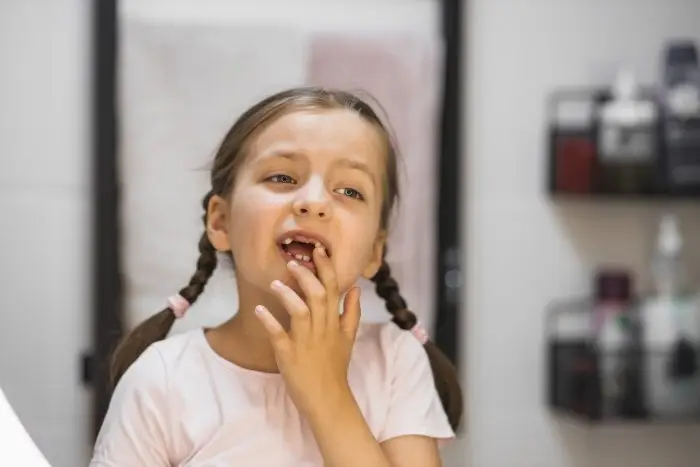
One grandmother sparked family drama after photo-editing her granddaughter's school picture
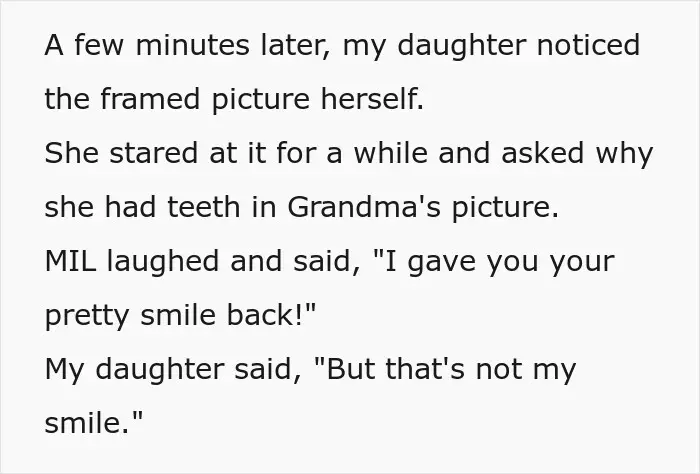
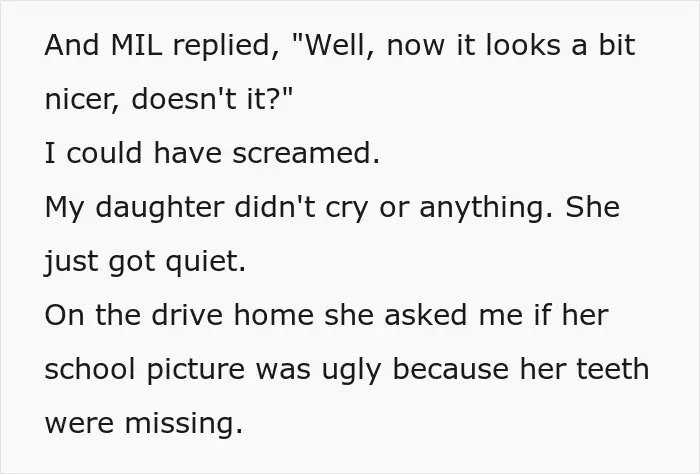
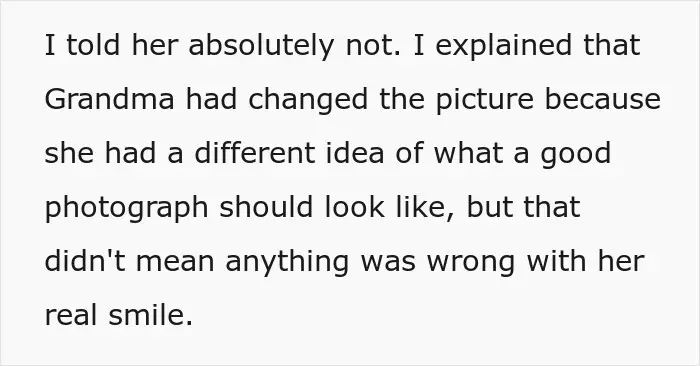
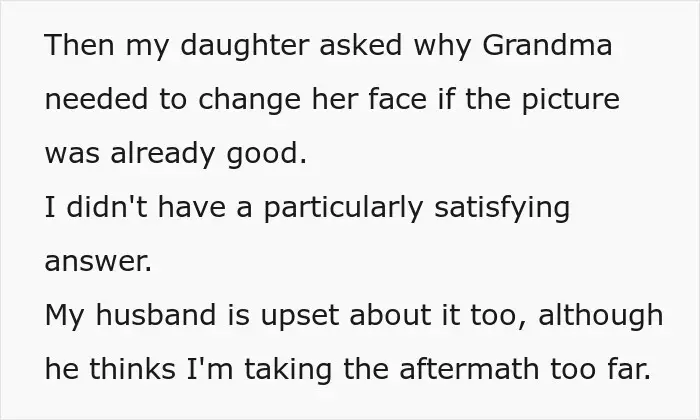
Nasty comments and criticism about appearance have a huge impact on kids and how they perceive themselves
These comments about appearance and behavior tend to stick with children during their development. Especially when they come from authority figures, loved ones, and people they trust.
One (un)intentionally mean grown-up can do a lot of damage to a kid’s self-esteem, confidence, and mental health. Kids should be allowed to be goofy, fun, and thoroughly authentic, instead of having to worry about looking “perfect” in photos, how society perceives their looks, and whether or not they should digitally alter their appearance. Responsible adults should not worsen children’s fears and anxieties. Meanwhile, social media amplifies these issues.
According to the international non-profit organization Children and Screens: Institute of Digital Media and Child Development, body image concerns are very common among young people today. Up to a whopping 90% of young people have reported dissatisfaction with their physical appearance.
Social media is not the only factor contributing to these problems, but it plays a harmful role through negative self-comparison. How you perceive yourself and what your relationship with your appearance is like drastically affects your overall mental well-being.
Elizabeth A. Daniels, PhD, Professor and Director of the Centre for Appearance Research at the University of the West of England, notes that positive body image is important for overall well-being.
In the meantime, body appreciation—a part of positive body image—leads to less dieting, fewer harmful habits (smoking, alcohol consumption, etc.), and greater intuitive eating. Furthermore, body appreciation leads to higher body esteem, positive affect, lower internalization of appearance ideals, and less body surveillance
Protecting your kids from body image-related issues is a huge challenge. Here's what adults can do
Meanwhile, Jennifer Mills, PhD, CPsych, Professor in the Department of Psychology at York University, emphasizes that girls’ risk of anxiety, depression, and eating disorders rises when they hit puberty.
Teenagers start questioning how they fit in with others and how to look beautiful, making them particularly vulnerable to the effects of social media.
Here is what parents can do to support positive body image in young people:
- Model a positive relationship to your own body
- Understand the power of adult comments to children
- Avoid focusing compliments on appearance
- Focus comments about children’s bodies on functionality instead
- Help identify what kids like about their bodies
- Talk about how body ideals are unattainable
- Gently reframe when kids are dissatisfied with their bodies
- Provide training and support before allowing social media access
- Keep in mind that knowing that online content is edited won’t erase body image impacts
- Restrict preadolescent kids from consuming social media content related to appearance
- Teach your child to recognize how content makes them feel
- Discuss social media content with your child
- Do not use beauty filters to improve how images look
- Encourage your kids to look for content that celebrates realistic and diverse bodies
- Help your children recognize what advertising looks like
- Encourage social media breaks
- Look out for AI chatbots amplifying body image concerns
- Engage in healthy body activities together
According to Mills, grown-ups need to understand that the comments they make around kids really do matter.
“Unfortunately, a lot of individuals with eating disorders can remember an instance of a teacher saying something insensitive or a coach saying something really negative about their body. All adults in a child’s world need to be really mindful that their words can be remembered for a long time and negative comments – or even comments that are seen to be taken as negative by the child – can really have a lasting impact.”
We want to hear your perspectives in the comments, Pandas. How would you have reacted to a relative photo-editing your kid’s school photo to change how they look? How do you help your children be proud of who they are? How do you talk about body image questions? Share your insights and advice with everyone.
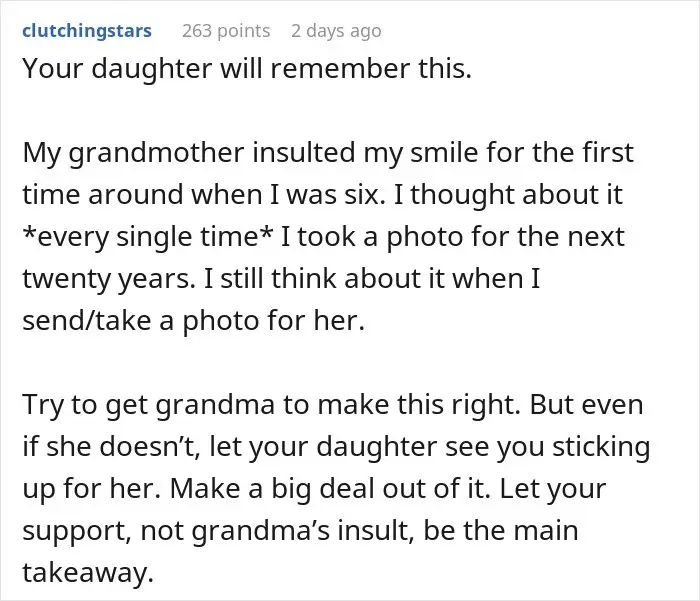
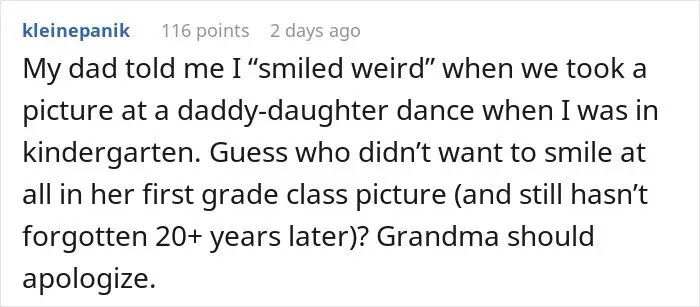
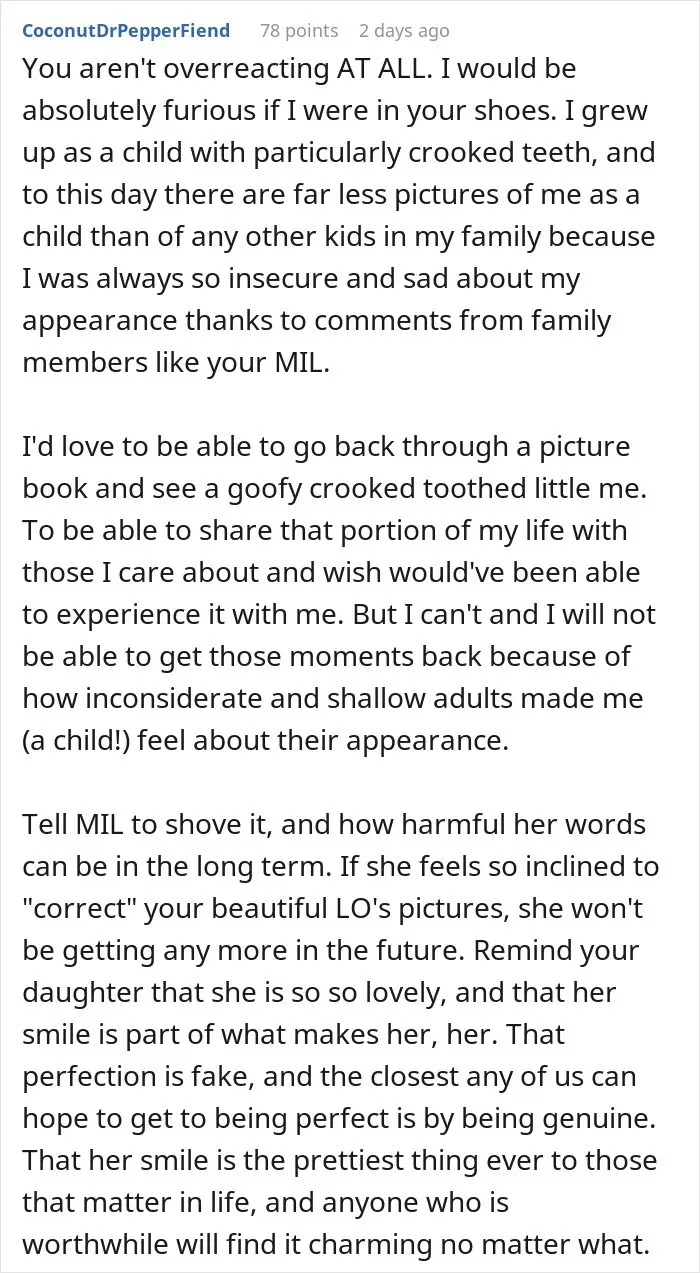
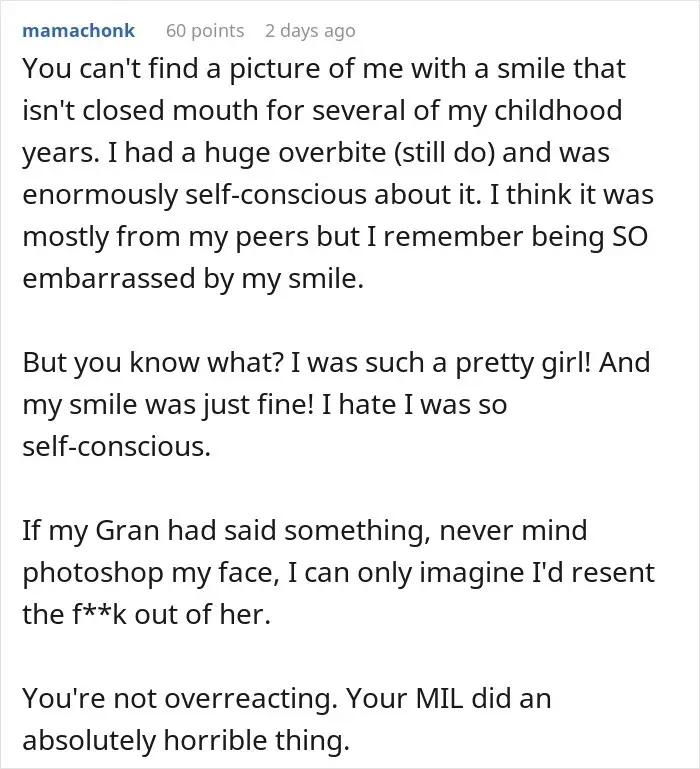
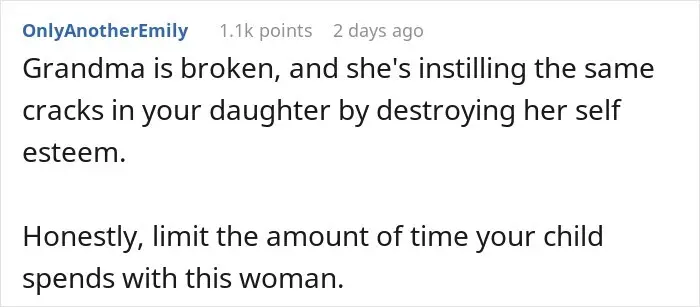
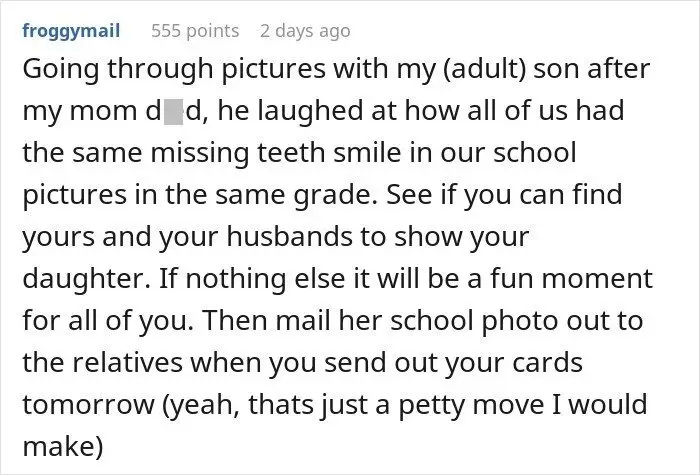
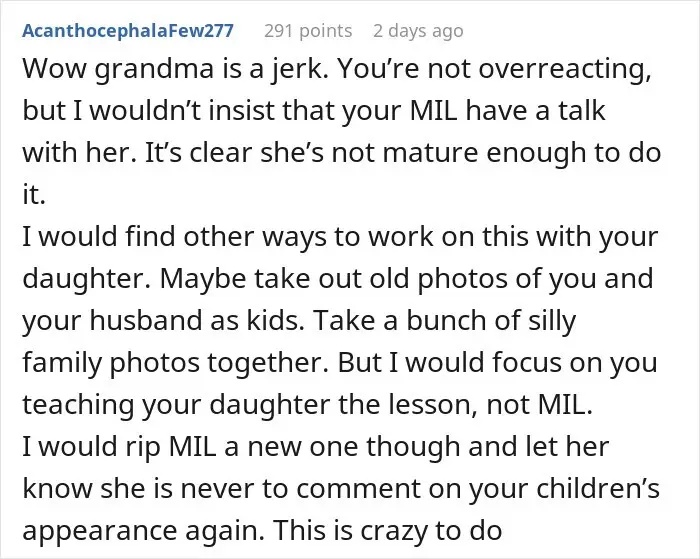
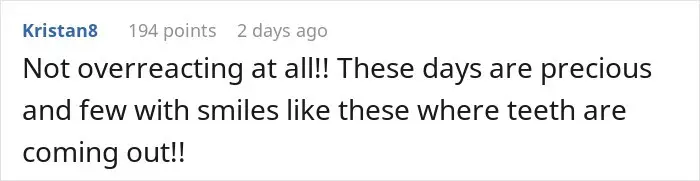
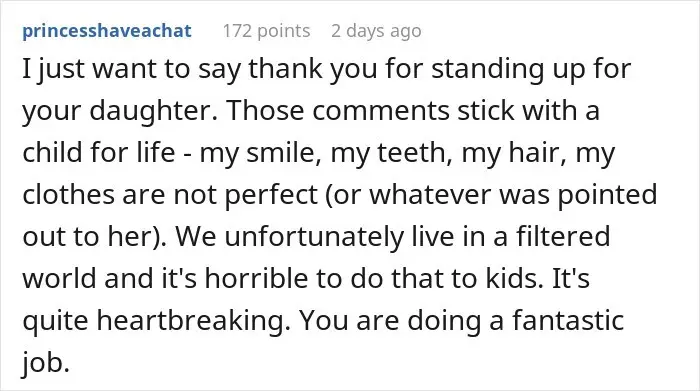
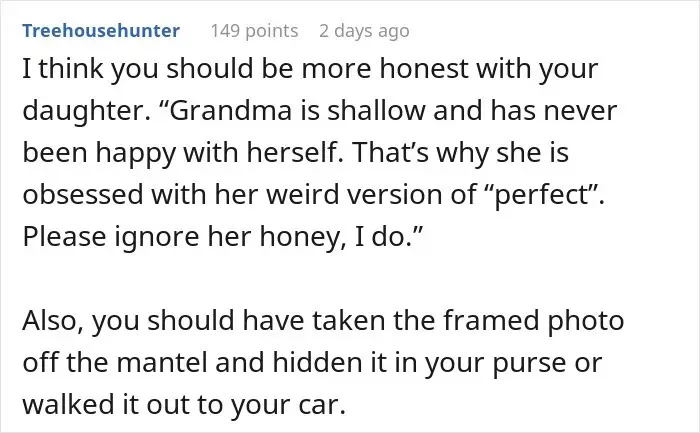
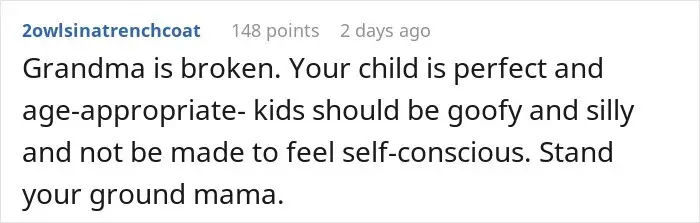
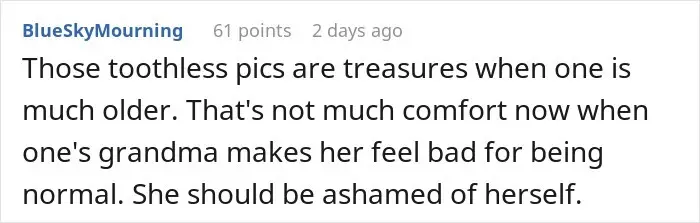
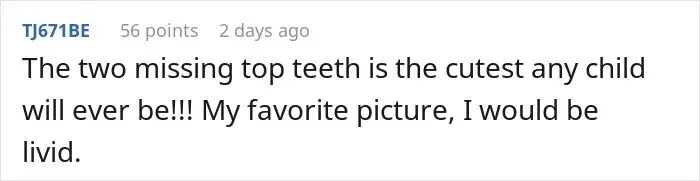
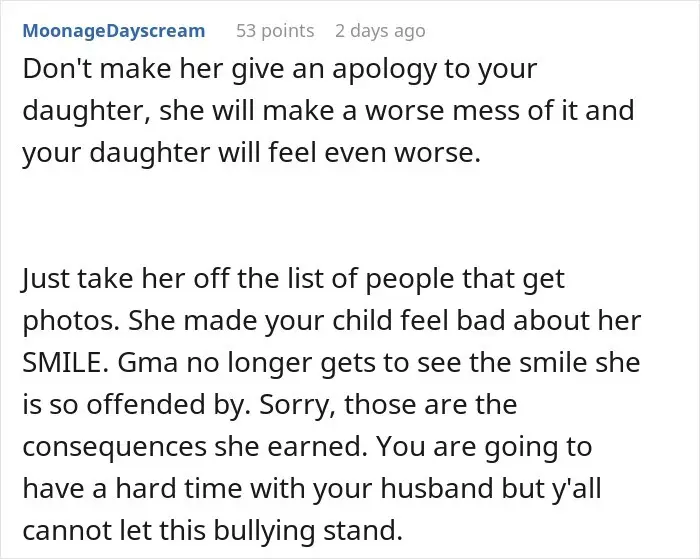
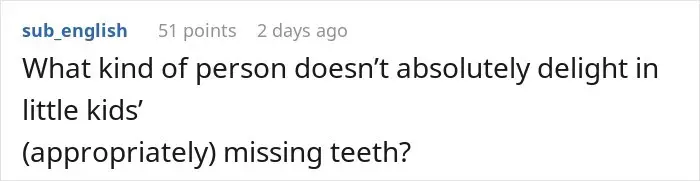
People online had a lot to say about the grandma's bizarre and narrow-minded behavior . They were horrified
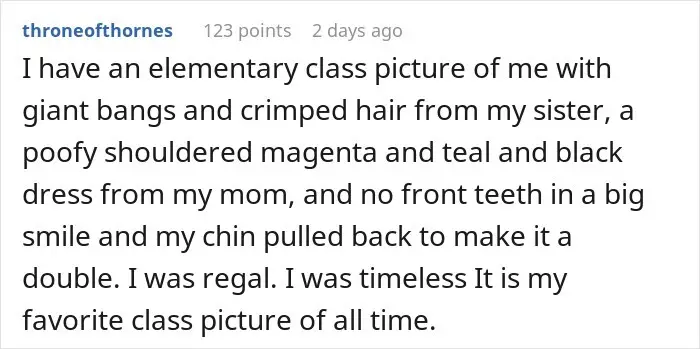
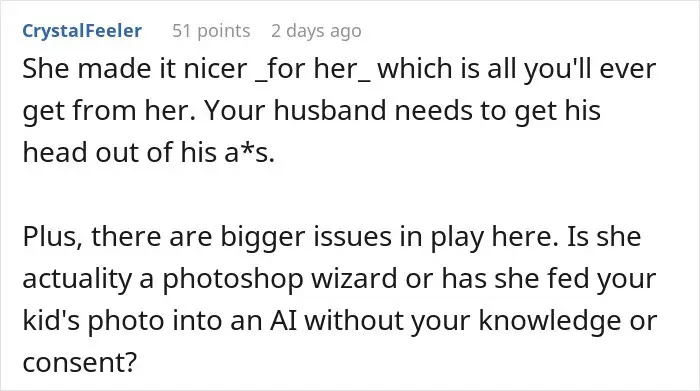
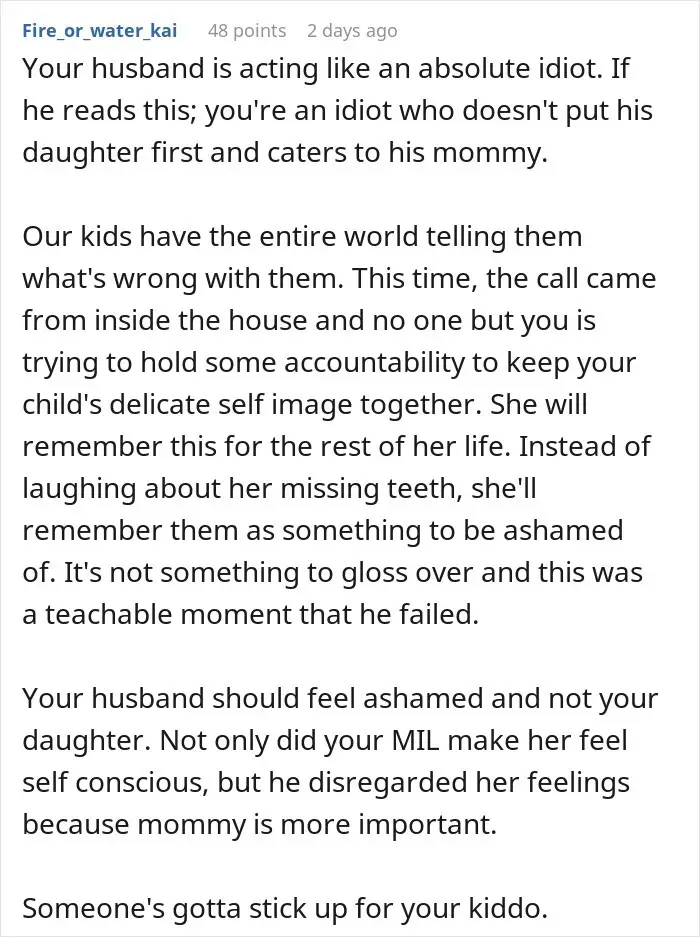
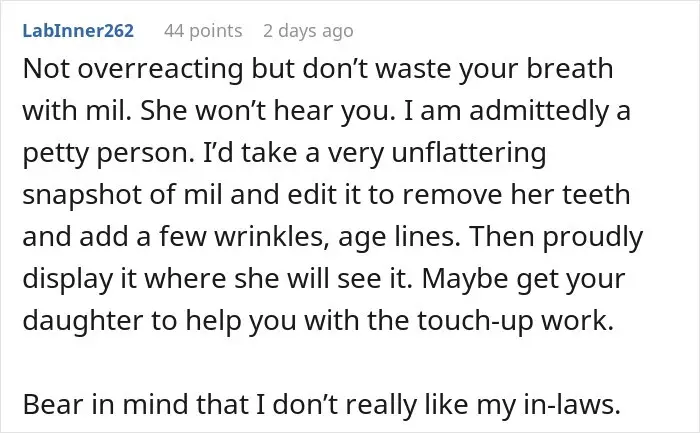
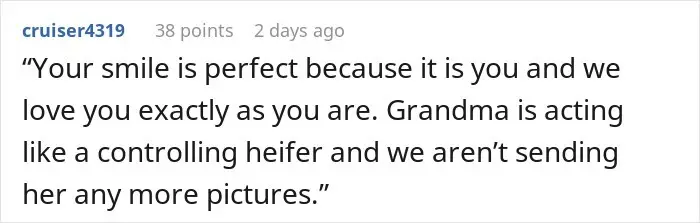
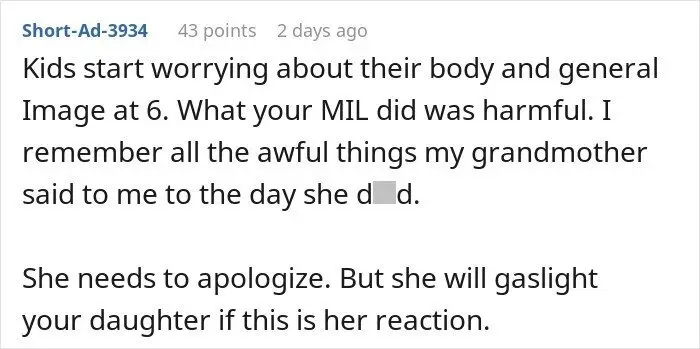
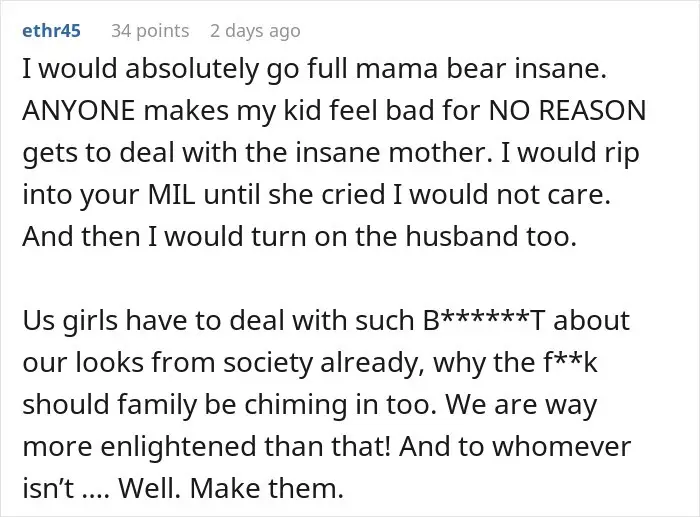
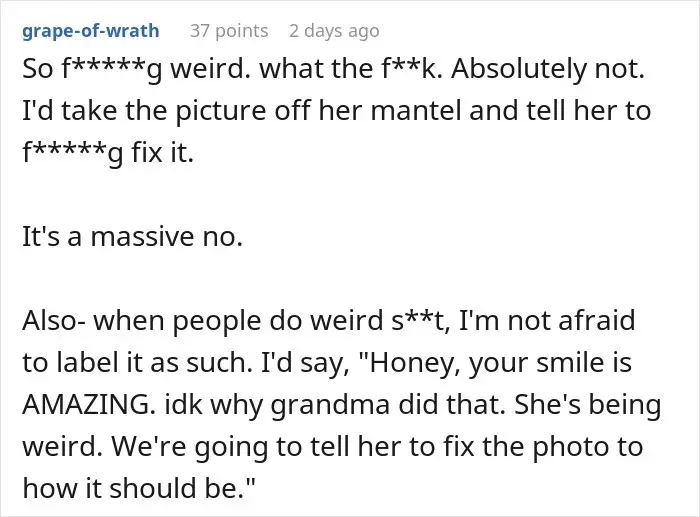
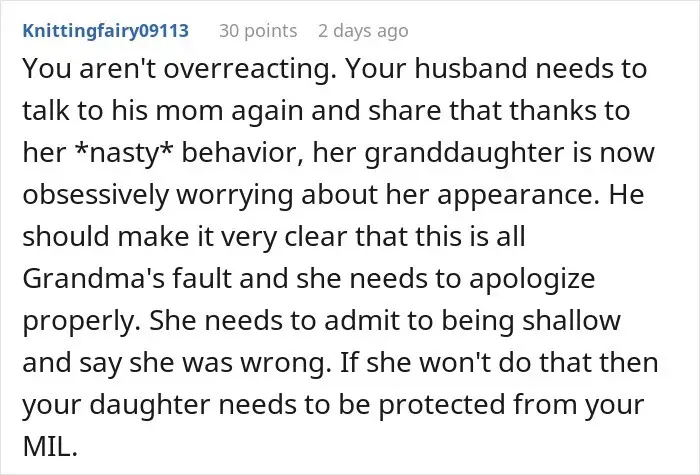
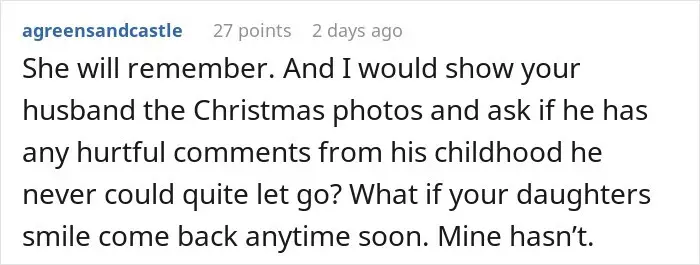
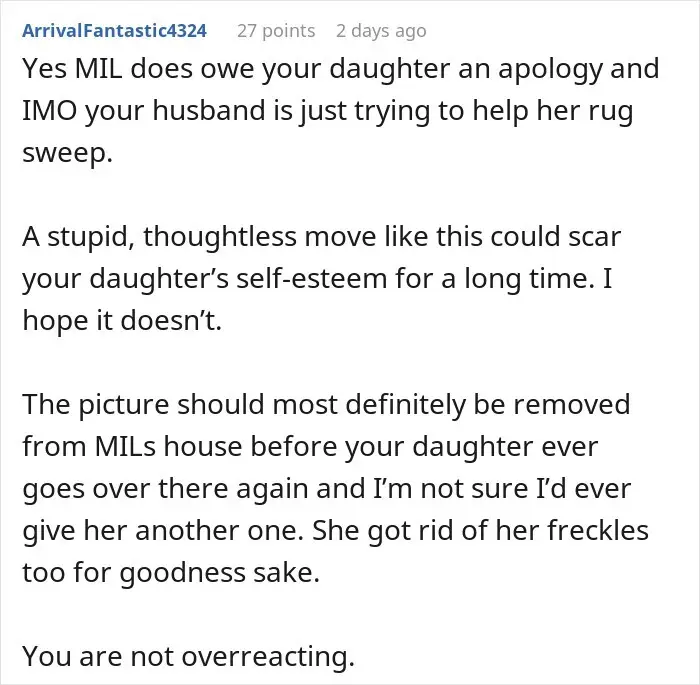
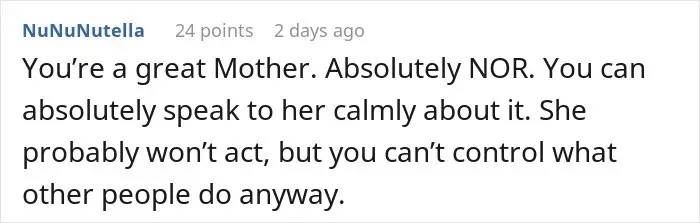
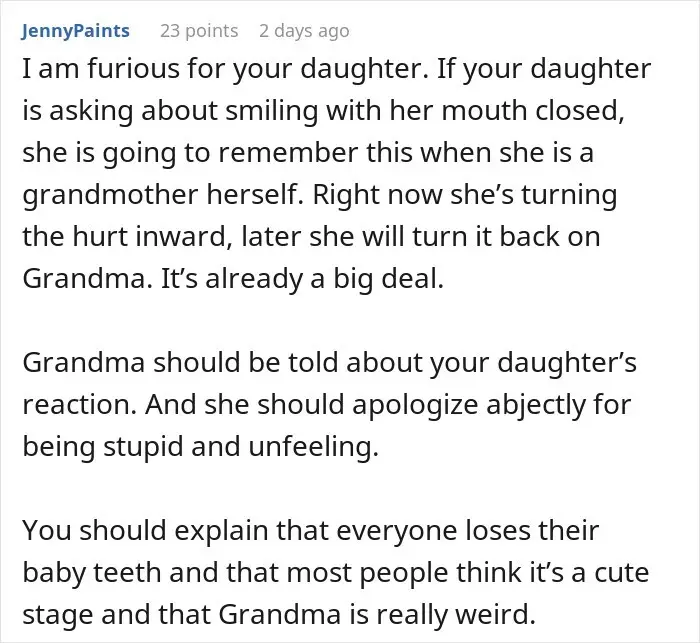



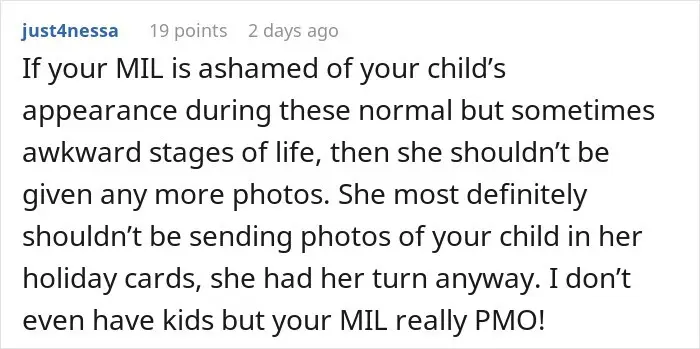
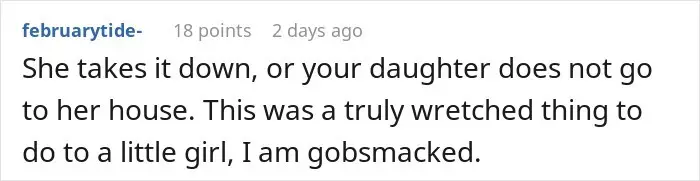
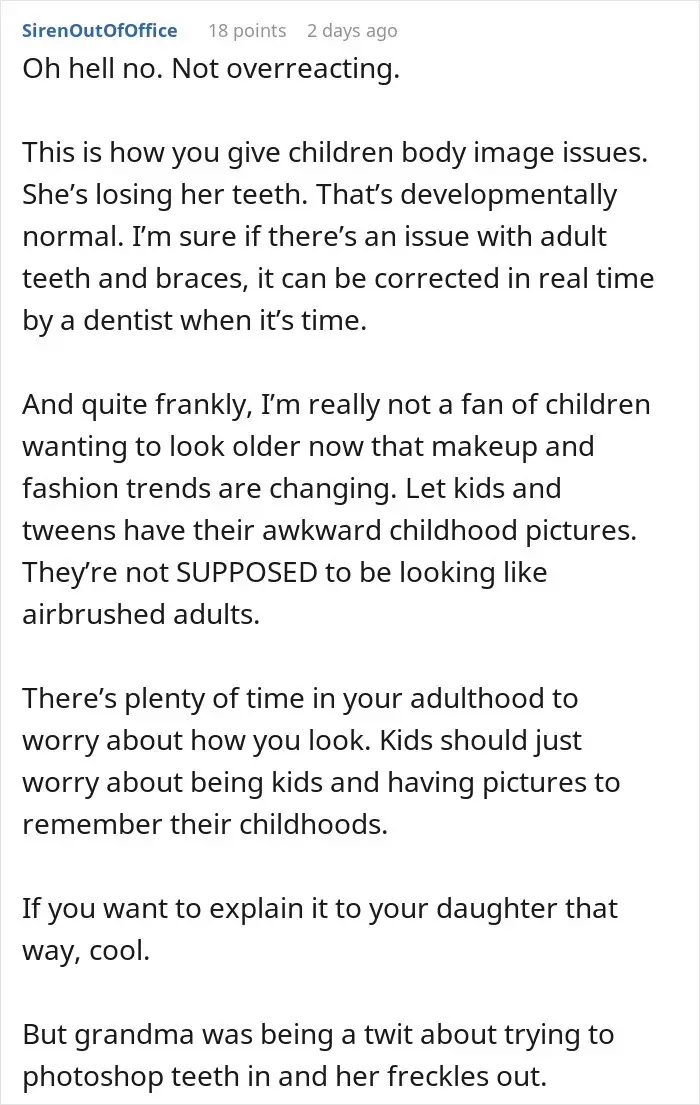
The sad reality is that this is not a unique event. Some people shared similar stories from their past