

Moms may have a hard time relinquishing control, even when their kids grow up into adults. That’s how overbearing MILs form: under the guise of love and care, they exert control over their children’s family life and don’t realize that they’re causing more trouble and are of very little help at all.
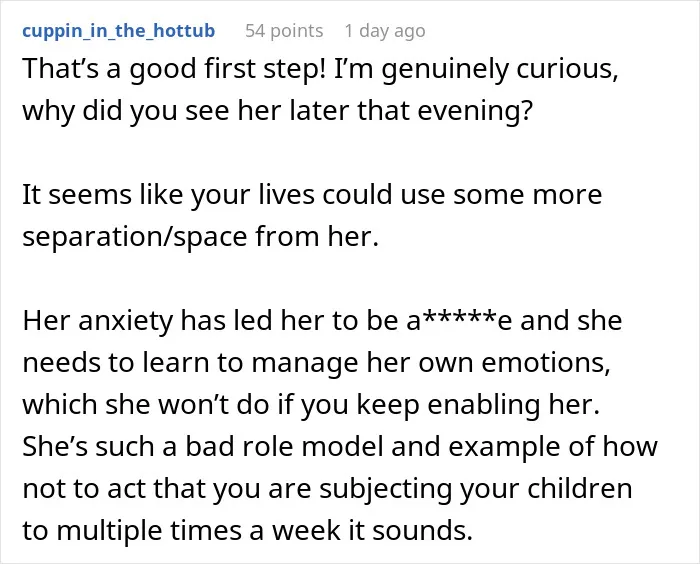
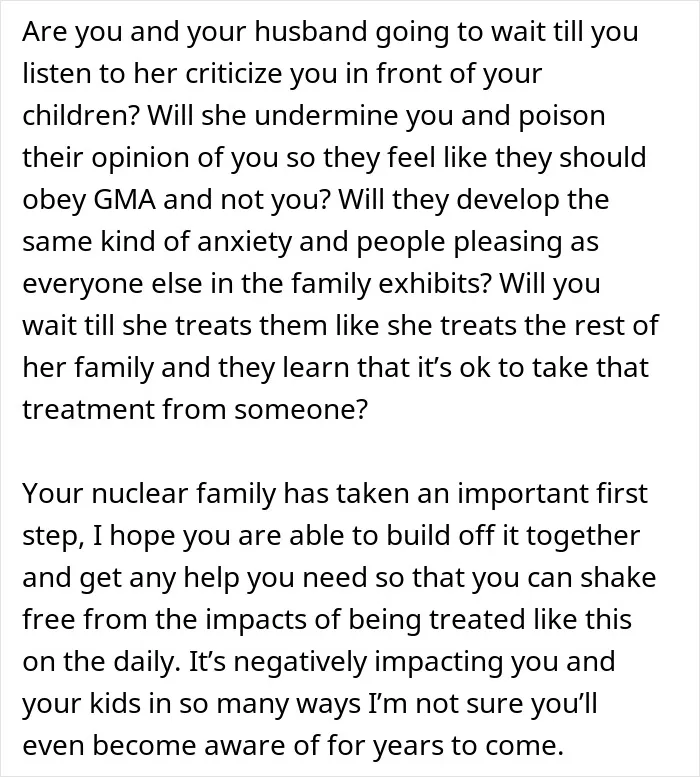
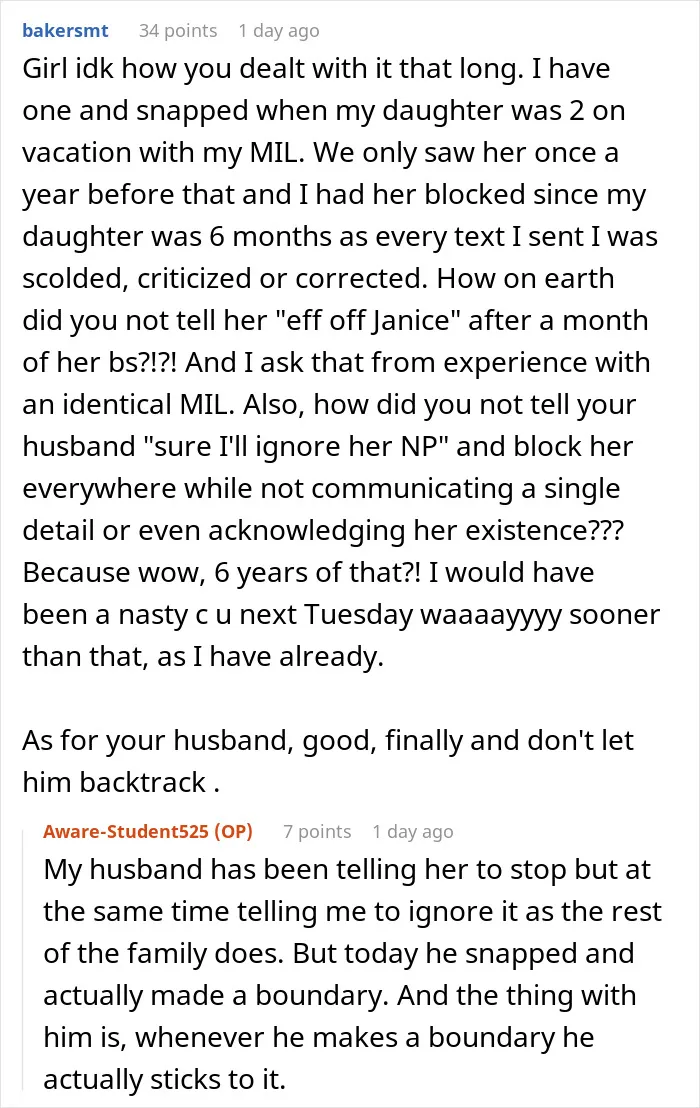
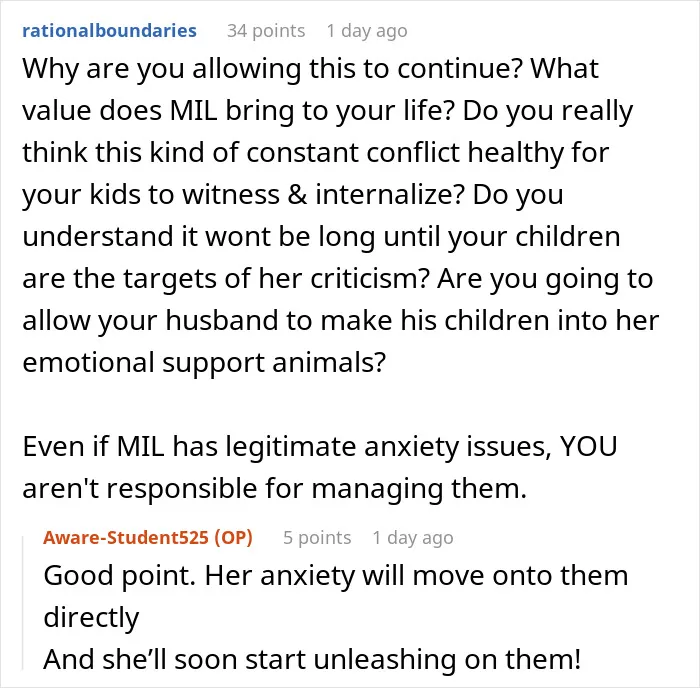
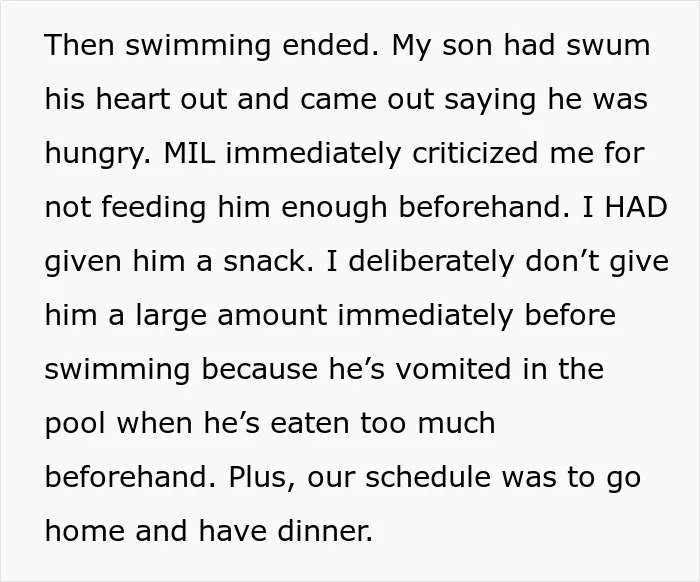
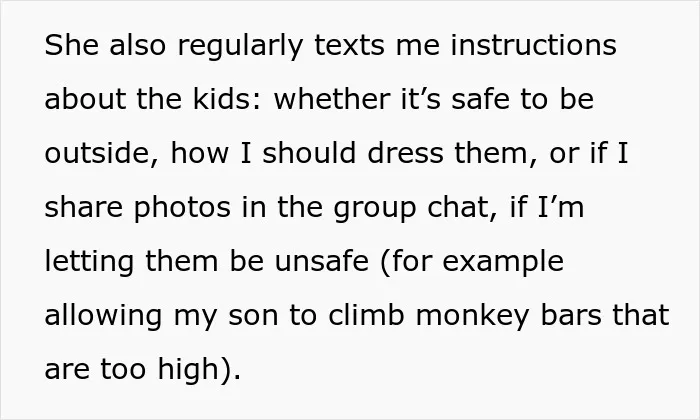
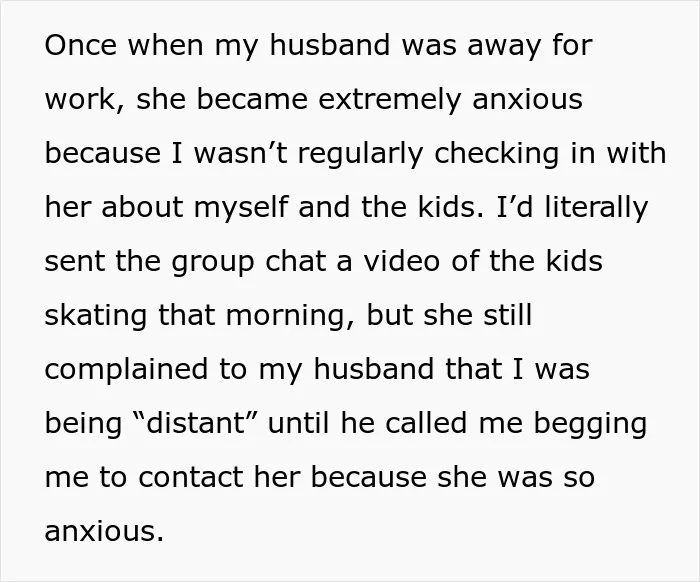
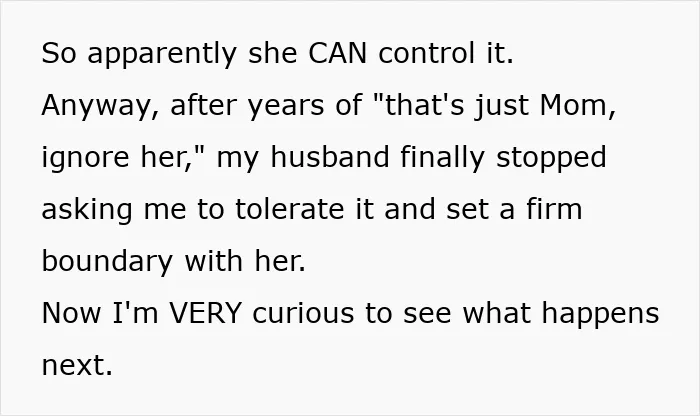
This MIL criticized everything: from snacks and swimming goggles to her grandchildren’s bodies and how their mother doesn’t feed them enough. One day, though, the dad snapped and did something few husbands have the courage to actually do: he ripped his mother a new one, asking her to stop criticizing his wife.
A new mother grew tired of the constant barrage of criticism from her mother-in-law
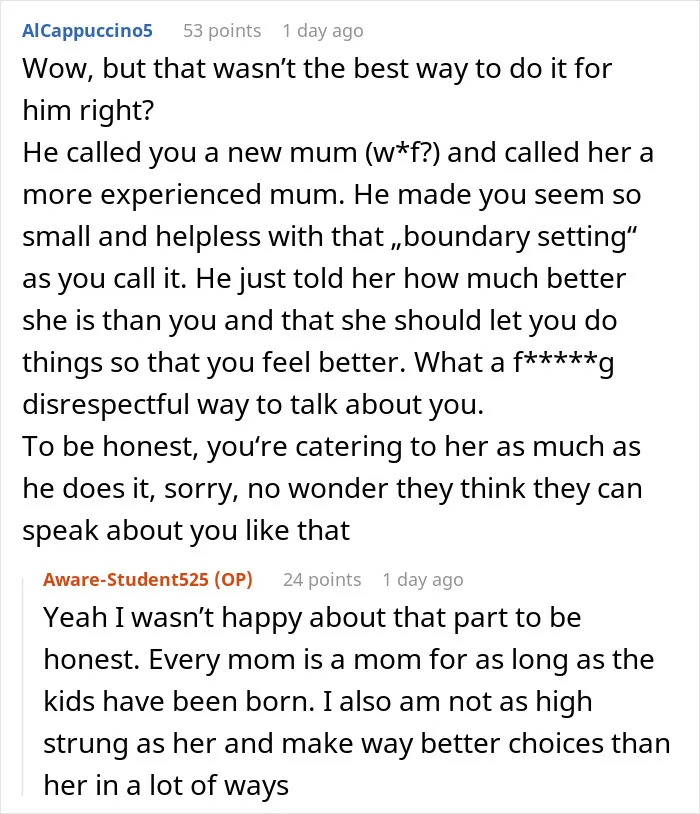
Seeing how his mother’s controlling behavior was affecting his wife, the husband stepped up and confronted her
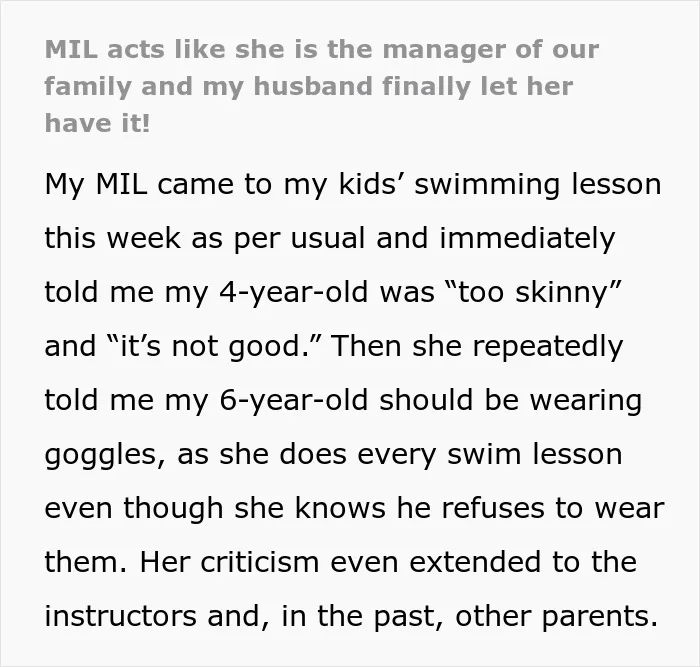

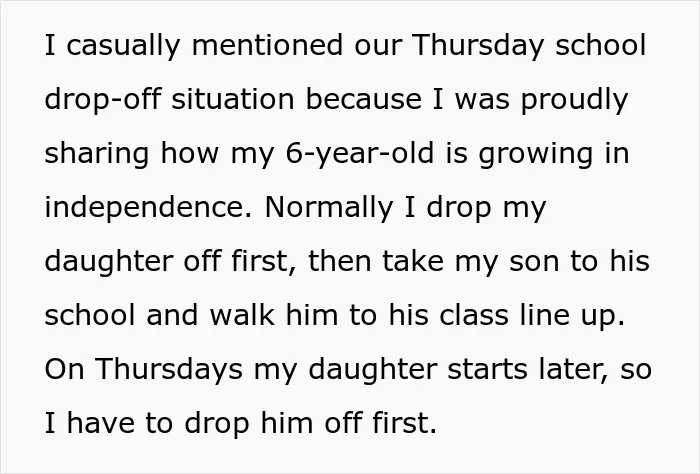

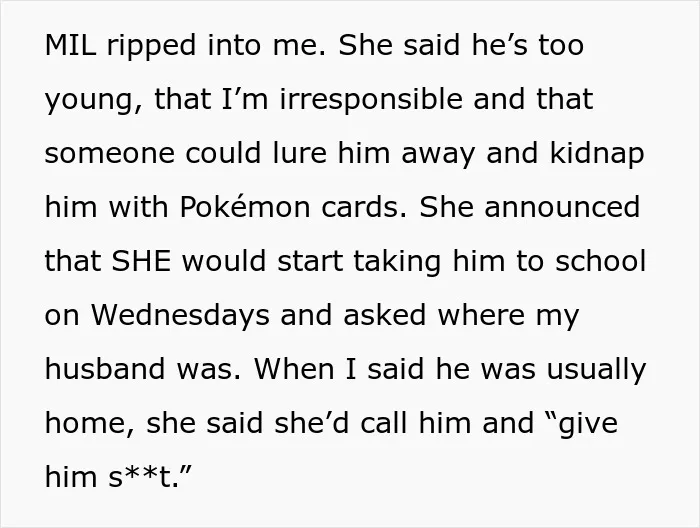









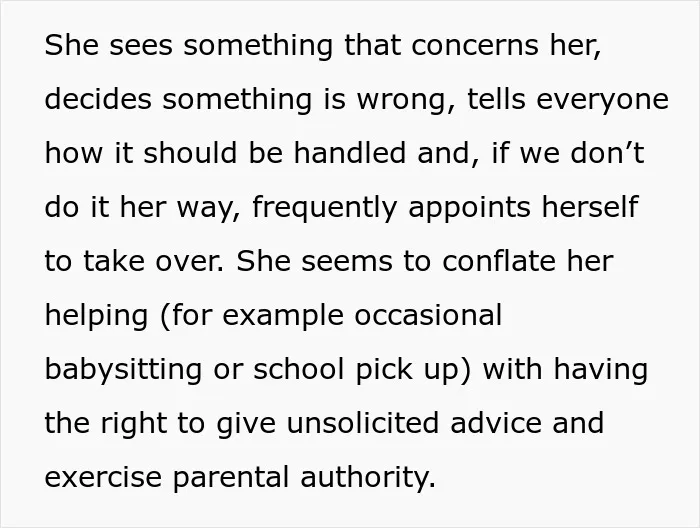











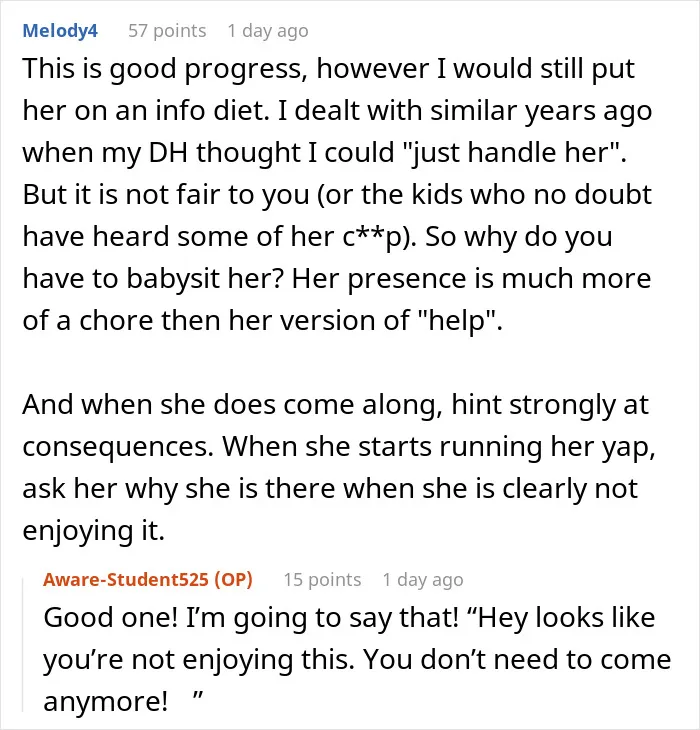
In her head, a controlling mother-in-law is just helping out of love and care
Interference from a mother-in-law can put a lot of strain on a relationship. In fact, research shows that about 70% of all divorces are initiated by the wife. It’s not hard to imagine that if a wife had to endure constant criticism and meddling from her mother-in-law regarding parenting, and her husband was doing nothing about it, she would eventually want to file for divorce.
The MIL is most likely acting like this because that’s how she expresses love and care. Marriage and relationship counselor Figs O’Sullivan writes that navigating a controlling MIL is the most common relationship dynamic he sees among the couples in his practice.
He explains that a controlling mother-in-law isn’t necessarily a narcissist or suffering from some other personality disorder. Her need to control and “help” is rooted in her biological bond to her son, and it’s because of that bond that most husbands so often can’t tell their mothers “No.”
“When your partner feels pulled between you and their mother, they are not choosing between two equal options,” he writes. They are caught between a bond that is wired into the basement of their nervous system and a bond that was built on the upper floors.”
A marriage between two people is a chosen bond. A bond between a parent and a child runs deeper: it forms before conscious memory, language, and forming an identity. However, that doesn’t mean that the parental bond always trumps a marital one: it’s just a matter of understanding how they work and what patterns we have to break to choose the life that we want.
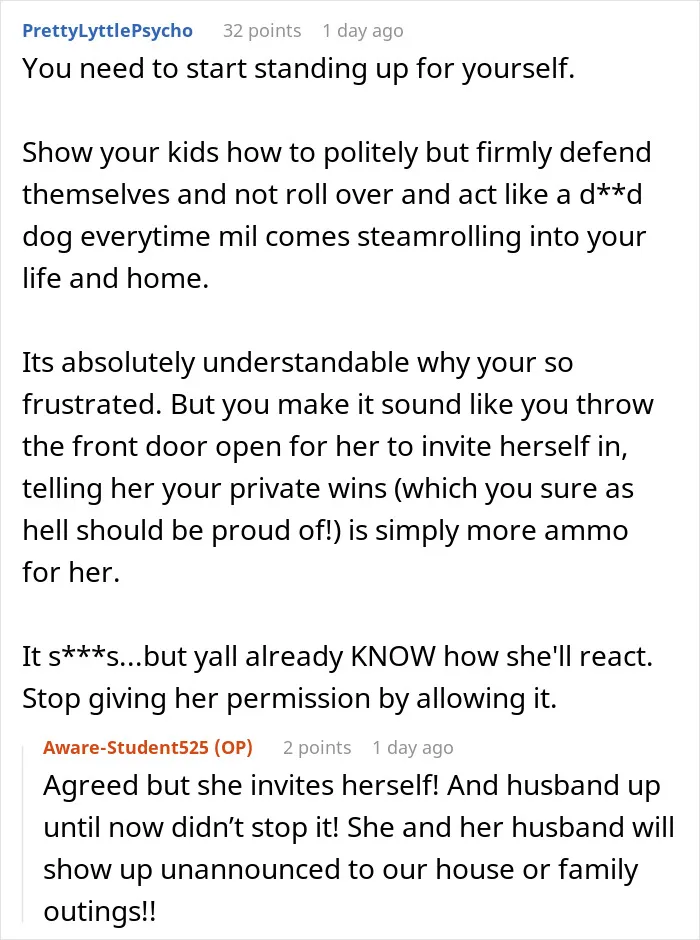
When dealing with a controlling MIL, a couple needs to present a united front

The best strategy to tackle a controlling mother-in-law is realizing that she’s an external threat to the relationship between a husband and wife. She’s not solely the husband’s problem because she’s his mother, or just the wife’s enemy since she’s the one bearing the brunt of the criticism.
A couple needs to present a united front when setting boundaries with a mother-in-law. Saying, “My wife says you’re criticizing her parenting too much, so you need to stop,” is not the right way to go. Something like, “We both don’t want you to comment on or criticize our parenting choices anymore,” is better: it makes clear that the husband and wife are a team and that the husband prioritizes this family unit over his parents' family.
The person whose parent is the controlling in-law should always take the lead in these matters. This reinforces the idea that decisions are coming from both spouses, not just from the wife. The husband in this story did it even better — he confronted the mother himself and let her know his feelings. And, so far, it has been effective.
Certified Gottman Method couples therapist Travis Atkinson writes that almost no in-laws have the desire to break up a couple or cause them marital problems. “In most cases, in-laws are very emotionally invested in the lives of their children or their grandchildren, and they’re often trying to be helpful. However, their demands can sometimes create tension.” So, trying to understand where they’re coming from may also be useful.
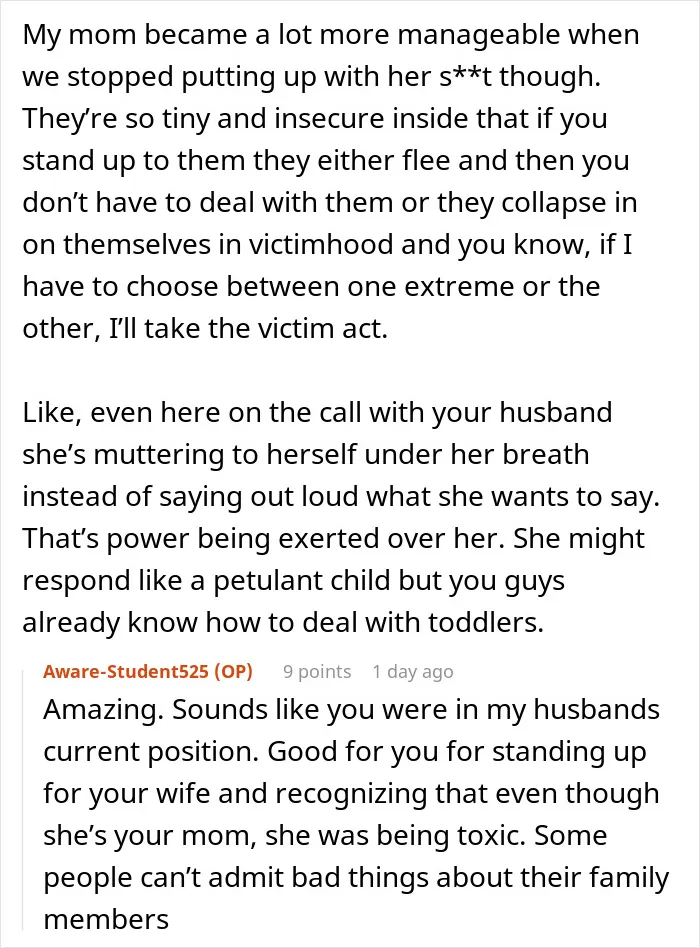
“We are both getting sick of their overinvolvement in our lives,” the woman wrote in reply to commenters asking why they allow in-laws into their lives this much