


Lecturer Reid pointed out that people who study the past "become critical thinkers with a powerful analytical toolset and the ability to communicate complex ideas. Those are incredibly important skills — and they develop them whilst learning about the past and the forces that have shaped our society."
Reid stressed that studying history is not just about gaining knowledge: "It’s about gaining important skills that can be used to find success in a dizzying array of jobs and careers."



But the abundance of information floating around the web makes it difficult to know whether every truth or detail is true. "The internet is an incredible tool, but it is also responsible for producing and disenchanting a lot of bad information," Reid said and explained we must check our sources.
"Don’t take anything for granted," he added. After all, it’s always important to check how people support their points. Especially today, when we can find needed documents, letters, and speeches quite quickly. "Look to the works of credible scholars to ensure the accuracy of whatever you’ve read or whatever you intend to produce."
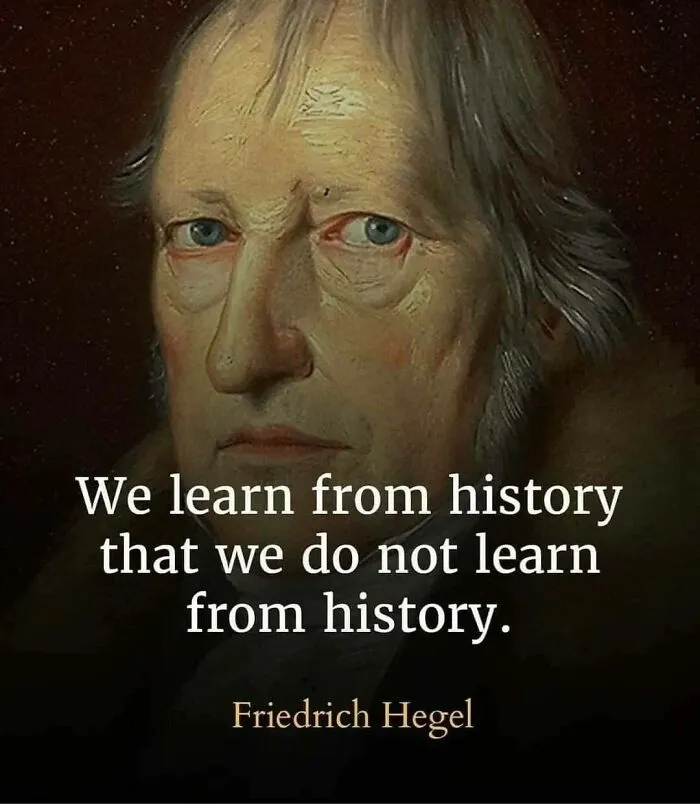


"Be curious. Explore the past. Learn the lessons our ancestors teach us through their words and actions. Learning about the past is one of the best ways to understand why we — all of us — act the way we do," Reid concluded.