

Medical knowledge is constantly and rapidly evolving. Practices considered safe or effective 20 years ago may not be today, and vice versa. The problem, however, is the potentially serious consequences of sticking to those methods.
This was the topic of discussion in a recent Reddit thread when someone asked, “Medical professionals, which medical practice has been changed because it turned out ot be terribly wrong?” Different people chimed in, including those outside the profession.
As you read these responses, you may also see how much society as a whole has evolved. Scroll through and feel free to join the conversation in the comment boxes below.
#1

So turns out women, babies, and minorities, can also feel pain! Who would have thought right?
Report
24points
#2

Re-orienting dementia patients. Don't do it.
Edit to add:
I quickly saw how devastating it was for patients to be reoriented to their situation, their loved ones passed away and gone, etc. So I learned quickly to "just go with it". Meet them where they're at. Don't feed into their reality but also don't challenge it. Gently redirect them into something different.
Edit to add:
I quickly saw how devastating it was for patients to be reoriented to their situation, their loved ones passed away and gone, etc. So I learned quickly to "just go with it". Meet them where they're at. Don't feed into their reality but also don't challenge it. Gently redirect them into something different.
Report
20points
#3

Not a medical professional but they use to give premature babies 100% oxygen - which sounded like a good idea, unfortunately it made alot of those babies blind and one of those babies was Stevie Wonder.
Report
19points
#4
So, sooo many (though many of these weren’t terribly wrong, they were just less effective than other therapies). The world of medicine is ever changing and rapidly so.
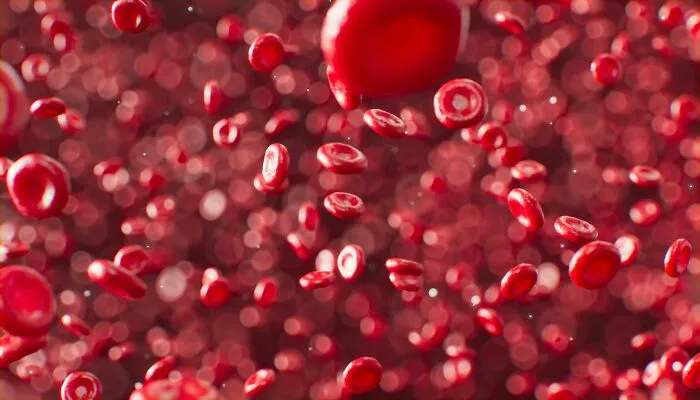
We used to treat blood loss with whole blood— then we developed fractionated blood products and swung to largely treating hemorrhage with red blood cells + fluids. Now we have since embraced the importance of all of those other components in stopping bleeding (platelets, clotting factors within plasma, etc.) And unsurprisingly then focus in trauma currently is toward whole blood or balanced component resuscitation.
[My personal theory is that this will even go a step further with blood which is fortified with even higher levels of clotting factors and platelets as these components are disproportionately consumed in hemorrhagic shock].
A lot of medications have good, but not perfect side effect profiles. These medications are generally overprescribed and then have somewhat of a backlash as the medical community sees more side effects from these meds. I would include NSAIDs, opioids, PPIs, beta blockers, ACE inhibitors, SSRIs, and many more among these. Would expect GLP-1s, ADHD stimulants, and many more medications to join this list in the future.
Oncology has generally gone toward less-aggressive and often delayed surgery. Chemotherapy and immunotherapy has improved immensely in the last 40 years. This means it’s less important to perform radical surgical resections as residual cancer can usually be treated with adjuvant/post-surgery systemic therapy and more aggressive surgery is more likely to result in more severe complications. Surgery may even be performed after chemotherapy— the idea being that a person is more likely to complete their chemotherapy. If there are post-operative complications, it’s less determinative to their overall outcome because they’ve already completed chemotherapy and aren’t missing out on that therapy while they’re dealing with infection, wound healing, etc.
So many procedures now have significantly less invasive alternatives. Compare abdominal aneurysms— this used to be treated with a 6+ hour open operation with a big incision where the aorta was replaced with graft material. Now we use catheters to place the grafts within the aorta (look up EVAR procedure). This turns a 6+ hour operation with a week in the hospital into a 1 hour procedure where patients can go home one or two days after surgery.
This is nowhere near a comprehensive list, I’ve just gotten tired of typing. But the short story is medicine is ever-changing and rapidly adapting to new research. It makes it a very exciting and challenging field to practice.
We used to treat blood loss with whole blood— then we developed fractionated blood products and swung to largely treating hemorrhage with red blood cells + fluids. Now we have since embraced the importance of all of those other components in stopping bleeding (platelets, clotting factors within plasma, etc.) And unsurprisingly then focus in trauma currently is toward whole blood or balanced component resuscitation.
[My personal theory is that this will even go a step further with blood which is fortified with even higher levels of clotting factors and platelets as these components are disproportionately consumed in hemorrhagic shock].
A lot of medications have good, but not perfect side effect profiles. These medications are generally overprescribed and then have somewhat of a backlash as the medical community sees more side effects from these meds. I would include NSAIDs, opioids, PPIs, beta blockers, ACE inhibitors, SSRIs, and many more among these. Would expect GLP-1s, ADHD stimulants, and many more medications to join this list in the future.
Oncology has generally gone toward less-aggressive and often delayed surgery. Chemotherapy and immunotherapy has improved immensely in the last 40 years. This means it’s less important to perform radical surgical resections as residual cancer can usually be treated with adjuvant/post-surgery systemic therapy and more aggressive surgery is more likely to result in more severe complications. Surgery may even be performed after chemotherapy— the idea being that a person is more likely to complete their chemotherapy. If there are post-operative complications, it’s less determinative to their overall outcome because they’ve already completed chemotherapy and aren’t missing out on that therapy while they’re dealing with infection, wound healing, etc.
So many procedures now have significantly less invasive alternatives. Compare abdominal aneurysms— this used to be treated with a 6+ hour open operation with a big incision where the aorta was replaced with graft material. Now we use catheters to place the grafts within the aorta (look up EVAR procedure). This turns a 6+ hour operation with a week in the hospital into a 1 hour procedure where patients can go home one or two days after surgery.
This is nowhere near a comprehensive list, I’ve just gotten tired of typing. But the short story is medicine is ever-changing and rapidly adapting to new research. It makes it a very exciting and challenging field to practice.
Report
19points
#5

It took them like…way too long to figure out that sticking their dirty hands in peoples wounds was making them get infections. In fact, the doctor that pretty much discovered germ theory was ostracized and ridiculed by his colleagues and eventually tricked into being committed to an insane asylum where he was beaten and ultimately passed from gangrene. All because he told his colleagues to wash their hands before delivering babies.
Report
18points
#6

During the latter half of the 20th century, tall adolescent girls were given high-dose synthetic estrogen therapy (such as diethylstilbestrol or ethinyl estradiol) to stunt their linear growth and reduce their final adult height. That resulted in a good percentage of them having infertility problems and some getting cancer. All because the patriarchy thought women shouldn't be tall.
Report
18points


#9
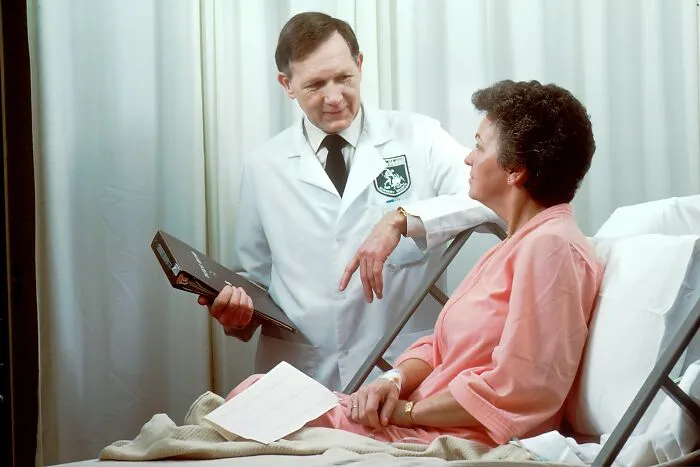
Might have already been mentioned, but pelvic exams on women when they are under anesthesia for other procedures. It was used to teach medical students how to do them, but without the consent of the patient.
17points
#10

Thalidomide is no longer used to treat morning sickness.
Report
15points

#12
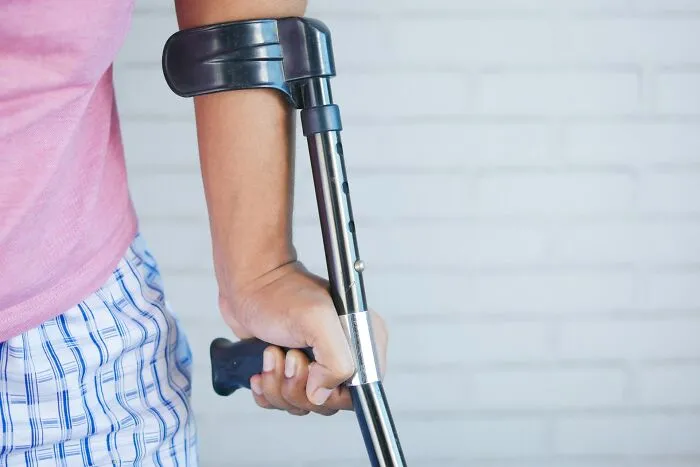
The method total hip replacements used to be done was a posterior approach, which was easier for the doc but a long recovery (6 months) with less mobility for the patient. Now an anterior approach is more common, which is harder for the doc, but so much better for the patient.
Report
14points
#13

Using race when calculating kidney function.
For GFR calculation, during most of my career, the only options were black or non black. If you selected black, it would make it look like their kidney function was much better than it actually was. The premise was that black people had a naturally higher muscle mass than other races so they’d have a higher natural creatinine level.
The issue is that black folks have an almost 50% higher risk of kidney dysfunction vs other Americans and since the calculation made it look like they had better kidney function than they did, it would make them move down on the organ donation list and make them less likely to get a donor kidney. A few years ago, most GFR calculators were changed to not include race.
For GFR calculation, during most of my career, the only options were black or non black. If you selected black, it would make it look like their kidney function was much better than it actually was. The premise was that black people had a naturally higher muscle mass than other races so they’d have a higher natural creatinine level.
The issue is that black folks have an almost 50% higher risk of kidney dysfunction vs other Americans and since the calculation made it look like they had better kidney function than they did, it would make them move down on the organ donation list and make them less likely to get a donor kidney. A few years ago, most GFR calculators were changed to not include race.
13points
#14
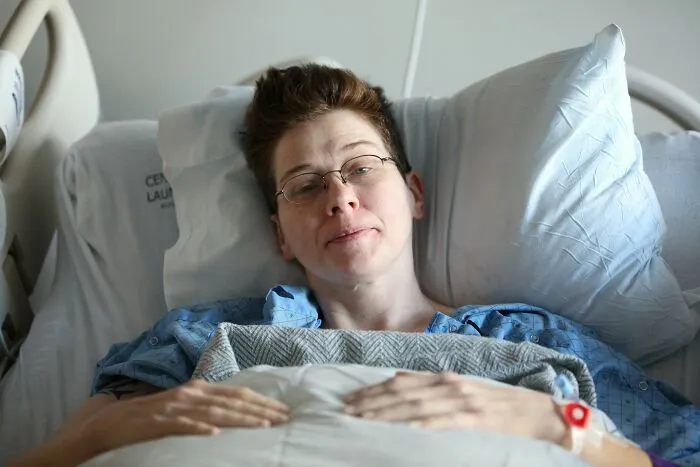
Prolonged bedrest is probably one of the worst thing you can do to a sick person. The human body is not meant to be laying in bed for extended periods of time.
Except for people who are physically incapable, those with intact mobility in the hospital should be up and moving around, sitting when tired, and only laying for sleep or procedures.
Those with altered mobility should be encouraged to be an an activity level which is safe and tolerated, up in the chair as much as is possible.
Hospitals still put every patient in a bed and give them the "option" to get to the chair with assistance.
A 30 year old in for a thyroidectomy shouldn't be in a bed after they recover. They should be in a chair and allowed to get up and move around.
Except for people who are physically incapable, those with intact mobility in the hospital should be up and moving around, sitting when tired, and only laying for sleep or procedures.
Those with altered mobility should be encouraged to be an an activity level which is safe and tolerated, up in the chair as much as is possible.
Hospitals still put every patient in a bed and give them the "option" to get to the chair with assistance.
A 30 year old in for a thyroidectomy shouldn't be in a bed after they recover. They should be in a chair and allowed to get up and move around.
Report
13points
#15

The medical community has really soured on tinctures of mercury, last i checked.
Report
11points
#16

Graded exercise therapy for chronic fatigue syndrome. The intention was to 'build up' patient tolerance for energy use. However, this was based on a fundamental misunderstanding of the condition, and a lot of patients got significantly sicker because the activities eroded rather than built their capacity .
Report
11points
#17
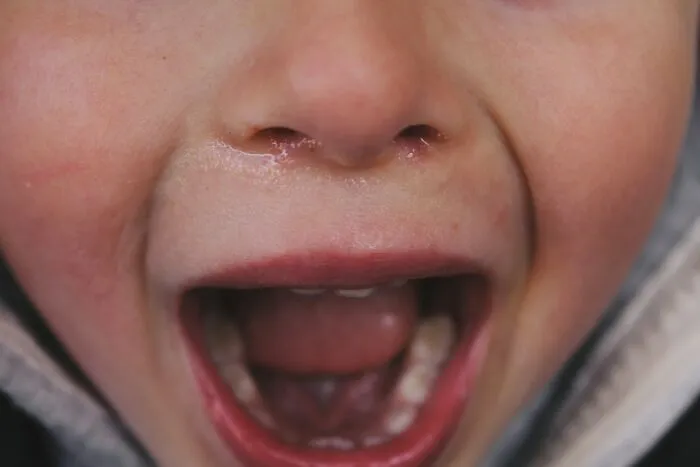
Can someone comment on the prophylactic removal of tonsils in children?
It was so routine that my three older siblings had it done automatically, but by the time I came along it was much less common.
I can’t think of even one of my son’s friends who’s had it done.
weaselodeath:
Mostly they stopped doing it as frequently because the fatality rate for the surgery is not 0% and never will be. Now they pretty much only do it for airway issues.
It was so routine that my three older siblings had it done automatically, but by the time I came along it was much less common.
I can’t think of even one of my son’s friends who’s had it done.
weaselodeath:
Mostly they stopped doing it as frequently because the fatality rate for the surgery is not 0% and never will be. Now they pretty much only do it for airway issues.
10points

#19
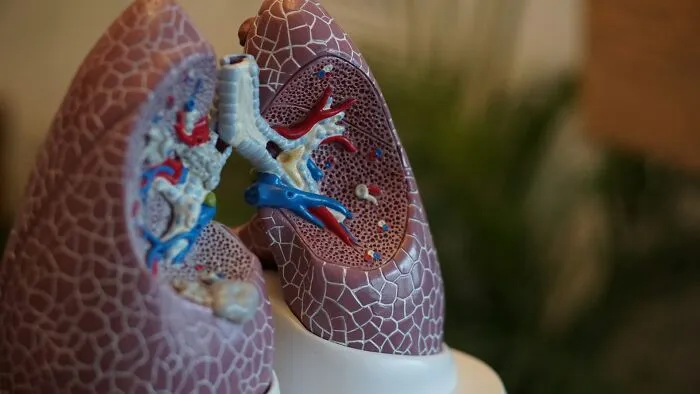
Barium bronchography/bronchogram: wherein patients would aspirate/inhale a contrast agent and have images taken of their lungs. Obvious issues. It went the way of the dodo. The radiologist who gave my lectures in med school said his predecessors would not talk about it - for good reason.
Report
10points